Preprint
Article

This version is not peer-reviewed.

Empowering Education with Intelligent Systems: Exploring LLMs and the NAO Robot for Information Retrieval

A peer-reviewed article of this preprint also exists.

Submitted:

30 January 2025

Posted:

30 January 2025

You are already at the latest version

Abstract

Unlocking more aspects of human cognitive structuring, human-AI, and human-robot interaction requires increasingly advanced communication skills on both the human and robot sides. This paper compares three methods of retrieving cultural heritage information in primary school education: search engines, large language models (LLMs), and the NAO humanoid robot, which serves as a facilitator with programmed answering capabilities for convergent questions. Human-robot interaction has become a critical aspect of modern education, with robots like the NAO providing new opportunities for engaging and personalized learning experiences. The NAO, with its anthropomorphic design and ability to interact with students, presents a unique approach to fostering deeper connections with educational content, particularly in the context of cultural heritage. The paper includes an introduction, an extensive literature review, methodology, research results from student questionnaires, and conclusions. The findings highlight the potential of intelligent and embodied technologies in enhancing knowledge retrieval and engagement, demonstrating the NAO’s ability to adapt to student needs and facilitate more dynamic learning interactions.

Keywords: 
;  ;  ;  ;  

1. Introduction

Educational robots are experiencing rapid growth in educational settings, with a notable increase of 18.4% between 2022 and 2023 [1]. This growth can be attributed to robots’ easy integration into STEM teaching methods (Eguchi et al., Benitti et al.) [2,3] and their engaging, interactive nature, particularly for younger learners (Evripidou et al.) [4]. The use of educational robots plays a significant role in fostering critical 21st-century skills such as critical thinking, creativity, teamwork, and communication—skills essential for preparing responsible, scientifically active citizens (Alimisis) [5]. Among these, NAO, a humanoid robot designed to be approachable, stands out as one of the most widely adopted social robots in educational environments. Measuring 0.57 meters tall and weighing around 4.5 kg, NAO has a toddler-like appearance and is equipped with Choregraphe software that supports features such as text-to-speech conversion, sound localization, visual pattern detection, obstacle recognition, and dynamic visual effects (Shamsuddin et al.) [6]. More than 13,000 NAO robots are currently used in over 70 countries worldwide, demonstrating their global appeal in education and research (Amirova et al.) [7]. NAO has been widely studied for its applications in working with children with autism (Alarcon et al., Brienza et al.) [8,9], emotion detection, and its ability to enhance interactions between teachers and students. These features highlight NAO’s versatility in adapting to diverse educational needs and its potential to foster both cognitive and emotional engagement in classrooms. In this study, NAO will serve as a learning facilitator, guiding students through cultural information retrieval tasks. This role leverages NAO’s ability to provide adaptive, compassionate feedback and foster self-confidence in students (Johal) [10]. Beyond its technical capabilities, NAO exemplifies the potential of social robots to motivate and engage learners through embodied, interactive experiences. The emergence of Large Language Models (LLMs), such as OpenAI’s ChatGPT and Google’s Gemini, represents another significant technological advancement in education. These AI-driven tools facilitate personalized learning experiences by generating human-like text, enabling interactive dialogues, and enhancing comprehension and engagement among students (Ayeni et al.) [11]. Unlike NAO, which engages students through physical embodiment, LLMs operate purely through text, requiring well-structured queries to maximize their effectiveness. Their ability to simulate conversations, answer questions, and provide tailored responses based on context makes them a valuable tool for enhancing student learning. However, this text-based interaction lacks the kinesthetic and social dimensions provided by robots like NAO. This research explores how the embodied interaction offered by NAO compares to the non-embodied capabilities of LLMs and traditional search engines in supporting cultural information retrieval and student engagement. Social robots, like NAO, align well with the theory of embodied learning, which emphasizes active, physical engagement with the environment (Atlas) [12]. Their human-like features and ability to interact socially make them ideal for fostering creativity, collaboration, and critical thinking. Previous research has shown that interaction with robots helps students gain familiarity with digital concepts and positively impacts their overall educational experience (Bungert et al.) [13]. While many students find robotic technology constructive and beneficial, others recognize limitations and the need for continuous improvement. To ensure effective integration, ongoing evaluation of student attitudes toward robots like NAO is essential (Banaeian et al.) [14]. In addition to robotics, AI-driven games and interactions have demonstrated potential for enhancing creativity, promoting collaborative investigation, and improving literacy skills. By examining the interplay between traditional search engines, LLMs, and humanoid robots like NAO, this study aims to assess their respective impacts on cultural information retrieval, student engagement, and learning outcomes. This comparison will provide insights into how these technologies can collectively enrich the educational experience.

2. Related Work

Socially assistive robots like NAO have gained prominence in educational settings due to their versatility and ability to engage learners in diverse environments. NAO serves as a peer, demonstrator, teacher, and facilitator, adapting to various instructional roles (Amirova et al.) [7]. Its kinesthetic interaction capabilities foster self-confidence and encourage active participation in learning, while its provision of adaptive feedback motivates students and enhances engagement (Johal) [10]. Despite these strengths, challenges persist. Technical malfunctions and situational constraints can limit the effectiveness of NAO compared to other technologies. Furthermore, studies by Amirova et al. [7] suggest that children’s perceptions of NAO’s educational impact do not differ significantly from their perceptions of tablets or human teachers, raising questions about its unique value proposition in certain contexts.
NAO’s applications extend beyond STEM education, encompassing language instruction, creative writing, and physical activities. For instance, NAO has been employed to teach mathematics and vocabulary, particularly to elementary school students, demonstrating its adaptability across subjects (Buchem et al.) [15]. Interactions with NAO familiarize students with digital tools, bridging gaps in digital literacy while enriching their educational experiences (Baumann et al.) [16]. However, successful integration requires ongoing assessment of student attitudes and perceptions, as highlighted by Podpecan [17].
Research underscores the importance of robot design in user acceptance. Students generally prefer humanoid robots with realistic features, finding them more approachable and engaging than those with distinct or non-humanoid appearances (Baumann et al.) [16]. In addition, NAO has shown significant potential to boost intrinsic motivation, particularly among female students, compared to traditional educational tools such as LEGO Mindstorms (Gressmann et al.) [18]. Beyond academics, NAO has been used in activities like guided breathing exercises, which have been shown to improve relaxation and mood (Buchem et al.) [15].
The integration of emotional computation in robotics has paved the way for more personalized and effective learning experiences. By detecting and responding to students’ emotional states, robots like NAO can tailor content delivery to optimize engagement and comprehension (Valagkouti et al.) [19]. Personalized learning approaches, which dynamically adapt to individual needs, consistently outperform traditional one-size-fits-all methods.
NAO’s emotional recognition capabilities, while promising, face limitations. Environmental factors, such as noise levels and lighting conditions, can hinder its performance, and its ability to detect nuanced emotional responses remains underdeveloped. Additionally, interactions with NAO are influenced by demographic factors such as age, gender, and personal experiences, with children generally responding more positively than adults. These findings highlight the importance of designing adaptive and context-aware systems to enhance robot-student interactions.
The advent of LLMs, such as OpenAI’s ChatGPT and Google’s Gemini, has revolutionized educational environments, offering tools that enhance both teaching and learning. LLMs enable personalized learning by providing instant feedback, tailored explanations, and adaptive support, thereby improving comprehension and engagement (Ayeni et al.) [11]. This personalized approach fosters inclusivity, accommodating diverse learning styles and needs.
In addition to individualized learning, LLMs facilitate collaborative and exploratory activities. They encourage students to generate ideas, engage in critical discussions, and refine their understanding through interactive dialogues (Zhang et al.) [20]. Their versatility extends to storytelling, role-playing, and digital gameplay, making them valuable across a wide range of disciplines. For instance, chatbot-assisted learning has proven effective in presenting knowledge and guiding students through structured learning activities.
LLMs also play a pivotal role in developing critical thinking skills. Although one study reported no significant gains in critical thinking after using ChatGPT, students’ reflective journals indicated that the tool enhanced their spatial awareness and encouraged deeper cognitive engagement (Liang et al.) [21]. This suggests that while LLMs may not directly improve critical thinking metrics, they can serve as catalysts for more thoughtful and reflective learning practices.
From an instructional perspective, LLMs support teachers by streamlining lesson planning, curriculum development, and administrative tasks. Generative models like ChatGPT enable educators to focus more on pedagogy and student engagement by handling repetitive tasks efficiently (Berglez et al.) [22]. Furthermore, LLMs foster professional development by serving as collaborators, assisting educators in drafting materials, generating ideas, and exploring innovative teaching strategies (Atlas) [12].
The NAO robot has been extensively studied as a tool for supporting children with Autism Spectrum Disorder (ASD). Its ability to bridge social and communication gaps makes it a valuable asset in therapeutic and educational settings (Mutawa et al.) [23]. Children with ASD often exhibit a preference for interactions with machines over humans, making NAO an effective medium for enhancing social skills and interaction.
NAO can be programmed to recognize individual profiles, allowing for tailored interventions that address specific needs. A literature review reported an average effectiveness of 40.3% in NAO-based interventions for ASD, while earlier studies demonstrated a 100% success rate in helping children identify emotions presented by the robot (Berglez et al.) [22]. This highlights the potential of personalized robot-mediated therapy in improving emotional recognition and social adaptation.
Emerging approaches, such as monitoring a child’s gaze during interactions with NAO, aim to enhance focus and understanding. Preliminary findings suggest that autistic children engage more with NAO than neurotypical peers, emphasizing the importance of customizing robot behaviors to individual preferences (Brienza et al.) [9]. These insights underscore the need for continuous innovation in robot-assisted therapy to maximize its impact.
While both NAO and LLMs have demonstrated significant potential in education, their integration poses challenges. NAO’s limitations in emotional recognition and adaptability, combined with the reliance of LLMs on high-quality training data, underscore the need for further development. Ethical considerations, such as data privacy and the potential for over-reliance on AI, must also be addressed.
Future research should explore the synergy between embodied robots like NAO and cognitive tools like LLMs. By combining the physical presence and interaction capabilities of robots with the advanced reasoning and adaptability of LLMs, hybrid systems could revolutionize personalized learning. Such systems have the potential to enhance engagement, foster critical thinking, and create more inclusive educational environments.

3. Methodology

  • Comparative Evaluation of Methods for Retrieving Cultural Heritage Information
  • General Comparison of Information Retrieval Methods
  • NAO-Specific Interaction
These questions provided valuable insights into the students’ experiences, perceptions, and preferences regarding the technologies used.
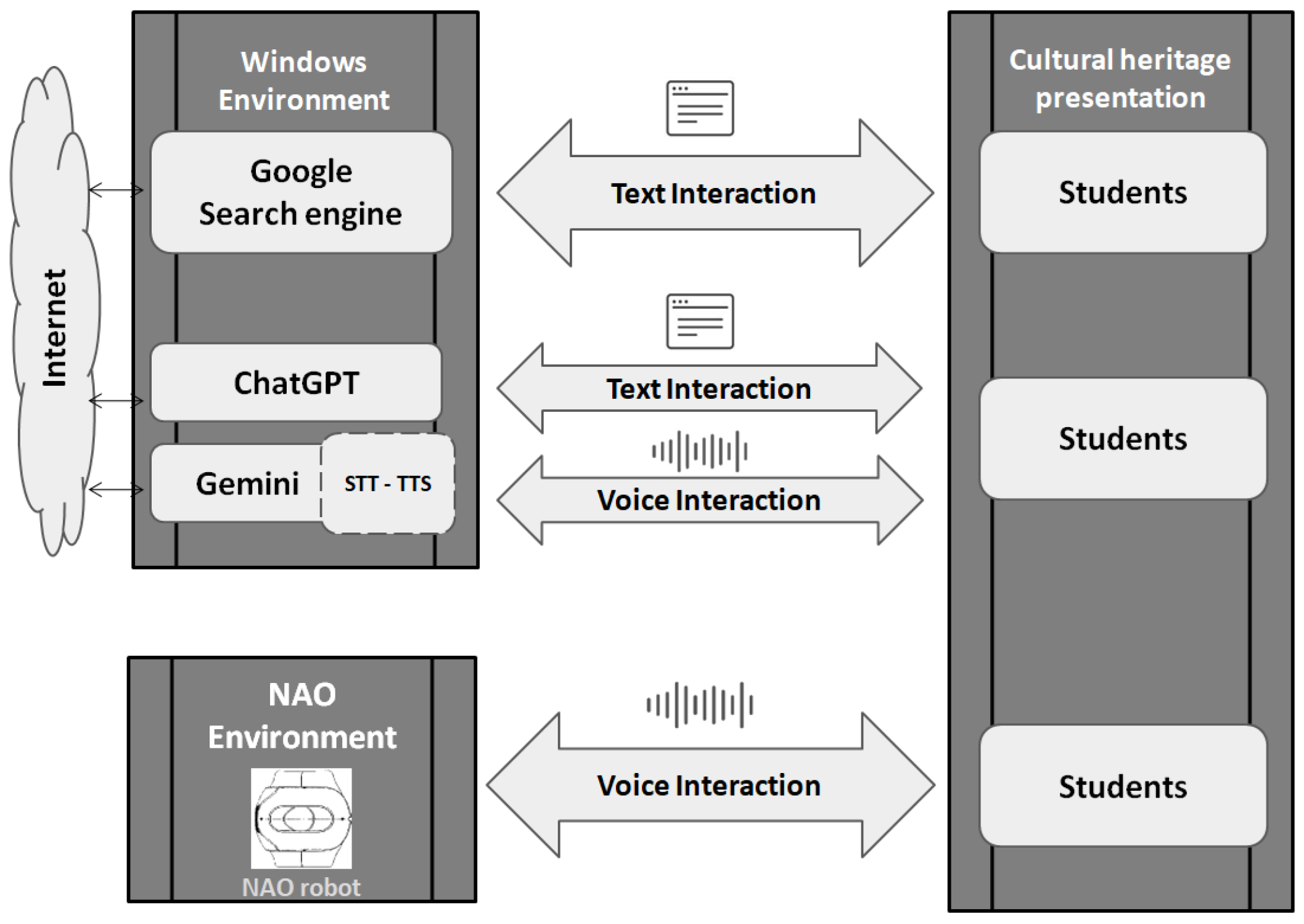
Figure 1. The interaction process flow, of the three methods in summary.
Preprints 147769 g001

3.1. Phase 1: Search Engines

In the first phase, students utilized search engines, primarily Google, focusing on results from digital encyclopedias such as Wikipedia (Figure 2). The goal was to familiarize students with traditional online research methods. This phase included:
  • Introduction to Search Engines: Students were introduced to the basics of using Google effectively, including tips on formulating search queries and evaluating the reliability of sources.
  • Hands-on Research Activity: Students conducted searches on specific topics related to Greek cultural heritage, collecting information to support their presentations.
  • Group Discussion: A collaborative discussion followed, during which students analyzed the effectiveness of search engines in gathering relevant and reliable information.

Figure 2. Flow of the interaction between students and search engines.
Preprints 147769 g002
In the questionnaire, students reflected on their experiences during this phase by answering questions such as:
  • Did you find the information you were looking for easily?
  • Did you have trouble finding information on cultural heritage?

3.2. Phase 2: Large Language Models (LLMs)

The second phase introduced students to Large Language Models (LLMs), specifically Google’s Gemini and OpenAI’s ChatGPT 3.5 (Figure 3). This phase emphasized the use of AI to enhance information retrieval through interactive dialogues. Activities included:
  • Introduction to LLMs: Students received an overview of LLMs, their capabilities, and their potential applications in learning.
  • Interactive Q&A Session: Students engaged with Gemini using voice commands in Greek and with ChatGPT for written queries. They compared the responses from both models, focusing on clarity, depth, and relevance.
  • Cross-Referencing Results: Students analyzed the information gathered from LLMs and compared it to the data they had collected during the first phase.

Figure 3. Flow of the interaction between students and an LLM (intelligent approach).
Preprints 147769 g003
The questionnaire included questions aimed at evaluating the effectiveness and usability of LLMs, such as:
  • Did each technology have knowledge of cultural heritage?
  • Did you think you could use this technology without the help of the teacher?

3.3. Phase 3: NAO Robot

In the final phase, students interacted with the NAO robot, which acted as a facilitator in their research (Figure 4). The robot was programmed to provide responses to a variety of queries and to enhance the students’ learning experience through social interaction. This phase involved:
  • Introduction to NAO: Students were introduced to the features of the NAO robot and its potential as a learning assistant.
  • Interactive Session with NAO: Students posed questions to the robot about Greek culture, observing its responses and engaging in a dialogue.
  • Reflection and Feedback: Students shared their experiences working with the NAO robot, reflecting on how it compared to the previous methods.

Figure 4. Flow of the interaction between students and the NAO robot (embodied approach).
Preprints 147769 g004
The NAO-specific questionnaire provided targeted insights into the students’ experiences with the robot, including:
  • Were you satisfied with the NAO’s answers?
  • Were there times when the NAO did not listen to what you were saying?
  • Would you like the NAO to be smarter?

3.4. Comparative Analysis and Insights

The evaluation process extended beyond individual phases to include a broader comparison of the three methods. Students were asked questions such as:
  • Which method did you find most fun?
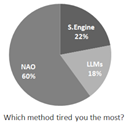
  • Which method took you the longest to do the work?
  • Which method would you use again in the next exercise?
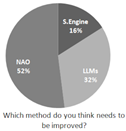
  • Which method do you think should be improved?
These questions allowed for a holistic understanding of the strengths and weaknesses of each method and their impact on students’ learning experiences.

3.5. Objectives and Outcomes

The primary objectives of this process were threefold:
  • Individual Performance Evaluation: To assess the performance of each method—Google’s search engine, Large Language Models, and the NAO robot—in providing accurate and relevant information.
  • Comparative Analysis: To compare the three methods in terms of reliability, speed, and accuracy of responses, as well as their usability and engagement levels.
  • Focus on Embodied Interaction: To evaluate the students’ experiences with the NAO robot, highlighting its potential as an innovative educational tool.
The integration of questionnaire feedback allowed for a nuanced analysis of how each method contributed to the students’ understanding of cultural heritage. These insights inform future applications of such technologies in educational settings and provide recommendations for improving their interactive and instructional design.

4. Analysis of Questionnaire Data

In this category, students evaluate the three methods of information search in parallel on the ease of use, speed, completeness and validity of the results.

4.1. 1st Category: Comparative Evaluation of Methods for Retrieving Cultural Heritage Information

Figure 5 illustrates the results of three questions:
  • Did you find the information you were looking for easily?
  • Did you have trouble finding information about cultural heritage?
  • Was the process of searching for information fun?
From the analysis, we conclude that search engines and LLMs are perceived as more effective in retrieving information compared to the NAO robot. However, the NAO poses more challenges in finding information, likely due to its limitations in handling queries. Despite this, the NAO robot provides a more engaging and enjoyable experience, possibly because of its interactive and humanoid nature.
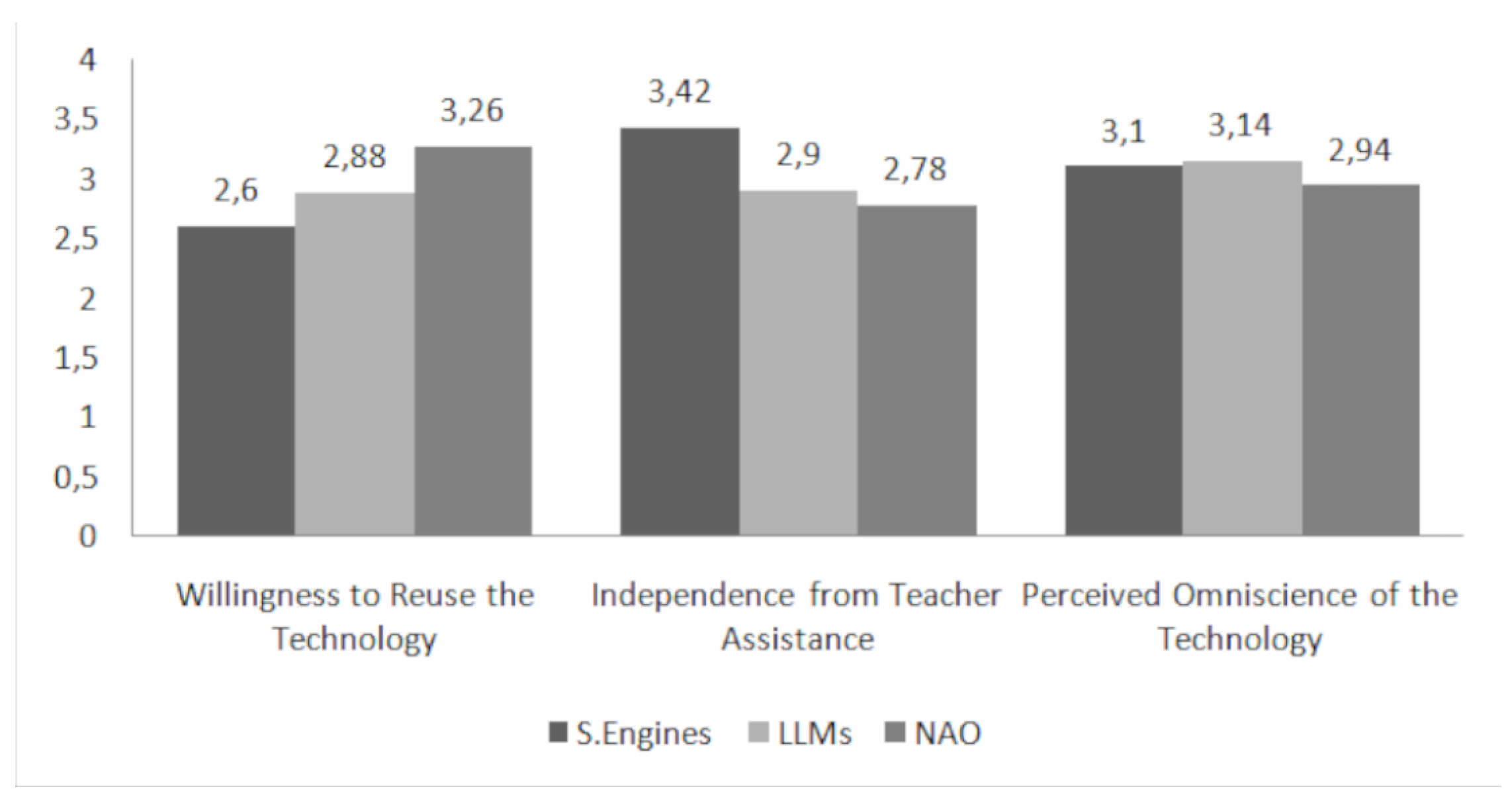
Figure 6 presents the results of the following questions:
  • Would you like to do more work with this technology?
  • Do you think you can use this technology without the help of the teacher?
  • Do you think this technology "knows" everything?
The findings show that students exhibit a stronger preference for further interaction with the NAO robot, likely due to its novelty. Search engines, however, are seen as the most user-friendly and autonomous, while the NAO may require more guidance. All three technologies are regarded as somewhat knowledgeable, though not omniscient.
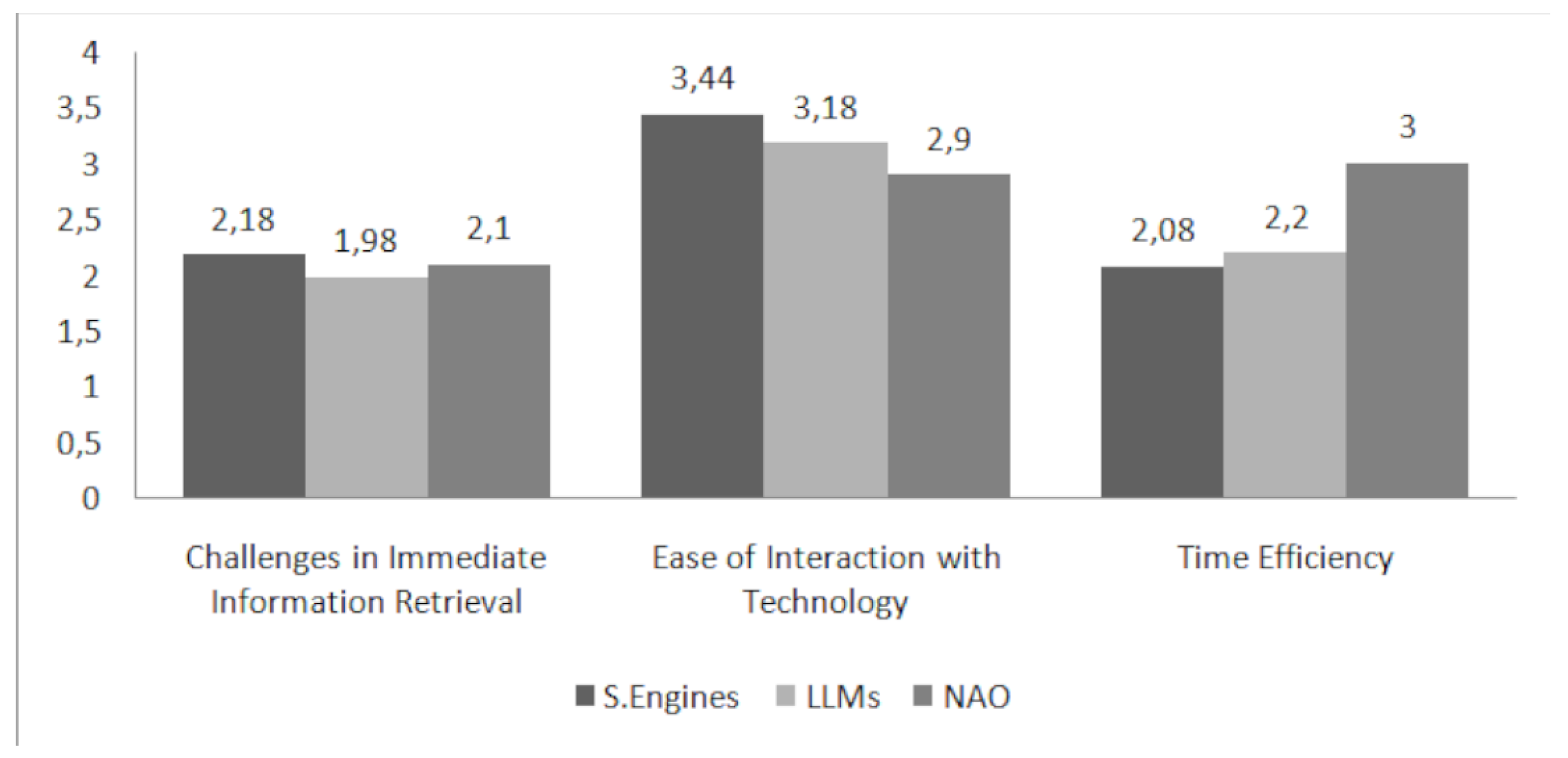
Figure 7 focuses on the responses to these questions:
  • Were there any questions you did not immediately find with this technology?
  • Do you find it easy to interact with this technology?
  • Did you spend a lot of time on each question?
The results suggest that all methods perform similarly when addressing direct queries. Search engines are considered the easiest to interact with, whereas the NAO robot may present usability challenges. Additionally, NAO requires more time per question, potentially due to its slower response or interaction process.
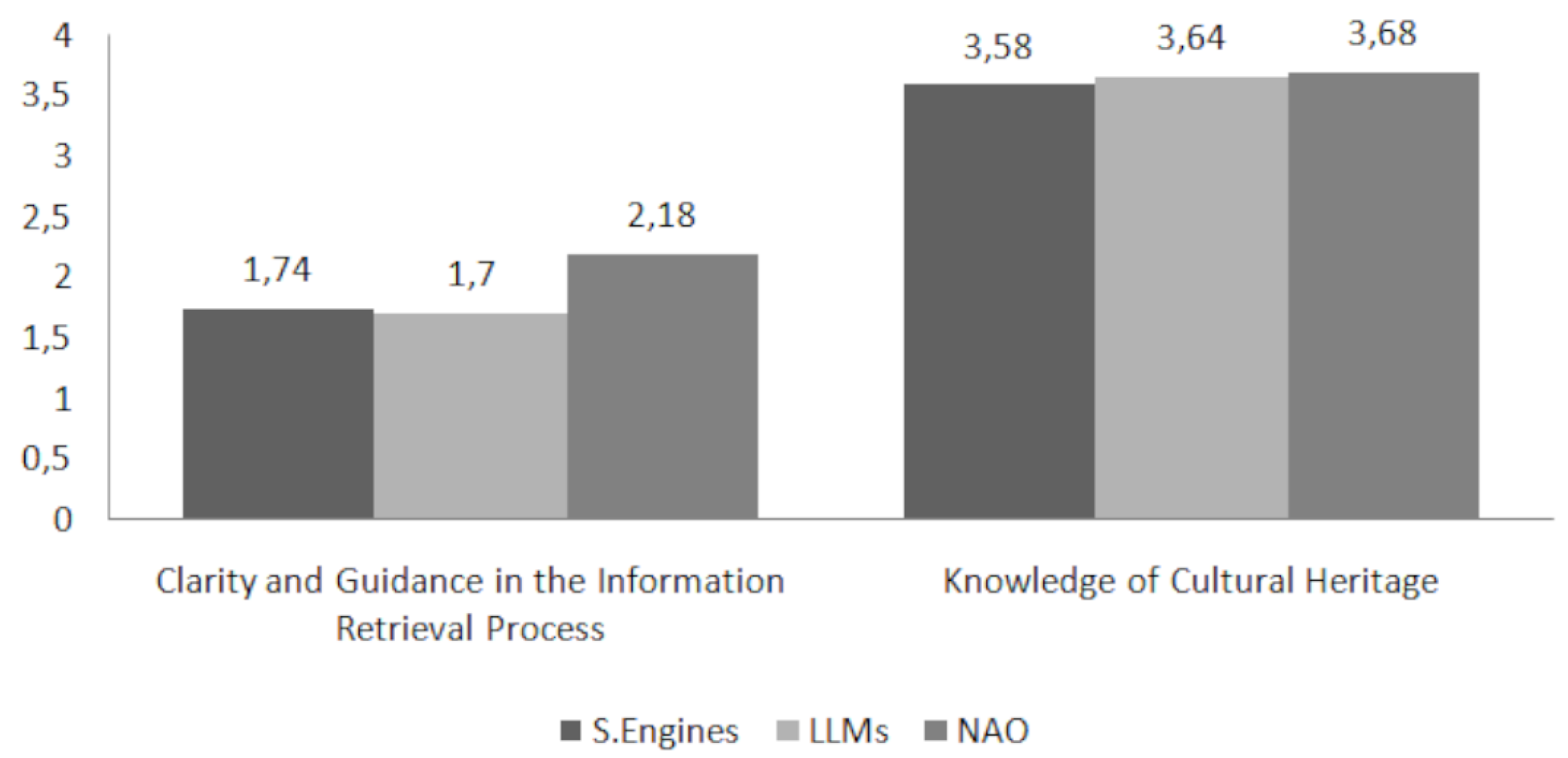
Figure 8 analyzes the final two questions:
  • Did this technology confuse you in your search for information?
  • Did each technology have knowledge of cultural heritage?
The responses indicate that NAO may have a steeper learning curve or a less intuitive design. Nonetheless, all three technologies are perceived as reasonably knowledgeable in cultural heritage.

4.2. Summary of Results of 1st Category

4.2.1. Search Engines: High Efficiency and Usability, Low Engagement

Search engines consistently scored higher in ease of use and autonomy, highlighting their role as a familiar and reliable tool for retrieving information. However, their lower scores in engagement and preference for future use suggest that while effective, they may not captivate students or sustain their interest over extended periods. It is concluded that search engines are suitable for tasks that require fast and accurate retrieval of information, but complementary methods may be needed to enhance student motivation and engagement.

4.2.2. LLMs: Balanced Usability and Engagement, Moderate Autonomy

LLMs showed a balance between usability and engagement, with scores close to search engines in ease of use and perceived knowledge. Their ability to provide tailored responses likely contributes to their moderate scores in engagement and future use. However, the lower score in autonomy suggests that students may still rely on guidance when interacting with these tools. LLMs can serve as versatile educational aids, supporting critical thinking and personalized learning, but their effectiveness depends on structured integration into the classroom

4.2.3. NAO Robot: High Engagement, Challenges in Efficiency and Usability

NAO outperformed both search engines and LLMs in engagement-related metrics, scoring highest in making the process fun and preference for future use. However, its lower scores in ease of use and autonomy, combined with higher time requirements and confusion, highlight challenges in its practical application. Despite these challenges, NAO scored slightly higher in perceived cultural heritage knowledge, suggesting that its humanoid interaction style may positively influence students’ perception of its expertise. All of the above leads us to the conclusion that NAO has significant potential as a motivational and engagement tool, especially for activities that require interactive or experiential learning. However, its usability and effectiveness need to be improved for wider adoption.

4.2.4. Comparison Between Engagement and Efficiency Across Methods

The data highlights a clear trade-off between engagement and efficiency: NAO excels in engaging students but lags in ease of use and speed, while search engines are efficient but less captivating. LLMs occupy a middle ground, offering moderate engagement and usability. An ideal educational strategy might involve combining these methods, leveraging search engines for efficiency, LLMs for personalized support, and NAO for fostering interest and enthusiasm in learning activities.

4.2.5. Cultural Heritage Knowledge Across Methods

All three methods scored similarly in perceived cultural heritage knowledge, with NAO slightly ahead. This suggests that students found all methods reasonably competent in providing relevant information, despite their differing interaction styles. The choice of method may depend more on pedagogical goals (e.g., engagement vs. efficiency) rather than the depth of cultural heritage knowledge provided.

4.3. 2nd Category: General Comparison of Information Retrieval Methods

In Table 1 we generally compare the use of the three technologies in terms of speed, reliability and enjoyment, while drawing suggestions for their future use.

4.4. Summary of Results of 2nd Category

Summarizing the data of 2nd category highlights distinct strengths and weaknesses across the three methods. Search Engines seem more reliable, familiar and fast but less engaging and less favored for future use. LLMs balanced performance, excelling in handling complex tasks and preferred for future exercises. NAO robot highly engaging and enjoyable but perceived as less efficient, more tiring, and in need of improvement.

4.5. 3rd Category: NAO-Specific Interaction

In this category we assess students’ interaction with the NAO robot and their general perception of the future of robotics.

4.5.1. Interaction and Acoustic Skills

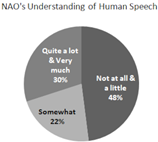
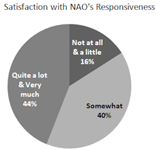
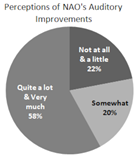
Table 2. Interaction and Acoustic Skills.
Question Graph Conclusion
NAO’s Understanding of Human Speech Preprints 147769 i009 The responses indicate mixed satisfaction with NAO’s ability to understand students, with a significant portion (24) expressing dissatisfaction. This suggests that NAO’s auditory recognition system may need improvement to better meet user expectations.
Satisfaction with NAO’s Responsiveness Preprints 147769 i010 The majority of students were either somewhat or highly satisfied with NAO’s responses, indicating that while there is room for improvement, NAO generally provides acceptable answers to student queries.
Perceptions of NAO’s Auditory Improvements Preprints 147769 i011 Most students (29) perceive improvements in NAO’s auditory system, which could reflect gradual adaptation or better understanding of its limitations over time.
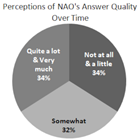
Perceptions of NAO’s Answer Quality Over Time Preprints 147769 i012 Responses are evenly distributed, with many students believing that NAO’s answers have room for improvement. This suggests that while NAO’s current performance is acceptable to some, others see significant potential for enhancement in its responses.
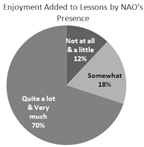
Enjoyment Added to Lessons by NAO’s Presence Preprints 147769 i013 The majority of students (35) found the interaction with NAO enjoyable, highlighting its ability to create an engaging classroom atmosphere.
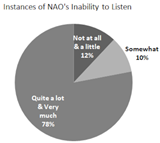
Instances of NAO’s Inability to Listen Preprints 147769 i014 A high number of students (39) reported that NAO frequently failed to listen, indicating a critical area for improvement in its auditory responsiveness.
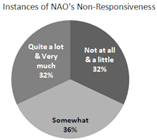
Instances of NAO’s Non-Responsiveness Preprints 147769 i015 The responses suggest that NAO occasionally fails to respond, which might disrupt the interaction flow and frustrate users.
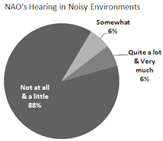
NAO’s Hearing in Noisy Environments Preprints 147769 i016 The overwhelming majority (44) reported that NAO struggled to hear in noisy environments, emphasizing the need for better noise-cancellation features.
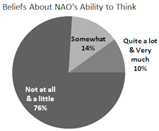
Beliefs About NAO’s Ability to Think Preprints 147769 i017 Most students (38) do not perceive NAO as capable of independent thought, reflecting its current limitations as a pre-programmed robot.
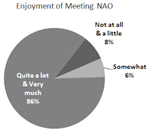
Enjoyment of Meeting NAO Preprints 147769 i018 The vast majority (43) enjoyed meeting NAO, showcasing its novelty and appeal as a humanoid robot in the classroom.

4.5.2. Perceptions of NAO and Robotics

Table 3. Perceptions of NAO and Robotics.
Question Graph Conclusion
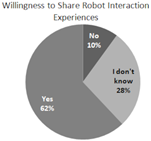
Willingness to Share Robot Interaction Experiences Preprints 147769 i019 Most students (31) would share their experience, suggesting that interacting with NAO is a unique and exciting event worth discussing.
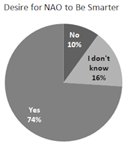
Desire for NAO to Be Smarter Preprints 147769 i020 The majority (37) would prefer a smarter NAO, reflecting students’ desire for more advanced capabilities.
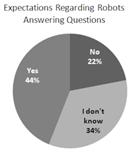
Expectations Regarding Robots Answering Questions Preprints 147769 i021 While many (22) expected NAO to answer questions, a significant portion (28) were either uncertain or skeptical, indicating mixed prior expectations.
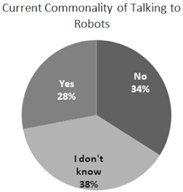
Current Commonality of Talking to Robots Preprints 147769 i022 Responses suggest that robot interactions are not yet widely perceived as common, highlighting the novelty of such experiences.
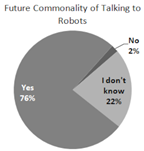
Future Commonality of Talking to Robots Preprints 147769 i023 Most students (38) believe that robot interactions will become common, reflecting optimism about the future of robotics.
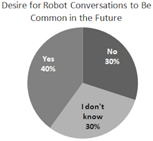
Desire for Robot Conversations to Be Common in the Future Preprints 147769 i024 A smaller majority (20) support the idea of frequent robot conversations, indicating some hesitation about widespread adoption.

4.6. Summary of Results of 3rd Category

Students generally enjoy interacting with NAO and find it engaging, which could enhance classroom dynamics. Many are optimistic about the future of robotics and see potential in NAO’s capabilities. NAO’s auditory skills and responsiveness need significant improvement, especially in noisy environments. The inability to hear well in such conditions (44 students rating it poorly) stands out as a major disadvantage, potentially affecting its effectiveness in real-world educational settings. Many students view NAO as limited in its thinking and autonomy. Enhancing NAO’s intelligence and interaction capabilities could address current challenges and make it a more effective educational tool.

5. Discussion

The findings of this study reveal distinct strengths and weaknesses across the three methods of cultural heritage information retrieval—search engines, large language models (LLMs), and the NAO robot. These insights provide valuable guidance for integrating these tools into educational settings and highlight areas for improvement to maximize their effectiveness.

5.1. Efficiency vs. Engagement

A clear trade-off emerged between engagement and efficiency among the three methods. Search engines excelled in ease of use (3.44) and autonomy (3.42), reflecting their familiarity and reliability as tools for quick and accurate information retrieval. However, their lower scores in engagement (2.76 for "fun") and preference for future use (2.6) suggest that they may struggle to sustain student interest over extended periods. These findings align with previous studies that emphasize the need for interactive and engaging elements to complement traditional information retrieval tools in education.
In contrast, the NAO robot stood out as the most engaging method, scoring highest in making the process fun (3.92) and preference for future use (3.26). This supports existing literature on the motivational potential of humanoid robots in educational contexts. However, NAO’s lower scores in ease of use (2.9) and autonomy (2.78), combined with challenges in auditory responsiveness, particularly in noisy environments, underscore significant usability limitations. These issues could hinder its broader adoption unless addressed through targeted improvements in design and functionality.
LLMs occupied a middle ground, balancing usability and engagement. With moderate scores in ease of use (3.18) and engagement (3.2 for "fun"), LLMs demonstrated versatility as educational tools. Their tailored responses likely contributed to their perceived knowledgeability (3.64) and preference for handling complex tasks. However, the lower autonomy score (2.9 for "use without teacher help") suggests that structured classroom integration and teacher guidance remain essential for maximizing their potential.

5.2. Students’ Perception of Robots

The findings highlight a significant shift in how students perceive the role of robots in education and society. Many students view the concept of a robot providing information as increasingly natural, with 36 out of 50 expressing optimism that robot interactions will become commonplace in the future. This perspective aligns with their belief that such advancements are not only logical but inevitable, reflecting the growing integration of AI and robotics in daily life. Furthermore, a considerable number of students (19 out of 50) expressed a desire for robot conversations to become more prevalent, signaling a forward-looking attitude toward technological progress. This enthusiasm underscores the potential for humanoid robots like NAO to play a transformative role in education, fostering curiosity and engagement while preparing students for a future where human-robot interactions are routine. However, it is equally important to guide students in developing a critical attitude toward new technologies. While these tools hold great promise, they can also present inaccuracies and controversial results. Educators should emphasize the importance of evaluating information critically to ensure students become discerning and responsible users of technology.

5.3. Cultural Heritage Knowledge and Pedagogical Goals

Interestingly, all three methods scored similarly in perceived cultural heritage knowledge, with NAO slightly ahead (3.68). This suggests that students found all methods reasonably competent in providing relevant information, despite their differing interaction styles. Therefore, the choice of method may depend more on pedagogical goals—such as fostering engagement versus prioritizing efficiency—rather than the depth of knowledge provided. These findings resonate with prior research emphasizing the importance of aligning technological tools with specific educational objectives.

5.4. NAO’s Acoustic Challenges

NAO’s auditory limitations, particularly in noisy environments, emerged as a significant disadvantage. With 44 students rating its ability to hear poorly, this issue could severely impact its effectiveness in real-world classroom settings. Addressing this limitation is critical for enhancing NAO’s utility as an educational tool. Improvements in auditory processing and environmental adaptability could mitigate these challenges and unlock its full potential as a motivational and engaging learning assistant.

5.5. Future Orientations and Recommendations

The evidence suggests that an ideal training strategy could involve a combination of these methods. Search engines can provide efficiency and reliability, LLMs can provide personalized support and critical thinking opportunities, and NAO can enhance interest and enthusiasm through interactive and experiential learning. Future research should explore how these tools can be effectively integrated to complement each other and address their individual weaknesses. An obvious solution would be for the NAO to integrate the technology of LLMs, essentially giving a humanoid dimension to the large language models. Furthermore, further development of the listening and interaction capabilities of the NAO could significantly improve its usability and expand its role in education.
In conclusion, while each method has its unique strengths and weaknesses, their combined use could provide a comprehensive approach to enhancing cultural heritage education. By aligning these tools with specific pedagogical goals and addressing their limitations, educators can create engaging, efficient, and effective learning experiences for students.

Author Contributions

Conceptualization, N.F.; methodology, N.F.; validation, N.F., G.T.; formal analysis, N.F.; investigation, N.F.; resources, N.F.; data curation, N.F.; writing—original draft preparation, N.F.; writing—review and editing, N.F. and G.T.; visualization, N.F.; supervision, G.T. and G.C.; funding acquisition, G.T. All authors have read and agreed to the published version of the manuscript.

Funding

This research received no external funding.

Informed Consent Statement

Informed consent was obtained from all subjects involved in the study.

Data Availability Statement

The research data can be made available upon request.

Conflicts of Interest

The authors declare no conflicts of interest.

Abbreviations

The following abbreviations are used in this manuscript:
LLM Large Language Model
STEM Science Technology Engineering Mathematics
GPT Generative Pre-trained Transformer
AI Artificial Intelligence
ASD Autism Spectrum Disorder

References

  1. Company, T.B.R. Educational Robot Global Market Report. 2024; Accessed on September 9, 2024. [Google Scholar]
  2. Eguchi, A.; Uribe, L. Robotics to promote STEM learning: Educational robotics unit for 4th grade science. In Proceedings of the 2017 IEEE Integrated STEM Education Conference (ISEC); 2017; pp. 186–194. [Google Scholar] [CrossRef]
  3. Benitti, F.B.V.; Spolaôr, N. How Have Robots Supported STEM Teaching? In Robotics in STEM Education: Redesigning the Learning Experience; Khine, M.S., Ed.; Springer International Publishing: Cham, 2017; pp. 103–129. [Google Scholar] [CrossRef]
  4. Evripidou, S.; Georgiou, K.; Doitsidis, L.; Amanatiadis, A.A.; Zinonos, Z.; Chatzichristofis, S.A. Educational Robotics: Platforms, Competitions and Expected Learning Outcomes. IEEE Access 2020, 8, 219534–219562. [Google Scholar] [CrossRef]
  5. Alimisis, D. Educational robotics: Open questions and new challenges. Themes in Science and Technology Education 2013, 6, 63–71. [Google Scholar]
  6. Shamsuddin, S.; Ismail, L.I.; Yussof, H.; Ismarrubie Zahari, N.; Bahari, S.; Hashim, H.; Jaffar, A. Humanoid robot NAO: Review of control and motion exploration. In Proceedings of the 2011 IEEE International Conference on Control System, Computing and Engineering; 2011; pp. 511–516. [Google Scholar] [CrossRef]
  7. Amirova, A.; Rakhymbayeva, N.; Yadollahi, E.; Sandygulova, A.; Johal, W. 10 Years of Human-NAO Interaction Research: A Scoping Review. Frontiers in Robotics and AI 2021, 8. [Google Scholar] [CrossRef]
  8. Urdanivia Alarcon, D.A.; Cano, S.; Paucar, F.H.R.; Quispe, R.F.P.; Talavera-Mendoza, F.; Zegarra, M.E.R. Exploring the Effect of Robot-Based Video Interventions for Children with Autism Spectrum Disorder as an Alternative to Remote Education. Electronics 2021, 10. [Google Scholar] [CrossRef]
  9. Brienza, M.; Laus, F.; Guglielmi, V.; Carriero, G.; Grisolia, M.; Palermo, G.; Pierri, F.; Turi, M.; Muratori, F.; Bloisi, D.; et al. HRI-based Gaze-contingent Eye Tracking for Autism Spectrum Disorder Treatment: A preliminary study using a NAO robot. In Proceedings of the 2023 32nd IEEE International Conference on Robot and Human Interactive Communication (RO-MAN); 2023; pp. 2665–2670. [Google Scholar] [CrossRef]
  10. Johal, W. Research Trends in Social Robots for Learning. Current Robotics Reports 2020, 1, 75–83. [Google Scholar] [CrossRef]
  11. Ayeni, O.O.; Hamad, N.M.A.; Chisom, O.N.; Osawaru, B.; Adewusi, E. AI in education: A review of personalized learning and educational technology. GSC Advanced Research and Reviews 2024. [Google Scholar]
  12. Atlas, S. ChatGPT for higher education and professional development: A guide to conversational AI. Digital Commons URI 2023. [Google Scholar]
  13. Bungert, K.; Bruckschen, L.; Müller, K.; Bennewitz, M. Robots in Education: Influence on Learning Experience and Design Considerations. In Proceedings of the 2020 European Conference on Education (ECE); 2020; pp. 229–246. [Google Scholar] [CrossRef]
  14. Banaeian, H.; Gilanlioglu, I. Influence of the NAO robot as a teaching assistant on university students’ vocabulary learning and attitudes. Australasian Journal of Educational Technology 2021, 37, 71–87. [Google Scholar] [CrossRef]
  15. Buchem, I.; Thomas, E. A BREATHING EXERCISE WITH THE HUMANOID ROBOT NAO DESIGNED TO REDUCE STUDENT STRESS DURING CLASS: RESULTS FROM A PILOT STUDY WITH STUDENTS IN HIGHER EDUCATION. In Proceedings of the ICERI2022 Proceedings. IATED, 7-9 November, 2022 2022, 15th annual International Conference of Education, Research and Innovation; pp. 6545–6551. [CrossRef]
  16. Baumann, A.-E.; Goldman, E.J.; Meltzer, A.; Poulin-Dubois, D. People Do Not Always Know Best: Preschoolers’ Trust in Social Robots. Journal of Cognition and Development 2023, 24, 535–562. [Google Scholar] [CrossRef]
  17. Podpečan, V. Can You Dance? A Study of Child–Robot Interaction and Emotional Response Using the NAO Robot. Multimodal Technologies and Interaction 2023, 7. [Google Scholar] [CrossRef]
  18. Gressmann, A.; Weilemann, E.; Meyer, D.; Bergande, B. Nao Robot vs. Lego Mindstorms: The Influence on the Intrinsic Motivation of Computer Science Non-Majors. In Proceedings of the Proceedings of the 19th Koli Calling International Conference on Computing Education Research, New York, NY, USA, 2019. Koli Calling ’19. [Google Scholar] [CrossRef]
  19. Valagkouti, I.A.; Troussas, C.; Krouska, A.; Feidakis, M.; Sgouropoulou, C. Emotion Recognition in Human–Robot Interaction Using the NAO Robot. Computers 2022, 11. [Google Scholar] [CrossRef]
  20. Ruofei Zhang, D.Z.; Cheng, G. A review of chatbot-assisted learning: pedagogical approaches, implementations, factors leading to effectiveness, theories, and future directions. Interactive Learning Environments 2023, 0, 1–29. [Google Scholar] [CrossRef]
  21. Liang, W.; Wu, Y. Exploring the use of ChatGPT to foster EFL learners’ critical thinking skills from a post-humanist perspective. Thinking Skills and Creativity 2024, 54, 101645. [Google Scholar] [CrossRef]
  22. Berglez, D.; Kerneža, M. Integrating Generative Language Models in Lesson Planning: A Case Study; University of Maribor Press, 2024; pp. 183–202. [Google Scholar] [CrossRef]
  23. Mutawa, A.M.; Al Mudhahkah, H.M.; Al-Huwais, A.; Al-Khaldi, N.; Al-Otaibi, R.; Al-Ansari, A. Augmenting Mobile App with NAO Robot for Autism Education. Machines 2023, 11. [Google Scholar] [CrossRef]
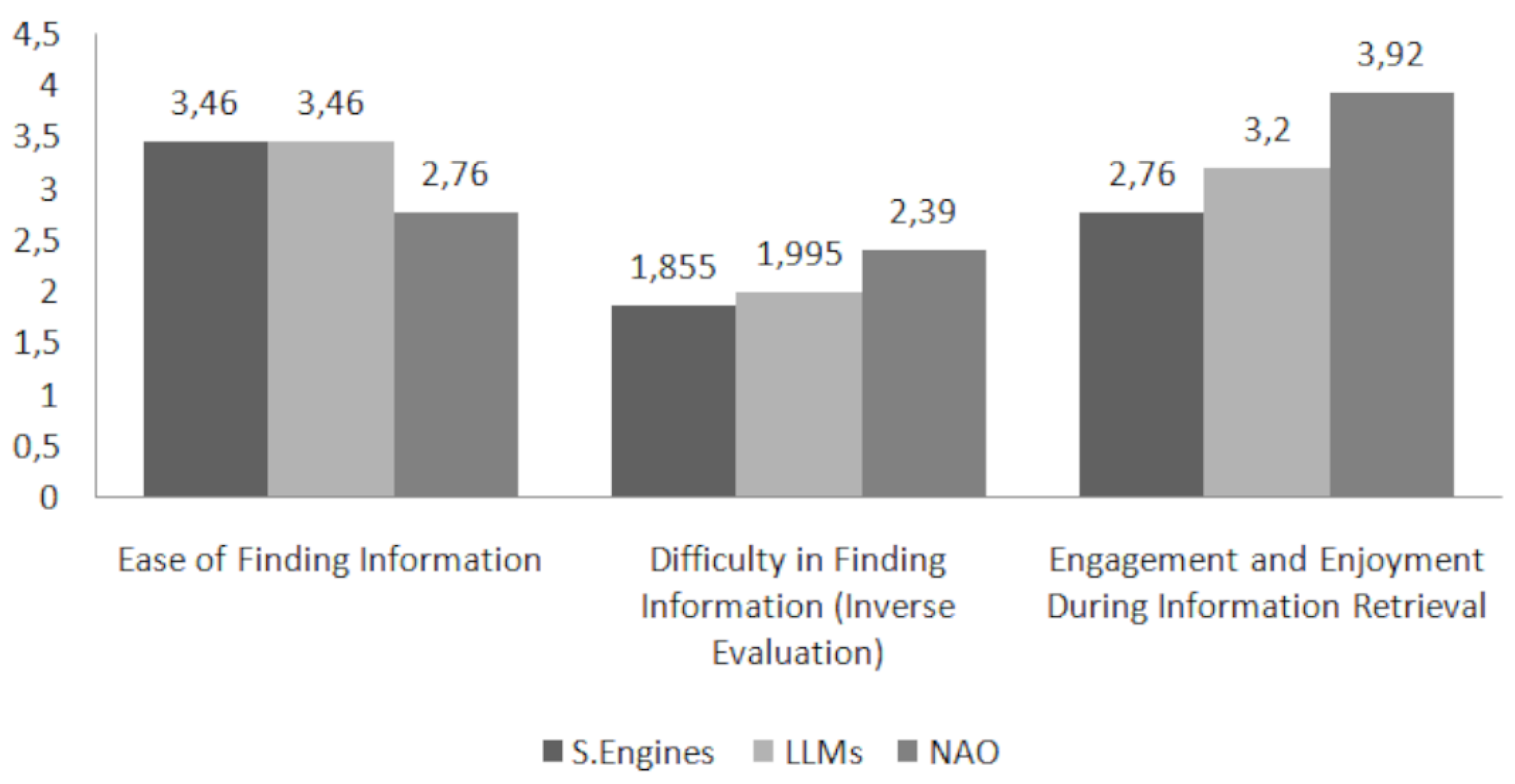
Figure 5. Challenges and enjoyment in information retrieval.
Preprints 147769 g005
Figure 6. Student engagement, independence, and perceived competence of technology.
Preprints 147769 g006
Figure 7. Interaction, usability, and time efficiency.
Preprints 147769 g007
Figure 8. Clarity and knowledge in information retrieval.
Preprints 147769 g008
Table 1. General Comparison of Information Retrieval Methods.
Question Conclusion
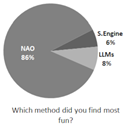
Engagement and Enjoyment Preprints 147769 i001 NAO was overwhelmingly chosen as the most fun method (43 out of 50 students), far surpassing search engines and LLMs (3 and 4 votes, respectively). NAO’s interactive and humanoid characteristics resonate strongly with students, making it an engaging choice for activities prioritizing enjoyment.
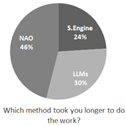
Efficiency and Speed Preprints 147769 i002 The data on time consumption in method use reveals that students spent the least time using search engines (12), followed by LLMs (15), while the NAO robot required the most time (23). This suggests that search engines are the most time-efficient tool for retrieving information, likely due to their straightforward interface and familiar usage patterns.The NAO robot, demands significantly more time.
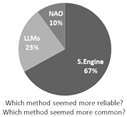
Reliability and Familiarity Preprints 147769 i003 Search engines and LLMs were equally perceived as the most reliable methods (20 and 21 votes, respectively), with NAO trailing at 9 votes. Search engines were overwhelmingly seen as the most common method (47 votes), underscoring their familiarity and integration into students’ daily lives. Familiarity and reliability make search engines and LLMs dependable choices, while NAO might require additional training or familiarity to build trust.
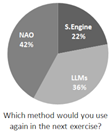
Future Preferences Preprints 147769 i004 Students showed a balanced preference for using NAO (21 votes) and LLMs (18 votes) in future exercises, with search engines trailing (11 votes). While search engines remain a default choice, the novelty and interactive nature of NAO and the adaptability of LLMs appeal to students for future use.
Areas for Improvement Preprints 147769 i005 NAO was identified as the method most in need of improvement (26 votes), followed by LLMs (16 votes) and search engines (8 votes). NAO’s lower usability and efficiency likely drive this perception, indicating areas for refinement in its design and functionality.
Fatigue and Cognitive Load Preprints 147769 i006 NAO was reported as the most tiring method (30 votes), significantly more than search engines (11 votes) and LLMs (9 votes). The cognitive and physical effort required to interact with NAO may detract from its overall effectiveness, particularly for longer or more complex tasks.
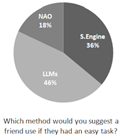
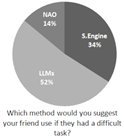
Task Recommendations Preprints 147769 i007 Students recommended LLMs for difficult tasks (23 votes), followed by search engines (18 votes) and NAO (9 votes).For easier tasks, search engines and LLMs were nearly tied (17 and 26 votes, respectively), with NAO trailing (7 votes). LLMs’ adaptability and ability to handle complex queries make them the preferred choice for challenging tasks, while search engines remain a go-to option for straightforward needs.
Preprints 147769 i008
Disclaimer/Publisher’s Note: The statements, opinions and data contained in all publications are solely those of the individual author(s) and contributor(s) and not of MDPI and/or the editor(s). MDPI and/or the editor(s) disclaim responsibility for any injury to people or property resulting from any ideas, methods, instructions or products referred to in the content.
Copyright: This open access article is published under a Creative Commons CC BY 4.0 license, which permit the free download, distribution, and reuse, provided that the author and preprint are cited in any reuse.
Prerpints.org logo

Preprints.org is a free preprint server supported by MDPI in Basel, Switzerland.

Subscribe

Disclaimer

Terms of Use

Privacy Policy

Privacy Settings

© 2025 MDPI (Basel, Switzerland) unless otherwise stated