
Submitted:
31 January 2025
Posted:
04 February 2025
You are already at the latest version
Abstract
Immunology is a branch of medicine that studies the immune system and its pathology. There are known scientific informations, that in medical immunology specific tests performed in the laboratory for diagnosis. In addition good to mention that allergies include medical diagnostic methods such as blood tests. Also there are used for detection the presence and the levels of IgE antibodies. These antibodies are produced by the human immune system in contact with certain allergens. Examples of allergens include for example pollen, house dust, some herbs or molds, some animals and certain foods. If a person has an allergy, their immune system overreacts to an allergen by producing antibodies, called Immunoglobulin E (IgE). Currently within the present describtion aim to discuss some aspects reffering to fungal allergen and mold allergy diagnosis, in a briefly following steps of our purposed shortly review.
Keywords:
allergens
; diagnosis
; allergy
; treatment
; management
1. Introduction
Allergic pathology is better known as a disease with a higher incidence nowadays. Mold within simptoms in peoples, caused diagnosed diseases as allergy and asthma and is a type of fungus that produces spores which float through the air., as it is known from the past. [12] A mold source can send the spores into the air, which are dangerous from healthy. In how they reproduce and grow, molds are specific from plants and also distinct to the animals. Spores causes allergic reactions in people. [3] Many questions and unclear things are in scientific world, about the patho-mechanism of allergic diseases. In principle researchers try to test allergens for a proper diagnostic and also for a good treatment which is specific for each patient. Symptoms from allergy for fungus spores are common in restrictive period of time. Allergens, in the spring become dangerous but in the winter become inactive. Many molds grow routinelly in different places. Unfortunatelly pollen, molds do not die so easy. Also, most outdoor molds become dangerous. [4] Researchers and their studies, try to find, pathophysiology mechanism about mold allergy diagnostic . In this context, results of studies, conduct to conclude about fungal allergy prevalence and immunotherapy efficacy. More than it is important to establish as well the diagnosis and therapy of fungal allergy.
During history, in 1921, was studied the first existence of a presumptive substance with a respons to hypersensitivity. This research directions was demonstrated by Ishizakas and co-workers. Than WHO International Reference Centre for Immunoglobulin, told plenary about previously mentioned informations reffering to the immunology implied in allergy and concretly scientists told plenary about the presence of a fifth immunoglobulin isotype, IgE. Referring to IgE and allergy, Coombs and Gell pointed reactions types in allergy as I, II, III. [5] Different studies and their finally discussions and results, show us that the simptoms of allergens on the peoples, affecting health, play a role also in the environmental life medium. [6] The clinical manifestations, signs and simptoms of hypersensitivity reactions, affect sensible organs to peoples from differents groups of age and from different areas of life as urban or rural areas of residence. [7] [8] In context referring to alergic diseases, human individs sensible to mold has different signs and simptoms, more severe in asthma, comparing for example, with allergic rhinitis [9] Important to know and to present a very poor shortage about treatment directions in allergic diseases. We have not enough knowledges from practicum, about importance of AIT for treat and for cure allergy, if possible maybe. The important thing reffering to AITs for different molds is a lack of standardized extract allergens. [10] The European Academy of Allergology and Clinical Immunology (EAACI) did not recommended AIT for mold extracts in tratment to youth. As a true curiosity, lack of efficacy and safety, was observed of mold extracts therapy.[11] Nowadays, not many results of specific research studies, referring to the usage of fungal extracts for immunotherapy. report a relatively poor reduction in signs and symptoms, in patients diagnosed with allergic disease. [12,13,14]
2. Traditional Knowledges on Allergy
Not new,that allergy has shown a higher prevalence in the last few decades. From past history, in the nineteenth century, has been started allergology as a scientific medical field of study. The central descriptions has been the hay fever. In the twentieth century research studies had in attention the anaphylaxy. Also the research conduct to routinally applications, as Prausnitz-Küstner test and IgE discovery. Another preoccupation in medicine was on T-cell description with subsets Th1 and Th2., knowing as an important progress in medicine and more exactly in immunology. Reffering to alergy and environment, including the role of pollutants in allergy, it is known that are more and different types of factors and products in environment.All of them has a bad impact on healthy. Figure 1.
During years, scientific medical progress in allergy diagnostic, has in attention, laboratory tests, which are used basophils and mast cells. In this direction, allergen-specific immunotherapy was introduced also for allergy diagnostic. Also the first description to histamine was a great knowledge for medical purpose and in addition leukotrienes were also detected. In progressive experimental medicine for allergology and immunology field of research, medicins for therapeutics have been discovered, for practicum applications, related atopy.[15] Allergy was defined and also anaphylaxy. In 2005, an interdisciplinary team, named as experts, pointed the recognition of negative simptome in allergy disease, knowing as anaphylaxia. More than, in addition, experts designated the criteria for allergy and connected comorbidities, diagnosed. [16] Actually, it is know that allergy and immune system overreacts to a specific allergen. Then it follows antibodies production known such as Immunoglobulin E (IgE). Figure 2 and Figure 3
There are two types of Fcε receptors:
3. Nowadays Diagnosis Principles in Allergy to Fungi
Nowadays, there are knowledges about the guideline (S2k) reffering to allergen-specific immunotherapy (AIT), as a specific therapy with a great purpose in modifying effects of allegic disease. In this direction, using allergen extracts, could be possible antibodies bloking activated. Beside previously mentioned idea, in reaction following steps, mediators and tolerance-inducing cells, are also activated. This pathophysiologically mechanism together with others specific points, play a role in prevention of exacerbation of the allergen-triggered immune response. Finally point, is blocking the specific immune response with attenuation in the inflammatory tissue response. [17] Pathophysiology in allergy, is complex. There are different mechanisms depending on the basic cause. In one of pathological way, we can tell about haptens. So, the hapten (drug) binds directly to connective cells as mast cells, with implications in the immune system. Connective cells, concretlly mast cells proceed to degranulation. Then, is released histamines. and also chemotaxis. [18] [19] Medications can become immunogenic, knowing informations by this smallest covalently structures. This little compounds could be observe, as specifc structures forming hapten complex. The human leukocyte antigen (HLA) molecules is an important end point in pathophisiology mechanism of allergy. In addition we can mention that in the liver metabolism, cytochrome P450 enzymes play a role, forming metabolites then become pro-haptens. [20,21] There are knowledges reffering to a concept of a direct immune response to drugs and other biologic products for therapies that use proteins in order to stimulate a proper response. Nowadays, in allergy diagnosis, in research activity, genetic compounds is important, in attention with TCRs and HLA. Some drugs, which produce a specific reaction, are also in research attention. At the end of alergic pathology reactions, in the human body, could be observe a specific systemic symptoms, as drug-induced hypersensitivity syndrome, (DRESS/DiHS) and additionally blood hemoleucogram modifications with an eosinophilia [22,23,24,25] PilA model is also important to mention in this field. [23] Actually knowing about very complex signs of allergy pathology, we can mention that there are not enough studied in this diseases, to look for specific symptoms to patients.[26,27] Figure 4
Risk factors for disease:
1. Chronic obstructive pulmonary disease (COPD), disease with allergic subacute reactions to patients after medication administration.
2. Cardiac and hypertensive patients, diagnosed also with allergy,blockers inhibitors are using for treatment [28]
People must be carefully to daily diet in allergy, in order to avoid negative simptoms. So, there are known types of foods which contain various substances with a bad potential in inducing anaphylaxis signs in allergic persons. [29,30,31] Concluding, in illnes persons, diagnosed with allergy, anaphylaxis should be take into consideration.[32,33]
Reffering to epidemiology of allergy, laboratory diagnostic criteria are signifiant. Allergic rhinitis is also a common pediatric disease. Pathophysiology of allergic rhinitis with Th2 responses in disease mechanism and also pharmacological and immuomodulating therapy are proper for treat. Prevalence in allergic rhinitis (AR) has increased significantly. [34,35,36] We can mention that in allergic rhinitis , commonly pathology to children, could be observe developing symptoms as early age, starting with 6 years old. [37 - [39] Common allergens include an enlarge types [40,41] Antihistamines are used as medication to treat allergic rhinitis.[42,43,44] , In allergen immunotherapy (AIT) blood cells as basophil cells, can demonstrate a potential tolerogenic roles of IgE/FcεRI signaling in DCs in the setting of AIT. [45] Important to mention that cytokines profiling was investigated in allergic rhinitis treatment. [46] Connective cells as basophils are mediators with a great role in initiating early phase responses in allergic rhinitis. Long- term therapy can reduce the threshold of basophil activation, which highlights the importance of AIT in treatment with a finally end point stopping the disease progression. [47]In allergic rhinitis (AR) diagnosed, nasal epithelial cells were used samples. RNA samples were extracted from previously mentioned mucosa, for laboratory analyse.[49] Diagnosis in allergy is more challenging in patients with dual AR (DAR). Relatively recently defined AR phenotype is a great key point for future diagnosis in allergy. In this mentioned circumstance, the DAR patients display perennial and seasonal allergies-related nasal symptoms. [50,51]
4. Briefly on the Immune System with Long Term Implications
Actually, we are living in allof the world, in a life with different ways which implies alterations in the normal homeostasis. This is happened because exist microbes with pathogenity and non-pathogenity proprieties. From a normality in the function of the body, implied tissues and organs, we are know about microbes specific for the human intern microbiota and togrther with this also dangerous microbes into the human body, with implications in the normal functionality and with a high impact on the healthy In conditions that microbes affect tissues and organs is possible to become ill, each person from our present life from the world.
To the each person, the immune system has evolved aiming to protect the specific host from pathogenic microbes that conduct to diseases. So, in this idea, we can tell a little bit about the ability of the immune system for helping the host to protect themself. For this purpose, is important for the host having ability to eliminate toxins and/ or allergens.
Taking into considerations previously mentioned, most important is to mention about immune system’s ability to mobilize a specific response to a dangerous pathogen, such as toxin or allergen substance. Finally point in this direction, is the ability to distinguish self from non-self.
Reffering to toxins, it is know that thay could be ableto to be a cause for a human subject or for a host, making possible instalation of an ilness status.
The immune system with their great implications, is able to detect structural characteristics specific to toxins or to pathogens. This is important for host cells. Finally for the host is important they ability having the purpose eliminate damaging products from the cells, tissues, and organs.
Above mentioned information, conduct to constituents from namely innate immune response. Figure 5a. Because the recognition molecules used by the innate system are expressed broadly on a large number of cells, So, innate immune system act faster aftert hat a dangerous external pathogen or toxin appear and from the host needed to give a proper answer. More than, in the secondary plan, the second set of answers, conduct to making the adaptive immune response. Figure 5b.
Numerically, not more numbers of cells, comosed the adaptive system.This cells are specifically for toxins, alergens s.a. For finally answer, specific cells must answer in order to generate a proper answer.namely adaptative, concretly response to toxin, alergen, s.a. In this ideea, we can mention that the innate response includes proteins and small molecules that could be possible showing in biological fluids.[52,53,54] For an adaptive answer, there are knowing a litthe bit about exisiting of the produces long-lived cells that exist persist as dormants cells.
The innate immune system includes all aspects reffering to the host’s immune defense mechanisms. The germ-line genes of the host, play a great role..[52,53,54]
Scientists, conclude that the innate and adaptive immune systems are contrasly describes.
Also it is knowing that immune systems chategories, act together. In the first line of the host defense, the innate answer is important. Secondary, after several days, come answer refering to antigen-specific T and B cells as response Lastly, the innate immune system includes membrane bound receptors and cytoplasmic proteins that bind molecular patterns expressed on the surfaces of invading microbes. The innate host defenses are constitutively active. The mucociliary blanket overlying many epithelia and others are activated following interactions of host cells or host proteins with chemical Adaptive answers, are refering to the antigen-specific receptors expressed on the surfaces of T- and B-lymphocytes. It is know informations refering the germ-line-encoded recognition molecules of the innate immune response. In this context, are knowing information refering to the typically B cells antigen receptor. Also good to mention about innate system compounds. They fully contribute to the activation process refering to the implications of antigen-specific cells, which contribute to their answer amplification. The innate and the adaptive immune answer, act different in their mechanisms of action but with an essential role in the immune response.
The mechanism of forming the fully complement of immune system cells is good to know. This medical scientific process has a start when a pluripotent hematopoietic stem cell. So this is differentiates into the knowing namely myeloid progenitor cell or the common lymphoid progenitor.
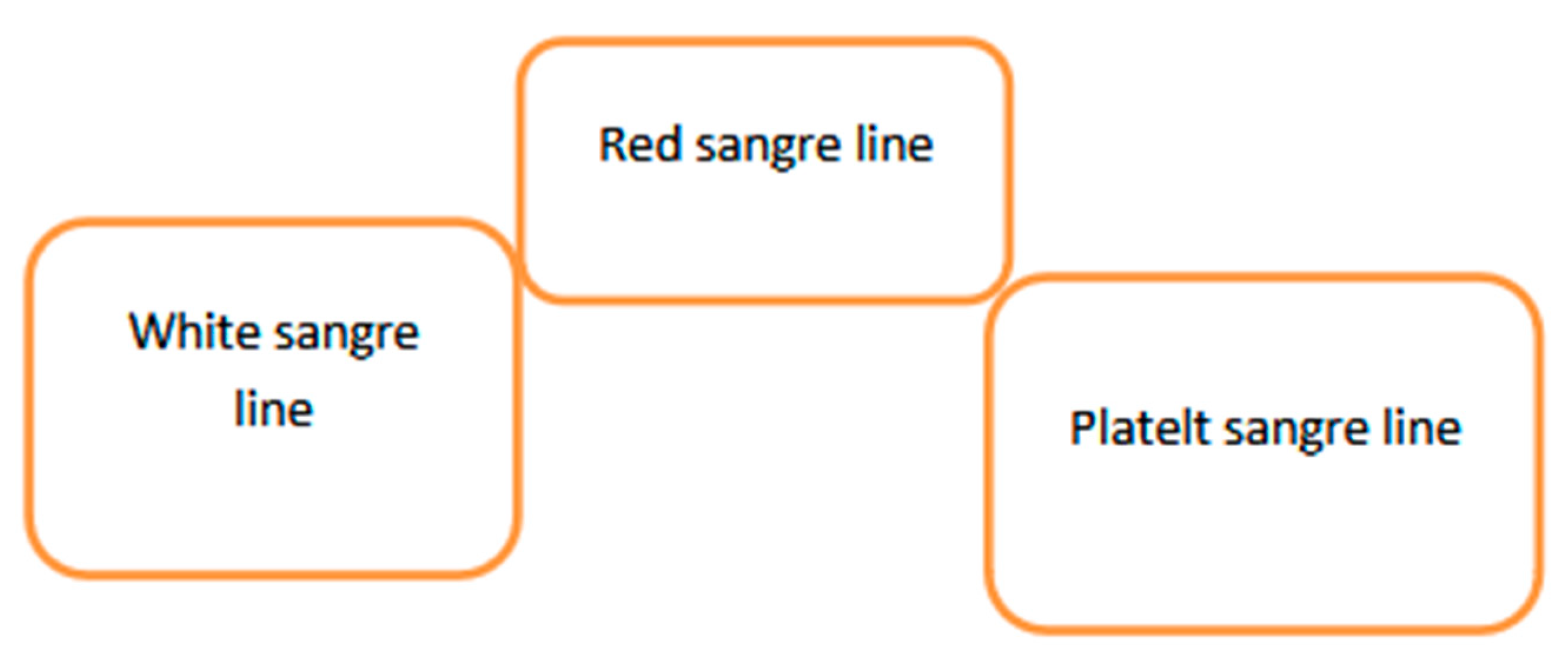
About myeloid stem cells, knowing also as myeloid progenitors, give rise to the specific cells such as erythrocytes. granulocytes, megakaryocytes and platelets.
Concretlly we can mention role of the neutrophils, monocytes, macrophages, eosinophils, basophils, and mast cells.
In platelets also release immunologically significant mediators that expand their role in hemostasis. From another perspective we can mention that the common lymphoid progenitor differentiates further into the four major populations of mature lymphocytes: B cells, T cells, natural killer (NK) cells, and NK-T cells [55] NK-T cells share characteristics of both NK cells and T cells.[56]
5. Conclusions
The currently describeing knowledges in the field of allergy between fungal allergens and human subjects, and also established the diagnosis and treatment , offer us a complex vision. For the future, hope to find into the research studies, proper knowledges in this field, with applicability in routine practice.
References
- D'AmatoG, SpieksmaFT. Aerobiologic and clinical aspects of mould allergy in Europe. Allergy 1995; 50(11):870-7. [CrossRef] [PubMed]
- RickEM, WoolnoughK, PashleyCH, WardlawAJ. Allergic Fungal Airway Disease. J Investig Allergol Clin Immunol 2016; 26(6):344-54.
- DziadzioL, BushRK . Assessment and control of fungal allergens. Curr Allergy Asthma Rep 2001; 1(5):455-60. [PubMed]
- MariA, SchneiderP, WallyV, BreitenbachM, Simon-NobbeB . Sensitization to fungi: epidemiology, comparative skin tests, and IgE reactivity of fungal extracts. Clin Exp Allergy 2003; 33(10):1429-38. [PubMed]
- CrameriR, GarbaniM, RhynerC, HuitemaC . Fungi: the neglected allergenic sources. Allergy 2014; 176-85. [PubMed]
- PawankarR, HolgateST, CanonicaW, LockeyRF, BiassMS. WAO White Book on Allergy 2013 updated. [Accessed 2016 Oct 30 ].
- CrameriR, GarbaniM, RhynerC, HuitemaC . Fungi: the neglected allergenic sources. Allergy 2014; 176-85. [PubMed]
- GawlikR . Swoista immunoterapia w alergii na grzyby pleśniowe w świetle EBM. Alergologia Współczesna 2008.
- KołodziejczykK, BożekA, JarząbJ, GawlikR . The clinical differences of asthma in patients with molds allergy. Pneumonol Alergol Pol 2016; 84(2):81-6. [PubMed]
- DreborgS, AgrellB, FoucardT, KjellmanNI, KoivikkoA, NilssonS. A double-blind, multicenter immunotherapy trial in children, using a purified and standardized Cladosporium herbarum preparation. I. Clinical results. Allergy 1986; 41(2):131-40.
- JutelM, AgacheI, BoniniS, BurksAW, CalderonM, CanonicaW, CoxL, DemolyP, FrewAJ, O'HehirR, et al. International consensus on allergy immunotherapy. J Allergy Clin Immunol 2015; 136(3):556-68.
- Horst M, Hejjaoui A, Horst V, Michel FB, Bousquet J: Double-blind, placebo-controlled rush immunotherapy with a standardized Alternaria extract. J Allergy Clin Immunol 1990;85:460–472.
- Malling HJ, Dreborg S, Weeke B: Diagnosis and immunotherapy of mould allergy. V. Clinical efficacy and side effects of immunotherapy with Cladosporium herbarum. Allergy 1986;41:507–519.
- Dreborg S, Agrell B, Foucard T, Kjellman NI, Koivikko A, Nilsson S: A double-blind, multicenter immunotherapy trial in children, using a purified and standardized Cladosporium herbarum preparation. I. Clinical results. Allergy 1986;41:131–140.
- Ring Johannes, History of Allergy: Clinical Descriptions, Pathophysiology, and Treatment, Handb Exp Pharmacol., 2022;268:3-19.
- Lieberman P, Camargo CA, Bohlke K, Jick H, Miller RL, Sheikh A, Simons FE. Epidemiology of anaphylaxis: findings of the American College of Allergy, Asthma and Immunology Epidemiology of Anaphylaxis Working Group. Ann Allergy Asthma Immunol. 2006 Nov;97(5):596-602.
- Oliver Pfaar , Claus Bachert , Albrecht Bufe , Roland Buhl , Christof Ebner , Peter Eng , Frank Friedrichs , Thomas Fuchs , Eckard Hamelmann Doris Hartwig-Bade , Thomas Hering , Isidor Huttegger , Kirsten Jung , Ludger Klimek , Matthias Volkmar Kopp , Hans Merk , Uta Rabe , Joachim Saloga , Peter Schmid-Grendelmeier , Antje Schuster , Nicolaus Schwerk , Helmut Sitter , Ulrich Umpfenbach , Bettina Wedi , Stefan Wöhrl , Margitta Worm , Jörg Kleine-Tebbe , Susanne Kaul , Anja Schwalfenberg, Guideline on allergen-specific immunotherapy in IgE-mediated allergic diseases: S2k Guideline of the German Society for Allergology and Clinical Immunology (DGAKI), the Society for Pediatric Allergy and Environmental Medicine (GPA), the Medical Association of German Allergologists (AeDA), the Austrian Society for Allergy and Immunology (ÖGAI), the Swiss Society for Allergy and Immunology (SGAI), the German Society of Dermatology (DDG), the German Society of Oto- Rhino-Laryngology, Head and Neck Surgery (DGHNO-KHC), the German Society of Pediatrics and Adolescent Medicine (DGKJ), the Society for Pediatric Pneumology (GPP), the German Respiratory Society (DGP), the German Association of ENT Surgeons (BV-HNO), the Professional Federation of Paediatricians and Youth Doctors (BVKJ), the Federal Association of Pulmonologists (BDP) and the German Dermatologists Association (BVDD), Allergo J Int., . 2014;23(8):282-319.
- Anagnostou, K. Anaphylaxis in Children: Epidemiology, Risk Factors and Management. Curr Pediatr Rev. 2018;14(3):180-186.
- Schatz M, Sicherer SH, Khan D, Zeiger RS. The Journal of Allergy and Clinical Immunology: In Practice 2018 Highlights. J Allergy Clin Immunol Pract. 2019 Feb;7(2):393-411.
- Klimek L, Sperl A, Worm M, Ring J. [Anaphylaxis - Causes, therapy and prevention]. MMW Fortschr Med. 2017 Nov;159(Suppl 3):76-84.
- Wong A, Seger DL, Slight SP, Amato MG, Beeler PE, Fiskio JM, Bates DW. Evaluation of 'Definite' Anaphylaxis Drug Allergy Alert Overrides in Inpatient and Outpatient Settings. Drug Saf. 2018 Mar;41(3):297-302.
- Ramu S, Menzel M, Bjermer L, Andersson C, Akbarshahi H, Uller L. Allergens produce serine proteases-dependent distinct release of metabolite DAMPs in human bronchial epithelial cells. Clin Exp Allergy. 2018 Feb;48(2):156-166.
- Muñoz-Cano R, Pascal M, Araujo G, Goikoetxea MJ, Valero AL, Picado C, Bartra J. Mechanisms, Cofactors, and Augmenting Factors Involved in Anaphylaxis. Front Immunol. 2017;8:1193.
- Justiz Vaillant AA, Vashisht R, Zito PM. StatPearls [Internet]. StatPearls Publishing; Treasure Island (FL): Aug 25, 2022. Immediate Hypersensitivity Reactions.
- Mal'tsev DV, Kazmirchuk VE, Tsarik VV. [The revised Gell and Coombs classification: a new reading of old truths in the context of immunodeficiencies theory]. Lik Sprava. 2012 Jan-Mar;(1-2):28-44.
- Naz S, Saleem MW, Haider AW. Angioedema; An Unreported Adverse Effect Of Pitavastatin. J Ayub Med Coll Abbottabad. 2018 Oct-Dec;30(4):603-604.
- D'Ovidio MC, Wirz A, Zennaro D, Massari S, Melis P, Peri VM, Rafaiani C, Riviello MC, Mari A. Biological occupational allergy: Protein microarray for the study of laboratory animal allergy (LAA). AIMS Public Health. 2018;5(4):352-365.
- Colleti J, Brunow de Carvalho W. The First-Line Treatment of Anaphylaxis Is to Have a Written Protocol. Pediatr Crit Care Med. 2017 Nov;18(11):1088-1089.
- Khan NU, Shakeel N, Makda A, Mallick AS, Ali Memon M, Hashmi SH, Khan UR, Razzak JA. Anaphylaxis: incidence, presentation, causes and outcome in patients in a tertiary-care hospital in Karachi, Pakistan. QJM. 2013 Dec;106(12):1095-101.
- Borgeat Kaeser A, Moi L, Spertini F. [Where are we with oral immunotherapy for food allergy ?]. Rev Med Suisse. 2019 Jan 09;15(N° 632-633):20-22.
- Sun Y, Hou J, Sheng Y, Kong X, Weschler LB, Sundell J. Modern life makes children allergic. A cross-sectional study: associations of home environment and lifestyles with asthma and allergy among children in Tianjin region, China. Int Arch Occup Environ Health. 2019 May;92(4):587-598.
- Motosue MS, Bellolio MF, Van Houten HK, Shah ND, Campbell RL. Risk factors for severe anaphylaxis in the United States. Ann Allergy Asthma Immunol. 2017 Oct;119(4):356-361.e2.
- Golden DBK. Anaphylaxis: Recognizing Risk and Targeting Treatment. J Allergy Clin Immunol Pract. 2017 Sep-Oct;5(5):1224-1226.
- Bousquet J, Khaltaev N, Cruz AA, Denburg J, Fokkens WJ, Togias A, et al. Allergic rhinitis and its impact on asthma (ARIA) 2008 update (in collaboration with the world health organization, GA(2)LEN and llerGen). Allergy. (2008) 63(Suppl. 86):S8–160. [CrossRef]
- Brozek JL, Bousquet J, Agache I, Agarwal A, Bachert C, Bosnic-Anticevich S, et al. Allergic rhinitis and its impact on asthma (ARIA) guidelines-2016 revision. J Allergy Clin Immunol. (2017) 140:950–8. [CrossRef]
- Li J, Wang H, Chen Y, Zheng J, Wong GW, Zhong N. House dust mite sensitization is the main risk factor for the increase in prevalence of wheeze in 13- to 14-year-old school children in Guangzhou city, China. Clin Exp Allergy. (2013) 43:1171–9. [CrossRef]
- Meltzer EO, Blaiss MS, Derebery MJ, Mahr TA, Gordon BR, Sheth KK, et al. Burden of allergic rhinitis: results from the pediatric allergies in america survey. J Allergy Clin Immunol. (2009) 124:S43–70. [CrossRef]
- Aït−Khaled N, Pearce N, Anderson HR, Ellwood P, Montefort S, Shah J, et al. Global map of the prevalence of symptoms of rhinoconjunctivitis in children: the international study of asthma and allergies in childhood (ISAAC) phase three. Allergy. (2009) 64:123–48. [CrossRef]
- Nieto A, Mazon A, Martin−Mateos MA, Plaza AM, Garde J, Alonso E, et al. Pediatric allergy and immunology in Spain. Pediatr Allergy Immunol. (2011) 22:742– 50.
- Aalberse RC. Structural biology of allergens. J Allergy Clin Immunol. (2000) 106:228–38.
- Hosseini S, Shoormasti RS, Akramian R, Movahedi M, Gharagozlou M, Foroughi N, et al. Skin prick test reactivity to common aero and food allergens among children with allergy. Iran J Med Sci. (2014) 39:29–35.
- Bousquet J, Khaltaev N, Cruz A, Denburg J, Fokkens W, Togias A, et al. Ga Len; Allergen. Allergic Rhinitis and Its Impact on Asthma (ARIA) 2008 Update (in Collaboration with the World Health Organization, Ga Len and Allergen). Geneva: World Health Organization; (2008).
- Church MK, Church DS. Pharmacology of antihistamines. Indian Dermatol. (2013) 58:219.
- McKay MP, Groff L. 23 years of toxicology testing fatally injured pilots: implications for aviation and other modes of transportation. Accid Anal Prev. (2016) 90:108–17. [CrossRef]
- Berings M, Gevaert P, De Ruyck N, Derycke L, Holtappels G, Pilette C, et al. Fcepsilonri expression and ige binding by dendritic cells and basophils in allergic rhinitis and upon allergen immunotherapy. Clin Exp Allergy. (2018) 48:970–80. [CrossRef]
- Zhang Y, Zhu K, Xia C, Chen J, Yu C, Gao T, et al. Multiple-cytokine profiling: a novel method for early prediction of the efficacy of sublingual immunotherapy in allergic rhinitis patients. J Inflamm Res. (2022) 15:603–12. [CrossRef]
- Caruso M, Cibella F, Emma R, Campagna D, Tringali G, Amaradio MD, et al. Basophil biomarkers as useful predictors for sublingual immunotherapy in allergic rhinitis. Int Immunopharmacol. (2018) 60:50–8. [CrossRef]
- Che Othman Siti Sarah, Siti Muhamad Nur Husna, Norasnieda Md Shukri, Kah Keng Wong, Zonula occludens-1 expression is reduced in nasal epithelial cells of allergic rhinitis patients, PeerJ.,. 2022 Apr 22;10:e13314.
- Kortekaas Krohn I, Seys SF, Lund G, Jonckheere AC, Dierckx de Casterlé I, Ceuppens JL, et al. Nasal epithelial barrier dysfunction increases sensitization and mast cell degranulation in the absence of allergic inflammation. Allergy. (2020) 75:1155–64. [CrossRef]
- Molfetta R, Lecce M, Quatrini L, Caracciolo G, Digiacomo L, Masuelli L, et al. Immune complexes exposed on mast cell-derived nanovesicles amplify allergic inflammation. Inflammation. (2020) 4:5. [CrossRef]
- Lou H, Huang Y, Chen H, Wang Y, Zhang L, Wang C. M2 macrophages correlated with symptom severity and promote type 2 inflammation in allergic rhinitis. Allergy. (2019) 74:2255–7. [CrossRef]
- Hiemstra, P.S. The role of epithelial beta-defensins and cathelicidins in host defense of the lung. Exp Lung Res. 2007;33:537–542. [CrossRef]
- Holmskov U, Thiel S, Jensenius JC. Collectins and ficolins: humoral lectins of the innate immune defense. Annu Rev Immunol. 2003;21:547–578.
- Sjoberg AP, Trouw LA, Blom AM. Complement activation and inhibition: a delicate balance. Trends Immunol. 2009;30:83–90.
- Jonsson AH, Yokoyama WM. Natural killer cell tolerance licensing and other mechanisms. Adv Immunol. 2009;101:27–79.
- Balato A, Unutmaz D, Gaspari AA. Natural killer T cells: an unconventional T-cell subset with diverse effector and regulatory functions. J Invest Dermatol. 2009;129:1628–1642.
Figure 1.
Key points on pathophysiology in allergy.
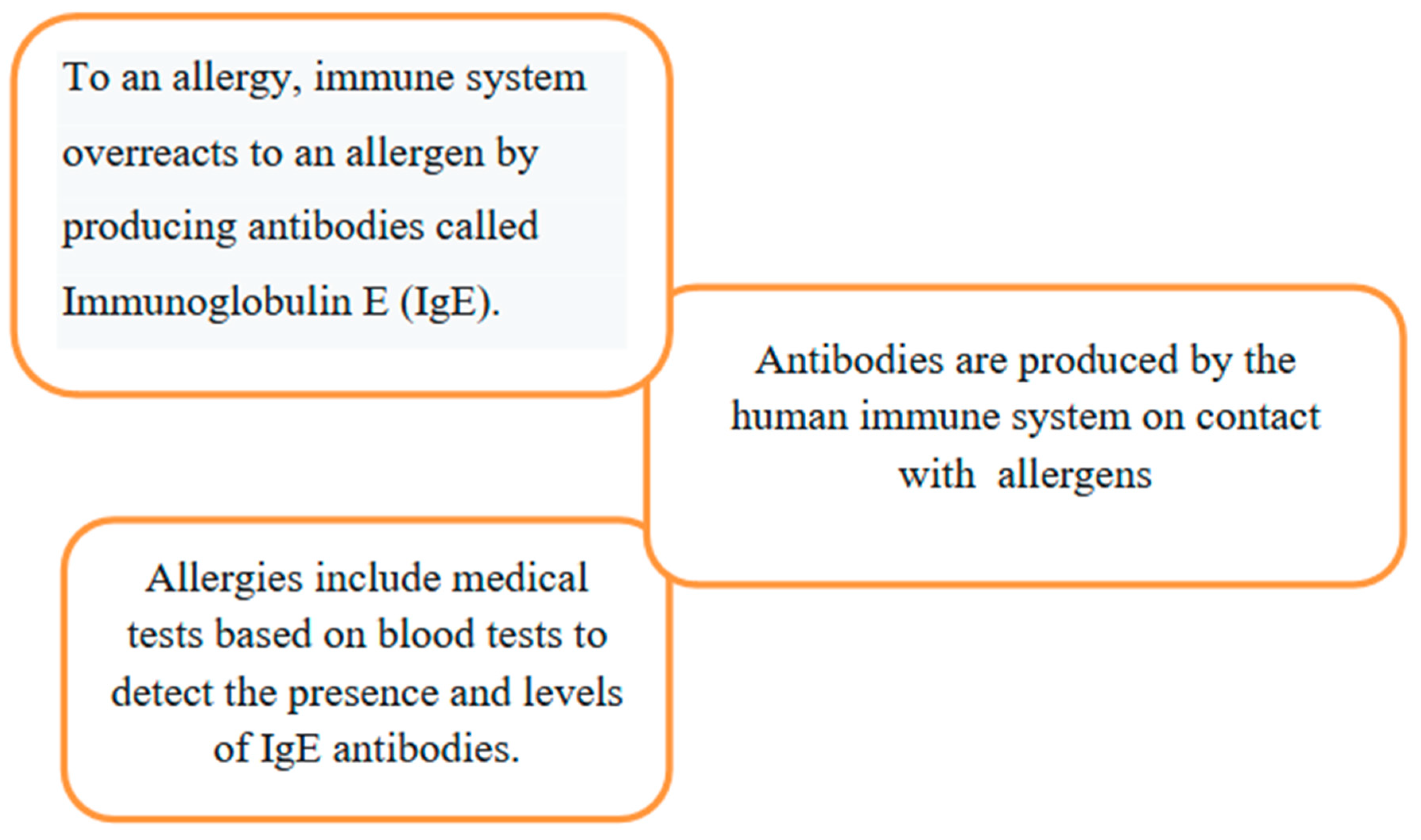
Figure 2.
Key points in allergy immune mechanism.
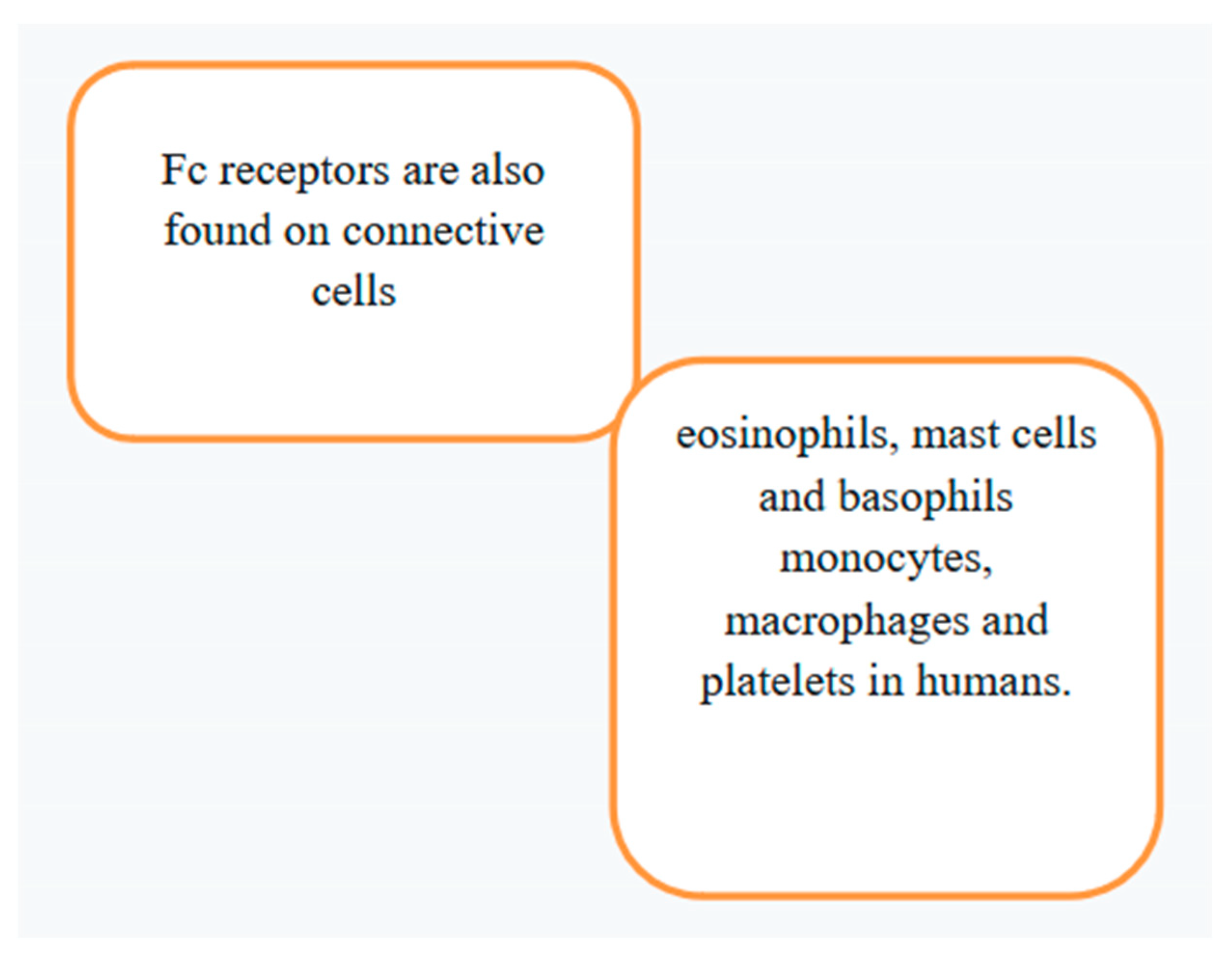
Figure 3.
Fcε receptors:.
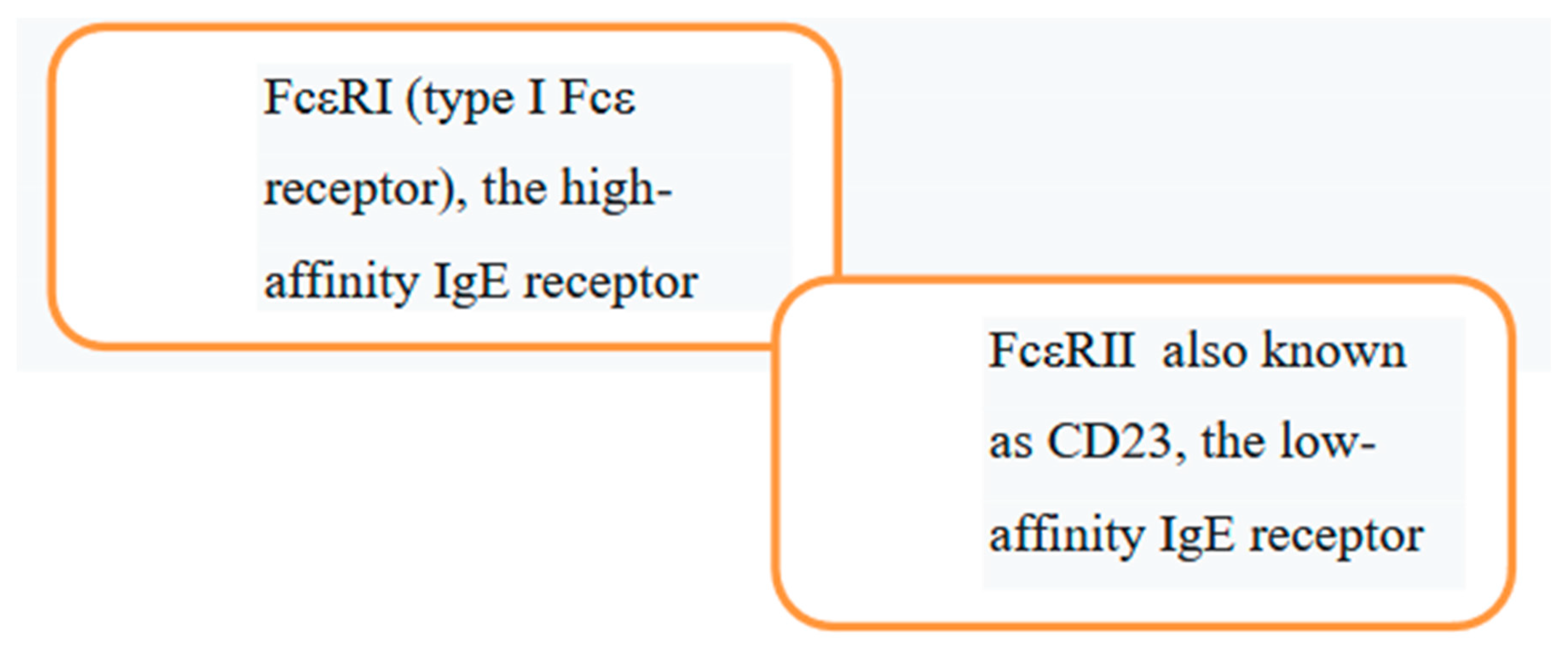
Figure 4.
PilA model. Specific key points.
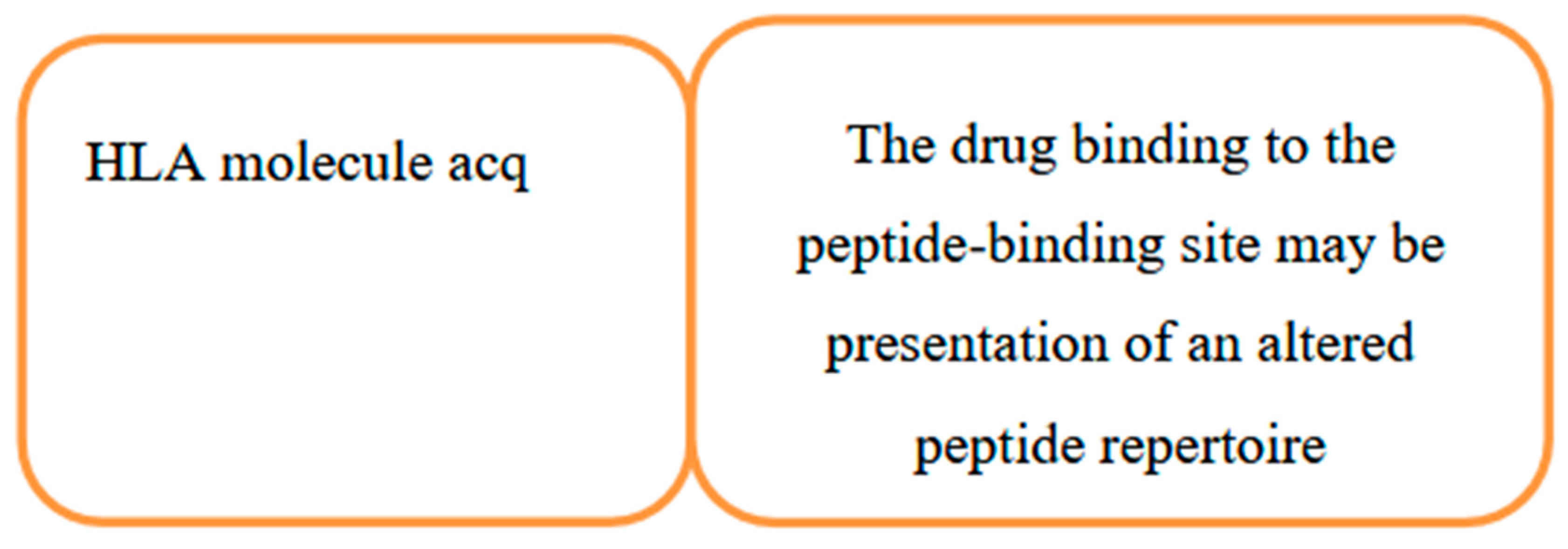
Figure 5.
The two types reffering to mechanisms permitting recognition of microbial, toxic, allergens.
Figure 5.
The two types reffering to mechanisms permitting recognition of microbial, toxic, allergens.
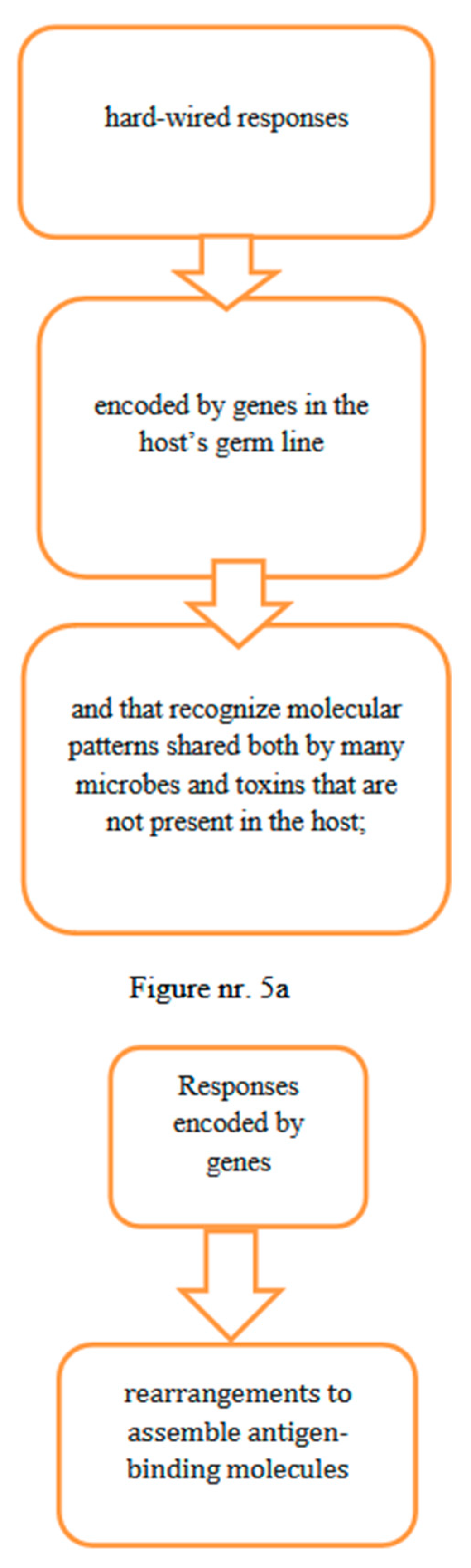
Figure 6.
Cells of the granulocyte line with role in that play prominent immune system functionalityl functions.
Figure 6.
Cells of the granulocyte line with role in that play prominent immune system functionalityl functions.
Disclaimer/Publisher’s Note: The statements, opinions and data contained in all publications are solely those of the individual author(s) and contributor(s) and not of MDPI and/or the editor(s). MDPI and/or the editor(s) disclaim responsibility for any injury to people or property resulting from any ideas, methods, instructions or products referred to in the content. |
© 2025 by the authors. Licensee MDPI, Basel, Switzerland. This article is an open access article distributed under the terms and conditions of the Creative Commons Attribution (CC BY) license (http://creativecommons.org/licenses/by/4.0/).
Copyright: This open access article is published under a Creative Commons CC BY 4.0 license, which permit the free download, distribution, and reuse, provided that the author and preprint are cited in any reuse.


