Preprint
Article

This version is not peer-reviewed.

Dietary Intake of Furanocoumarins and the Risk of Cutaneous Melanoma: A Systematic Review

A peer-reviewed article of this preprint also exists.

Submitted:

27 February 2025

Posted:

03 March 2025

You are already at the latest version

Abstract

Background/Objectives: Furocoumarins, chemical compounds found in many plant species, have a photosensitizing effect on the skin when topically applied and, in interaction with ultraviolet radiation (UVR), stimulate melanoma cells to proliferate. Whether dietary intake of furocoumarins acts as a melanoma risk factor has been investigated in several epidemiological studies that are synthesized in our systematic review. Methods: The study protocol is registered with PROSPERO (registration number: CRD42023428596). We conducted an in-depth literature search in three databases coupled with forward and backward citation tracking and expert consultations to identify all epidemiological studies, irrespective of their design, addressing the association between furocoumarin-containing diet and melanoma risk. We extracted information on the study details and results in a standardized manner and evaluated the risk of bias of the results using the Joanna Briggs Institute’s critical appraisal tools. Results: We identified 20 publications based on 19 distinct studies providing information on the furocoumarin-melanoma association. We refrained from a meta-analytical synthesis of the results because of the large heterogeneity in exposure assessment, operationalization of furocoumarin intake in the analyses, and analytical methods of the studies. In a qualitative synthesis, we found moderate evidence supporting the notion that dietary furocoumarin intake at higher levels acts as a risk factor for cutaneous melanoma. Conclusions: Our systematic review provides an overview of the current epidemiological knowledge but could not answer unambiguously whether and, if so, to what extent dietary furocoumarin intake increases melanoma risk. The future epidemiological analysis focusing on this topic requires more comprehensive dietary and UVR exposure data to better characterize the individual total furocoumarin intake and its interplay with individual UVR exposure patterns.

Keywords: 
;  ;  ;  

1. Introduction

Uncontrolled proliferation of melanocytes located in the basal layer of the skin’s epidermis leads to cutaneous melanoma (CM), a malignant tumor representing a form of skin cancer that causes more than 55,000 deaths globally each year when diagnosed at an advanced stage [1,2]. Approximately 325,000 new cases of CM have occurred worldwide in 2020, with large geographic variations in incidence across countries and world regions [2]. Historically CM has been a rare disease, but the incidence of CM in fair-skinned populations has rapidly increased over the last decades [3]. Epidemiologic studies have identified changes in exposure to ultraviolet (UV) radiation (UVR) as the main driver of this development [4]. The role of dietary factors in the development of CM has also been investigated in numerous studies [5,6]. For example, caffeine consumption was found to be inversely associated with CM risk in a dose-response meta-analysis of prospective cohort studies [7]. For most dietary factors, however, the results of epidemiologic studies have been inconsistent. Overall, the current consensus is that dietary factors play only a subordinate role for CM risk and are not incorporated in risk prediction models for CM [8,9,10].
During the last two decades particular attention has been paid to the potential role of dietary furocoumarins in the development of CM [11]. Furocoumarins are found in many plant species that synthesize furocoumarin through the fusion of coumarin to a furan ring [12]. Different furocoumarin isomers are generated depending on the position of the furan ring. The photosensitizing properties of furocoumarins on the skin when applied topically are known for almost a century [13] and have been utilized for therapeutic purposes in the treatment of skin diseases such as psoriasis, vitiligo, and others through combining psoralen, one of the furocoumarin isomers, with UV-A radiation in the so-called PUVA therapy [14]. Follow-up of PUVA-treated patients has shown that the risk for CM and keratinocyte cancers is substantially increased in these patients [15]. The effect of dietary furocoumarin intake on CM risk has been investigated in a number of studies, most of which have focused on the consumption of citrus fruits because of their high furocoumarin content. A comprehensive overview of all epidemiologic studies providing data on the association between dietary furocoumarin consumption and CM risk is currently lacking.
The aim of our work is to fill this gap by synthesizing all available information on the relationship between dietary furocoumarins and CM. We systematically searched the scientific literature, compiled the first comprehensive review of all epidemiologic studies on this topic, regardless of their design, and evaluated the current evidence on the effect of dietary furocoumarin intake on CM risk.

2. Materials and Methods

We developed a study protocol that was registered with PROSPERO (registration number: CRD42023428596). The systematic review is reported according to the PRISMA guideline [16].

2.1. Eligibility Criteria

The eligibility criteria were defined following the PECOS scheme, which is a modified version of the PICO scheme that is more suitable for epidemiologic studies as it contains the aspect “exposure” instead of “intervention” [17]. We included all observational epidemiologic studies that investigated the association between furocoumarin-containing foods and CM. Eligible furocoumarin-containing foods can be found in Table 1. We excluded animal studies, but further restrictions regarding the study population were not made. Furthermore, only studies with full texts written in English or German were included.

2.2. Search Process

We conducted an electronic literature search across three different databases (Pubmed/Medline, Scopus/EMBASE and Web of Science-Core Collection). In addition, we employed the forward snowballing technique on nine studies relevant to this topic that were identified during the database search (Supplementary Material Table S1). Forward snowballing is an efficient search approach that investigates citations to specific reference papers and thus looks forward in time when performing a search among citations. We used the Scopus database for this purpose. Additionally, the references of the publications identified through the electronic searches that met our inclusion criteria were manually screened for relevant publications. We also contacted dermato-oncological experts and asked for further references.
Prior to implementation, the search process has been reviewed by members of the team who were not involved in its original development. This peer review process followed the PRESS guideline [18].
The search strings for searching the three databases can be found in the Supplementary Material Table S2. We conducted the original search in April 2023 and updated it in January 2025.

2.3. Study Selection

The screening and selection process implemented to include all eligible studies comprised two phases. After removing duplicates, the titles and abstracts of all identified publications were evaluated for eligibility. Four reviewers were involved in the screening process, with the corpus of identified references divided up so that each reference was screened independently by two individuals. All publications deemed potentially eligible by at least one reviewer were included in the full text screening. Thus, only publications that were judged as not relevant by both reviewers were excluded, which ensures high sensitivity of the search procedure. In the second full text screening phase, the eligibility of each publication was evaluated by two reviewers independently. Discrepancies in decisions were resolved by discussion and, in case of sustained disagreement, by involving an independent third reviewer.

2.4. Data Extraction

Similar to the procedure employed for the selection of the studies, the data extraction was also conducted in accordance with the four-eyes principle in a mutually blinded fashion. A data extraction form was developed and pretested. For each publication, information was extracted on relevant study characteristics such as publication year, year of data collection, study design, sample size, and method of selecting participants. Additionally, details were gathered on the type and quantification of dietary exposure, the statistical analysis employed, and the results reported for the association between furocoumarin-containing foods and CM risk. Since the hypothesized link between furocoumarin intake and CM risk involves furocoumarin-UVR interaction [19], we further assessed how information about UVR exposure was gathered and taken into account when quantifying the risk of CM due to furocoumarin exposure.

2.5. Risk of Bias Assessment

The risk of bias (ROB) of all studies included in the systematic review was assessed independently by three reviewers using the Joanna Briggs Institute (JBI) Checklists. As studies with different study designs had to be evaluated, the corresponding JBI checklist was employed for each study design. The checklists included those for case-control, cohort, and analytical cross-sectional studies each comprising between 8 and 11 items relating to participant selection, exposure and outcome assessment, and statistical analysis that are either answered with yes or no, depending on whether the item was met or not. If the information reported in the study publication and its supplements was too sparse, the item was rated unclear. The tools also provide the option “not applicable” if an item is not appropriate for the study. Based on the ratings of the items, the reviewers assigned an overall ROB rating to each study. The JBI tools do not provide an algorithm for determining the study’s overall ROB rating (low, high or unclear) based on a scoring system or similar. The overall ROB rating is based on a joint critical appraisal of all relevant aspects of the study, with low methodological study quality in key aspects not being compensated for by other components of the study in which a high methodological quality was present. The evaluation process is inevitably prone to include subjective elements. To ensure a consistent rating standard, the reviewers thoroughly reviewed and discussed each item of the JBI tool beforehand and piloted the ROB assessment on two studies in order to establish specific decision rules for determining the overall ROB.
In case of discrepant ROB ratings, consensus meetings involving a fourth reviewer were held to discuss the disagreements and derive at a consensus decision.

2.6. Statistical Analysis

The main characteristics of the included studies, their findings as well as their ROB ratings are presented in summary tables.
The intake of furocoumarins or furocoumarin-containing foods was captured very heterogeneously in the different studies. Therefore, we did not perform a meta-analytical summary of risk estimates and only summarized the number of studies yielding positive, negative or no association between furocoumarin intake and CM. We classified a study as showing a positive association, when higher consumption levels of furocoumarin were associated with higher CM risk, a negative association when higher consumption levels were associated with lower CM risk, and no association when the results were inconclusive. In addition to stating how many studies showed positive and negative associations we also give the information how many of these were statistically significant based on the statistical evaluation in the study publications.
Observational epidemiological studies assessing the effect of a potential CM risk factor typically collect data on UVR exposure to account for its potentially confounding role. Furocoumarin intake as our exposure of interest requires, however, a special handling of UVR exposure data in the analysis. Rather than just using the data to adjust for confounding, potential effect modification by UVR exposure needs to be examined. This is due to the hypothesized carcinogenic effect of furocoumarins on CM development requiring the presence of UVR. Consequently, individuals with higher levels of UVR exposure should exhibit a steeper CM risk gradient for ordered consumption categories of furocoumarin intake compared to those with lower levels of UVR exposure. We investigated whether and how UVR exposure data have been used in the analysis. In those publications, where potential effect modification has been evaluated we classified whether the reported results provide no, weak, moderate, or strong evidence for an effect-modifying role of UVR exposure.

3. Results

3.1. Literature Search

Figure 1 displays the literature search process that yielded initially 4,110 publications. After eliminating 1,336 duplicates, the 2,774 remaining publications entered the title and abstract screening, which was survived by 74 publications. The subsequent full text screening excluded further 56 studies resulting in 17 studies reported in 18 publications eligible for inclusion in the systematic review. While forward snowballing did not identify additional studies, two more studies were found through the references of already included studies [20,21]. This finally yielded 20 publications based on 19 distinct studies ([22] and [23] reported distinct results from the same study) entering this systematic review. A list of all publications evaluated in the full text screening that were excluded, together with the individual reason for exclusion, can be found in the Supplementary Materials Table S3.

3.2. Study Characteristics

Table 2 provides an overview of study characteristics. The 19 included studies consisted of 9 case-control studies, 8 cohort studies, one analytical cross-sectional study, and one ecological study (see Table 3).
The studies – published over a wide time interval between 1986 and 2021 – collected information on altogether 1,190,209 individuals and contained 13,872 CM cases (corrected for overlap between study populations in [24], [25], and [26] as well as identity of study populations in [22] and [23]) from different regions (see Table 3).

3.3. Furocoumarin Sources in Studies

The heterogeneity of how and what information on furocoumarin exposure the eligible studies collected and how they reported their data makes a comparison difficult. While the majority of studies (n=15) used food frequency questionnaires for gathering information on the consumption of specific foods, 2 used 24-hour-call back and three used either a questionnaire of their own design or the FAOSTAT database (Food and Agriculture Organization Statistics, https://www.fao.org/faostat). Further, the furocoumarin-rich foods covered were not classified into standardized categories and the reporting of the consumption frequencies of those categories ranged from specific quantiles of the study data (i.e. tertiles, quartiles, quintiles) to units of food consumed in a certain time period where „unit“ is individually defined in the publications (e.g. pieces/portions of food, glasses with glass sizes measured in either ounces or millilitres and of differing volume) and the time periods vary „per day“ and „per week“. A detailed table of the specifics of furocoumarin exposure assessment in each study can be found in the Supplementary Materials Table S4
Both publications refer to the same case-control study§ No sample size information, because no individual data are gathered in an ecological studyWith the exception of two studies [25,36] all other investigations examined only parts of the furocoumarin-containing food and beverage spectrum and were thus not able to quantify the total level of dietary furocoumarin intake. We classified the information given in these studies into the following furocoumarin-categories: “citrus fruits and juices”, “citrus fruits”, “citrus juices”, “grapefruit and grapefruit juice”, “orange and orange juice”, “other citrus fruits” and “others“. Table 4 gives an overview over the number of publications per category. As one study might cover more than one category of furocoumarin-rich foods the numbers in Table 4 add up to 45. Detailed results of the individual studies can be found in the Supplementary Material Table S5.
Citrus fruits and juices as a combined category were investigated in 6 studies [26,31,35,37,38,40]. Three of them found a positive association [26,38,40] with two of them being significant [26,38], while [31] found a non-significant negative association and [35] as well as [37] none at all. While four of those studies were rated with low ROB, one study had an unclear ROB [38], and the ROB of one study [31] showing a negative association was high.
Another six studies reported mixed outcomes on citrus fruits. Two studies [33,35] found a positive association with the effect in [35] being significant, one study [32] a significant negative association, and three studies [23,37,40] found no association. The ROB was rated low in all of these studies.
Citrus juices were covered in three studies. [35,40] found no association and [37] found a non-significant positive association. All studies were rated to have low ROB.
Four studies reported risk estimates for the consumption of grapefruit on the incidence of CM [21,26,38,40] and two for the consumption of grapefruit juice [26,38].
For grapefruit only, three studies reported a positive association with the risk of CM, but only one found a significant effect [26], and one reported no effect [21]. Three of the four studies had a low ROB, the remaining one [38] had an unclear ROB.
The two studies covering grapefruit juice reported no association [26] or a non-significant positive association [38] though with unclear ROB in [38].
The consumption of oranges was investigated in four studies [21,26,29,38] and that of orange juice in five studies [21,24,26,33,38] . The only study establishing a positive association for the consumption of oranges and the risk for CM was [38], but the ROB for this study was unclear. The other three, all low ROB studies, found no association. Three out of five studies investigating orange juice reported a significant, positive association with CM incidence [24,26,38], with one[38] having an unclear ROB, while the other two had a low ROB. The remaining two low ROB studies found no association [21,33].
The category “other citrus fruits” comprises the results for the following combinations of citrus fruits: “orange, tangerine, tangelo” [40], “mandarine” [38], “orange and grapefruit” [22], “orange and mandarine” [34], “orange juice and grapefruit juice” [22] as well as “Tangerine” [22]. None of these consumption combinations were associated with a higher risk for developing CM. The ROB status was high for [34], unclear for [38] and low for the other two studies [22,40].
The last category “others” comprises furocoumarin-containing food items not fitting into the above categorization, namely parsley and carrots. For the consumption of parsley [32] could not find any association while being rated as low ROB. The consumption of carrots was examined in six studies with two of them reporting a positive association with the risk for CM [30,32] and four no association [20,21,27,28]. Amongst the latter [28] had a high ROB, all others a low ROB.
The impact of total furocoumarin consumption on the incidence of CM was investigated by two studies [25,36]. While both associated higher furocoumarin intake with higher risk for CM, the effects were not significant. Furthermore, one of the studies [28], employing a cross-sectional design and relying on unvalidated self-reported CM, was rated with a high ROB.

3.4. Role of UVR Exposure in the Analysis of the Furocoumarin-Melanoma Relationship

Sixteen of our 20 studies [20,21,22,23,24,25,26,27,30,31,32,33,34,35,37,38] collected some kind of UVR data and used it in their analyses, only four [28,29,34] did not. Out of the seven studies [25,26,28,34,35,37,38] specifically evaluating the furocoumarin-melanoma association six [25,26,34,35,37,38] reported results of statistical analyses evaluating whether UVR exposure acts as an effect modifier of the association under study. None of the other 13 studies [20,21,22,23,24,27,28,30,31,32,33,34] that did not focus on the relationship between furocoumarin intake and CM and only reported data on some furocoumarin-containing foods and/or beverages and their association with CM risk as a by-product considered the role of UVR exposure as a potential effect modifier. Notably none of the six studies evaluating UVR exposure as a potential effect modifier did so in their primary analyses, in all of these cases the primary analyses adjusted for a confounding effect of UVR exposure.
Assessment of UVR exposure and reporting of the results in the six studies investigating the role of UVR exposure in the furocoumarin-melanoma association were heterogeneous. One study [38] stated only that there was no significant interaction (p>0.05) between total citrus consumption and average time outdoors in summer, but gave no further quantitative details. Details of reported results in four studies [25,26,34,37] showed moderate to strong indications of an effect-modifying role of UVR exposure. However, statistical significance of the tests for interaction was not achieved (two studies [25,26]) reported p-values larger than 0.05, the other studies [37,40] did not claim that they observed interactions were significant and reported no formal results of statistical interaction testing). In all of these studies, the subgroups with a high level of UVR exposure showed a steeper gradient of CM risk depending on the level of furocoumarin intake (total furocoumarin intake in [25], citrus fruits and citrus juice in [37], grapefruits in [26], citrus fruits and oranges/tangerines/tangelos in [34]) compared to the low UVR exposure subgroups. In all four studies, statistical trend tests addressing a dose-response effect of furocoumarin intake on CM were statistically significant only in the high UVR exposure subgroup not in the low UVR exposure group. One study [35] showed only weak evidence for an effect-modifying role of UVR exposure, as only for citrus fruits, but not for citrus juice and total citrus intake, a slightly steeper CM risk gradient for consumption quartiles was observed in the subgroup with more recreational physical activity in summer (as an imprecise proxy measure for UVR exposure used in this study). Interestingly, only three studies [26,35,37] pointed explicitly to a potential synergistic interaction between furocoumarins and UVR in their Discussion section, while the others neglected this aspect.

4. Discussion

The potential impact of dietary furocoumarin intake on CM development has attracted considerable scientific interest during recent years. Furocoumarins have well-known carcinogenic properties as has been established in experimental studies in mice [41] and epidemiological studies in humans [15]. Topically applied furocoumarins have a photosensitizing effect on the skin and, in interaction with UVR, stimulate melanoma cells to proliferate [42]. Whether dietary intake of furocoumarins has a similar effect is currently a matter of debate. In our systematic review we compiled the complete epidemiological literature on that topic. After an in-depth literature search we found 20 publications from 19 different studies that provided information on the furocoumarin-melanoma association. We refrained from a meta-analytical synthesis of the results of these studies because of the large heterogeneity in exposure assessment, operationalization of furocoumarin intake in the analyses, and analytical methods of the studies. Instead we provided a comprehensive overview of the studies and a qualitative summary of their findings. Overall, we found moderate evidence supporting the notion that dietary furocoumarin intake at higher levels acts as risk factor for CM.
Our systematic review is the first qualitative summary of the full spectrum of epidemiological studies on this topic. A recent dose-response meta-analysis limited to five cohort studies established a significant linear relationship between CM risk and total citrus and citrus fruits consumed, respectively [43]. This finding is in line with the qualitative results of our systematic review. However, our approach considered all epidemiological study types on the topic and discussed the large heterogeneity of the individual methods and results, which the meta-analysis had to pragmatically simplify. In addition, our systematic review also analyzed in detail the role of UVR exposure as an effect modifier of the furocoumarin-melanoma relationship, which the meta-analyses did not address.
The interpretation of results from epidemiological studies on dietary furocoumarin intake on CM risk needs caution. In order to make a methodologically sound and quantitative statement about the effect of furanocoumarins on CM risk, we would need to collect more detailed data on the amount of furanocoumarins ingested from a given food in a given time window and the level of UVR exposure in the same time window from study participants. Such data are hard to obtain in a practical study and were not available in all studies covered by this systematic review. Dietary habits were self-reported and mostly assessed using food frequency questionnaires lacking any detail of variation in food consumption over time. The latter is relevant when considering the furocoumarin-UVR interaction. In the northern hemisphere, for example, the winter months, during which UVR is at a low level, are the high season for the intake citrus fruits. Citrus fruit consumption during low UVR periods does not constitute a risk for CM development.
Another issue, which made the synthesis of study results difficult, was the assessment as well as the reporting of intake quantities and frequencies of specific foods. While some studies specified portion size references precisely, e.g. one or half a fruit, one glass of 177.5 ml/250 ml, others defined portions sizes more vaguely as, for example, a “medium-sized portion” and again others had participants estimate their intake in grams, used pictures to decide portion sizes or did not specify them at all. In terms of consumption frequency, the captured range comprised “number of portions per month”, “per week” and “per day”. Often the studies reported results in the categories the exposure was captured in, while others estimated the weight of portion sizes, categorized the original portion sizes into “low/medium/high consumption” or subdivided the consumption levels into quantiles (tertiles, quartiles, quintiles).
A further complicating issue relates to the food categories used by the studies when reporting their results. Apart from few individually stated foods (grapefruit, grapefruit juice, orange, orange juice, parsley, and carrot) many studies reported results on combinations of consumed goods (citrus fruits and juices, citrus fruits, citrus juices, other citrus fruits) with only some stating exactly what they summarized in these combinations and others not at all. These broad categories do not allow to identify the risk of individual food items. Another aspect complicating the comparison is a circumstance, from which all exposure categories suffer, namely that the furocoumarin content of the same food item is subject to high variability due to a multitude of causes. These include the variety of a specific food, the growing conditions and geographic location, the degree of ripeness at harvest and possible post-ripening, the storage conditions and the processing, especially heat treatment [12].
Focusing on specific food or beverage items, as it has been done in most studies, bears the risk of confounding, because there may be a positive or negative association in consumption levels of furocoumarin-containing food or beverage items that is not adjusted for in analyses investigating only a specific food or beverage item. The accumulated total furocoumarin intake covering the whole spectrum of furocoumarin-containing food is better suited to quantify the magnitude of the furocoumarin-melanoma association. This approach has been taken by two studies [25,36] determining the cumulative dietary intake of furocoumarins based on a database of furocoumarin content in foods developed by Melough et al. [44]. Despite being subject to the same limitation resulting from the variability of furocoumarin levels as specific food items, this procedure allows to determine the risk for CM related to the photosensitizing substance itself.
We observed evidence in our synthesis that the consumption of grapefruits stands out in the sense that nearly all studies reporting effects for grapefruits reported positive associations with the risk of CM, while this is not true for the consumption of grapefruit juice. This apparent contradiction has already been discussed by Wu et al. [26], who came to the conclusion that the effect in grapefruit juice might not be present due to the temperature exposure during juice processing reducing the furocoumarin content, while grapefruits are consumed as fresh fruits and have the highest furocoumarin content of all citrus fruits.
It should also be noted that the methodological approach to handling variables related to UVR exposure requires reconsideration. Furocoumarins are photosensitizing substances, whose carcinogenic effect is triggered only by UVR. Activated by the absorption of UVR energy furocoumarins are able to interact with the DNA in skin cells, which fosters the development of DNA damage and mutations. Without UVR exposure, however, this reactive property remains inactive [12].
With this knowledge, it is evident that UVR exposure must be considered as an effect modifier when modelling the relationship between the consumption of furanocoumarins and CM risk and not as a confounder. However, the majority of the publications included UVR exposure only as a confounder in their analyses.
Although not all six studies that considered UVR exposure as a potential effect modifier in their analyses showed a stronger association between furanocoumarin consumption and CM risk in subgroups with higher UVR exposure, four studies provided evidence for the effect-modifying role of UVR exposure. The heterogeneous results may be due to suboptimal quantification of UV exposure. For example, the publication by Mahamat-Saleh et al. [35], which reported only weak evidence for an effect-modifying role of UV exposure, used the total hours of recreational physical activity in summer as a proxy for recreational sun exposure. It is questionable whether this adequately reflects actual sun exposure, as even the authors themselves concede in their discussion section.
Furthermore, a direct temporal link between the consumption of furocoumarins and UVR exposure is required for a potential effect, as the photosensitizing effect of furocoumarins is only present for a limited period of time. Several studies showed that skin furocoumarin concentrations reach their peak few hours after oral consumption and decline afterwards [45,46]. How long the furocoumarins remain in the skin tissue in total depends on the type of furocoumarins, the administered dose, and the individual’s metabolism. Consequently, only the exposure directly after the consumption of furocoumarin containing food is relevant when considering UVR exposure as an effect modifier. Nevertheless, such a detailed assessment of UVR exposure is challenging.
A further potential explanation for the ambiguous results regarding the effect modifying role by UVR exposure in previous studies relates to the lack of research conducted in regions characterized by elevated UVR levels. The existing literature on the subject is predominantly derived from studies conducted in the USA and in European countries like the UK. Thus, the incorporation of data from a region with a year-round high UVR level such as Australia, which is renowned for its extensive research on melanoma, could offer novel insights into the subject.
We have to acknowledge some limitations of this systematic review. It is possible that our search string did not identify all relevant research on this topic. Nevertheless, we implemented a comprehensive search strategy including data base searching, forward and backward citation tracking, and also consultation with dermato-oncological experts, in order to minimize the likelihood of overlooking relevant research. Due to the language restriction to English and German, it cannot be ruled out that publications in other languages were missed. However, this is considered to be very unlikely, as only a single publication was excluded during the full-text screening due to a foreign language. As described in the methods, we used JBI's checklists to assess the ROB of the included studies in a structured and transparent way. However, we deviated from this approach for the study of Grasgruber et al [34], as there is no checklist for ecological studies. Nevertheless, we thoroughly discussed this study within the group and unanimously rated it with a high ROB.

5. Conclusions

In conclusion, our systematic review comprising results from 20 publications could not provide a definite answer to the research question of whether and, if so, to what extent dietary furocoumarin intake increases melanoma risk. We found moderate evidence that higher dietary furocoumarin intake acts as a risk factor for CM, but the heterogeneity of approaches and shortcomings in adequately incorporating UVR exposure data in the analysis of the studies precluded a more far-reaching statement.
The future epidemiological analysis of the furocoumarin-melanoma association requires more comprehensive dietary and UVR exposure data to better characterize the individual total furocoumarin intake and its interplay with individual UVR exposure patterns.

Supplementary Materials

The following supporting information can be downloaded at the website of this paper posted on Preprints.org, Table S1: Source publications used for forward snowballing during the literature search; Table S2: Search strings used for searching Pubmed, Scopus, and Web of Science – Core Collection; Table S3: References excluded during full-text screening and reasons for exclusion; Table S4. Categories for exposure measurement and reporting by publication and food group.

Author Contributions

Conceptualization, O.G.; methodology, I.K., A.R., O.G.; validation, I.K., A.R., L.S.B., A.B.P. O.G.; investigation, L.S.B. I.K., A.R., O.G.; data curation, A.B.P.; writing—original draft preparation, I.K., A.R., O.G.; writing—review and editing, L.S.B., A.B.P..; supervision, I.K., O.G.; project administration, I.K., A.R. All authors have read and agreed to the published version of the manuscript.

Funding

This research received no external funding.

Institutional Review Board Statement

Not applicable.

Informed Consent Statement

Not applicable.

Data Availability Statement

The data are included in the article.

Conflicts of Interest

The authors declare no conflict of interest.

Abbreviations

The following abbreviations are used in this manuscript:
CM Cutaneous melanoma
UV ultraviolet
UVR Ultraviolet radiation

References

  1. Schadendorf, D.; van Akkooi, A.C.J.; Berking, C.; Griewank, K.G.; Gutzmer, R.; Hauschild, A.; Stang, A.; Roesch, A.; Ugurel, S. Melanoma. Lancet 2018, 392, 971-984. [CrossRef]
  2. Arnold, M.; Singh, D.; Laversanne, M.; Vignat, J.; Vaccarella, S.; Meheus, F.; Cust, A.E.; de Vries, E.; Whiteman, D.C.; Bray, F. Global Burden of Cutaneous Melanoma in 2020 and Projections to 2040. JAMA Dermatol 2022, 158, 495-503. [CrossRef]
  3. Garbe, C.; Keim, U.; Gandini, S.; Amaral, T.; Katalinic, A.; Hollezcek, B.; Martus, P.; Flatz, L.; Leiter, U.; Whiteman, D. Epidemiology of cutaneous melanoma and keratinocyte cancer in white populations 1943-2036. Eur J Cancer 2021, 152, 18-25. [CrossRef]
  4. Raimondi, S.; Suppa, M.; Gandini, S. Melanoma Epidemiology and Sun Exposure. Acta Derm Venereol 2020, 100, adv00136. [CrossRef]
  5. Dong, Y.; Wei, J.; Yang, F.; Qu, Y.; Huang, J.; Shi, D. Nutrient-Based Approaches for Melanoma: Prevention and Therapeutic Insights. Nutrients 2023, 15. [CrossRef]
  6. DeWane, M.E.; Shahriari, N.; Grant-Kels, J.M. Nutrition and melanoma prevention. Clin Dermatol 2022, 40, 186-192. [CrossRef]
  7. Micek, A.; Godos, J.; Lafranconi, A.; Marranzano, M.; Pajak, A. Caffeinated and decaffeinated coffee consumption and melanoma risk: a dose-response meta-analysis of prospective cohort studies. Int J Food Sci Nutr 2018, 69, 417-426. [CrossRef]
  8. Vuong, K.; McGeechan, K.; Armstrong, B.K.; Cust, A.E. Risk prediction models for incident primary cutaneous melanoma: a systematic review. JAMA Dermatol 2014, 150, 434-444. [CrossRef]
  9. Usher-Smith, J.A.; Emery, J.; Kassianos, A.P.; Walter, F.M. Risk prediction models for melanoma: a systematic review. Cancer Epidemiol Biomarkers Prev 2014, 23, 1450-1463. [CrossRef]
  10. Kaiser, I.; Pfahlberg, A.B.; Uter, W.; Heppt, M.V.; Veierod, M.B.; Gefeller, O. Risk Prediction Models for Melanoma: A Systematic Review on the Heterogeneity in Model Development and Validation. Int J Environ Res Public Health 2020, 17. [CrossRef]
  11. Sayre, R.M.; Dowdy, J.C. The increase in melanoma: are dietary furocoumarins responsible? Med Hypotheses 2008, 70, 855-859. [CrossRef]
  12. Melough, M.M.; Cho, E.; Chun, O.K. Furocoumarins: A review of biochemical activities, dietary sources and intake, and potential health risks. Food Chem Toxicol 2018, 113, 99-107. [CrossRef]
  13. Bellringer, H.E. Phyto-photo-dermatitis. Br Med J 1949, 1, 984-986. [CrossRef]
  14. Momtaz, K.; Fitzpatrick, T.B. The benefits and risks of long-term PUVA photochemotherapy. Dermatol Clin 1998, 16, 227-234. [CrossRef]
  15. Stern, R.S.; Nichols, K.T.; Vakeva, L.H. Malignant melanoma in patients treated for psoriasis with methoxsalen (psoralen) and ultraviolet A radiation (PUVA). The PUVA Follow-Up Study. N Engl J Med 1997, 336, 1041-1045. [CrossRef]
  16. Page, M.J.; McKenzie, J.E.; Bossuyt, P.M.; Boutron, I.; Hoffmann, T.C.; Mulrow, C.D.; Shamseer, L.; Tetzlaff, J.M.; Akl, E.A.; Brennan, S.E.; et al. The PRISMA 2020 statement: an updated guideline for reporting systematic reviews. Syst Rev 2021, 10, 89. [CrossRef]
  17. Morgan, R.L.; Whaley, P.; Thayer, K.A.; Schunemann, H.J. Identifying the PECO: A framework for formulating good questions to explore the association of environmental and other exposures with health outcomes. Environ Int 2018, 121, 1027-1031. [CrossRef]
  18. McGowan, J.; Sampson, M.; Salzwedel, D.M.; Cogo, E.; Foerster, V.; Lefebvre, C. PRESS Peer Review of Electronic Search Strategies: 2015 Guideline Statement. J Clin Epidemiol 2016, 75, 40-46. [CrossRef]
  19. Melough, M.M.; Chun, O.K. Dietary furocoumarins and skin cancer: A review of current biological evidence. Food Chem Toxicol 2018, 122, 163-171. [CrossRef]
  20. Holman, C.D.; Armstrong, B.K.; Heenan, P.J.; Blackwell, J.B.; Cumming, F.J.; English, D.R.; Holland, S.; Kelsall, G.R.; Matz, L.R.; Rouse, I.L.; et al. The causes of malignant melanoma: results from the West Australian Lions Melanoma Research Project. Recent Results Cancer Res 1986, 102, 18-37. [CrossRef]
  21. Soliman, A. The relationship between diet and melanoma in Arizona. University of Arizona, 1992.
  22. Malavolti, M.; Malagoli, C.; Fiorentini, C.; Longo, C.; Farnetani, F.; Ricci, C.; Albertini, G.; Lanzoni, A.; Reggiani, C.; Virgili, A.; et al. Association between dietary vitamin C and risk of cutaneous melanoma in a population of Northern Italy. Int J Vitam Nutr Res 2013, 83, 291-298. [CrossRef]
  23. Malagoli, C.; Malavolti, M.; Farnetani, F.; Longo, C.; Filippini, T.; Pellacani, G.; Vinceti, M. Food and Beverage Consumption and Melanoma Risk: A Population-Based Case-Control Study in Northern Italy. Nutrients 2019, 11. [CrossRef]
  24. Feskanich, D.; Willett, W.C.; Hunter, D.J.; Colditz, G.A. Dietary intakes of vitamins A, C, and E and risk of melanoma in two cohorts of women. Br J Cancer 2003, 88, 1381-1387. [CrossRef]
  25. Sun, W.Y.; Rice, M.S.; Park, M.K.; Chun, O.K.; Melough, M.M.; Nan, H.M.; Willett, W.C.; Li, W.Q.; Qureshi, A.A.; Cho, E.Y. Intake of Furocoumarins and Risk of Skin Cancer in 2 Prospective US Cohort Studies. J. Nutr. 2020, 150, 1535-1544. [CrossRef]
  26. Wu, S.W.; Han, J.L.; Feskanich, D.; Cho, E.; Stampfer, M.J.; Willett, W.C.; Qureshi, A.A. Citrus Consumption and Risk of Cutaneous Malignant Melanoma. J. Clin. Oncol. 2015, 33, 2500-U2532. [CrossRef]
  27. Østerlind, A.; Tucker, M.A.; Stone, B.J.; Jensen, O.M. The Danish case-control study of cutaneous malignant melanoma. IV. No association with nutritional factors, alcohol, smoking or hair dyes. International Journal of Cancer 1988, 42, 825-828. [CrossRef]
  28. Stryker, W.S.; Stampfer, M.J.; Stein, E.V.; Kaplan, L.; Louis, T.A.; Sober, A.; Willett, W.C. Diet, Plasma-Levels of Beta-Carotene and Alpha-Tocopherol and Risk of Malignant-Melanoma. Am. J. Epidemiol. 1988, 128, 889-890.
  29. Veierød, M.B.; Thelle, D.S.; Laake, P. Diet and risk of cutaneous malignant melanoma: a prospective study of 50,757 Norwegian men and women. Int J Cancer 1997, 71, 600-604. [CrossRef]
  30. Naldi, L.; Gallus, S.; Tavani, A.; Imberti, G.L.; La Vecchia, C. Risk of melanoma and vitamin A, coffee and alcohol: A case-control study from Italy. European Journal of Cancer Prevention 2004, 13, 503-508. [CrossRef]
  31. Millen, A.E.; Tucker, M.A.; Hartge, P.; Halpern, A.; Elder, D.E.; Guerry Iv, D.; Holly, E.A.; Sagebiel, R.W.; Potischman, N. Diet and melanoma in a case-control study. Cancer Epidemiology Biomarkers and Prevention 2004, 13, 1042-1051.
  32. Fortes, C.; Mastroeni, S.; Melchi, F.; Pilla, M.A.; Antonelli, G.; Camaioni, D.; Alotto, M.; Pasquini, P. A protective effect of the Mediterranean diet for cutaneous melanoma. Int J Epidemiol 2008, 37, 1018-1029. [CrossRef]
  33. Vinceti, M.; Bonvicini, F.; Pellacani, G.; Sieri, S.; Malagoli, C.; Giusti, F.; Krogh, V.; Bergomi, M.; Seidenari, S. Food intake and risk of cutaneous melanoma in an Italian population. European Journal of Clinical Nutrition 2008, 62, 1351-1354. [CrossRef]
  34. Grasgruber, P.; Hrazdira, E.; Sebera, M.; Kalina, T. Cancer Incidence in Europe: An Ecological Analysis of Nutritional and Other Environmental Factors. Front Oncol 2018, 8, 151. [CrossRef]
  35. Mahamat-Saleh, Y.; Cervenka, I.; Al-Rahmoun, M.; Mancini, F.R.; Severi, G.; Ghiasvand, R.; Veierod, M.B.; Caini, S.; Palli, D.; Botteri, E.; et al. Citrus intake and risk of skin cancer in the European Prospective Investigation into Cancer and Nutrition cohort (EPIC). Eur J Epidemiol 2020, 35, 1057-1067. [CrossRef]
  36. Melough, M.M.; Kim, K.; Cho, E.; Chun, O.K. Relationship between Furocoumarin Intake and Melanoma History among US Adults in the National Health and Nutrition Examination Survey 2003-2012. Nutr Cancer 2020, 72, 24-32. [CrossRef]
  37. Melough, M.M.; Wu, S.W.; Li, W.Q.; Eaton, C.; Nan, H.M.; Snetselaar, L.; Wallace, R.; Qureshi, A.A.; Cho, E.; Chun, O.K. Citrus Consumption and Risk of Cutaneous Malignant Melanoma in the Women's Health Initiative. Nutr. Cancer 2020, 72, 568-575. [CrossRef]
  38. Marley, A.R.; Li, M.; Champion, V.L.; Song, Y.; Han, J.; Li, X. The association between citrus consumption and melanoma risk in the UK Biobank*. British Journal of Dermatology 2021, 185, 353-362. [CrossRef]
  39. Melough, M.M.; Sakaki, J.; Liao, L.M.; Sinha, R.; Cho, E.; Chun, O.K. Association between Citrus Consumption and Melanoma Risk in the NIH-AARP Diet and Health Study. Nutr. Cancer 2021, 73, 1613-1620. [CrossRef]
  40. Melough, M.M.; Sakaki, J.; Liao, L.D.M.; Sinha, R.; Cho, E.; Chun, O.K. Association between Citrus Consumption and Melanoma Risk in the NIH-AARP Diet and Health Study. Nutr. Cancer 2021, 73, 1613-1620. [CrossRef]
  41. Mullen, M.P.; Pathak, M.A.; West, J.D.; Harrist, T.J.; Dall'Acqua, F. Carcinogenic effects of monofunctional and bifunctional furocoumarins. Natl Cancer Inst Monogr 1984, 66, 205-210.
  42. Aubin, F.; Donawho, C.K.; Kripke, M.L. Effect of psoralen plus ultraviolet A radiation on in vivo growth of melanoma cells. Cancer Res 1991, 51, 5893-5897.
  43. Fang, X.; Han, D.; Yang, J.; Li, F.; Sui, X. Citrus Consumption and Risk of Melanoma: A Dose-Response Meta-Analysis of Prospective Cohort Studies. Front Nutr 2022, 9, 904957. [CrossRef]
  44. Melough, M.M.; Lee, S.G.; Cho, E.; Kim, K.; Provatas, A.A.; Perkins, C.; Park, M.K.; Qureshi, A.; Chun, O.K. Identification and Quantitation of Furocoumarins in Popularly Consumed Foods in the U.S. Using QuEChERS Extraction Coupled with UPLC-MS/MS Analysis. J Agric Food Chem 2017, 65, 5049-5055. [CrossRef]
  45. Lauharanta, J.; Juvakoski, T.; Kanerva, L.; Lassus, A. Pharmacokinetics of 8-methoxypsoralen in serum and suction blister fluid. Arch Dermatol Res 1982, 273, 111-114. [CrossRef]
  46. Tegeder, I.; Brautigam, L.; Podda, M.; Meier, S.; Kaufmann, R.; Geisslinger, G.; Grundmann-Kollmann, M. Time course of 8-methoxypsoralen concentrations in skin and plasma after topical (bath and cream) and oral administration of 8-methoxypsoralen. Clin Pharmacol Ther 2002, 71, 153-161. [CrossRef]
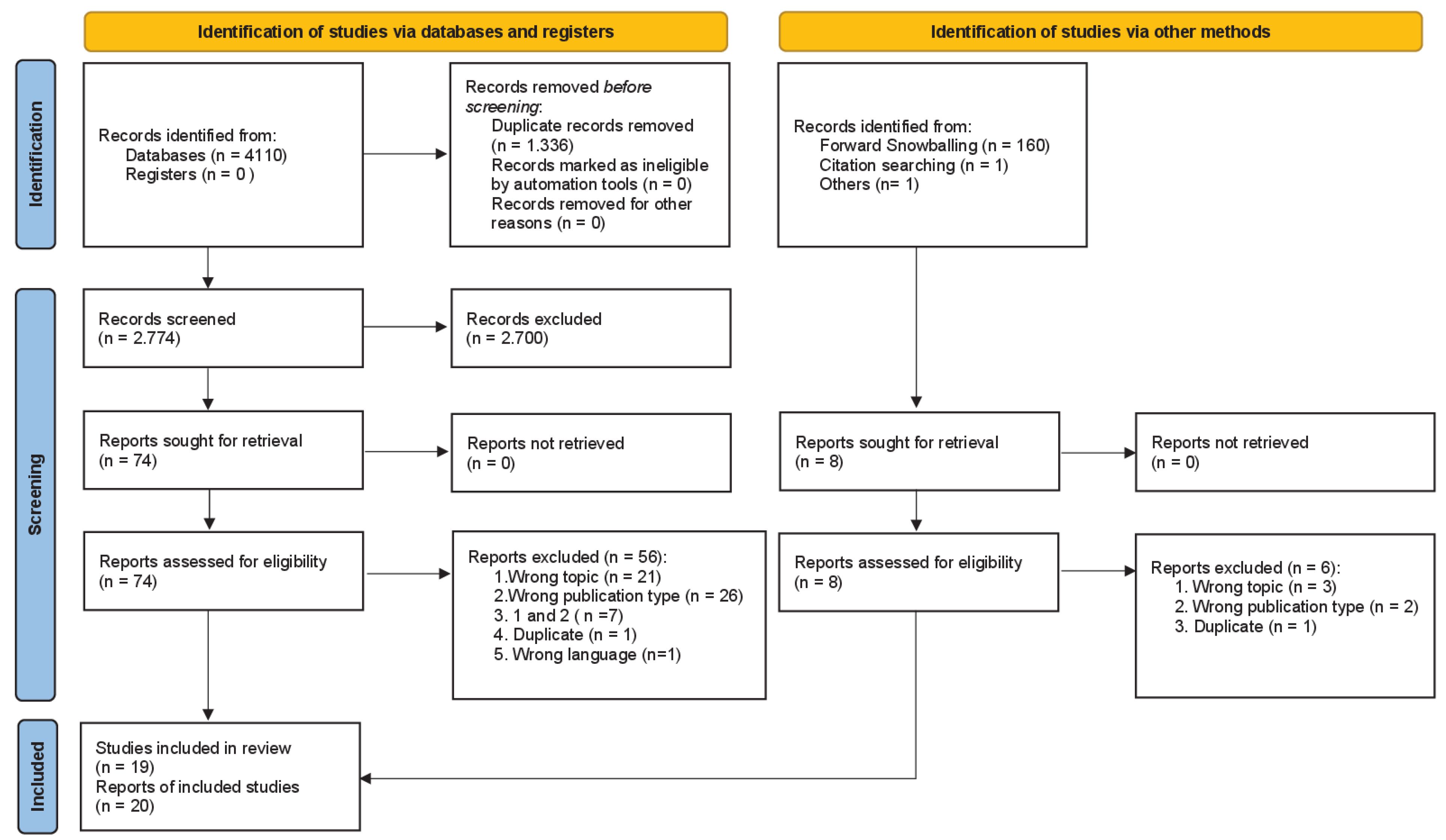
Figure 1. PRISMA flowchart with details of the search process.
Preprints 150766 g001
Table 1. Eligibility criteria according to the PECOS scheme.
Aspect Eligibility criteria
Population Animal studies were excluded. No further restrictions regarding human study populations.
Exposure Consumption of furocoumarin-containing foods: fig, carrot, parsley, turnip, celery, parsley, dill, coriander, cumin, citrus fruits (lemon, lime, grapefruit, orange or tangerines (mandarin and clementine)) and drinks containing furocoumarin (carrot juice, orange juice, lemon juice, lime juice and grapefruit juice).
Comparison Other human population with different exposure level
Outcome Development of cutaneous melanoma
Study design Observational studies i.e. cohort studies, case-cohort studies, (nested) case-control studies, analytical cross-sectional studies, ecological studies
Table 2. Summary of included studies (chronologically ordered according to publication year).
First author of publication and reference Recruiting
period
Country Study type Sample size (cases) Foods and food combinations investigated ROB
Holman [20] January 1980 - November 1981 Australia case-control 1,022 (511) carrot low
Østerlind [27] 1982 - 1985 Denmark case-control 1,400 (474) carrot low
Stryker [28] July 1982 - August 1985 USA case-control 452 (204) carrot low
Soliman [21] February 1987 - January 1992 USA case-control 873 (261) grapefruit, carrot, orange juice, orange low /
high
Veierød [29] 1977 - 1983 Norway cohort 50,757 (108) orange low
Feskanich [24] 1980 - 1998 USA cohort 162,078 (414) orange juice low
Naldi [30] 1992 - 1994 Italy case-control 1,080 (542) carrot low
Millen [31] 1991 - 1992 USA case-control 1,058 (497) citrus fruits and juices high
Fortes [32] May 2001 - May 2003 Italy case-control 609 (304) citrus fruits (orange, mandarine), parsley, carrot low
Vinceti [33] not reported Italy case-control 118 (59) citrus fruits low
Malavolti [22] 2005 - 2006 Italy case-control 1,099 (380) tangerine, orange and grapefruit, orange juice and grapefruit juice low
Wu* [26] NHS 1984 -1998, HPFS 1986 -1998 USA cohort 105,432 (1,840) citrus fruits and juices (grapefruit, grapefruit juice, orange, orange juice), grapefruit, grapefruit juice, orange, orange juice low
Grasgruber [34] 1993 - 2011 Europe ecological -§ orange and mandarine high
Malagoli [23] 2005 - 2006 Italy case-control 1,099 (380) citrus fruits low
Mahamat-Saleh* [35] 1992 - 2000 Europe cohort 270,112 (1,371) citrus fruits and juices, citrus fruits, citrus juices low
Sun* [25] NHS 1984 - 1998, HPFS 1986 - 1998 USA cohort 122,744 (1,593) total furocoumarin consumption low
Melough* [36] 2003 - 2012 USA cross sectional 11,696 (75) total furocoumarin consumption high
Melough* [37] 1993 - 1998 USA cohort 56,205 (956) citrus fruits and juices (orange, grapefruit, tangerine, orange juice, grapefruit juice), citrus fruits (orange, grapefruit, tangerine), citrus juices (orange juice, grapefruit juice) low
Marley* [38] 2006 - 2010 UK cohort 198,964 (1,592) citrus fruits and juices (grapefruit, grapefruit juice, mandarine, orange, orange juice), grapefruit, grapefruit juice, mandarine, orange, orange juice unclear
Melough* [39] 1995 - 1996 USA cohort 388,467 (3,894) citrus fruits and juices (grapefruits, orange, tangerine, tangelo, orange and grapefruit juice), citrus fruits (grapefruits, orange, tangerine, tangelo), citrus juices (orange and grapefruit juice), grapefruit, orange/tangerine/tangelo low
NHS = Nurses’ Health Study, HPFS = Health Professionals Follow-up Study * Studies explicitly investigating furocoumarins High ROB only for the grapefruit-melanoma association, because no adjusted risk estimates are reported for grapefruits
Table 3. Study design, location, and publication time of the 19 distinct studies included in the systematic review.
N (n)* %
Type of study
  case-control studies 9 (0) 47.4
  cohort studies 8 (6) 42.1
  cross-sectional studies 1 (1) 5.3
  ecological studies 1 (0) 5.3
Geographic region
  USA 9 (5) 47.4
  Italy 4 (0) 21.1
  Europe 2 (1) 10.5
  Australia 1 (0) 5.3
  Denmark 1 (0) 5.3
  Norway 1 (0) 5.3
  UK 1 (1) 5.3
Publication period
  before 1990 3 (0) 15.0
  1990 - 1999 2 (0) 10.0
  2000 - 2009 5 (0) 25.0
  2010 - 2019 4 (1) 20.0
  2020 and later 6 (6) 30.0
*Absolute number of studies (number in parentheses refer to the absolute number of studies specifically addressing the effect of dietary furocoumarins) Numbers add up to 20 since one study was published twice in two different time categories.
Table 4. Summary of publications per category and their type of associations.
Publications Association
n* n (nsig)
Furocoumarin food/beverage category + o -
Citrus fruits and juices 6 3 (2) 2 1 (0)
Citrus fruits 6 2 (1) 3 1 (1)
Citrus juices 3 1 (0) 2
Grapefruit and grapefruit juice
  Grapefruit 4 3 (1) 1
  Grapefruit juice 2 1 (0) 1
Oranges and orange juice
  Orange 4 1 (1) 3
  Orange juice 5 3 (3) 2
Other citrus fruits
  Orange, tangerine, tangelo 1 1
  Mandarine 1 1
  Orange and grapefruit 1 1
  Orange and mandarine 1 1
  Orange juice and grapefruit juice 1 1
  Tangerine 1 1
Others
  Parsley 1 1
  Carrot 6 4 2 (2)
Total furocoumarin consumption 2 2 (0)
*Due to some studies investigating several furocoumarin food/beverage categories simultaneously, the number of studies adds up to 45. n: number of studies, nsig: number of studies reporting associations with p-trend/ p<0.05, +: positive association, o: no association, -: negative association.
Disclaimer/Publisher’s Note: The statements, opinions and data contained in all publications are solely those of the individual author(s) and contributor(s) and not of MDPI and/or the editor(s). MDPI and/or the editor(s) disclaim responsibility for any injury to people or property resulting from any ideas, methods, instructions or products referred to in the content.
Copyright: This open access article is published under a Creative Commons CC BY 4.0 license, which permit the free download, distribution, and reuse, provided that the author and preprint are cited in any reuse.
Prerpints.org logo

Preprints.org is a free preprint server supported by MDPI in Basel, Switzerland.

Subscribe

Disclaimer

Terms of Use

Privacy Policy

Privacy Settings

© 2025 MDPI (Basel, Switzerland) unless otherwise stated
