

Submitted:
21 April 2025
Posted:
22 April 2025
You are already at the latest version
Abstract
This study examines the application of agentic artificial intelligence (AI) frameworks within small, medium, and micro enterprises (SMMEs), emphasising the transformative potential of interconnected autonomous agents in enhancing operational efficiency and adaptability. Using the PRISMA (Preferred Reporting Items for Systematic Reviews and Meta-analyzes) framework, this study rigorously identified, screened, and analyzed 63 peer-reviewed studies published between 2019 and 2024. Recognizing the constraints faced by SMMEs, such as limited scalability, high operational demands, and restricted access to advanced technologies, the review synthesizes existing research to highlight the characteristics, implementations, and impacts of agentic AI in task automation, decision-making, and ecosystem-wide collaboration. The findings underscore the role of agentic AI in fostering innovation, scalability, and competitiveness while addressing barriers such as technological, ethical, and infrastructural challenges. By advancing the understanding of agentic AI frameworks, this research provides actionable insights and sets a foundation for future explorations into their implications within resource-constrained and dynamic economic landscapes.
Keywords:
agentic AI
; ecosystemic interconnected agents
; operational efficiency
; systematic review
; SMMEs
1. Introduction
Artificial intelligence has seen significant advancements in recent years, particularly in large language models (LLMs) and emerging large multimodal models (LMMs). While these models have dominated the field, there is now a growing emphasis on AI agents and agentic reasoning, which leverage LLMs and LMMs to enable more autonomous, goal-driven, and interactive systems. The rise of agentic AI marks an exciting avenue for research-transforming technological capabilities, especially for SMMEs. One of the most important such developments is that of agentic AI; this, in particular, refers to a shift away from traditional paradigms of AI and toward more autonomous, goal-oriented systems, capable of accomplishing complex tasks with less human involvement. During the past decade, AI has been acknowledged for its disruptive potential in areas touching on automation, data-driven decision processes, and lowered costs. In the expansive field of AI, agentic AI frameworks have emerged as a promising subfield, characterized by the deployment of autonomous, interconnected agents that collaborate within an ecosystem to achieve shared objectives. These frameworks facilitate complex problem-solving and adaptive decision-making through coordinated interactions, representing a significant evolution in the capabilities of AI systems. The use of AI in SMMEs has been found to result in significant cost savings and improved service delivery, highlighting the importance of AI in modern business operations [1,2,3]. To effectively implement these technologies, leaders of SMMEs need a solid grasp of the technical aspects of AI and a genuine understanding of its potential to reshape operational frameworks and business models.
Autonomous AI agents are changing the way organizations scale their operations and adopt AI-first business processes. This becomes of particular importance for the typical SMMEs operating under constrained resources, where scalability and efficiency in solutions are vital to staying competitive in the fast-changing digital environment. Similarly, AI technologies have been well versed in predicting customer behavior and questions through analysis of past data, thereby allowing businesses to proactively rise to the occasion and better their service offerings [4,5]. For example, in travel industry, AI can predict flight delays and make rebooking easier. This has greatly helped users feel better by lowering stress for travelers [6,7,8]. The integration of AI agents is recognized as a catalyst for innovation, aiding SMMEs in refining their current offerings and uncovering new possibilities. AI technologies have demonstrated the ability to produce substantial cost savings in multiple industries, with certain sectors noting decreases in operational expenses following the adoption of AI [9,10,11]. Additionally, AI’s capability to personalize customer experiences fosters loyalty and supports more effective marketing strategies that align with consumer preferences. AI has proven its worth during unforeseen interruptions, such as the COVID-19 epidemic [12,13,14]. By automating routine tasks and enabling continuous customer engagement, businesses can uphold high-quality service even in tough situations.
AI-powered accounting tools help businesses lower their operating costs and increase efficiency [15,16]. With automation of invoicing, financial reconciliation, payment among other tasks, AI solutions can save substantial time for the business to be done to maximize growth rather than routine tasks. As the capabilities of agentic AI evolve, understanding its implications and establishing ethical frameworks for governance will be essential for navigating the future landscape of business and technology. Agentic AI, characterized by its advanced reasoning abilities and collaboration capabilities, is revolutionizing sectors such as healthcare, financial services, the retail industry, transportation, energy, and manufacturing among others. Effectively integrated, agentic AI can improve customer experience, reduce costs, enhance efficiency, and generate revenue growth [17]. Agentic AI systems contrast with standard AI systems — they are decentralized, adaptive, and promote inter-agent communication in relation to their respective environment. These frameworks enable SMMEs to deploy scalable AI solutions, wherein each agent focuses on a specific task—like inventory management, customer relationship management, or financial forecasting—while flexibly coordinating with other agents to optimize processes and reduce redundancies. The vast majority of existing studies on agentic AI frameworks concentrates on major businesses with significant resources for AI implementation. These studies overlook the unique challenges faced by SMMEs, such as limited resources, inadequate technical expertise, and lack of availability of scalable infrastructure [18,19,20]. As such, the applications of these frameworks in resource-limited contexts are not well-established. Moreover, a little work has also focused on agent-based systems, however, more insight is needed specifically on developing and applying ecosystemically linked agents in SMMEs.
This systematic literature review (SLR) synthesizes existing research to highlight the characteristics, implementations, and impacts of agentic AI in task automation, decision-making, and ecosystem-wide collaboration. The findings underscore the role of agentic AI in fostering innovation, scalability, and competitiveness while addressing barriers such as technological, ethical, and infrastructural challenges. By advancing the understanding of agentic AI frameworks, this research provides actionable insights and sets a foundation for future explorations into their implications within resource-constrained and dynamic economic landscapes. As a core component of academic research, this SLR provides a complete and objective assessment of the existing literature on the subject under review [21], guided by the following research questions:
- RQ1: What are the recent advancements and trends in agentic AI research?
- RQ2: How does agentic AI differ from traditional AI in business contexts?
- RQ3: What frameworks are available for the implementation of agentic AI?
- RQ4: What are the barriers and enablers to adopting agentic AI in SMMEs?
The organization of the next sections of the study is as described. We present the historical context of agentic AI in Section 2, and Section 3 discusses the research methodology, while Section 4 reviews the findings. In Section 5 we discuss the significance of the findings from the study, and Section 6 provides a conclusion and further studies.
2. Background
This section examines the historical evolution of artificial intelligence, beginning with the early pioneers of AI and continuing to the current day. It also analyzes the applications of AI in a variety of fields, the role of SMMEs, and the emergence of agentic AI and other related concepts.
2.1. Historical Evolution: From Early AI Pioneers to Modern Advancements
The evolution of AI has been characterized by significant milestones from its inception to the emergence of agentic AI. Artificial intelligence — defined as the capacity of a system to correctly read external data, learn from it, and use that knowledge to accomplish certain objectives and tasks via adaptive processes [22], has become a central subject of discourse across diverse academic and professional domains. Early developments in the mid-20th century focused on symbolic thinking, rule-based systems, by scholars such as Alan Turing and John McCarthy. Whereas Turing developed the concept of the "thinking machine," where on ground the "artificial intelligence" was named for the first time by John McCarthy during the Dartmouth Conference, establishing it in 1956 as an independent area of studies [23].
The 1980s and 1990s were the era of expert systems, which applied domain-specific knowledge to solve complex problems. However, these systems could not adapt to new, unforeseen situations because their performance was constrained by a set of predefined rules. The early 2000s saw a revolution in machine learning (ML), with big data and computational power becoming increasingly available. Algorithms such as support vector machines and decision trees have started to be widely used for predictive modeling and pattern recognition [24]. Deep learning (DL) became a revolutionary power in the 2010s, enabling neural networks to extract features from raw data autonomously. It was further used to achieve outstanding milestones in image recognition, natural language processing (NLP), and independent systems. Recent works have focused on developing distributed and agent-based systems that create a pathway to agentic AI. These systems emphasize such aspects as decentralization, collaboration, and adaptive decision-making that dynamically act upon complicated real-world environments [25].
According to [22], AI or the concept that computers can think like humans, has been addressed in literature for over 50 years, since Alan Turing’s foundational work. First-generation AI applications, sometimes known as artificial narrow intelligence (ANI), are becoming commonplace. They helped Facebook recognize faces and tag individuals, Siri comprehend human speech, and Tesla create self-driving vehicles. The second generation of AI, known as artificial general intelligence (AGI), has the capability to reason, plan, and autonomously solve problems for tasks for which it was not specifically designed. Artificial super intelligence (ASI), characterized by self-awareness and consciousness, has the potential to make humans expendable, possibly representing the third generation of technological advancement. Some view ASI as a true form of AI because it can utilize AI across various domains and demonstrate creativity in scientific endeavors, interpersonal abilities, and overall knowledge. Figure 1 shows the three AI stages.
2.2. Fundamental Principles of Artificial Intelligence
The development of AI relies on fundamental concepts that enable machines to replicate human cognitive abilities. The concepts of AI that are presented below serve as the foundation of AI and demonstrate how machines comprehend, acquire knowledge, and engage with their environment.
2.2.1. Machine Learning (ML)
A subset of AI focused on enabling systems to learn patterns from data and improve performance over time without explicit programming. It involves algorithms that can analyze data, detect patterns, and make predictions [24,26]. The transition from deterministic algorithmic approaches to empirical learning methodologies represents a fundamental characteristic of ML, enabling autonomous adaptation to novel scenarios through statistical pattern recognition. Algorithms like random forests, gradient boosting, and reinforcement learning drive applications in predictive analytics and recommendation systems. ML has several key features:
- Supervised Learning: It involves training models on labeled data to predict outputs for new inputs. For example, classification models predict categorical labels, such as spam detection; the model learns from pre-labeled emails to classify new ones as spam or not, while regression models predict continuous values, such as house prices [27].
- Unsupervised Learning: It works without labeled data, identifying patterns directly from input data. It clusters or associates data based on similarities, revealing trends. For example, in retail, it groups customers with similar buying habits for targeted marketing [28].
- Semi-Supervised Learning: Integrating a limited quantity of labeled data with an extensive set of unlabeled data to optimize model training. For example, in speech recognition, a small set of audio clips with transcriptions (labeled data) can be used alongside a vast collection of unlabeled audio to improve the model’s performance [29].
- Reinforcement Learning: Learning through trial and error. It involves agent engaging with an environment while receiving either benefits or penalties to learn to make choices. The aim is to optimize long-term gains. For example, in algorithmic trading, models optimize buy and sell strategies to maximize profits by adapting to market changes [30].
2.2.2. Deep Learning (DL)
A subfield of ML that employs artificial neural networks (ANNs) with numerous processing layers to acquire more intricate representations of input. These networks use mathematical models and optimization techniques to progressively learn features from data, enabling complex pattern recognition and analysis tasks. These technologies have driven significant advancements across multiple fields over recent decades, including speech recognition, computer vision, drug development, and genomics [31,32]. DL has several key features: artificial neural network, multiple layers, large datasets among others.
2.2.3. Natural Language Processing (NLP)
NLP aims to empower machines to better understand, comprehend, and produce natural language. The objective of NLP is to facilitate the comprehension, interpretation, and response of computers to human language in a manner that is both valuable and meaningful. This field integrates ML and DL techniques with computational linguistics to develop models that are capable of processing and generating natural language. Techniques such as transformers (e.g., GPT models) power applications like chatbots, translation systems, and sentiment analysis. [33,34]. The fundamental elements of NLP include chatbots and conversational AI, sentiment analysis, language translation, named entity recognition, machine translation, text summarization, text analysis, speech recognition, tokenisation, and part-of-speech tagging, among others.
2.2.4. Computer Vision
The capability of AI systems to analyze and extract meaningful information from visual inputs, enabling machines to process and understand images and video data. Computer vision systems are capable of identifying objects, identifying patterns, and even making decisions through the analysis and processing of digital images or videos. Computer vision is ubiquitous, from the diagnosis of diseases to the quality control of manufacturing and the recognition of faces on smartphones. It is also essential for autonomous vehicles to safely navigate, detect pedestrians, and recognize road signs. Through the analysis of aerial imagery, computer vision assists producers in the monitoring of crop health and the optimization of yields in agriculture [35].
2.2.5. Robotics
This encompasses the design, construction, operation, and application of robotic systems. Robotics stands as a pivotal convergence of AI, engineering, and computational sciences, showcasing the tangible realization of intelligent systems in a physical context. Robots can be used for a variety of tasks, including manufacturing, surgery, and exploration [24,36]. The integration of robotics and AI has led to humanoids such as healthcare robots assisting surgeons and aiding mobility, industrial robots enhancing manufacturing, service robots acting as customer agents, and exploratory robots operating in hazardous environments like deep-sea and disaster zones.
2.2.6. Generative Artificial Intelligence (GenAI)
The use of computational methods that are able to generate information that seems to be new and meaningful, such as text, pictures, or audio, from training data. A revolution is presently taking place in the way that we work and communicate with one another as a result of the broad dissemination of this technology, which includes examples such as Dall-E 2, GPT-4, and Copilot among other. GenAI systems may be used for creative objectives, such as creating new text that mimics the writers or new graphics that resemble artists. Additionally, these systems have the potential to aid people as intelligent question-answering systems, and they will do so in the future. The applications that fall under this category include information technology (IT) help desks, which are places where GenAI is used to assist transitional knowledge work duties and routine requirements such as medical advice and preparing culinary recipes [37,38].
2.2.7. Agentic AI
These are AI systems that possess the capability of accomplishing complex goals with just a minimal amount of direct supervision — AI systems that are meant to function independently within an ecosystem, doing tasks and making judgements. The distinction between agentic AI systems and more limited AI systems, such as image generation or question-answering language models, is that agentic AI systems are capable of a wide range of actions and are reliable enough that, under certain defined circumstances, a human user could trust them to effectively and autonomously act on complex goals on their behalf [39].
2.2.8. Ethics and Bias in AI
Ethical AI is the process of developing and using AI in a way that is open, equitable, and respectful to all parties involved. It is possible for AI systems to unintentionally perpetuate social prejudices that are present in their training data [40]. Consider the fact that face recognition software has been demonstrated to exhibit racial and gender biases, which has resulted in mistakes and unjust treatment in a variety of settings, including courts, credit organizations, and others. The key concerns are ethical decision-making and data bias.
2.3. AI Applications in Various Domains
The impact of AI spans numerous domains, transforming processes and enhancing outcomes:
- Education: Automating the grading process, motivating students during their learning journey, and ensuring they stay focused and organized [45].
- Retail: Personalized recommendations, inventory management, and dynamic pricing are driven by AI, enhancing customer experiences and operational efficiency [46].
- Manufacturing: Ensuring high standards of quality, implementing proactive maintenance strategies, and harnessing the power of robotics and automation [47].
- Law: Reviewing a large number of high-volume legal papers for lawyers in the legal profession [48].
- Entertainment: Content recommendation, AI-generated content, interactive games [49].
- Transportation: Autonomous vehicles rely on AI for real-time decision-making, drones, incorporating data from sensors and cameras. AI also optimizes traffic flow in smart cities through predictive analytics [50].
Understanding these concepts lays the foundation for exploring how AI systems are developed, deployed, and applied across various domains. The categories of AI systems are depicted in Figure 2 below.
2.4. Agentic AI: The Emerging Technological Paradigm
Over the course of human history, significant technical improvements have been made with the intention of transcending the limitations of human labor. The First Industrial Revolution introduced steam power, mechanizing production and enhancing human physical capabilities [53]. The Second Industrial Revolution brought mass manufacturing and electrification, scaling labor and driving industrial growth [54] while the Third Industrial Revolution automated cognitive tasks through computing and the internet, significantly improving labor productivity and global connectivity [55]. Today, the Fourth Industrial Revolution (Industry 4.0) integrates AI, automation, and advanced technologies, aiming to automate human labor and address the global scarcity of skilled workers [56]. Unlike earlier revolutions focused on enhancing productivity, Industry 4.0 emphasizes intelligent systems capable of performing complex tasks autonomously. The comparative analysis of technological progressions across the Industrial Revolutions, highlighting their key innovations, focus, economic impacts, and limitations, is presented in Table 1.
This revolution reshapes work by automating repetitive roles, allowing humans to focus on creativity and strategy, while fostering global integration through interconnected systems. The degree of automation and execution of high-value labor increases in tandem with the development of AI’s capacity to detect and traverse dynamic circumstances. Initially, bots were simple, but they have since developed into sophisticated agents that are able to manage complicated operations. Agentic AI is a sophisticated subset of AI characterized by its capacity for autonomous operation, enabling systems to make independent decisions, adapt to varying contexts, and pursue objectives without the need for continuous human oversight [39]. This distinction from traditional AI lies in its ability to interact dynamically with environments, reason through complex tasks, and modify its actions based on real-time data and evolving conditions.
According to [57], Sam Altman, CEO of OpenAI, has predicted that advancements in AI will soon enable individuals to create billion-dollar companies single-handedly, without the need for large teams. He stated, "AI will make it possible for one person to build a billion-dollar company." This prediction underscores a significant shift in enterprise automation, suggesting that AI technologies can empower solo entrepreneurs to achieve what traditionally required substantial human resources. The concept of a "one-person unicorn" challenges conventional business growth models and highlights AI’s potential to democratize entrepreneurship by reducing the reliance on extensive labor. Altman’s perspective reflects the transformative impact AI is poised to have on business operations, enabling unprecedented levels of efficiency and scalability for individual founders.
The basis has been established over the course of many decades, beginning with robotic process automation (RPA) and progressing throughout the stack, from infrastructure and AI and ML to foundation models, therefore laying the platform for AI-powered agents. There has been a significant change in corporate technology brought about by the advent of agentic AI, which has presented potential for automation, efficiency, and creativity that have never been seen before. AI agents, which are known as large language model (LLM)-powered systems that are able to think and carry out complicated activities without the need for human interaction, are poised to revolutionize commercial processes across all sectors. However, broad adoption of agentic AI at the industry level is the only way to achieve significant impact and development, despite the fact that venture capital investment in agentic AI has increased.
There are three components that make up the conceptual framework of the LLM-based agent: the brain, perception, and action. To fulfill its role as the controller, the brain module is responsible for performing fundamental activities such as memorization, reasoning, and making decisions. Furthermore, the action module is responsible for carrying out the execution by utilizing tools and influencing the surroundings. The perception module handles the interpretation and processing of various types of sensory data from the environment [58]. The conceptual framework of LLM-based agent is depicted in Figure 3 below. Agentic AI represents a paradigm shift in AI, moving beyond traditional AI systems that rely on centralized control and predefined rules. Key characteristics of agentic AI include:
2.4.1. Autonomy
2.4.2. Inter-Agent Communication
Within the system, agents communicate with one another and coordinate their behaviors in order to exchange information. This communication makes it possible to solve problems in a dispersed manner and provides for increased system efficiency. For example, in the ecosystem of a smart city, agents responsible for traffic management collaborate with managers of public transit in order to maximize flow [60].
2.4.3. Decentralization
Agentic AI frameworks, in contrast to centralized systems, delegate responsibility to a number of different agents. By doing so, single points of failure are reduced, and the resilience of the system is increased. Example: Systems based on blockchain technology that use decentralized agents to validate transactions [61].
2.4.4. Adaptability
The capability to dynamically adapt to new situations, to learn from previous experiences, and to adjust goals or plans in order to fit with changing surroundings or goals. This characteristic ensures that agentic systems remain effective and relevant even in unpredictable or evolving contexts. Agents can process novel data or circumstances and adjust their actions accordingly. For example, in an e-commerce environment, a recommendation agent adapts its suggestions when a user’s preferences shift based on recent purchases or browsing history [62].
2.4.5. Scalability
Agent-based AI frameworks provide the ability to scale up or down by adding or deleting agents according to the needs of the system. Applications ranging from small-scale activities to large ecosystems may be supported by this flexibility. For example, increasing the number of delivery drones in a fleet in response to rising demand [63].
2.4.6. Context-Awareness
Agents know their operational context—that is, environmental factors, user preferences, or system-wide states. Context-awareness guarantees relevance in agent activities and improves decision-making. For example, a home assistant changing its behavior depending on family members’ presence [62].
2.4.7. Resilience
A failure in one component of the system does not jeopardiZe the overall framework because of the distributed structure of the system and the communication between the agents. A production system in which the jobs performed by a malfunctioning robot are reassigned among other robots is an example [62].
2.4.8. Collaboration
Agents work together to achieve system-wide goals that exceed the capabilities of any single agent. Collaborative behavior is often mediated through shared protocols or communication standards. Example: Agents in a financial system collaborating to detect and mitigate fraud [64].
2.4.9. Specialisation
Every agent is meticulously crafted to fulfill a distinct role or function, including data analysis, predictive modeling, or task execution. These specialized roles enable agents to cultivate a high level of proficiency in their designated areas of focus. In the healthcare sector, one system may be responsible for patient scheduling, whereas another system oversees diagnostics [65].
2.4.10. Ethical and Transparent Decision-Making
Frameworks for agentic AI are progressively being developed with a focus on ethical principles, such as explainability and accountability. Transparency facilitates the auditing and comprehension of agent decision-making processes. For example, autonomous vehicle AI agents generating records of their decision-making activities [66].
The attributes of agentic AI make it exceptionally well-suited for intricate and evolving contexts, including smart cities, autonomous systems, and interconnected industrial operations. The emphasis on decentralization and adaptability establishes agentic AI as an unprecedented paradigm within contemporary AI ecosystems.
2.5. SMMEs in the Global Economy
2.5.1. Historical Context
SMMEs have long been recognized as critical components of economic growth and development globally. Their role has evolved significantly over the years, especially in the wake of various economic transformations and challenges. Historically, SMMEs emerged as vital contributors to job creation, innovation, and the overall dynamism of economies, particularly in developing regions where they often serve as engines of growth and entrepreneurial activity [67,68]. The recognition of SMMEs as essential to economic stability can be traced back to the mid-20th century when economists began to highlight their potential in driving economic performance. Innovation is fundamental to the survival of enterprises, and this notion laid the groundwork for understanding how SMMEs could adapt and thrive in competitive markets [69].
Moreover, it has been suggested that SMMEs not only contribute to job creation but also play a crucial role in technological innovation, thereby influencing industrial renewal and economic growth [67]. In South Africa, the importance of SMMEs has been underscored by various government initiatives aimed at fostering an enabling environment for their growth. The National Development Plan (NDP) envisions SMMEs as key vehicles for achieving socio-economic goals, with aspirations to create 90% of new jobs by 2030 [70,71]. Despite their critical role, SMMEs often face unique challenges, such as limited resources, inefficient processes, and difficulties adapting to technological advancements. SMMEs are vital components of the global economy, serving as the backbone of economic growth, innovation, and employment generation.
2.5.2. The Role of SMMEs in Economic Development
SMMEs play a pivotal role in driving economic development worldwide. Their contributions transcend job creation and include fostering innovation, addressing inequality, and enhancing economic resilience. Below is an in-depth exploration of their roles, substantiated with recent research and data.
1. Employment Generation: SMMEs are major employers in both developed and developing economies. They create jobs for a wide range of workers, from skilled professionals to marginalized groups such as women, youth, and the underprivileged. The International Labor Organization (ILO) highlights that SMMEs account for over two-thirds of global employment [72]. In Africa, SMMEs account for approximately 80% of employment throughout the continent, serving as a crucial catalyst for economic development. Sub-Saharan Africa is home to 44 million micro, small, and medium enterprises, with the vast majority classified as micro enterprises [73].
2. Poverty Alleviation and Inclusive Growth: SMMEs play a crucial role in fostering inclusive economic growth by tackling income disparities and enhancing access to opportunities. Their localized operations deliver essential goods, services, and employment opportunities to underserved areas, especially in rural regions where the presence of larger corporations is frequently lacking. This approach not only alleviates poverty but also connects urban and rural areas effectively [74]. Facilitating the growth of SMMEs in under-represented communities fosters enduring sustainable development.
3. Innovation and Entrepreneurship: SMMEs drive innovation through the development of novel products, services, and business models. Their comparatively compact structure enables rapid adaptation to market fluctuations and facilitates experimentation with innovative concepts. Startups, as a specific category within SMMEs, frequently lead the charge in disruptive technologies, fostering innovation across various sectors including renewable energy, digital technology, and healthcare. [67,75].
4. Economic Diversification: Through engagement in multiple sectors, SMMEs contribute to economic diversification, thereby mitigating reliance on a limited number of dominant industries. This diversification reduces the risks linked to economic shocks and promotes stability. The emergence of technology-driven SMMEs in Africa has diminished dependence on conventional sectors such as agriculture and mining, thereby fostering the development of more robust economies. [76].
5. Resilience to Economic Shocks: SMMEs contribute to economic resilience by their sheer number and adaptability. They are often the first to innovate during crises, leveraging digital tools and alternative business models. During the COVID-19 pandemic, many SMMEs pivoted to online platforms and remote services, ensuring continuity in goods and service delivery [77]. This adaptability was critical in mitigating the economic impact of the pandemic.
6. Enhancing Competitiveness and Market Efficiency: SMMEs boost competition in the market, which ultimately benefits customers by providing them with better pricing, quality, and options. Through their existence, monopolistic activities are challenged, which helps to create an economic climate that is both fair and dynamic. In addition, they cover niche markets that bigger companies ignore, therefore producing specialized goods and services that appeal to particular customer requirements. [75].
7. Contribution to GDP: In South Africa and worldwide, SMMEs support inclusive economic growth and development. Some studies estimate that 91% of formalised businesses in South Africa are SMMEs, employ 60% of the workforce, and contribute 34% of GDP. SMMEs’ growth of new and unsaturated industries diversifies the economy while contributing considerably. Innovative and technology-based small and medium firms may also boost local, regional, and worldwide growth, particularly in BRICS nations. They are significant economic drivers because they reduce unemployment, particularly when the official sector loses jobs [78].
8. Catalyst for Social Change: SMMEs act as pivotal agents for societal change by fostering equitable economic opportunities. Women-owned SMMEs serve as a catalyst for empowering female entrepreneurs while playing a significant role in advancing gender equality. Furthermore, enterprises driven by youth contribute to addressing unemployment within younger populations, promoting a culture of self-sufficiency and innovation [79].
3. Methodology
Conducting a systematic literature review (SLR) is a cornerstone of academic research, as it ensures that new knowledge builds upon the existing body of literature [80]. The SLR is designed to provide a comprehensive, unbiased summary of research findings and to identify gaps in the field of agentic AI frameworks applied within the operational ecosystems of SMMEs. This review was performed following the PRISMA 2020 framework, which emphasizes transparency and replicability in the reporting process [81], to ensure a rigorous approach to identifying, selecting, and synthesizing existing studies. This methodology is particularly suited to addressing the interdisciplinary nature of research on agentic AI frameworks, where interconnected agents operate within the unique constraints and opportunities of SMMEs. The application of this approach enables the review to capture the nuances of ecosystemic interactions and technological advancements while adhering to academic rigor. This framework involves four key steps: (1) identifying research literature through database searches, (2) screening articles based on inclusion and exclusion criteria, (3) evaluating full-text articles for eligibility, and (4) including eligible studies, extracting pertinent data, and assessing their quality.
3.1. Identification
Search Strategy: The search strategy was carefully designed to identify and retrieve relevant academic articles, conference proceedings, and other scholarly materials. The selection process focused on the title, abstract, and keywords (TITLE-ABS-KEY) of potential publications. Boolean operators (AND and OR) were employed to refine the search process and ensure comprehensive coverage of the topic.
- The AND operator was used to ensure that all specified keywords in the search string were present in the search results, making the query more specific and targeted.
- The OR operator allowed flexibility by including records where at least one of the specified terms appeared, thereby broadening the search scope and capturing related terminologies.
To maintain consistency and rigor, the review targeted publications in English between 2019 and 2024. All searches were conducted in the month of December 2024. The search covered journal articles, conference papers, and other peer-reviewed materials. Multiple databases were queried using the same search string, ensuring uniformity across platforms and maximizing the likelihood of retrieving comprehensive and relevant literature.
Search String: The search strings were carefully crafted using Boolean operators and domain-specific keywords to explore the relationship between agentic AI, autonomous, and small business contexts. These strings were applied across databases to retrieve articles addressing the subject from various perspectives. The search strings included the following.
(("Agentic" OR "Autonomous" OR "Self-directed" OR "Independent") AND ("Artificial Intelligence" OR "AI" OR "Machine Intelligence" OR "Intelligent systems") AND ("SMMEs" OR “Small, Medium, and Micro Enterprises” OR "SMES" OR “Small and Medium-sized Enterprises” OR "Micro, Small, and Medium Enterprises"))
By employing the OR operator, the search also captured variations in terminology and alternate expressions of the concept. This approach ensured a balance between precision and recall, retrieving both highly relevant and contextually related studies.
Inclusion of Additional Sources: Reference lists of identified articles and conference proceedings were screened for additional studies. To further enhance the literature search, we conducted a ’snowballing’ technique [82]. This involved examining the reference lists of key articles (backward search) and identifying subsequent articles that cited these key articles (forward search) as seen in Figure 4.
Criteria for Search: Studies published between 2019 and 2024 in peer-reviewed journals or high-impact conferences were included.
3.2. Screening
Titles and abstracts were independently screened against predefined inclusion and exclusion criteria.
Inclusion Criteria:
- Studies published in English.
- Publications within the stipulated time frame (2019–2024).
- Studies should focus on agentic AI and SMMEs, or incorporate agentic elements in these enterprises as a fundamental aspect of their approach.
- Papers in conferences and journals.
- Full-text, open-access articles.
Exclusion Criteria:
- Non-English articles.
- Studies lacking empirical or theoretical contributions.
- Publications that are not journals or conference proceedings should be excluded from the study.
- Duplicate records.
- Articles that are not accessible, have restricted material, or do not meet peer review requirements.
The screening for duplicates was executed within the Mendeley reference management software. The platform’s inherent deduplication feature was employed to initially detect potential duplicates. However, acknowledging the constraints of automated systems, a meticulous manual examination of all flagged entries was undertaken. This secondary review was designed to reduce the incidence of both false positives, where distinct studies might be erroneously classified as duplicates, and false negatives, where true duplicates might be overlooked. Particular scrutiny was applied to minor discrepancies in bibliographic details, including journal volume, pagination, and pertinent keywords, to ascertain the precise identification and categorisation of duplicate research articles.
3.3. Eligibility Criteria
Study Selection: The study selection process commenced with an exhaustive search across multiple databases, yielding a total of 5,114 records. The distribution of these records was as follows: IEEE Xplore contributed 938 records, ScienceDirect provided 473, Scopus added 1,412, Springer accounted for 1,375, and Web of Science delivered 843 records. Additionally, 73 records were identified through snowballing techniques, further enriching the initial pool of studies. Upon compilation, the dataset was subjected to a deduplication process, resulting in 3,520 unique records after the removal of duplicates. Subsequent to this, a temporal filter was applied, excluding 2,401 records that did not fall within the specified timeframe of 2019 to 2024, thus narrowing the focus to contemporary research. The remaining 1,119 records underwent a screening phase where titles, abstracts, and keywords were evaluated against the inclusion criteria. This resulted in the exclusion of 919 records, leaving 200 articles for full-text assessment. During the full-text review, 137 articles were further excluded based on detailed eligibility criteria, which included aspects such as study design, relevance to the research question, and the quality of data presented. Ultimately, this rigorous selection process culminated in the inclusion of 63 studies for the systematic literature review, ensuring a comprehensive yet focused analysis of the relevant literature. Figure 5 depicts the multi-phase screening procedure used to assess and select relevant studies identified in the search. By following a structured methodology aligned with PRISMA guidelines, the study ensured the inclusion of high-quality and pertinent literature to address the research objectives. The details of the database search used for the study selection process, along with the corresponding results, are presented in Table 2 below.
Study Quality Assessment: The quality assessment process is a crucial element of a systematic literature review, ensuring that the findings are based on reliable, valid, and high-quality evidence. The assessment framework employed in this study was derived from a systematic checklist adapted from Kitchenham’s guidelines [21]. The checklist, consisting of five key questions, evaluated critical aspects of the studies to ensure their quality and relevance. This structured approach provided a comprehensive and objective evaluation, ensuring the inclusion of high-quality studies in the review. The quality of all articles was independently evaluated by researchers using a set of predefined criteria summarized in Table 3. The checklist included specific questions addressing whether the study met the criteria for inclusion and exclusion, determining if the reporting was comprehensible and consistent, evaluating the reliability of the findings, verifying whether the article was published in a reputable journal, and examining if the study’s findings aligned with the primary objective.
Each study was scored using a three-point Likert scale method, adapted from established Likert scaling principles [83], where 1 indicated "Poor," 2 represented "Fair," and 3 denoted "Good." This adaptation simplified the scoring process while maintaining reliability for quality assessment. The total quality score for each study was determined by summing the scores across all criteria. A predefined inclusion threshold was set at 7.5 (50% of the maximum possible score), ensuring that only studies meeting this standard were included in the final analysis. Out of the evaluated studies, 63 met or exceeded this threshold and were subsequently selected for further review as shown in Table 4. The assessment process involved multiple reviewers to ensure objectivity and consistency. One researcher conducted the initial data extraction, while others double-checked the results. Any discrepancies in scoring were resolved through discussions and consensus, minimizing bias. Complete agreement was achieved on the inclusion or exclusion of publications before finalizing the study set. This comprehensive quality evaluation revealed a high level of rigor among the selected studies, establishing a robust foundation for synthesizing evidence on agentic AI frameworks and their applications. Furthermore, this rigorous process highlighted gaps in the literature, offering a clear roadmap for future research. The transparent quality checklist table provides an overview of the criteria and scoring outcomes, ensuring the findings are both trustworthy and applicable in practical contexts. By adhering to these systematic review best practices, the study reinforces its validity, credibility, and relevance, thus contributing meaningful insights to the field of agentic AI and SMMEs.
3.4. Inclusion Criteria
Data extraction: During the data extraction phase of this systematic review, we identified 63 articles for in-depth analysis. The selection of these articles was based on specific eligibility criteria: we included only peer-reviewed original research articles, review papers, and conference proceedings, excluding published reports and case studies to maintain focus on primary research and scholarly discourse. Articles were required to be in English and relevant to the fields of agentic AI and SMMEs, ensuring both accessibility and pertinence to our interdisciplinary research focus. Additionally, the temporal scope was set from 2019 to 2024, aiming to capture a contemporary view of the field’s development and the evolution of related technologies and practices over this recent period.
Figure 6 illustrates the distribution of publication sources for the articles included in this SLR on agentic AI frameworks within SMMEs. The figure reveals that 79.4% of the articles in this SLR on agentic AI frameworks within SMMEs come from academic journals, with 50 out of the 63 reviewed papers and 20.6% from conference proceedings. This distribution underscores the scholarly nature of the research in this field, with a significant portion of the literature emerging from peer-reviewed academic journals, indicating rigorous academic engagement. The presence of conference proceedings suggests active discussion and updates at academic conferences, reflecting the dynamic nature of the research.
The year wise distribution of the 63 papers reviewed in this SLR by year is illustrated in Figure 7, highlighting changes in research on agentic AI frameworks and SMMEs over time. From 2019 to 2024, there has been a notable increase in publication volume, reflecting the growing interest and applicability of agentic AI in business contexts. This trend peaked in 2024, which accounted for 25 papers—39.7% of the total. Specifically, there were three papers published in 2019, one in 2020, eight in 2021, six in 2022, twenty in 2023, and twenty-five in 2024. The data underscores the rapid acceleration of research output in recent years, showcasing the expanding field and the active scholarly contributions toward advancing agentic AI frameworks in SMMEs.
Figure 8 presents a word cloud illustrating the most frequently occurring and prominent terms found in the literature related to agentic AI frameworks in SMMEs. The visualization highlights key concepts, with the size of each word corresponding to its frequency in the analyzed text. Central terms such as "agentic", "AI", "framework", "system", and "SMME" appear prominently, underscoring their foundational role in the discourse. Other notable terms include "decision", "data", "autonomous", "operation", and "innovation", and "efficiency", reflecting the focus on automation, decision-making, and improving operational performance. The presence of words like "ecosystem", "collaboration", "development", and "service" signifies the emphasis on interconnected systems and cooperative approaches within agentic frameworks. Meanwhile, terms such as "business", "agent", "human", and "automation" suggest a balanced exploration of the integration of AI-driven automation with human-centric processes in SMMEs. This word cloud offers a snapshot of the thematic breadth of the reviewed literature, showcasing the importance of agentic AI frameworks in driving innovation, efficiency, and adaptability in SMMEs. It highlights the evolving research focus on addressing challenges and leveraging opportunities in this emerging field.
4. SLR Reporting
This section examines our findings and how they address the research questions we outlined above.
4.1. RQ1:What Are the Recent Advancements and Trends in Agentic AI Research?
The current state of agentic AI research reveals a growing interest and varied applications — a rapidly evolving field, with a growing body of research with a focus on developing autonomous systems that can perform complex tasks independently. This technology combines the versatility of LLMs with the precision of traditional programming, enabling AI agents to make decisions, take actions, and interact with external environments. Agentic AI is increasingly recognized as a transformative force for SMMEs, enabling them to enhance efficiency, drive innovation, and improve customer engagement. These systems function more like skilled digital colleagues than traditional tools, allowing businesses to navigate complexity and uncertainty while automating routine tasks, which frees up human resources for more strategic endeavors.
One major advancement in agentic AI has been the development of LLMs and their integration into multi-agent systems (MAS). Models such as OpenAI’s GPT-4, DeepMind’s Gemini, and Anthropic’s Claude have revolutionized the ability of AI agents to comprehend and produce human-like responses. Systems that enable agents to communicate and collaborate effectively incorporate these models, making them suitable for complex applications such as negotiation, multi-party coordination, and autonomous decision-making. Recent studies have shown that there is a significant potential for LLMs to achieve a level of thinking and planning skills equivalent to those of humans. Humans have high expectations for autonomous entities that are able to sense their environment, make judgements, and act in reaction to those decisions [58,84,85,86,87,88].
Another trend is the growing focus on reinforcement learning (RL), techniques for developing strategic language agents for games by introducing a framework integrating LLMs with RL [89,90] and reinforcement learning with human feedback (RLHF) for training agentic AI systems [91]. Innovations like OpenAI’s advancements in RLHF have improved the alignment of agent behaviors with human values, making agents more reliable and trustworthy. AI has significantly advanced autonomous systems, particularly autonomous vehicles (AVs) and robotics, by enabling perception, mapping, localization, and decision-making. Technologies like high-definition maps, big data, augmented reality (AR) and virtual reality (VR)-enhanced simulations, and 5G communication have driven progress in fully autonomous driving and real-time responsiveness [92]. Agentic AI has also enhanced robotics, enabling autonomous drones, self-driving vehicles, and robotic process automation to adapt to complex, dynamic environments. Examples like Tesla’s Full Self-Driving (FSD) Beta highlight near-human performance in navigation [93], while robotic systems in logistics and manufacturing showcase adaptability and efficiency, exemplifying AI’s transformative role in shaping the future of autonomy [94,95].
A critical trend in agentic AI research is the development of explainable AI (XAI) for agent systems. With increased reliance on AI agents in sensitive areas such as healthcare, legal systems, and defense, the need for transparency has grown. XAI techniques aim to make AI decisions interpretable to humans, fostering trust and accountability [96,97]. In addition to explainability, robustness in agentic AI has gained attention as a crucial research area. Robust AI systems can maintain performance despite uncertainties, adversarial attacks, or data anomalies [98,99]. This has particular relevance for applications in critical sectors such as financial services and healthcare, where security breaches could have severe consequences.
The adoption of multi-agent reinforcement learning (MARL) represents another exciting development. MARL allows multiple AI agents to collaborate or compete within shared environments, learning optimal strategies through interactions with one another. This approach has been instrumental in simulating economic markets, traffic systems, and even multiplayer gaming environments. As shown in studies by [100,101], MARL facilitates the emergence of cooperative behaviors among agents, making it a powerful tool for addressing complex, multi-faceted challenges. The integration of Multimodal Interaction in Agent AI represents a sophisticated category of interactive systems capable of perceiving visual, linguistic, and environmental data to generate meaningful embodied actions. Advancing these agentic AI systems within grounded environments can effectively address the issues of hallucinations and inaccuracies associated with large foundation models [62].
Moreover, the integration of agentic AI into edge computing has transformed how AI systems operate in real-time [102,103]. Ethical considerations in the research of agentic AI have also become central, with increased efforts to align AI systems with societal norms and legal frameworks. Concerns around prejudice, data privacy, and the possible abuse of AI have prompted efforts to establish ethical standards and regulatory rules [104]. A significant trend is the emergence of GenAI, which intersects with agentic AI in developing systems that can produce original outputs, including writing, graphics, and code. Generative models such as Stable Diffusion and DALL-E are being included into agentic systems to augment creativity and problem-solving capabilities [105,106]. The scalability of agentic AI systems has emerged as an essential area of research. As businesses adopt AI on a larger scale, ensuring that agentic systems can handle increasing complexity without sacrificing performance is critical. Cloud-based AI platforms, such as Microsoft Azure and Google Cloud AI, provide scalable infrastructures that support the deployment and management of agentic AI agents across diverse applications [107,108]. This scalability has been particularly beneficial for SMMEs, which can leverage these platforms to integrate AI without the need for extensive in-house resources.
4.2. RQ2:How Does Agentic AI Differ from Traditional AI in Business Contexts?
AI has become a transformative force in business, enabling automation, enhanced decision-making, and improved operational efficiency. Within the AI landscape, a distinction is emerging between traditional AI and agentic AI. While traditional AI encompasses algorithms and systems designed for specific tasks under fixed conditions, agentic AI introduces a more dynamic, autonomous, and context-aware approach to addressing complex business challenges. Traditional AI systems typically excel in well-defined tasks, relying on structured inputs and rule-based logic. For instance, recommendation engines [109], predictive analytics models [110], and robotic process automation (RPA) tools [111] are hallmarks of traditional AI. These systems are designed to operate within predefined parameters and require significant human intervention for updates or modifications. In contrast, agentic AI represents a paradigm shift by enabling systems to act autonomously, learn from their environment, and adapt to new scenarios without explicit reprogramming [39]. Agentic AI systems are characterized by their ability to make decisions in real-time, handle uncertainty, and coordinate with other agents or systems, making them particularly valuable in dynamic and unpredictable business environments. This capability enables them to navigate complex and dynamic challenges across a wide range of applications. Traditional AI relies on static decision trees or pre-trained models to make predictions or classify data [112]. While these methods are efficient for repetitive tasks, they often struggle with unanticipated changes in business conditions. Agentic AI, on the other hand, leverages RL and MAS to make context-aware decisions [113]. For example, in supply chain management, traditional AI might optimize inventory based on historical demand patterns, whereas agentic AI can autonomously adjust strategies in response to real-time disruptions, such as supplier delays or fluctuating consumer demand. This adaptability allows businesses to remain agile and responsive, even in volatile markets.
Collaboration and interaction capabilities further distinguish agentic AI from its traditional counterpart. Traditional AI operates in isolation, performing tasks independently and requiring separate systems for different functions [114]. In contrast, agentic AI often functions within an ecosystem of interconnected agents, each specialized in a particular task but capable of collaborating to achieve shared goals [64,84]. For instance, in customer service, a traditional chatbot might provide predefined responses to queries, whereas an agentic AI-powered virtual assistant can seamlessly coordinate with other systems to resolve complex issues, such as processing refunds, scheduling appointments, or offering personalized recommendations. Explainability and transparency are additional factors that differentiate agentic AI from traditional AI in business contexts. Traditional AI models, particularly DL algorithms, frequently face criticism due to their “black box” nature, making decisions difficult for stakeholders to comprehend [115,116]. Agentic AI addresses this challenge by incorporating XAI techniques, which provide insights into the decision-making process [97]. For example, in financial services, traditional AI might flag a transaction as fraudulent without explaining the rationale, whereas agentic AI can provide detailed reasoning, such as identifying unusual spending patterns or geographic inconsistencies. This transparency fosters trust and compliance, particularly in regulated industries where accountability is paramount.
Agentic AI’s ability to integrate seamlessly with emerging technologies [62] further highlights its distinction from traditional AI. While traditional AI can be integrated into existing systems, agentic AI thrives in environments that leverage cutting-edge advancements such as the internet of things (IoT), blockchain, and augmented analytics. For instance, in smart manufacturing, traditional AI might optimize production schedules based on static parameters, whereas an agentic AI system can dynamically adjust operations in response to IoT sensor data, predicting equipment failures and minimizing downtime. This convergence of technologies amplifies the impact of agentic AI, driving business transformation and fostering innovation across industries. The scalability of agentic AI extends beyond operational efficiency to strategic decision-making [63]. Traditional AI systems are typically deployed to address specific, localized challenges, while agentic AI can operate across multiple levels of an organization, from tactical decision-making to long-term strategy formulation. For example, in retail, traditional AI might predict sales trends for a single product line, whereas agentic AI can analyze macroeconomic indicators, consumer sentiment, and supply chain variables to recommend strategic initiatives, such as market expansion or product diversification. This holistic approach enables businesses to navigate uncertainty and capitalize on emerging opportunities.
In summary, agentic AI differs significantly from traditional AI in business contexts through its autonomy, adaptability, collaboration capabilities, scalability, and transparency. These features enable agentic AI to address complex, dynamic challenges, fostering innovation and enhancing decision-making across industries. As businesses increasingly adopt agentic AI systems, they stand to benefit from improved efficiency, ethical practices, and strategic foresight, underscoring the transformative potential of this emerging technology. The key differences between agentic AI and traditional AI in business contexts is summarized in Table 5.
4.3. RQ3: What Frameworks Are Available for the Implementation of Agentic AI?
4.3.1. Agentic AI Frameworks
Agentic frameworks serve as tools for creating AI systems that can operate autonomously, manage self-directed workflows, and execute actions based on user inputs, data, or predetermined rules. These frameworks facilitate the creation of agents capable of comprehending natural language, interpreting intricate instructions, and executing a range of tasks autonomously. The agents utilize AI models, such as LLMs, to analyze prompts and perform actions like making application programming interface (API) calls, executing database queries, or automating user interfaces (UI). Understanding the key frameworks associated with agentic AI frameworks is essential for comprehending their functionalities, applications, and distinguishing features. The following sections explore these aspects in detail, highlighting their use cases and interconnected elements.
LangChain: An open-source framework that aims to streamline the development of robust AI agents utilizing LLMs for intricate, multi-step tasks. The platform offers a user-friendly interface for linking various models, tools, and external APIs, enabling the creation of sophisticated applications that can comprehend, analyze, and engage with a wide range of data sources. LangChain’s capacity to combine document retrieval, decision-making workflows, and tailored language processing pipelines makes it a valuable tool for developers aiming to build dynamic, context-aware AI agents across diverse sectors, including customer service and data analytics [117].
LangGraph: An advanced framework for AI agents that integrates language models with knowledge graphs, enabling the development of intelligent, data-driven agents proficient in comprehending and engaging with intricate information networks [118]. LangGraph is meticulously crafted to empower agents through structured data and contextual insights, making it exceptionally suited for applications demanding profound, domain-specific knowledge and relational comprehension, including research assistants, recommendation engines, and knowledge-based systems.
Microsoft AutoGen: This framework is open-source and is specifically engineered for the development of sophisticated AI agents and MAS. AutoGen, designed by Microsoft Research, offers a versatile and robust toolbox for the creation of conversational and task-oriented AI applications. The focus is on modularity, extensibility, and user-friendliness, allowing developers to build advanced AI systems with high efficiency [119].
CrewAI: This is a cutting-edge AI agent framework designed to facilitate teamwork and seamless interactions among various agents. It emphasizes the development of smart agents that collaborate, share responsibilities, and enhance their actions through real-time communication and decision-making [120]. CrewAI is great for situations where multiple agents need to work together in a shared space. It really boosts teamwork and cooperation among autonomous systems, making things more productive and helping workflows run smoothly.
Microsoft Semantics Kernel: An open-source AI framework created by Microsoft to facilitate the development of intelligent agents that use LLMs and external technologies for the automation and orchestration of complex operations. It enables developers to include language processing, task management, and memory functionalities into AI agents, therefore equipping them to handle a diverse array of activities with contextual awareness and continuity. Semantic Kernel’s modular architecture facilitates the development of adaptable, intelligent systems proficient in addressing a variety of challenges in practical applications [121].
Hugging Face Transformers Agents: Using the possibilities of transformer models, Hugging Face has developed the transformers agents framework. With this framework, developers may create, test, and implement AI bots able to do complex natural language tasks under their direction [122]. Combining complex ML models and making them accessible via a single, simple-to-use API not only gives a strong basis for GenAI and NLP applications but also makes it easier to build smart agents.
MetaGPT: A collaborative open-source framework for multi-agent engagement in organized activities. METAGPT assigns tasks like engineer, project manager, architect, and product manager to LLM-powered AI agents to simulate software industry workflows. Agents perform functions such as competitive analysis and code development, system design, content generation, data analysis, execution, quality assurance, collaboration, decision-making, user interaction, and self-learning to achieve task-specific goals [123].
Swarm by OpenAI: OpenAI Swarm is a Python framework designed for the orchestration of multiple AI agents, enabling collaborative functionality among them [124]. Rather than depending on a singular LLM instance for all functionalities, Swarm facilitates the creation of specialized agents that engage in communication and collaboration, akin to a team of experts possessing distinct skill sets.
Flowise: An open-source, low-code development environment to create custom LLM flows and AI agents. It offers a high-speed development experience and has a user-friendly drag-and-drop interface that allows users to design both conversational workflows and the agentic system in general. It supports integration with external tools, uses AI models like LLM, and is ideal for business automation and task orchestration [125].
OpenAGI: An AGI research platform that is open-source and capable of managing complex, multi-step tasks. Dynamic model selection, tool integration, and the incorporation of various models are all integrated. Supports advanced AGI research and experimentation by utilizing task feedback to self-improve [126].
4.3.2. Key Features and Applications of Agentic AI Frameworks
The key features and applications of agentic frameworks are discussed below.
Integration: This framework enables agents to communicate with external tools, databases, APIs, and other resources. This allows access to crucial services such as real-time data, internet searches, and execution of code [64].
Collaboration: These frameworks provide environments in which several agents may communicate, exchange information, and jointly accomplish intricate tasks, therefore emulating human team dynamics [64].
Memory and Context Management: It maintains conversational history to understand context across different interactions while managing states for ongoing tasks [128]. This facilitates sustained work performance and continuity.
Task Planning: Within these frameworks, agents break down complex tasks into manageable steps, optimize resource allocation, and monitor progress to ensure efficient execution [64].
Safety: Safety elements are incorporated into agentic systems. A compliance with rules, data security, and ethical AI operation are all areas that could benefit from them [39].
Modules: AI agents may be created using modular building elements that are provided by agentic frameworks. Including patterns for design, procedures, and principles that cut down on the amount of time needed for setup and the complexity of development [127].
Diagnostics: Integrated tools for observation and troubleshooting contribute to dependability. These functionalities facilitate task tracking, issue troubleshooting, and output monitoring [39].
The potential use cases and applications of agentic AI frameworks span a broad spectrum of fields and businesses, transforming how businesses operate and interact with customers. In customer service and support, autonomous agents can manage customer inquiries, decrease ticket response times, and provide bilingual help without continuous human supervision [129]. Similarly, in healthcare operations, agentic frameworks are automating tasks like claims processing and prior authorization, streamlining healthcare workflows and improving efficiencies [130,131]. Financial institutions are also leveraging agentic AI to track transactions swiftly, identify and curtail fraudulent activity, and execute high-frequency trading strategies [132]. Additionally, agentic systems are optimizing manufacturing processes through predictive maintenance and logistics planning that adapts to real-time data on traffic, weather, and more [133]. Other applications include human resources management, where agentic frameworks automate resume screening, employee query responses, and related tasks to accelerate recruitment cycles [134]. Furthermore, autonomous agentic agents are managing energy usage, security systems, and user preferences in smart homes, and powering the next generation of autonomous vehicles, drones, and other robotic systems [108].
In essence, the agentic framework enables AI-powered applications to perform human tasks, such as creating reports, automating workflows, and interacting with APIs, by understanding user needs and automatically executing actions that align with those needs. These frameworks simplify sophisticated AI system development by providing reusable building blocks and established methodologies. This enables developers to focus on high-level applications, leveraging existing solutions rather than duplicating effort. For SMMEs, adopting frameworks like LangGraph or leveraging tools like Microsoft Copilot can offer cost-effective and scalable solutions to stay competitive in dynamic markets. These frameworks allow businesses to move from reactive operations to proactive, adaptive systems that capitalize on agentic AI’s full potential.
4.4. RQ4: What Are the Barriers and Enablers to Adopting Agentic AI in SMMEs?
Adopting Agentic AI in SMMEs presents both opportunities and challenges. The barriers and enablers influencing this adoption and potential benefits are discussed in the following.
4.4.1. Barriers to Adopting Agentic AI in SMMEs
Lack of Resources: SMMEs often have considerable resource limitations that impede their capacity to implement AI solutions. This includes financial limitations and insufficient computing infrastructure [135]. Many SMMEs struggle to justify the investment in AI due to high costs and the complexity of deployment, especially when a compelling business case is lacking.
Lack of Technical Expertise: In order to develop and implement agentic AI systems, specialist technical skills are required. A significant number of SMMEs do not possess the necessary in-house competence to create, deploy, and operate agentic AI systems [136].
Data-Related Issues: Agentic AI systems need significant quantities of high-quality data to operate efficiently. SMMEs may have challenges in obtaining, maintaining, and securing data, hence limiting their capacity to use AI capabilities. [135].
Integration Challenges: Integrating AI solutions into existing workflows and business systems presents a considerable challenge, particularly for SMMEs operating on legacy systems [137]. These obsolete systems may lack compatibility with contemporary AI systems, necessitating thorough assessments and meticulous planning for successful integration. The complexity of these integration efforts can lead to significant delays and additional costs, discouraging SMMEs from pursuing agentic AI initiatives.
Cultural Resistance: One of the significant obstacles to adopting agentic AI in SMMEs is cultural resistance among employees. Many employees are concerned that AI might take over their jobs, which creates anxiety about their job security [136]. To combat these fears, companies need to engage in transparent communication, framing AI as a tool that enhances productivity rather than as a threat to employment. Initiatives aimed at involving employees in the AI implementation process can also help build trust and acceptance.
Regulatory Challenges: Regulatory compliance poses another barrier for SMMEs looking to adopt agentic AI. Many industries are subject to stringent regulations, and the increased size and complexity of these rules can create significant compliance challenges. Startups developing agentic AI solutions must ensure that their systems can effectively analyze regulations and determine compliance status. The uncertainty surrounding regulatory frameworks can add to the hesitance of SMMEs to adopt these technologies [135].
4.4.2. Enablers to Adopting Agentic AI in SMMEs
Cloud Computing: Cost-effective cloud-based AI solutions can significantly reduce the startup constraints for SMMEs, allowing them to harness the capabilities of AI without the need for substantial initial investment. Cloud-based AI platforms provide cost-effective access to computational resources and pre-trained models, thereby lowering financial and technical obstacles for SMMEs. Cloud platforms like Azure, Google Cloud and AWS offer access to pre-trained models, AI services, and scalable infrastructure, thereby enhancing the accessibility and affordability of AI for SMMEs [138].
Open-Source Tools and Technologies: The availability of open-source AI tools and libraries makes it easier for SMMEs to develop and deploy AI solutions. Open-source frameworks and libraries like LangChain and LangGraph ecosystem, AutoGen, among others provide access to powerful AI tools at minimal cost, making AI development more accessible to SMMEs with limited budgets [117,118].
Training and Upskilling Programmes: Building technical expertise within the organization is another crucial enabler for adopting agentic AI. SMMEs can bridge the skill gap by investing in AI training and upskilling their employees through dedicated programmes and workshops. Collaborations with technology partners can further inject necessary knowledge into teams, empowering SMMEs to effectively implement and utilize agentic AI solutions [139].
Collaboration and Partnership: SMMEs can collaborate with other businesses, research institutions, or AI vendors to access expertise, resources, and knowledge, facilitating the adoption of Agentic AI [139].
Government Support: Government initiatives, such as financial support, and incentives from taxes, may promote the use of agentic solutions among SMMEs [136].
4.4.3. Benefits of Adoption of Agentic AI for SMMEs
Recent studies have highlighted agentic AI offers notable benefits to businesses, including improved performance optimization, low costs, and a unique market advantage.
Performance Optimization: Agentic AI enables organizations to maintain continuous operations without human supervision or heightened operational complexity, hence enhancing operational quality. In contrast to previous AI systems, agentic AI ensures constant quality while perpetually enhancing and adjusting according to present environmental factors and historical results. This facilitates expedited decision-making for firms and eliminates obstacles, resulting in more efficient and dependable operations[139].
Low Costs: Agentic AI, capable of precisely executing intricate tasks autonomously, may provide significant cost reductions. utilizing agentic AI to automate normal activities enables businesses to decrease expenses while preserving service quality and expanding operations. The automation of regular operations enables organizations to redeploy personnel to more important duties [140].
Market Advantage: Agentic AI offers businesses a notable edge in the market by lowering expenses and enhancing operational efficiency. Rather than focusing on recruiting or upskilling staff, businesses can leverage agentic AI to implement data-driven strategies on a large scale. As autonomous AI systems evolve and enhance their capabilities, they hold the promise of taking over certain human roles, thereby assisting businesses in scaling and maintaining a competitive edge [141].
For SMMEs, the adoption of agentic AI represents a game-changing opportunity to level the playing field against larger competitors. By addressing key barriers to adoption—such as costs, data availability, and skill gaps—SMMEs can capitalize on AI solutions to enhance productivity, innovate processes, and drive economic growth. Moreover, as government initiatives encourage AI adoption, SMMEs that strategically integrate agentic AI could become leaders in their industries, thereby contributing to job creation and economic sustainability.
5. Discussion
The SLR conducted on agentic AI frameworks in SMMEs provides significant insights into the evolving landscape of AI and its implications for operational efficiency. This discussion synthesizes findings related to the research questions (RQs) presented in the study.
RQ1 The review reveals that while the concept of agentic AI is gaining traction, research specifically targeting its application within SMMEs remains limited. Most existing studies focus on larger businesses with substantial resources, leaving a gap in understanding how these frameworks can be tailored to meet the unique challenges faced by SMMEs. The literature indicates that SMMEs often encounter barriers such as resource constraints, lack of technical expertise, and limited access to scalable infrastructure, which are rarely addressed in broader AI studies. This underrepresentation underscores the need for more focused research that explores the specific needs and contexts of SMMEs in adopting agentic AI solutions.
RQ2 Agentic AI frameworks differ fundamentally from traditional AI systems through their emphasis on decentralization, flexibility, and inter-agent communication. Traditional AI often relies on centralized models that require extensive resources for implementation and maintenance. In contrast, agentic AI allows for a network of autonomous agents that can collaborate and adapt in real-time to changing conditions. This adaptability is particularly beneficial for SMMEs, which must remain agile in a competitive market. The review highlights that agentic AI’s ability to optimize processes through dynamic collaboration among agents can lead to enhanced operational efficiency and scalability.
RQ3 The review identifies several frameworks available for implementing agentic AI in business contexts. These frameworks typically focus on creating ecosystems where interconnected agents can operate autonomously while sharing information and resources. However, the literature suggests that there is a lack of comprehensive guidelines specifically designed for SMMEs. Existing frameworks often overlook the practical constraints faced by smaller enterprises, such as budget limitations and the need for user-friendly interfaces. Future research should aim to develop tailored frameworks that consider these constraints while facilitating the effective implementation of agentic AI technologies.
RQ4 Barriers to adopting agentic AI in SMMEs include financial constraints, insufficient technical knowledge, and a general reluctance to change established processes. The review indicates that many SMME leaders may not fully understand the potential benefits of agentic AI or how to integrate it into their operations effectively. Conversely, enablers such as supportive leadership, access to training resources, and collaborative networks can significantly enhance adoption rates. Furthermore, case studies within the literature demonstrate that successful implementation often hinges on incremental changes rather than complete overhauls of existing systems.
Several startups are at the forefront of advancing agentic AI research, driving innovation across diverse industries. Agency focuses on creating scalable, reliable AI agents and has developed AgentOps, a leading agent observability platform [142,143]. Cognition Labs has introduced Devin, an advanced agentic AI functioning as a fully autonomous software engineer [144]. In the healthcare domain, Hippocratic AI is developing agents for low-risk, non-diagnostic tasks such as chronic care management and wellness coaching. Adept AI is pioneering agents that respond to natural language commands, enabling the automation of desktop applications and corporate workflows. SuperAGI is fostering collaboration by open-sourcing its technology stack, which includes Language-Agnostic Models (LAMs) and autonomous agents. Moveworks integrates LLM capabilities with autonomous goal-setting, Retrieval-Augmented Generation (RAG), and fluent responses for enhanced decision-making. Beam offers a robust platform for managing AI agents in business processes, featuring an AI Agent Hub, pre-trained templates, and customizable solutions. Lastly, NinjaTech AI is developing an agentic assistant platform with specialized agents designed for tasks such as coding, advising, and image generation, showcasing the versatility and transformative potential of agentic AI. The emerging field of agentic AI is progressing at an unparalleled rate, driven by groundbreaking research that continues to push the boundaries of innovation. These startups are pushing the boundaries of agentic AI, enabling SMMEs to automate complex tasks, improve productivity, and enhance decision-making processes.
6. Conclusion and future work
In conclusion, although agentic AI presents promising opportunities to optimize operational efficiency in SMMEs, significant gaps remain in research and practical application. Addressing these gaps requires targeted studies that focus on the specific challenges faced by smaller enterprises and the development of adaptable frameworks that facilitate the seamless integration of agentic AI technologies. As this field evolves, continued exploration will be crucial to unlock the full potential of agentic AI within the diverse ecosystem of SMMEs. Recent advances and trends in agentic AI research reflect a dynamic and rapidly evolving field. From enhanced language models and reinforcement learning techniques to applications in robotics and edge computing, the progress made over the last five years has expanded the possibilities for agentic AI systems.
However, challenges related to ethics, robustness, and scalability remain areas for continued research. As the field advances, agentic AI has the potential to revolutionize industries and drive innovation in various domains, including healthcare, finance, and beyond. Looking ahead, it is evident that agentic AI will be essential in addressing complex global issues and creating new possibilities across many sectors. The future of agentic AI involves not just enhanced algorithms but also the development of systems that conform to ethical standards and social requirements. Ongoing research and collaboration will be essential for ensuring that these intelligent agents constructively impact human advancement. SMMEs are still in the early stages of leveraging agentic AI systems, and several challenges must be addressed. The challenges include the absence of a framework to enhance adoption and execution, insufficient resources, and concerns over data privacy and security.
Author Contributions
“Conceptualization, P.A.O. and P.A.O.; methodology, P.A.O.; software, P.A.O. and P.A.O.; validation, P.A.O. and R.C.M; formal analysis, P.A.O.; investigation, P.A.O.; resources, P.A.O., P.A.O., R.C.M. and E.V.W; data curation, P.A.O.; writing—original draft preparation, P.A.O.; writing—review and editing, P.A.O.; visualization, P.A.O.; supervision, P.A.O.; project administration, P.A.O., R.C.M. and E.V.W.; funding acquisition, P.A.O., R.C.M. and E.V.W. All authors have read and agreed to the published version of the manuscript.”
Funding
This research received no external funding.
Institutional Review Board Statement
Not applicable.
Data Availability Statement
Data are contained within the article.
Conflicts of Interest
The authors declare no conflicts of interest.
References
- Dittakavi, R.S.S. AI-optimized cost-aware design strategies for resource-efficient applications. Journal of Science & Technology 2023, 4, 1–10.
- Chi, O.H.; Denton, G.; Gursoy, D. Artificially intelligent device use in service delivery: A systematic review, synthesis, and research agenda. Journal of Hospitality Marketing & Management 2020, 29, 757–786. [CrossRef]
- Acemoglu, D.; Restrepo, P. Artificial intelligence, automation, and work. In The economics of artificial intelligence: An agenda; University of Chicago Press: Chicago, 2018; pp. 197–236.
- Ajiga, D.I.; Ndubuisi, N.L.; Asuzu, O.F.; Owolabi, O.R.; Tubokirifuruar, T.S.; Adeleye, R.A. AI-driven predictive analytics in retail: a review of emerging trends and customer engagement strategies. International Journal of Management & Entrepreneurship Research 2024, 6, 307–321.
- Assistant, P.; Devi, S.; Babu, S.; Reddy, K.P.; Kumar, P.; Satish, M. Predicting Consumer Behaviour with Artificial Intelligence. 2023 IEEE 5th International Conference on Cybernetics, Cognition and Machine Learning Applications (ICCCMLA) 2023, pp. 698–703. [CrossRef]
- Ergün, E.; Tuna, S. Enhancing Travel Experience: Predicting Flight Delays for Informed Journey Planning. International Journal of Applied Methods in Electronics and Computers 2024. [CrossRef]
- Manasa, S.; Agarwal, P.; Pal, G.; Mahendra, P.; Pendyala, S.R.; Marge, S. Towards Seamless Air Travel: Developing a Next-Generation Flight Booking Assistant. Journal of Electrical Systems 2024, 20, 2558–2567.
- Semwal, R.; Tripathi, N.; Rana, A.; Chauhan, A.; Bhutani, V.; Gupta, K. Conceptual Integration of AI for Enhanced Travel Experience. In Proceedings of the 2023 10th IEEE Uttar Pradesh Section International Conference on Electrical, Electronics and Computer Engineering (UPCON), 2023, Vol. 10, pp. 1044–1048. [CrossRef]
- Agustiawan, D.A. Digital Banking Transformation AI Enhances Efficiency And Customer Experience Seminar Perspective Industry. WACANA: Jurnal Ilmiah Ilmu Komunikasi 2024. [CrossRef]
- Šiber Makar, K. Driven by Artificial Intelligence (AI) – Improving Operational Efficiency and Competitiveness in Business. 2023 46th MIPRO ICT and Electronics Convention (MIPRO) 2023, pp. 1142–1147. [CrossRef]
- Javaid, M.; Haleem, A.; Singh, R.P.; Suman, R. Artificial intelligence applications for industry 4.0: A literature-based study. Journal of Industrial Integration and Management 2022, 7, 83–111. [CrossRef]
- Kedi, W.E.; Ejimuda, C.; Idemudia, C.; Ijomah, T.I. AI Chatbot integration in SME marketing platforms: Improving customer interaction and service efficiency. International Journal of Management & Entrepreneurship Research 2024, 6, 2332–2341.
- De Andrade, I.M.; Tumelero, C. Increasing customer service efficiency through artificial intelligence chatbot. Revista de Gestão 2022, 29, 238–251. [CrossRef]
- Drydakis, N. Artificial Intelligence and reduced SMEs’ business risks. A dynamic capabilities analysis during the COVID-19 pandemic. Information Systems Frontiers 2022, 24, 1223–1247.
- Dr.S.Oviya.; Dr.N.Sharadha.; Bhuvaneswari, D.; Vijayalakshmi, D.S.; Sushma, S. The Impact of Automation and Ai in Revolutionising Traditional Accounting Methods. Journal of Informatics Education and Research 2024. [CrossRef]
- Chukwuani, V.N.; Egiyi, M.A. Automation of accounting processes: impact of artificial intelligence. International Journal of Research and Innovation in Social Science (IJRISS) 2020, 4, 444–449.
- PwC. Agentic AI - The New Frontier in GenAI: An Executive Playbook. https://www.pwc.com/m1/en/publications/documents/2024/agentic-ai-the-new-frontier-in-genai-an-executive-playbook.pdf, 2024. Accessed: 2024-12-14.
- Akoh, E.I. Adoption of artificial intelligence for manufacturing SMEs’ growth and survival in South Africa: A systematic literature review. International Journal of Research in Business and Social Science 2024, 13, 23–37. [CrossRef]
- Gabelaia, I. The Impact of Artificial Intelligence in Shaping Advertising Strategies for SMEs: Systematic Literature Review and Qualitative Research 2024.
- Gómez-Cruz, N.A.; Loaiza Saa, I.; Ortega Hurtado, F.F. Agent-based simulation in management and organizational studies: a survey. European Journal of Management and Business Economics 2017, 26, 313–328. [CrossRef]
- Kitchenham, B.A.; Charters, S.M. Guidelines for performing systematic literature reviews in software engineering. Technical report, Technical report, ver. 2.3 ebse technical report. ebse, 2007.
- Kaplan, A.; Haenlein, M. Siri, Siri, in my hand: Who’s the fairest in the land? On the interpretations, illustrations, and implications of artificial intelligence. Business horizons 2019, 62, 15–25. [CrossRef]
- Haenlein, M.; Kaplan, A. A brief history of artificial intelligence: On the past, present, and future of artificial intelligence. California management review 2019, 61, 5–14. [CrossRef]
- Russell, S.J.; Norvig, P. Artificial intelligence: a modern approach; Pearson: Upper Saddle River, NJ, 2016.
- Bahrpeyma, F.; Reichelt, D. A review of the applications of multi-agent reinforcement learning in smart factories. Frontiers in Robotics and AI 2022, 9, 1027340. [CrossRef]
- Alpaydin, E. Introduction to machine learning; MIT press, 2020.
- Akinyelu, A.A. Advances in spam detection for email spam, web spam, social network spam, and review spam: ML-based and nature-inspired-based techniques. Journal of Computer Security 2021, 29, 473–529. [CrossRef]
- Naeem, S.; Ali, A.; Anam, S.; Ahmed, M. An Unsupervised Machine Learning Algorithms: Comprehensive Review. International Journal of Computing and Digital Systems 2023. [CrossRef]
- Zhou, Z.H.; Zhou, Z.H. Semi-supervised learning. Machine Learning 2021, pp. 315–341.
- Carapuço, J.; Neves, R.; Horta, N. Reinforcement learning applied to Forex trading. Applied Soft Computing 2018, 73, 783–794. [CrossRef]
- Voulodimos, A.; Doulamis, N.; Doulamis, A.; Protopapadakis, E. Deep learning for computer vision: A brief review. Computational intelligence and neuroscience 2018, 2018, 7068349. [CrossRef]
- LeCun, Y.; Bengio, Y.; Hinton, G. Deep learning. nature 2015, 521, 436–444. [CrossRef]
- Nagarhalli, T.P.; Vaze, V.; Rana, N. Impact of machine learning in natural language processing: A review. In Proceedings of the 2021 third international conference on intelligent communication technologies and virtual mobile networks (ICICV). IEEE, 2021, pp. 1529–1534.
- Sintoris, K.; Vergidis, K. Extracting business process models using natural language processing (NLP) techniques. In Proceedings of the 2017 IEEE 19th conference on business informatics (CBI). IEEE, 2017, Vol. 1, pp. 135–139.
- Szeliski, R. Computer vision: algorithms and applications; Springer Nature: Cham, Switzerland, 2022.
- Murphy, R. Introduction to AI Robotics; MIT Press: Cambridge, MA, 2019.
- Feuerriegel, S.; Hartmann, J.; Janiesch, C.; Zschech, P. Generative ai. Business & Information Systems Engineering 2024, 66, 111–126.
- Sætra, H.S. Generative AI: Here to stay, but for good? Technology in Society 2023, 75, 102372.
- Shavit, Y.; Agarwal, S.; Brundage, M.; Adler, S.; O’Keefe, C.; Campbell, R.; Lee, T.; Mishkin, P.; Eloundou, T.; Hickey, A.; et al. Practices for governing agentic AI systems. Research Paper, OpenAI, December 2023.
- Siau, K.; Wang, W. Artificial intelligence (AI) ethics: ethics of AI and ethical AI. Journal of Database Management (JDM) 2020, 31, 74–87. [CrossRef]
- Shaheen, M.Y. Applications of Artificial Intelligence (AI) in healthcare: A review. ScienceOpen Preprints 2021.
- Topol, E. Deep Medicine: How Artificial Intelligence Can Make Healthcare Human Again; Hachette UK: London, 2019.
- Xu, M.; Lan, Z.; Tao, Z.; Du, J.; Ye, Z. Deep Reinforcement Learning for Quantitative Trading. In Proceedings of the 2024 4th International Conference on Electronics, Circuits and Information Engineering (ECIE). IEEE, 2024, pp. 583–589.
- Visvam Devadoss, A.K.; Thirulokachander, V.R.; Visvam Devadoss, A.K. Efficient daily news platform generation using natural language processing. International journal of information technology 2019, 11, 295–311.
- Mathew, A.N.; Rohini, V.; Paulose, J. NLP-based personal learning assistant for school education. Int. J. Electr. Comput. Eng 2021, 11, 4522–4530. [CrossRef]
- Gao, Y.; Liu, H. Artificial intelligence-enabled personalization in interactive marketing: a customer journey perspective. Journal of Research in Interactive Marketing 2023, 17, 663–680. [CrossRef]
- Li, B.h.; Hou, B.c.; Yu, W.t.; Lu, X.b.; Yang, C.w. Applications of artificial intelligence in intelligent manufacturing: a review. Frontiers of Information Technology & Electronic Engineering 2017, 18, 86–96.
- Noguti, M.Y.; Vellasques, E.; Oliveira, L.S. Legal document classification: An application to law area prediction of petitions to public prosecution service. In Proceedings of the 2020 International joint conference on neural networks (IJCNN). IEEE, 2020, pp. 1–8.
- Nautiyal, R.; Jha, R.S.; Kathuria, S.; Chanti, Y.; Rathor, N.; Gupta, M. Intersection of Artificial Intelligence (AI) in Entertainment Sector. In Proceedings of the 2023 4th International Conference on Smart Electronics and Communication (ICOSEC). IEEE, 2023, pp. 1273–1278.
- Litman, T. Autonomous vehicle implementation predictions. Victoria Transport Policy Institute Victoria, BC, Canada 2017.
- Liu, Z.; Sun, Y.; Xing, C.; Liu, J.; He, Y.; Zhou, Y.; Zhang, G. Artificial intelligence powered large-scale renewable integrations in multi-energy systems for carbon neutrality transition: Challenges and future perspectives. Energy and AI 2022, 10, 100195. [CrossRef]
- Boza, P.; Evgeniou, T. Artificial intelligence to support the integration of variable renewable energy sources to the power system. Applied Energy 2021, 290, 116754. [CrossRef]
- Mokyr, J. The lever of riches: Technological creativity and economic progress; Oxford University Press, 1992.
- Smil, V. Creating the twentieth century: Technical innovations of 1867-1914 and their lasting impact; Oxford University Press, 2005.
- Rifkin. The third industrial revolution. Engineering & Technology 2008, 3, 26–27.
- Schwab, K. The Fourth Industrial Revolution: what it means, how to respond1. In Handbook of research on strategic leadership in the Fourth Industrial Revolution; Edward Elgar Publishing, 2024; pp. 29–34.
- Lundberg Toresson, G. Will AI agents open the door to single-person unicorn creators? https://www.forbes.com/sites/gustavlundbergtoresson/2024/11/28/will-ai-agents-open-the-door-to-single-person-unicorn-creators/, 2024. Accessed: 2024-12-24.
- Xi, Z.; Chen, W.; Guo, X.; He, W.; Ding, Y.; Hong, B.; Zhang, M.; Wang, J.; Jin, S.; Zhou, E.; et al. The rise and potential of large language model based agents: A survey. arXiv preprint arXiv:2309.07864 2023.
- Chan, A.; Ezell, C.; Kaufmann, M.; Wei, K.; Hammond, L.; Bradley, H.; Bluemke, E.; Rajkumar, N.; Krueger, D.; Kolt, N.; et al. Visibility into AI Agents. In Proceedings of the The 2024 ACM Conference on Fairness, Accountability, and Transparency, 2024, pp. 958–973.
- Saha, H.; Venkataraman, V.; Speranzon, A.; Sarkar, S. A perspective on multi-agent communication for information fusion. arXiv preprint arXiv:1911.03743 2019.
- Jiménez, A.; Díaz, V.G.; Castro, S.J.B. A Decentralized Framework for Multi-Agent Robotic Systems. Sensors (Basel, Switzerland) 2018, 18. [CrossRef]
- Durante, Z.; Huang, Q.; Wake, N.; Gong, R.; Park, J.S.; Sarkar, B.; Taori, R.; Noda, Y.; Terzopoulos, D.; Choi, Y.; et al. Agent ai: Surveying the horizons of multimodal interaction. arXiv preprint arXiv:2401.03568 2024.
- Najdek, M.; Paciorek, M.; Turek, W.; Byrski, A. Three New Design Patterns for Scalable Agent-Based Computing and Simulation. Informatica 2024, 35, 379–400.
- Chawla, C.; Chatterjee, S.; Gadadinni, S.S.; Verma, P.; Banerjee, S. Agentic AI: The building blocks of sophisticated AI business applications. Journal of AI, Robotics & Workplace Automation 2024, 3, 1–15.
- Cincar, K.; Ivascu, T. Agent-Based Hospital Scheduling System. 2019 21st International Symposium on Symbolic and Numeric Algorithms for Scientific Computing (SYNASC) 2019, pp. 337–338. [CrossRef]
- Dung, L. Understanding artificial agency. The Philosophical Quarterly 2024, p. pqae010.
- Matekenya, W.; Moyo, C. Innovation as a driver of SMME performance in South Africa: a quantile regression approach. African Journal of Economic and Management Studies 2022, 13, 452–467.
- Peters, R.; Naicker, V. Small medium micro enterprise business goals and government support: A South African case study. South African Journal of Business Management 2013, 44, 13–24.
- Janjić, I.; Rađenović, T. The importance of managing innovation in modern enterprises. Ekonomika 2019. [CrossRef]
- Lukhele, N.; Soumonni, O. Modes of innovation used by SMMEs to tackle social challenges in South Africa. African Journal of Science, Technology, Innovation and Development 2021, 13, 829–837. [CrossRef]
- Bhorat, H.; Asmal, Z.; Lilenstein, K.; Van der Zee, K. SMMEs in South Africa: Understanding the Constraints on Growth and Performance; DPRU, University of Cape Town: Cape Town, 2018.
- Kok, J.; Berrios, M. Small matters: Global evidence on the contribution to employment by the self-employed, micro-enterprises and SMEs. Geneva: International Labour Organization (ILO) 2019.
- Runde, D.; Savoy, C.; Staguhn, J. Supporting Small and Medium Enterprises in sub-Saharan Africa Through Blended Finance; Center for Strategic and International Studies: Washington, D.C., 2021.
- Abisuga-Oyekunle, O.A.; Patra, S.K.; Muchie, M. SMEs in sustainable development: Their role in poverty reduction and employment generation in sub-Saharan Africa. African Journal of Science, Technology, Innovation and Development 2020, 12, 405–419. [CrossRef]
- Zhongming, Z.; Linong, L.; Xiaona, Y.; Wangqiang, Z.; Wei, L. OECD SME and entrepreneurship outlook 2021, 2021.
- Corporation, I.F. Small Business, Big Growth: How Investing in SMEs Creates Jobs; World Bank: Washington, D.C., 2021.
- United Nations Conference on Trade and Development (UNCTAD). UNCTAD Annual Report 2021. https://unctad.org/annual-report-2021, 2021. Accessed: 2024-12-24.
- Banking Association of South Africa. The Role of Small and Medium Enterprises (SMEs) in South Africa’s Economy. https://www.banking.org.za/what-we-do/sme/. Accessed: 2024-12-20.
- Ahmad, N.H.; Iqbal, Q.; Halim, H.A. Challenges and Opportunities for SMEs in Industry 4.0 2020.
- Kitchenham, B.; Charters, S.; et al. Guidelines for performing systematic literature reviews in software engineering, 2007.
- Page, M.J.; McKenzie, J.E.; Bossuyt, P.M.; Boutron, I.; Hoffmann, T.C.; Mulrow, C.D.; Shamseer, L.; Tetzlaff, J.M.; Akl, E.A.; Brennan, S.E.; et al. The PRISMA 2020 statement: an updated guideline for reporting systematic reviews. bmj 2021, 372.
- Wohlin, C. Guidelines for snowballing in systematic literature studies and a replication in software engineering. In Proceedings of the Proceedings of the 18th international conference on evaluation and assessment in software engineering, 2014, pp. 1–10.
- Joshi, A.; Kale, S.; Chandel, S.; Pal, D.K. Likert scale: Explored and explained. British journal of applied science & technology 2015, 7, 396.
- Guo, T.; Chen, X.; Wang, Y.; Chang, R.; Pei, S.; Chawla, N.V.; Wiest, O.; Zhang, X. Large language model based multi-agents: A survey of progress and challenges. arXiv preprint arXiv:2402.01680 2024.
- Garg, P.; Beeram, D. Large Language Model-Based Autonomous Agents. International Journal of Computer Trends and Technology 2024, 72, 151–162.
- Guo, T.; Guo, K.; Nan, B.; Liang, Z.; Guo, Z.; Chawla, N.; Wiest, O.; Zhang, X. What Can Large Language Models Do in Chemistry? A Comprehensive Benchmark on Eight Tasks. arXiv preprint arXiv:2305.18365 2023.
- Liang, Z.; Yu, W.; Rajpurohit, T.; Clark, P.; Zhang, X.; Kaylan, A. Let gpt be a math tutor: Teaching math word problem solvers with customized exercise generation. arXiv preprint arXiv:2305.14386 2023.
- Ruan, J.; Chen, Y.; Zhang, B.; Xu, Z.; Bao, T.; Mao, H.; Li, Z.; Zeng, X.; Zhao, R.; et al. Tptu: Task planning and tool usage of large language model-based ai agents. In Proceedings of the NeurIPS 2023 Foundation Models for Decision Making Workshop, 2023.
- Xu, Z.; Yu, C.; Fang, F.; Wang, Y.; Wu, Y. Language agents with reinforcement learning for strategic play in the werewolf game. arXiv preprint arXiv:2310.18940 2023.
- Long, W.; Feng, H. An interdisciplinary survey of multi-agent games, learning, and control. Acta Automatica Sinica 2023, 49, 580–613.
- Casper, S.; Davies, X.; Shi, C.; Gilbert, T.K.; Scheurer, J.; Rando, J.; Freedman, R.; Korbak, T.; Lindner, D.; Freire, P.; et al. Open problems and fundamental limitations of reinforcement learning from human feedback. arXiv preprint arXiv:2307.15217 2023.
- Ma, Y.; Wang, Z.; Yang, H.; Yang, L. Artificial intelligence applications in the development of autonomous vehicles: A survey. IEEE/CAA Journal of Automatica Sinica 2020, 7, 315–329. [CrossRef]
- Nordhoff, S.; Lee, J.D.; Calvert, S.C.; Berge, S.; Hagenzieker, M.; Happee, R. (Mis-) use of standard Autopilot and Full Self-Driving (FSD) Beta: Results from interviews with users of Tesla’s FSD Beta. Frontiers in psychology 2023, 14, 1101520. [CrossRef]
- Licardo, J.T.; Domjan, M.; Orehovački, T. Intelligent robotics—A systematic review of emerging technologies and trends. Electronics 2024, 13, 542. [CrossRef]
- Ferreira, B.; Reis, J. A systematic literature review on the application of automation in logistics. Logistics 2023, 7, 80.
- Ahmed, I.; Jeon, G.; Piccialli, F. From artificial intelligence to explainable artificial intelligence in industry 4.0: a survey on what, how, and where. IEEE Transactions on Industrial Informatics 2022, 18, 5031–5042.
- Liao, Q.V.; Singh, M.; Zhang, Y.; Bellamy, R. Introduction to explainable AI. In Proceedings of the Extended abstracts of the 2021 CHI conference on human factors in computing systems, 2021, pp. 1–3.
- Chander, B.; John, C.; Warrier, L.; Gopalakrishnan, K. Toward trustworthy artificial intelligence (TAI) in the context of explainability and robustness. ACM Computing Surveys 2024.
- Tocchetti, A.; Corti, L.; Balayn, A.; Yurrita, M.; Lippmann, P.; Brambilla, M.; Yang, J. AI robustness: a human-centered perspective on technological challenges and opportunities. ACM Computing Surveys 2022.
- Yuan, L.; Zhang, Z.; Li, L.; Guan, C.; Yu, Y. A survey of progress on cooperative multi-agent reinforcement learning in open environment. arXiv preprint arXiv:2312.01058 2023.
- Gronauer, S.; Diepold, K. Multi-agent deep reinforcement learning: a survey. Artificial Intelligence Review 2022, 55, 895–943. [CrossRef]
- Alnoman, A. Edge Computing Services for Smart Cities: A Review and Case Study. In Proceedings of the 2021 International Symposium on Networks, Computers and Communications (ISNCC). IEEE, 2021, pp. 1–6.
- Li, E.; Zeng, L.; Zhou, Z.; Chen, X. Edge AI: On-demand accelerating deep neural network inference via edge computing. IEEE Transactions on Wireless Communications 2019, 19, 447–457. [CrossRef]
- Watson, N.; Hessami, A.; Fassihi, F.; Abbasi, S.; Jahankhani, H.; El-Deeb, S.; Caetano, I.; David, S.; Newman, M.; Moriarty, S.; et al. Guidelines For Agentic AI Safety Volume 1: Agentic AI Safety Experts Focus Group-Sept. 2024 2024.
- Le, J. Generative Modeling with Diffusion. arXiv preprint arXiv:2412.10948 2024.
- Chan, E.R.; Nagano, K.; Chan, M.A.; Bergman, A.W.; Park, J.J.; Levy, A.; Aittala, M.; De Mello, S.; Karras, T.; Wetzstein, G. Generative novel view synthesis with 3d-aware diffusion models. In Proceedings of the Proceedings of the IEEE/CVF International Conference on Computer Vision, 2023, pp. 4217–4229.
- Chen, D.; Youssef, A.; Pendse, R.; Schleife, A.; Clark, B.K.; Hamann, H.; He, J.; Laino, T.; Varshney, L.; Wang, Y.; et al. Transforming the Hybrid Cloud for Emerging AI Workloads. arXiv preprint arXiv:2411.13239 2024.
- Ogbu, D. Agentic AI in Computer Vision Domain-Recent Advances and Prospects. International Journal of Research Publication and Reviews 2023, 4, 5102–5120. [CrossRef]
- Awan, M.J.; Khan, R.A.; Nobanee, H.; Yasin, A.; Anwar, S.M.; Naseem, U.; Singh, V.P. A recommendation engine for predicting movie ratings using a big data approach. Electronics 2021, 10, 1215. [CrossRef]
- Henrys, K. Role of predictive analytics in business. Available at SSRN 3829621 2021. [CrossRef]
- Madakam, S.; Holmukhe, R.M.; Jaiswal, D.K. The future digital work force: robotic process automation (RPA). JISTEM-Journal of Information Systems and Technology Management 2019, 16, e201916001.
- Han, X.; Zhang, Z.; Ding, N.; Gu, Y.; Liu, X.; Huo, Y.; Qiu, J.; Yao, Y.; Zhang, A.; Zhang, L.; et al. Pre-trained models: Past, present and future. AI Open 2021, 2, 225–250.
- Pu, Z.; Wang, H.; Liu, Z.; Yi, J.; Wu, S. Attention enhanced reinforcement learning for multi agent cooperation. IEEE Transactions on Neural Networks and Learning Systems 2022, 34, 8235–8249.
- Visakh, P.; Meena, P.; Anoop, V. Conversational Artificial Intelligence in Digital Healthcare: A Bibliometric Analysis. In Proceedings of the International Conference on Multi-disciplinary Trends in Artificial Intelligence. Springer, 2023, pp. 723–734.
- Hassija, V.; Chamola, V.; Mahapatra, A.; Singal, A.; Goel, D.; Huang, K.; Scardapane, S.; Spinelli, I.; Mahmud, M.; Hussain, A. Interpreting black-box models: a review on explainable artificial intelligence. Cognitive Computation 2024, 16, 45–74.
- Rudin, C. Stop explaining black box machine learning models for high stakes decisions and use interpretable models instead. Nature machine intelligence 2019, 1, 206–215. [CrossRef]
- Topsakal, O.; Akinci, T.C. Creating large language model applications utilizing langchain: A primer on developing llm apps fast. In Proceedings of the International Conference on Applied Engineering and Natural Sciences, 2023, Vol. 1, pp. 1050–1056.
- Wang, J.; Duan, Z. Agent AI with LangGraph: A Modular Framework for Enhancing Machine Translation Using Large Language Models. arXiv preprint arXiv:2412.03801 2024.
- Wu, Q.; Bansal, G.; Zhang, J.; Wu, Y.; Zhang, S.; Zhu, E.; Li, B.; Jiang, L.; Zhang, X.; Wang, C. Autogen: Enabling next-gen llm applications via multi-agent conversation framework. arXiv preprint arXiv:2308.08155 2023.
- Duan, Z.; Wang, J. Exploration of LLM Multi-Agent Application Implementation Based on LangGraph+ CrewAI. arXiv preprint arXiv:2411.18241 2024.
- Soh, J.; Singh, P. Semantic Kernel, Plugins, and Function Calling. In Data Science Solutions on Azure: The Rise of Generative AI and Applied AI; Springer, 2024; pp. 191–221.
- Misra, S.; Tandon, P.; Panda, P.C. Optimization of Hugging Face Transformers for Fake News Detection. In Proceedings of the 2023 International Conference on Data Science, Agents & Artificial Intelligence (ICDSAAI). IEEE, 2023, pp. 1–5.
- Hong, S.; Zheng, X.; Chen, J.; Cheng, Y.; Wang, J.; Zhang, C.; Wang, Z.; Yau, S.K.S.; Lin, Z.; Zhou, L.; et al. Metagpt: Meta programming for multi-agent collaborative framework. arXiv preprint arXiv:2308.00352 2023.
- Zhuge, M.; Wang, W.; Kirsch, L.; Faccio, F.; Khizbullin, D.; Schmidhuber, J. GPTSwarm: Language Agents as Optimizable Graphs. In Proceedings of the Forty-first International Conference on Machine Learning, 2023.
- Reis, J.A.; Almeida, J.R.; Almeida, T.M.; Oliveira, J.L. Using Flowise to Streamline Biomedical Data Discovery and Analysis. In Proceedings of the 2024 IEEE 22nd Mediterranean Electrotechnical Conference (MELECON). IEEE, 2024, pp. 695–700.
- Ge, Y.; Hua, W.; Mei, K.; Tan, J.; Xu, S.; Li, Z.; Zhang, Y.; et al. Openagi: When llm meets domain experts. Advances in Neural Information Processing Systems 2024, 36.
- Prasetya, I.; Shirzadehhajimahmood, S.; Ansari, S.G.; Fernandes, P.; Prada, R. An agent-based architecture for ai-enhanced automated testing for xr systems, a short paper. In Proceedings of the 2021 IEEE International Conference on Software Testing, Verification and Validation Workshops (ICSTW). IEEE, 2021, pp. 213–217.
- Tan, J.C.M.; Saroj, P.; Runwal, B.; Maheshwari, H.; Sheng, B.L.Y.; Cottrill, R.; Chona, A.; Kumar, A.; Motani, M. TaskGen: A Task-Based, Memory-Infused Agentic Framework using StrictJSON. arXiv preprint arXiv:2407.15734 2024.
- Inavolu, S.M. Exploring AI-Driven Customer Service: Evolution, Architectures, Opportunities, Challenges and Future Directions. International Journal For Multidisciplinary Research 2024.
- Qiu, J.; Lam, K.; Li, G.; Acharya, A.; Wong, T.Y.; Darzi, A.; Yuan, W.; Topol, E.J. LLM-based agentic systems in medicine and healthcare. Nature Machine Intelligence 2024, pp. 1–3.
- Rosemann, A.; Zhang, X. Exploring the social, ethical, legal, and responsibility dimensions of artificial intelligence for health-a new column in Intelligent Medicine. Intelligent Medicine 2022, 2, 103–109.
- Adelakun, B.O.; Onwubuariri, E.R.; Adeniran, G.A.; Ntiakoh, A. Enhancing fraud detection in accounting through AI: Techniques and case studies. Finance & Accounting Research Journal 2024.
- Nitsche, B.; Brands, J.; Treiblmaier, H.; Gebhardt, J. The impact of multiagent systems on autonomous production and supply chain networks: use cases, barriers and contributions to logistics network resilience. Supply Chain Management: An International Journal 2023, 28, 894–908.
- Dugyala, R.; Gaddam, V.K.; Eroju, H.; Dantuluri, M.V.; Ch, M. Smart Recruitment System. In Proceedings of the 2024 15th International Conference on Computing Communication and Networking Technologies (ICCCNT). IEEE, 2024, pp. 1–7.
- Oldemeyer, L.; Jede, A.; Teuteberg, F. Investigation of artificial intelligence in SMEs: a systematic review of the state of the art and the main implementation challenges. Management Review Quarterly 2024, pp. 1–43.
- Iyelolu, T.V.; Agu, E.E.; Idemudia, C.; Ijomah, T.I. Driving SME innovation with AI solutions: overcoming adoption barriers and future growth opportunities. International Journal of Science and Technology Research Archive 2024, 7, 036–054.
- Hansen, E.B.; Bøgh, S. Artificial intelligence and internet of things in small and medium-sized enterprises: A survey. Journal of Manufacturing Systems 2021, 58, 362–372.
- Modisane, P.; Jokonya, O. Evaluating the benefits of cloud computing in small, medium and micro-sized enterprises (SMMEs). Procedia Computer Science 2021, 181, 784–792. [CrossRef]
- Muminova, E.; Ashurov, M.; Akhunova, S.; Turgunov, M. AI in Small and Medium Enterprises: Assessing the Barriers, Benefits, and Socioeconomic Impacts. In Proceedings of the 2024 International Conference on Knowledge Engineering and Communication Systems (ICKECS). IEEE, 2024, Vol. 1, pp. 1–6.
- Chaudhuri, R.; Chatterjee, S.; Vrontis, D.; Chaudhuri, S. Innovation in SMEs, AI dynamism, and sustainability: The current situation and way forward. Sustainability 2022, 14, 12760. [CrossRef]
- Jannelli, V.; Schoepf, S.; Bickel, M.; Netland, T.; Brintrup, A. Agentic LLMs in the Supply Chain: Towards Autonomous Multi-Agent Consensus-Seeking. arXiv preprint arXiv:2411.10184 2024.
- Dong, L.; Lu, Q.; Zhu, L. A Taxonomy of AgentOps for Enabling Observability of Foundation Model based Agents. arXiv preprint arXiv:2411.05285 2024.
- Liming Dong, Qinghua Lu, L.Z. AgentOps: Agent Observability Platform. https://www.agentops.ai/, 2024. Accessed: 2024-12-24.
- Wu, S. Introducing, the first AI software engineer. https://www.cognition.ai/blog/introducing-devin, 2024.
Figure 1.
Stages of Artificial Intelligence.
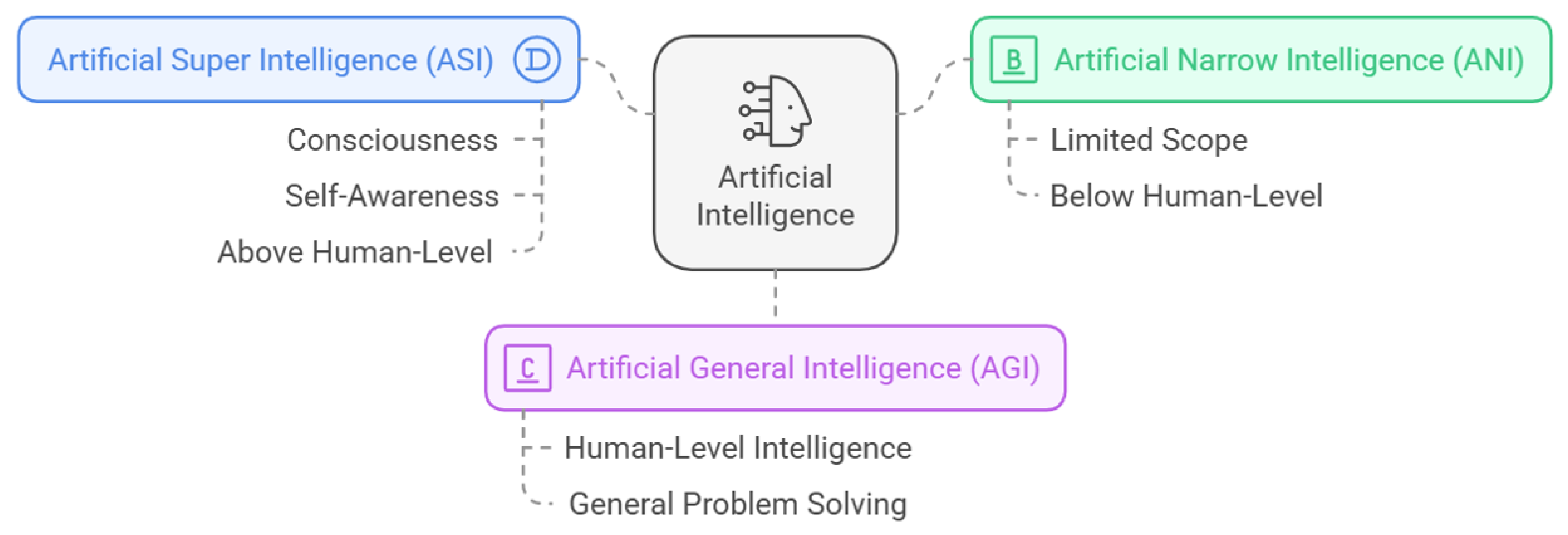
Figure 2.
Types of AI system. Source: [22].
Figure 2.
Types of AI system. Source: [22].

Figure 3.
Conceptual Framework of LLM-based Agent. Source: [58].
Figure 3.
Conceptual Framework of LLM-based Agent. Source: [58].
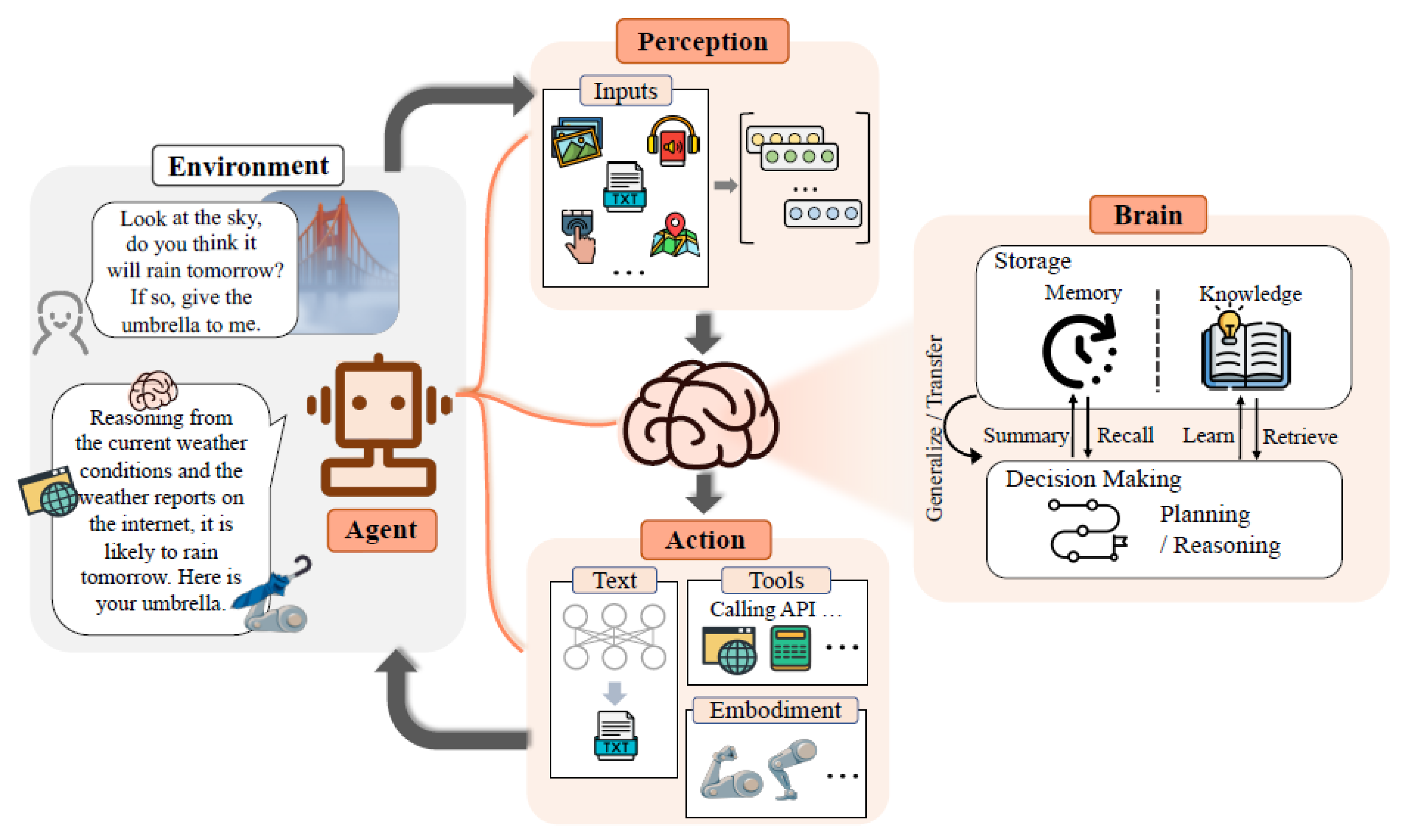
Figure 4.
Snowballing Procedure. Source: [82].
Figure 4.
Snowballing Procedure. Source: [82].
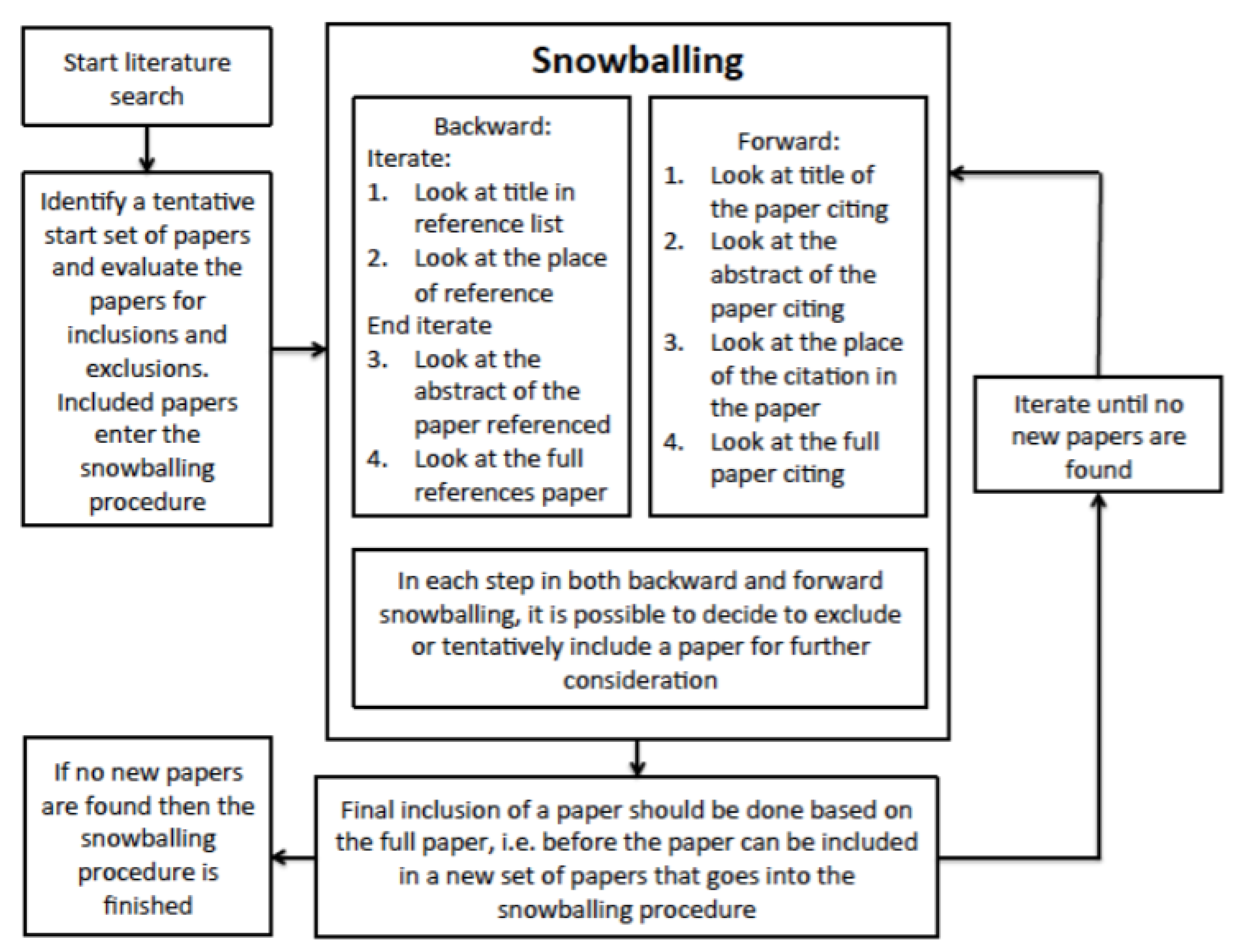
Figure 5.
PRISMA Flow Chart of Study Selection Process for SLR.
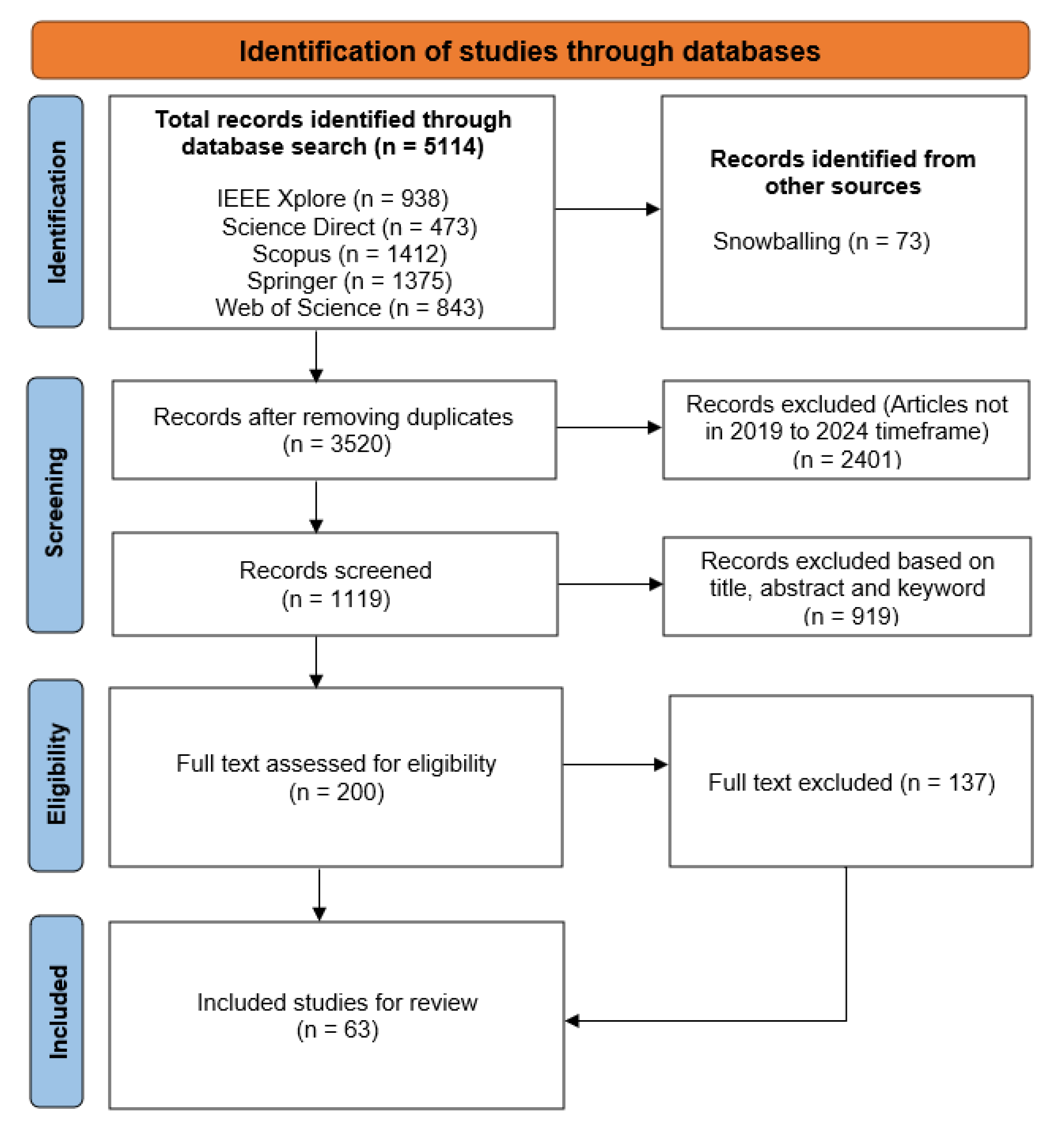
Figure 6.
Distribution of Publication Sources.
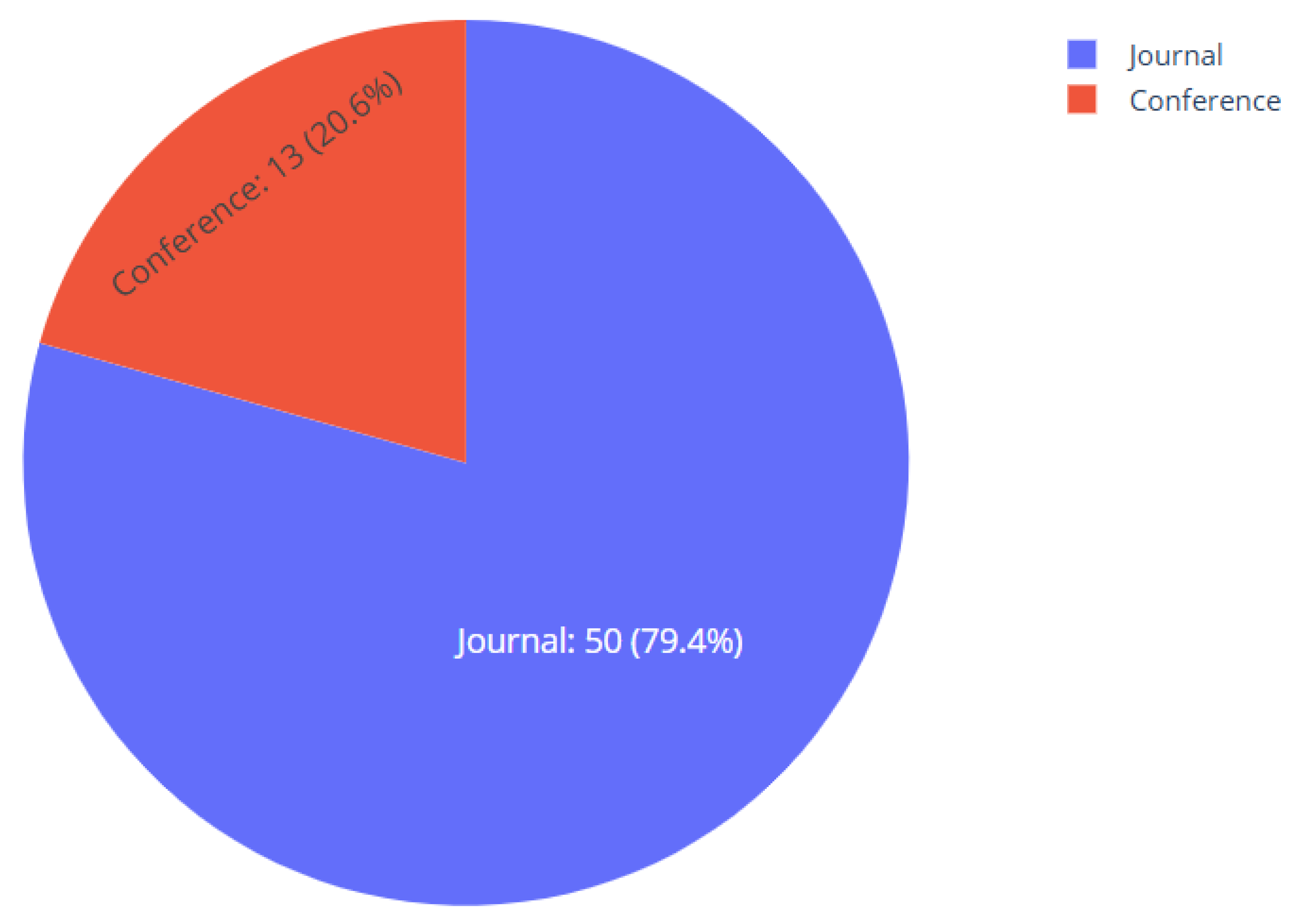
Figure 7.
Year Wise Distribution of SLR Papers.
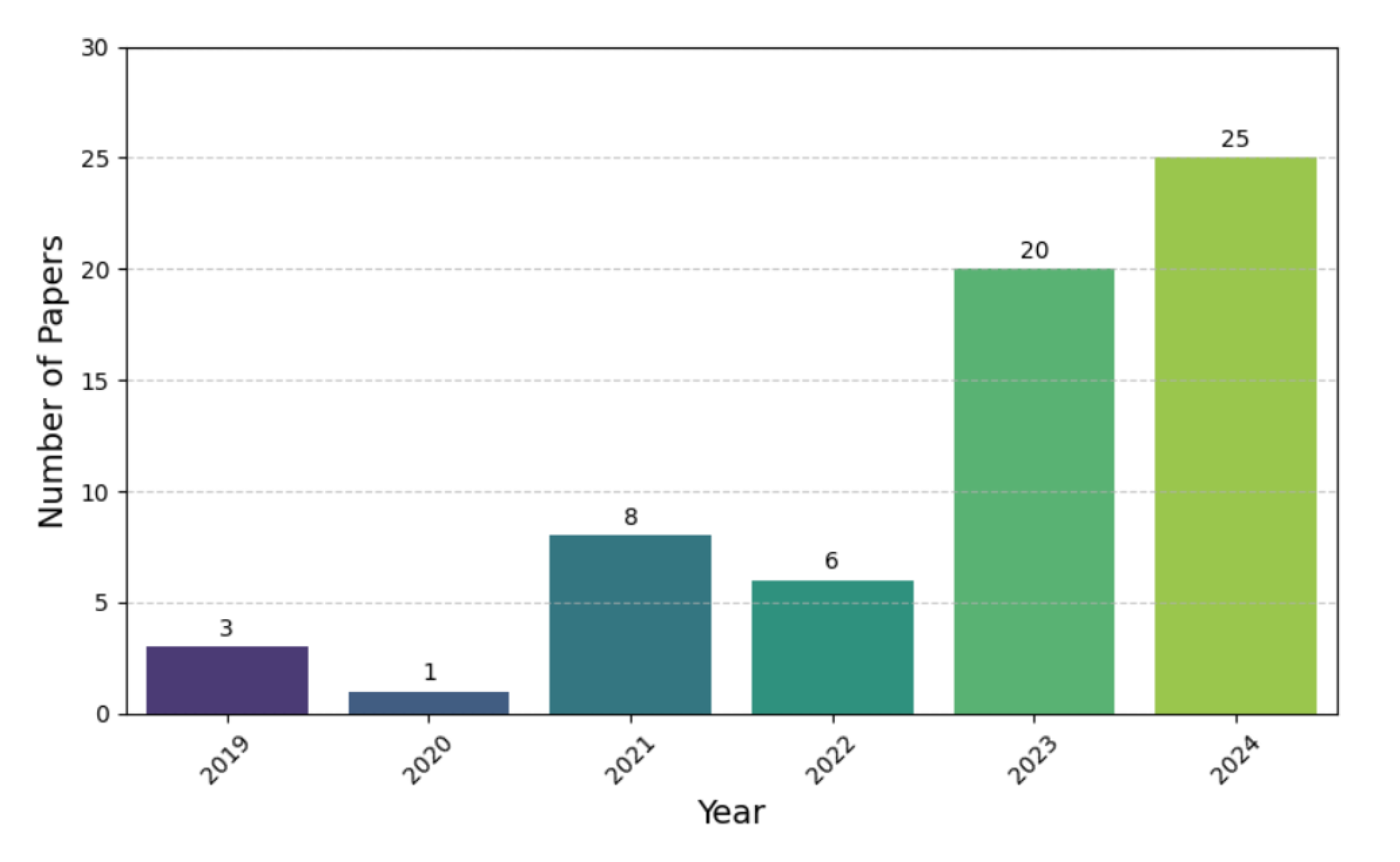
Figure 8.
Cloud of Words.
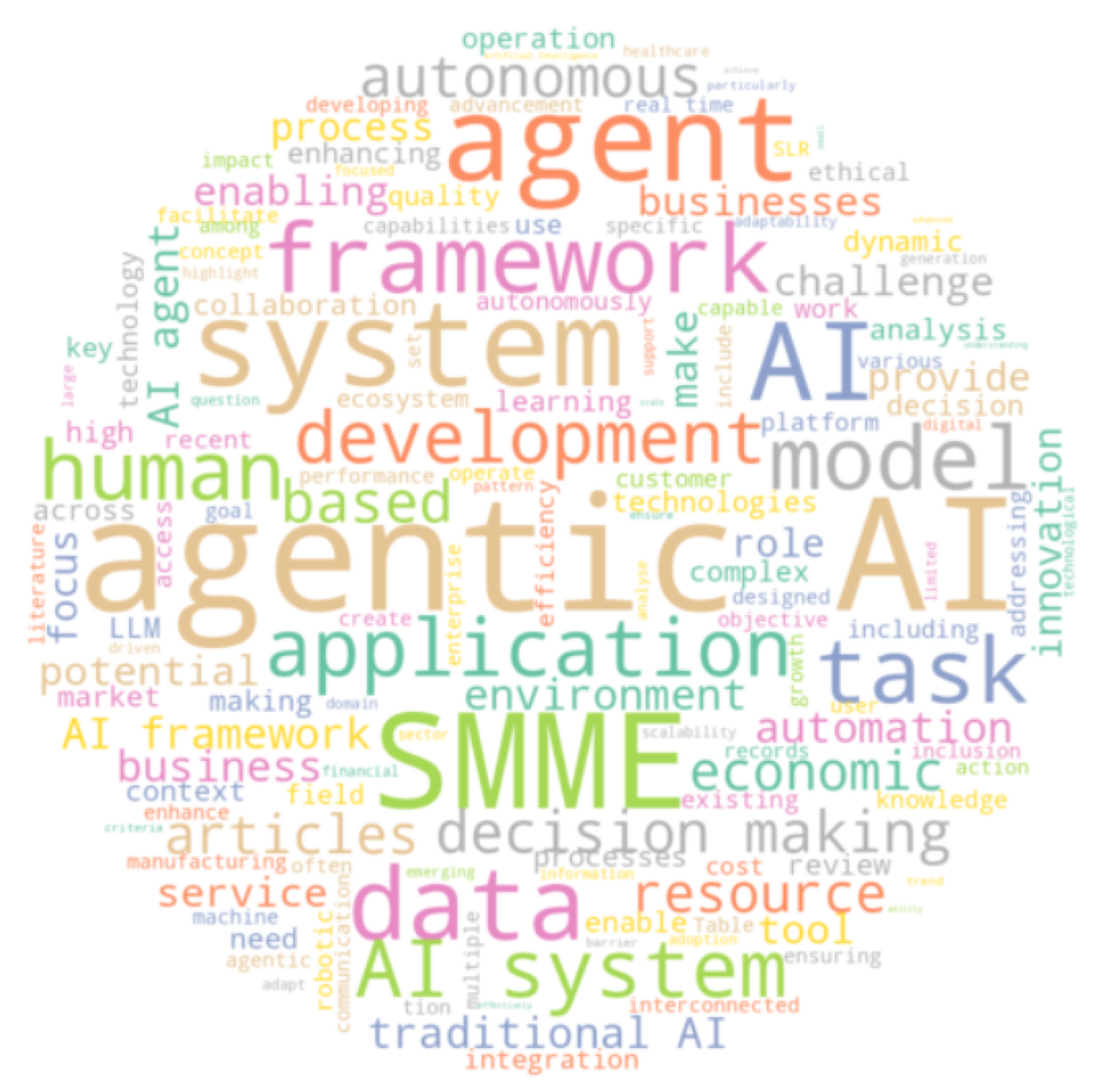

Table 1.
Comparative Analysis of Technological Progressions.
| Industrial Revolution | Key Innovations | Focus | Economic Impact | Limitations |
|---|---|---|---|---|
| First (1760–1840) | - Steam Engine: Revolutionized transportation and manufacturing. - Textile Machinery: Innovations like the spinning jenny and power loom increased cloth production. - Iron Production: Improved methods, such as the blast furnace, enhanced material quality. | Mechanization of production processes. | - Industrialization: Shift from agrarian economies to industrial manufacturing. - Urbanization: Growth of factory-based cities. - Productivity: Significant increase in goods production. | - Labor Conditions: Harsh working environments in factories. - Environmental Impact: Increased pollution from coal usage. - Social Displacement: Traditional artisans faced unemployment. |
| Second (1870–1914) | - Electricity: Enabled longer working hours and powered new machinery. - Assembly Line: Pioneered by Ford, streamlined mass production. - Internal Combustion Engine: Led to automobiles and airplanes. - Steel Production: Bessemer process allowed mass steel production. | Mass production and electrification. | - Economic Growth: Rapid industrial expansion and consumer goods availability. - Transportation: Development of automobiles and aviation. - Communication: Inventions like the telegraph and telephone improved connectivity. | - Worker Exploitation: Repetitive tasks led to labor unrest. - Resource Depletion: Intensive use of natural resources. - Income Inequality: Widening gap between industrialists and workers. |
| Third (1960–2000) | - Computers: Transition from mainframes to personal computers. - Internet: Global network facilitating instant communication and information sharing. - Semiconductors: Miniaturization of electronic components. - Telecommunications: Mobile phones and satellites enhanced connectivity. | Digital automation and information technology. | - Globalisation: Enabled outsourcing and international trade. - Service Economy: Shift from manufacturing to services in developed nations. - Information Access: Democratization of knowledge through the internet. | - Digital Divide: Unequal access to technology. - Job Displacement: Automation reduced demand for certain jobs. - Privacy Concerns: Rise of data collection and surveillance. |
| Fourth (2010–Present) | - Artificial Intelligence (AI): Machines capable of learning and decision-making. - Internet of Things (IoT): Devices interconnected via the internet. - Robotics: Advanced robots performing complex tasks. - Blockchain: Decentralized digital ledgers enhancing security. - Quantum Computing: Potential to solve complex problems beyond classical computers’ capabilities. | Integration of digital, biological, and physical technologies. | - Smart Manufacturing: Factories with autonomous systems. - Personalization: Tailored products and services based on data analytics. - Economic Disruption: Emergence of new business models and markets. | - Ethical Dilemmas: AI decision-making and accountability issues. - Cybersecurity Threats: Increased risk of digital attacks. - Job Market Shifts: Need for reskilling due to automation. |
Table 2.
Database Search Results
| Database | Initial Search | Screened | Full-Text | Relevant |
|---|---|---|---|---|
| Results | Articles | Assessed | Articles | |
| IEEE Xplore | 938 | 135 | 45 | 11 |
| Science Direct | 473 | 97 | 23 | 8 |
| Scopus | 1,412 | 454 | 59 | 20 |
| Springer | 1,375 | 307 | 42 | 5 |
| Web of Science | 843 | 126 | 31 | 7 |
| Snowballing | 73 | – | – | 12 |
| Total | 5,114 | 1,119 | 200 | 63 |
Table 3.
Quality Assessment Checklist
| No | Questions |
|---|---|
| QA1 | Does the study satisfy the requirements for inclusion and exclusion? |
| QA2 | Is the reporting comprehensible and consistent? |
| QA3 | What is the reliability of the findings? |
| QA4 | Is the article published in a reputable journal? |
| QA5 | Are the study’s findings in line with the the primary objective? |
Table 4.
Quality Assessment of Selected Studies.
| Study ID | Author | Year | QA1 | QA2 | QA3 | QA4 | QA5 | Total Score |
|---|---|---|---|---|---|---|---|---|
| S1 | [39] | 2023 | 3 | 2 | 3 | 3 | 2 | 13 |
| S2 | [58] | 2023 | 3 | 3 | 3 | 3 | 3 | 15 |
| S3 | [62] | 2024 | 3 | 3 | 3 | 3 | 3 | 15 |
| S4 | [63] | 2024 | 3 | 2 | 2 | 3 | 2 | 12 |
| S5 | [64] | 2024 | 3 | 3 | 3 | 3 | 3 | 15 |
| S6 | [84] | 2024 | 3 | 3 | 3 | 2 | 2 | 13 |
| S7 | [85] | 2024 | 3 | 3 | 2 | 3 | 3 | 14 |
| S8 | [86] | 2023 | 2 | 2 | 3 | 3 | 2 | 12 |
| S9 | [87] | 2023 | 2 | 2 | 3 | 2 | 2 | 11 |
| S10 | [88] | 2023 | 3 | 3 | 3 | 3 | 3 | 15 |
| S11 | [89] | 2023 | 3 | 2 | 3 | 2 | 3 | 13 |
| S12 | [90] | 2023 | 3 | 3 | 3 | 3 | 3 | 15 |
| S13 | [91] | 2023 | 2 | 3 | 2 | 3 | 2 | 12 |
| S14 | [92] | 2020 | 2 | 1 | 2 | 2 | 2 | 9 |
| S15 | [93] | 2023 | 3 | 2 | 3 | 2 | 2 | 12 |
| S16 | [94] | 2024 | 2 | 2 | 3 | 2 | 2 | 11 |
| S17 | [95] | 2023 | 3 | 1 | 2 | 2 | 2 | 10 |
| S18 | [96] | 2022 | 2 | 3 | 3 | 2 | 3 | 13 |
| S19 | [97] | 2021 | 3 | 2 | 2 | 2 | 3 | 12 |
| S20 | [98] | 2024 | 3 | 2 | 1 | 2 | 3 | 11 |
| S21 | [99] | 2022 | 1 | 2 | 2 | 2 | 1 | 8 |
| S22 | [100] | 2023 | 2 | 3 | 3 | 2 | 2 | 12 |
| S23 | [101] | 2022 | 3 | 3 | 3 | 2 | 2 | 13 |
| S24 | [102] | 2021 | 2 | 3 | 2 | 2 | 2 | 11 |
| S25 | [103] | 2019 | 2 | 2 | 2 | 2 | 1 | 9 |
| S26 | [104] | 2024 | 3 | 3 | 3 | 2 | 3 | 14 |
| S27 | [105] | 2024 | 3 | 3 | 3 | 2 | 2 | 13 |
| S28 | [106] | 2023 | 3 | 3 | 3 | 2 | 3 | 14 |
| S29 | [107] | 2024 | 3 | 3 | 2 | 1 | 3 | 12 |
| S30 | [108] | 2023 | 3 | 2 | 3 | 2 | 2 | 12 |
| S31 | [109] | 2021 | 2 | 1 | 2 | 2 | 2 | 9 |
| S32 | [110] | 2021 | 2 | 3 | 1 | 2 | 2 | 10 |
| S33 | [111] | 2019 | 2 | 2 | 2 | 1 | 2 | 9 |
| S34 | [112] | 2021 | 3 | 3 | 3 | 2 | 3 | 14 |
| S35 | [113] | 2022 | 3 | 2 | 3 | 2 | 2 | 12 |
| S36 | [114] | 2023 | 3 | 3 | 3 | 2 | 2 | 13 |
| S37 | [115] | 2024 | 3 | 2 | 3 | 2 | 2 | 12 |
| S38 | [116] | 2019 | 3 | 2 | 2 | 2 | 2 | 11 |
| S39 | [117] | 2023 | 3 | 3 | 2 | 2 | 3 | 13 |
| S40 | [118] | 2024 | 3 | 3 | 3 | 2 | 3 | 14 |
| S41 | [119] | 2023 | 3 | 3 | 2 | 2 | 3 | 13 |
| S42 | [120] | 2024 | 3 | 3 | 3 | 3 | 3 | 15 |
| S43 | [121] | 2024 | 3 | 3 | 2 | 2 | 2 | 12 |
| S44 | [122] | 2023 | 2 | 3 | 3 | 1 | 2 | 11 |
| S45 | [123] | 2023 | 2 | 3 | 3 | 2 | 3 | 13 |
| S46 | [124] | 2023 | 3 | 2 | 1 | 2 | 3 | 11 |
| S47 | [125] | 2024 | 2 | 3 | 2 | 3 | 3 | 13 |
| S48 | [126] | 2024 | 3 | 3 | 2 | 2 | 2 | 12 |
| S49 | [127] | 2021 | 2 | 3 | 3 | 2 | 2 | 12 |
| S50 | [128] | 2024 | 3 | 3 | 3 | 2 | 3 | 14 |
| S51 | [129] | 2024 | 2 | 3 | 3 | 2 | 3 | 13 |
| S52 | [130] | 2024 | 3 | 3 | 2 | 2 | 3 | 13 |
| S53 | [131] | 2022 | 3 | 2 | 2 | 2 | 2 | 11 |
| S54 | [132] | 2024 | 2 | 1 | 1 | 2 | 3 | 9 |
| S55 | [133] | 2023 | 2 | 3 | 2 | 2 | 3 | 12 |
| S56 | [134] | 2024 | 3 | 2 | 3 | 2 | 2 | 12 |
| S57 | [135] | 2024 | 3 | 2 | 1 | 2 | 3 | 11 |
| S58 | [136] | 2024 | 2 | 3 | 3 | 2 | 3 | 13 |
| S59 | [137] | 2021 | 3 | 2 | 2 | 2 | 3 | 12 |
| S60 | [138] | 2021 | 2 | 3 | 3 | 2 | 3 | 13 |
| S61 | [139] | 2024 | 3 | 3 | 3 | 2 | 3 | 14 |
| S62 | [140] | 2022 | 3 | 2 | 3 | 2 | 2 | 12 |
| S63 | [141] | 2024 | 2 | 3 | 3 | 2 | 3 | 13 |
Table 5.
Comparison of Traditional AI and Agentic AI in Business Contexts.
| Aspect | Traditional AI | Agentic AI |
|---|---|---|
| Learning Capability | Limited to predefined algorithms and historical data | High, with the ability to learn and adapt from new data and experiences |
| Autonomy | Low, requires significant human oversight and intervention | High, capable of making independent decisions and operating autonomously |
| Flexibility | Rigid, operates within the constraints of its initial programming | Flexible, can adjust to new and unforeseen situations |
| Collaboration | Operates in isolation, requires external systems to coordinate tasks | Operates within ecosystems of interconnected agents, enabling seamless collaboration to achieve shared goals |
| Scalability | Requires significant human input to scale across systems or business units | Scales autonomously by learning from its environment, making it ideal for large-scale, dynamic applications such as global logistics |
| Transparency | Often lacks interpretability, making decision-making processes opaque | Incorporates explainability — providing insights into decisions and fostering trust |
| Application | Data analysis, automation, decision support | Autonomous systems, real-time decision-making, adaptive business strategies, collaborative robotics |
| Impact on Business | Enhances efficiency and consistency in operations | Drives innovation, improves responsiveness, and supports complex decision-making |
Disclaimer/Publisher’s Note: The statements, opinions and data contained in all publications are solely those of the individual author(s) and contributor(s) and not of MDPI and/or the editor(s). MDPI and/or the editor(s) disclaim responsibility for any injury to people or property resulting from any ideas, methods, instructions or products referred to in the content. |
© 2025 by the authors. Licensee MDPI, Basel, Switzerland. This article is an open access article distributed under the terms and conditions of the Creative Commons Attribution (CC BY) license (http://creativecommons.org/licenses/by/4.0/).
Copyright: This open access article is published under a Creative Commons CC BY 4.0 license, which permit the free download, distribution, and reuse, provided that the author and preprint are cited in any reuse.


