

Submitted:
19 February 2024
Posted:
21 February 2024
You are already at the latest version
Abstract
Herbal Coffee is getting more popular due to its unique flavor and higher concentration of bioactive compounds, mainly polyphenols. Rosemary is a unique herb with potent antioxidant properties. A green technique called ultrasound aids in releasing bioactive substances from the plant cell wall. In this context, ultrasound-assisted herbal coffee prepared and their anti-diabetic, anti-Alzheimer, and antioxidant activities were measured while the LC/MS was used to determine the bioactive components from the herbal coffee infusion. A total of 95 secondary metabolites were putatively reported, including alkaloids, phenolic acids, and flavonoids, which we identified in the herbal coffee infusion. The total phenolic content (61.5 ± 5.1 mg GAE/g), total flavonoid content (19.3 ± 0.9 mg QE/g), and total condensed tannin (7.6 ± 0.7 mg CE/g) of herbal coffee infusion were observed to be highest of the two remaining samples. The herbal coffee extracts were used to determine all samples' antioxidant, anti-diabetic, and anti-Alzheimer activities. Using LC-MS/MS, we semi-quantified 19 phenolic metabolites. The results show numerous bioactive components in herbal coffee infusion with more potent antioxidant, antidiabetic, and anti-Alzheimer potential. Moreover, more studies must be conducted to confirm how the metabolomic profile of herbal coffee affects its flavor profile.
Keywords:
rosemary
; coffee
; diabetes
; phenolic compounds
; functional foods
; antioxidants
; human health
1. Introduction
Reportedly, the imbalance in the production of free radicals and scavengers in the body could lead to oxidative stress, which ultimately causes diabetes and Alzheimer's [1,2]. The utilization of phytochemicals, particularly polyphenols, as antioxidants in medicine, has sparked significant importance as a substitute for synthetic antioxidants [1,3]. Extensive evidence over several decades has consistently demonstrated that fruits and medicinal plants have the ability to block or reduce the occurrence of chronic illnesses [4,5]. Fruits and medicinal plants possess phenolic compounds that exert a beneficial influence on body cells. Various bioactive metabolites such as carotenoids, terpenoids, vitamins, and phenolic compounds can reduce the likelihood of developing cardiovascular illnesses, numerous malignancies, and neurological disorders [2,4].
Diabetes mellitus is a prominent global cause of mortality and is distinguished by elevated levels of glucose in the bloodstream [6]. Alpha-glucosidase, also known as α-glucosidase, is the primary enzyme responsible for the hydrolysis, breakdown, and assimilation of sugars in the human body. Hence, the act of suppressing α-glucosidase proves to be a highly efficient approach in the treatment and reduction of type 2 diabetes [7]. There is a growing inclination towards utilizing natural resources for the treatment of diabetes. Several nutraceuticals and bioactive substances have been studied for their potential to manage or suppress the problems associated with diabetes [7,8,9].
Alzheimer's disease is a prevalent neurodegenerative condition characterized by changes in oxidative stress, energy metabolism, protein malfunction, impairment of the neuro-vascular system, and loss of neurotrophic support [10]. AChE, or acetylcholinesterase, is an enzyme that acts as a serine hydrolase and plays a role in inhibiting the transmission of nerve impulses by breaking down acetylcholine, which is a neurotransmitter. Therefore, the brain's regular functioning necessitates the suppression of AChE. Utilizing phenolic metabolites is a therapeutic strategy for reducing the occurrence of pre- or post-diabetic conditions and inhibition of Alzheimer's [11]. Therefore, it is crucial to do a comprehensive analysis and recognition of phenolic metabolites to recognise the substantial effect of polyphenols on both food and human health. Coffee is one of the most popular drinks in the world and has several antioxidants, primarily phenolic compounds. Antioxidants are recognized for their capacity to counteract detrimental free radicals within the body. Free radicals are unstable molecules that can cause oxidative stress and contribute to a number of chronic diseases by destroying DNA, proteins, and cells [12]. Rosemary is a well-known herb that contains high levels of carnosic acid and rosmarinic acid. These substances have potent antioxidant qualities [13]. Defending tissues and cells against oxidative damage lowers the chance of chronic illness and inflammation. The antioxidants in coffee and rosemary work together to provide a beneficial outcome potentially. The antioxidants in coffee and rosemary may work together to increase their efficiency in scavenging free radicals, resulting in a more robust defense against oxidative stress.
With rosemary's earthy and herbaceous scent, rosemary and coffee blend to create a distinctive and aromatic beverage called rosemary coffee. This infusion gives a delightful twist to ordinary coffee by infusing coffee beans with either fresh or dried rosemary leaves. The result is a distinct and stimulating drink [14]. The flavor profile of coffee is enhanced by adding rosemary, a popular herb used in cooking. While there are other ways to make rosemary coffee, the general method is to add rosemary to the coffee grounds before brewing so that the flavors of the herb can seep into the coffee. As a result, coffee has a pleasant, herbaceous scent that enhances its inherent qualities. Rosemary is renowned for its antioxidant qualities and has been linked to several health advantages, including its ability to reduce inflammation and improve cognitive function [13]. The unique blend of flavour and possible health benefits of rosemary coffee is enhanced by the addition of rosemary, which also contains a range of bioactive compounds. The combination of the coffee and rosemary components in rosemary coffee gives it antioxidant qualities that make it a desirable and possibly healthful substitute for regular coffee.
Studies have indicated that some components of rosemary, such as carnosic acid and rosmarinic acid, may play a part in blood sugar management. These substances improve insulin sensitivity, which could aid in lowering blood sugar levels [15,16]. The insulin-mimetic properties of a few bioactive components found in rosemary have been studied. These substances function similarly to insulin by encouraging cells to absorb glucose, which assists in controlling blood sugar levels. C. arabica accounts for over 70% of global coffee production [17]. Coffee is well-known for the many health benefits linked to its phytochemicals, which include organic acids, hormones, amino acids, sesquiterpenoids and polyphenols. Tannic and nicotinic acids, as well as caffeine, are present in coffee. Caffeic acid, quinic acid derivatives (chlorogenic acid), p-coumaric acid, ferulic acid, melatonin, as well as serotonin are the most prevalent bioactive metabolites [18]. Additionally, coffee includes proanthocyanidins, cinnamaldehydes, and cinnamic acids, all of which have antibacterial, anti-cancer, anti-diabetic, and antioxidant qualities. Because of their capacity to scavenge free radicals inside the biological system, phenolic compounds are primarily responsible for the antioxidant activity of coffee. Along with other bioactive compounds, it is also rich in polyphenols, such as quercetin, vanillic acid, and p-hydroxybenzoic acid. The compounds found in coffee samples have positive effects on human health as they scavenge free radicals. Despite some debatable health effects, coffee is the second most popular beverage in the world behind tea. Coffee is well known for its beneficial effects on health, which include its ability to prevent diabetes, increase metabolic rate, and treat a number of metabolic problems [19]. A biological condition known as oxidative stress is caused by a redox imbalance and results in the death of cellular components, including DNA. Reactive oxygen species (ROS), which are the primary source of redox imbalance, are also significantly increased by ageing. Antioxidants are therefore essential in diets to prevent illnesses [20]. Coffee is said to provide numerous health advantages, such as anti-cancer, anti-Alzheimer potential, and anti-diabetic properties. However, some research indicated that caffeine has beneficial effects [21]. However, consuming too much caffeine can cause anxiety, excitement, and adverse side effects as headache, tachycardia, nausea, migraine, tremor, and raised blood pressure [21,22]. Individuals with liver illness, expectant mothers, young children, and developing fetuses are among the categories most vulnerable to the harmful effects of coffee use [21]. It is crucial to forecast how well tiny compounds would function in inhibiting different enzymes that are the main contributors to target diseases.
Previously cardamom herbal coffee was studied [14]. Previously rosemary infusions were prepared but rosemary coffee infusion still needs to be explored [13]. Therefore, this study aimed to prepare rosemary herbal coffee infusion and their antioxidant, antidiabetic, and anti-Alzheimer potential. Coffee and rosemary have thousands of phytochemical metabolites that still need to be thoroughly characterized and identified. Therefore, to fill the gap this work used LC-ESI-MS/MS-QTOF for screening, identification, and quantification of the most prevalent phenolic compounds to investigate rosemary coffee's complex nutritional and phytochemical profile. Additionally, this study examined total condensed tannins (TCT), total phenolic content (TPC), and total flavonoid content (TFC) of herbal coffee. To further understand the total antioxidant and antidiabetic potential of rosemary herb, coffee, and herbal coffee infusion, the following in-vitro antioxidant assays were carried out: 2,2'-azino-bis-3-ethylbenzenzothiazoline-6-sulfonic acid (ABTS), ferrous ion chelating assay (FICA), hydroxy-radical scavenging activity (•OH-RSA), alpha-glucosidase and AChE inhibition activities were determined.
2. Materials and Methods
2.1. Materials
Chem-Supply Pty Ltd. (Adelaide, SA, Australia) supplied 30% hydrogen peroxide (H2O2) and sodium carbonate anhydrous, while RCI Labscan (Rongmuang, Thailand) provided the 98% sulfuric acid. Ethanol, methanol, acetonitrile, formic acid, and iron (III) chloride anhydrous were among the HPLC and LC-MS grade chemicals that were acquired from Thermo Fisher Scientific Inc. (Scoresby, VIC, AU).
2.2. Preparation of herbal coffee infusion
Coffee (1g), rosemary (1g) and rosemary plus coffee (0.5+0.5g) were taken in 250 mL bottles and 100 mL water was added in triplicate with the following the method of Peixoto et al. [13] with modification. The bottles were placed in an ultrasonic water bath set at 100°C for 10 minutes. The water bath was set the temperature at 100°C before putting the bottles. After said time, bottles were removed with hand gloves and placed at 4°C for a few minutes to cool down and then 10 mL extract were taken into 50 mL falcon tubes and mixed with 10 mL ethanol. Samples were centrifuged (Allegra X-12R centrifuge) at 8000 rpm for 10 minutes. Extractions were centrifuged and filtered through a 0.45 μm syringe filter and stored at −20°C for further analysis within a week.
2.3. Measurement of phenolic contents
2.3.1. Total phenolic content
The determination of TPC was conducted using the technique described by Ali et al. [23] with all experiments done in triplicate. Each phenolic extract, measuring 25 μL, was combined with 25 μL of Folin-Ciocalteu (F-C) reagent (25%, v/v) and 200 μL of water in a 96-well plate. The mixture was then incubated for 5 minutes before adding 25 μL of 10% sodium carbonate. The solution was kept at room temperature in the absence of light for 1 hour, and the amount of light absorbed was measured at a wavelength of 765 nm. The results were quantified as milligrams of gallic acid (0–200 μg/g) equivalents per gram of the material (mg GAE/g).
2.3.2. Total flavonoid content
The method outlined by Ali et al. [24] was modified to analyze the flavonoid content of the samples. In 96-well plates, 80μL of sample extract was extracted and combined with 120μL of sodium acetate aqueous solution (50%), and 80μL of AlCl3 solution. Following the creation of the reaction mixture, the sample was incubated for 2.5 hours at 25°C in the dark, and the absorbance at 440nm was measured using a spectrophotometer. A standard curve of quercetin was created for the determination of flavonoid concentration, plotting 0–50 μg/mL of quercetin in methanol. The results were expressed in milligrams quercetin equivalents per gram of the initial weight of sample.
2.3.3. Total condensed tannin
The TCT was conducted using the methodology outlined by Kiani et al. [25] with some alterations. A 25 µL aliquot was utilized and combined with 150 µL of a 4% vanillin solution. Subsequently, 25 µL of a solution containing 32% H2SO4 was introduced into the mixture. The sample was thereafter placed in an incubator and kept at a temperature of 25 °C for a duration of 15 minutes. The absorbance was measured at a wavelength of 500 nm, and a standard curve of catechin concentrations ranging from 0 to 1000 μg/mL was constructed. The findings were reported in milligrams of catechin equivalents per gram (mg CE/g).
2.4. Biological activties of herbal coffee
2.4.1. Antioxidant potential
The ABTS assay was carried out using the procedures outlined by Ali et al. [26]. The ABTS activity was measured by adding 10μL of sample extract and 290μL of ABTS+ solution in a 96-well plate was incubated at room temperature for six minutes. The measurement was conducted by creating a standard curve against Trolox concentrations ranging from 0 to 300μg/mL at 734nm. The results were reported as mg AAE/g. The methodology outlined by Patel [65] and Ali et al. [62] was slightly modified in order to determine the ferrous ion chelating activity using 562nm absorbance. Using this approach, 15μL of extract was combined with 50μL of ferrous chloride (2 mM), 85μL of water and 50μL of ferrozine (5mM), as well as the mixture was incubated at 25°C for 10 minutes.
The data are reported as mg EDTA/g. A standard curve was created using EDTA at 0 to 50 μg/mL for measurement. The procedure of Ali et al. [61] was followed to measure the •OH-RSA of herbal coffee samples. This procedure involved mixing 50 μL of herbal coffee extract with 6 mM hydrogen peroxide (30%) and 50μL of anhydrous ferrous sulphate, FeSO47H2O (6mM), and incubating for 15 minutes at 26°C in dark. Then, fifty microliters of six millimolar 3-hydroxybenzoic acid was mixed and absorbance was recorded at 510nm. The results are given in mg AAE/g with 0-300 μg/ml ascorbic acid.
2.4.2. Antidiabetic potential measured by alpha-glucosidase inhibition activity
This experiment was conducted using a modified version of Ali et al. [23] methodology. To do this, 20 microliters of herbal coffee extract and 90 microliters of potassium phosphate buffering solution (0.12 M, pH 6.8) were combined. Following the addition of 20μL of alpha glucosidase solution, the mixture was incubated at 37°C for 25 minutes. After the incubation period, a 25mM pNPG solution in 20 μL was incubated for 30 minutes at 37°C. The absorbance was measured at 405 nm after the precipitates were dissolved in 70μL of dimethyl sulfoxide. α-glucosidase inhibition was determined in triplicate. Acarbose served as the material of reference. The results were presented as IC50 μg/mL of rosemary coffee infusion.
2.5.3. AChE inhibition potential
Measurements of the acetylcholinesterase inhibitory activity of herbal coffee infusion were conducted using a modified version of Ali et al. [23] methodology. 96-well plates were filled with 100 μL of 50 mM Tris-HCl buffer (pH 7.8), 20 μL extract solution, and 20 μL of AChE solution (from Electrophorus electricus, 5 units/mL). The plates were then left to stand at room temperature in the dark for 30 minutes. Subsequently, each well was filled with 40 μL of 3 mM 5,5′-Dithiobis-2-nitrobenzoic acid (DTNB) and 20 μL of 15 mM acetylcholine iodide (ATCl). Varioskan LUX (Thermo Scientific, Massachusetts, United States) was used to measure the reaction mixture's absorbance at 405 nm. Galantamine was used as a reference drug. The results were presented as IC50 μg/mL of rosemary coffee infusion.
2.6. LC-MS/MS analysis of herbal coffee infusion
The identification and thorough profiling of rosemary coffee was done using the techniques of Ali et al. [27]. The column specifications were: Synergi hydro-reverse phase with 4.6mm international diameter and 4μm particle size and 250mm length and 80Å pore size. The LC-MS machine was Agilent 6520 accurate-mass quadrupole-time of flight. The flow rate was set at 600 μL/min. For every extract, an aliquot containing 06 μL was injected. 0.1% formic acid in water was used as mobile phase A, while 0.1% formic acid in acetonitrile was used as mobile phase B. With the following parameters, a full scan mode was accomplished in the 100–1300 amu range: nozzle voltage (500 V), nitrogen gas flow rate (9L/min) at 325°C and capillary voltage was set at 3500V while nebulization was set at 45psi. The fragmentation of metabolites was accomplished using 10, 20, and 40 eV collision energies. The metabolites in rosemary coffee were identified using the MassHunter Workstation Software (LC/MS Data Acquisition for 6200 series TOF/6500 series Q-TOF) (Version B.06.01).
2.7. Bioaccessibility of phenolic compounds
3. Results and discussion
3.1. Quantification of phenolic contents of herbal coffee infusion
Coffee is receiving more attention these days considering its potential bioactive ingredients, which include tannins, flavonoids, and phenolic acids. These chemical compounds have enormous antioxidant potential and may benefit the human body. Table 1 displays the findings for phenolic contents quantification.
TPC is thought to represent all phenolic compound types. The most used technique for determining the phenolic levels in plant extracts is the Folin-Ciocalteu (F-C) method. Rosemary coffee infusion had the highest TPC (61.5 ± 5.1 mg GAE/g) of all the samples examined, which was determined using the Folin-Ciocalteu reagent. Rosemary and coffee extracts was measured the TPC (54.2 ± 4.8 mg GAE/g and 14.3 ± 2.2 mg GAE/g), respectively. The TPC of coffee are comparable to those of Kim et al.'s [30] reported the TPC 9.36 ± 0.21 g CE/g) of fennel (Foeniculum vulgare). Previously, Król et al. [31] measured the TPC of organic roasted and unroasted coffee to be between 7.95 and 8.74 mg GAE/g. They claimed that as compared to regular coffee, organic coffee has higher phenolic levels. According to Cáceres-Vélez et al. [32], the TPC of coffee was higher than that of tamarind (3.72 mg GAE/g), finger lime (0.71 mg GAE/g) as well as mountain pepper (5.91 mg GAE/g). Previously, published values of fennel (8.31 ± 0.03 mg GAE/g) as well as fenugreek (7.58 ± 0.35 mg GAE/g) were comparable to the TPC value of coffee [33]. The TPC of rosemary (54.2 ± 4.8 mg GAE/g) is found comparable to previously reported TPC of rosemary (50.7 and 58.6 mg GAE/g) by Shan et al. [34] and Ali et al. [33]. Coffee's phenolic content is influenced by roasting, which is a crucial phase in the process. The phenolic levels of various coffee beans vary greatly because of variations in roasting methods, cultivars, and geographic area [35]. The entire phenolic content of coffee beans is also influenced by the various extraction techniques used. Rosemary coffee infusion has a lot of phenolic components, which are known for antioxidants, antidiabetic, and anti-Alzheimer properties. Due to the use of different cultivars for phenolic content extraction and quantification in the current and previous investigations, the TPC value may differ [33].
Furthermore, condensed tannins and flavonoids are the two main phenolic components found in rosemary coffee infusion. Total flavonoid content analysis revealed that rosemary coffee infusion contained significantly higher total flavonoids (19.3 ± 0.9 mg QE/g) than both rosemary (16.1 ± 1.1 mg QE/g) and coffee (3.2 ± 0.1 mg QE/g). Results indicate that of the chosen set of plants, coffee (3.2 ± 0.1 mg QE/g) has the lowest content of flavonoids. The most prevalent class of secondary plant metabolites, flavonoids are used in cosmetic, medicinal, and pharmaceutical applications due to their anti-inflammatory, anticarcinogenic, antioxidative, and antimutagenic qualities [36]. In a comparable investigation on the flavonoid content of lemongrass, chicory, and ryegrass, the same TFC results were obtained, indicating lemongrass (6.19 ± 0.09 mg QE/g), chicory (1.06 ± 0.01 mg QE/g) and ryegrass (1.52 ± 0.13 mg QE/g). Findings show that TFC value of rosemary in current study is similar to the TFC value of previously studied lemongrass [37]. Compared to other chosen food plants, rosemary coffee exhibited notably greater total tannin concentration (5.6 ± 0.7 mg CE/g), followed by coffee (3.5 ± 0.3 mg CE/g) and rosemary (2.3 ± 0.2 mg CE/g). Previous studies measuring total tannin levels in ryegrass (2.11 ± 0.06 mg CE/g), moringa (8.31 ± 1.58 mg CE/g), Australian lemongrass (1.36 ± 0.08 mg CE/g) [38] and chicory (0.84 ± 0.03 mg CE/g) [37], reported comparable results. Overall, herbs contain a higher concentration of flavonoids and phenolic acids than other phenolics. Rosemary coffee infusion also contains the highest concentration of total condensed tannins (7.6 ± 0.7 mg CE/g). Coffee extract also contains higher concentrations of TCT 3.5 ± 0.3 mg CE/g) than rosemary (2.3 ± 0.2 mg CE/g).
3.2. Estimation of antioxidant, anti-diabetic and antu-Alzhemirs potential of herbal coffee infusion
The capacity of bioactive compounds to shield biological systems from oxidative stress is known as antioxidant activity [1]. To map and comprehend the antioxidant potential of rosemary, coffee, and herbal coffee, we carried out various experiments in this study (Table 2). Further analysis of the antioxidant , anti-diabetic and anti-Alzheimer activity of herbal coffee was conducted using several mechanisms, such as the ability of the sample to reduce power and scavenge radicals. Several tests, including ABTS, FICA, •OH-RSA, alpha-glucosidase and AChE inhibition activities were run; Table 2 presents the findings of rosemary coffee infusion.
Bioactive phenolic compounds in coffee provide it with some antioxidant qualities [39]. Nutritionists and dietitians evaluate a food's potential health benefits using its antioxidant capacity as a parameter [24]. Phenolic compounds serve as metal chelators, hydrogen donors, and anti-radicals in the biological system. Coffee beans contain a variety of bioactive compounds, such as flavonoids, , phenolic acids, coumarins, stilbenes, tannins, lignans and polyphenols, which function as therapeutic agents to scavenge free radicals in the body [40].
It is commonly accepted that the ABTS assay is the most affordable antioxidant assay [41]. This is so because, in contrast to the other tests, the ABTS assay employs a synthetic chromogenic substrate, which happens to be less expensive to make [42]. It is also thought that the ABTS (2,20-azino-bis(3-ethylbenzothiazoline-6-sulfonic acid)) assay is a flexible and trustworthy technique for assessing the antioxidant capacity of a range of materials, such as foods, dietary supplements, and biological samples [41]. Because the ABTS assay relies on the interaction of ABTS with an agent that exhibits antioxidant activity, it is also comparatively easy to conduct. A blue green color that is produced by this reaction can be detected using spectrophotometry [41]. The color intensity and the antioxidant activity of compound are inversely associated. A higher ABTS score (2,2-azino-bis(3-ethylbenzothiazoline-6-sulfonic acid)) indicates a higher level of antioxidant capability in the sample under examination. Put differently, a higher ABTS value suggests that the sample is more exceptional in preventing oxidative damage and neutralizing free radicals [43]. The ABTS values of the following extracts are assessed to be considerably higher at p < 0.05: rosemary coffee (126.3 ± 9.5 mg AAE /g), rosemary (101.8 ± 9.2 mg AAE /g) than coffee (24.8 ± 2.2 mg AAE /g). The ABTS values of lemongrass (98.81 ± 6.19 mg AAE/g) which had previously been reported by Ali et al. [38] were found to be comparable to rosemary sample of our study.
The lowest FICA values were found in coffee (1.3 ± 0.2 mg EDTA/g) and rosemary (1.8 ± 0.4 mg EDTA/g). While rosemary coffee infusion (3.4 ± 0.3 mg EDTA/g) had the highest FICA values. The results of this investigation showed that the FICA values obtained from the coffee and rosemary were somehow comparable to those found for fennel leaves (0.70 ± 0.01 mg EDTA/g), fenugreek leaves (0.75 ± 0.07 mg EDTA/g), basil (1.24 ± 0.08 mg EDTA/g) and coriander seeds (1.88 ± 0.03 mg EDTA/g) [25]. The higher value in the FICA assay denotes a stronger ferrous ion chelating activity of the substance under test, indicating a more effective ability to sequester ferrous ions and provide better protection against oxidative damage by lowering their participation in oxidative processes. On the other hand, a lower FICA value suggests a weaker chelating activity, which could indicate a diminished ability of the material to counteract the effects of ferrous ions in increasing lipid peroxidation and oxidative stress [44].
The study of •OH-RSA was used to calculate the scavenging capacity of rosemary coffee infusion extracts. The highest •OH-RSA value was discovered in rosemary coffee infusion (30.1 ± 1.3 mg AAE/g), followed by rosemary (24.3 ± 1.9 mg AAE/g), with the lowest value found in coffee (8.2 ± 0.5 mg AAE/g). Hydroxyl radicals (•OH), one of the most reactive species, attack almost all molecules in the biological system, causing DNA damage, lipid peroxidation, and severe biological damage [45]. A greater value in the •OH-RSA assay indicates that a substance has a stronger capacity to scavenge hydroxyl radicals, which are among the most harmful free radicals in biological systems. This indicates a higher potential for antioxidants and shows that it can counteract oxidative stress and shield tissues and cells from oxidative damage [3,46]. In contrast, a lower •OH-RSA score indicates a reduced capacity to neutralize hydroxyl radicals, indicating a reduced efficacy of the drug in mitigating the deleterious impacts of these reactive molecules [47].
A measure of the concentration of an inhibitor needed to block 50% of the activity of the α-glucosidase enzyme is called alpha-glucosidase IC50 (μg/mL). The more potent the inhibitor is at preventing the enzyme from acting, the lower its IC50 value [48]. The current study compared the inhibitory activity of coffee, rosemary (herb) and rosemary coffee infusion against α-glucosidase. The findings indicated that, of all the mentioned extracts, rosemary coffee exhibited the strongest and most potent inhibition activity (IC50 = 12.4 ± 1.2 μg/mL) against α-glucosidase. Rosemary followed with an IC50 value of 15.9 ± 1.5 μg/mL which is known to possess moderate α-glucosidase inhibitory properties. While coffee (IC50 = 32.4 ± 2.3 μg/mL) was observed to exhibit low α-glucosidase inhibitory activities than Rosemary and herbal coffee infusion. Previously, fenugreek leaves and fennel seeds were shown to have comparable α-glucosidase inhibitory qualities, with IC50 values of 15.83 ± 1.13 and 31.92 ± 2.07 µg/mL, respectively, for their α-glucosidase inhibitory activities [25]. According to earlier study findings, ryegrass exhibited enzyme inhibitory activity with an IC50 value of 29.02 ± 2.17 μg/mL which is comparable to α-glucosidase inhibitory values of coffee in current study. Chicory was shown to have moderate inhibitory effect against αglucosidase, with IC50 values of 16.41 ± 1.21 μg/mL which is similar to our study results of rosemary herb [37]. Accordingly, the differences in alpha-glucosidase inhibitory activity shown in the biological response to various compounds may be attributed to variations in concentration, bioavailability, and particular metabolites. It's vital to remember that, although these results are fascinating, additional investigation must be done to conclusively correlate rosemary coffee infusion drinking to a lower risk of diabetes, particularly clinical trials. In addition, individuals may react differently to rosemary coffee infusion, and consuming too much of it might have adverse effects. While LC-MS/MS further elucidates the structures of bioactive chemicals to help to establish a scientific strategy to treat various health conditions, distinct antioxidant activities aid in understanding the focused antioxidant potential of rosemary coffee infusion. To combat various pathological disorders, it is crucial to include various antioxidant bioactives in daily diet [49]. AChE inhibitory activity, which is associated with the enzyme AChE and its function in controlling the neurotransmitter acetylcholine, has also been computed in this study. AChE is a serine hydrolase that works in the brain to hydrolyze acetylcholine and stop excessive impulse transmission [49]. The investigation contrasted the inhibitory activity of AChE in several compounds, particularly coffee, rosemary, and rosemary coffee infusion. According to the results, rosemary coffee infusion had the most potent AChE inhibition activity (9.6 ± 0.7 IC50 μg/mL), followed by rosemary (17.3 ± 1.9 IC50 μg/mL) and coffee (31.1 ± 2.2 IC50 μg/mL). These numbers indicate the degree of AChE enzyme inhibition exhibited by each sample. Accordingly, the differences in AChE inhibitory activity shown in the biological response to various compounds may be attributed to variations in concentration, bioavailability, and particular metabolites. It's vital to remember that, although these results are fascinating, additional investigation must be done to conclusively correlate coffee drinking to a lower risk of Alzheimer's disease. In addition, individuals may react differently to coffee, and consuming too much of it might have adverse effects. While LC-MS/MS further elucidates the structures of bioactive chemicals to help to establish a scientific strategy to treat various health conditions, distinct antioxidant activities aid in understanding the focused antioxidant potential of coffee. To combat various pathological disorders, it is crucial to include various antioxidant bioactives in daily diet [49].
3.3. LC-MS/MS identification of metabolites from herbal coffee infusion
Therapeutic qualities are possessed by secondary plant metabolites include phenolic acids, flavonoids, coumarins, alkaloids, triterpenes, and various other bioactive metabolites [50,51]. The analytical approach LC/MS is widely used by researchers to identify bioactive compounds that are still unknown [27]. In all, 95 bioactive metabolites were tentatively identified and further characterized in the present study based on their MS/MS spectra and less than 10 ppm error (Table 3).
Mass spectrometry (MS) has tremendous potential for detecting phenolic chemicals because of its high sensitivity and specificity [27]. This method can precisely identify the molecular weights and structural characteristics of phenolic compounds, aiding in their qualitative and quantitative investigation. Mass spectrometry's capacity to analyze intricate mixtures without requiring considerable previous separation is highly beneficial for examining natural products, food matrices, and biological materials [25]. Its connection with chromatographic methods improves its usefulness in thoroughly analysing phenolic components. This field focuses on identifying and measuring the distinct chemical characteristics of herbal coffees to reveal their health advantages, taste profiles, and nutritional value [52]. This information is used to enhance quality control and product innovation.
3.3.1. Phenolic Acids
These are secondary aromatic plant chemicals that are extensively diffused and may have health benefits. Using LC-ESI-QTOFMS/MS, 31 phenolic acids were found in our study. If phenolic compounds have a carboxyl group, they are categorized as phenolic acids. The antioxidant, antibacterial, anti-cancer, anti-inflammatory, and cardiovascular properties of phenolic acids have been thoroughly studied. There are phenolic acid species in both plants and spices. The two phenolic acid subclasses, hydroxybenzoic acids (04) and hydroxycinnamic acids (27), were identified in this investigation. Strong phenolic chemicals found in a variety of herbs and spices are hydroxybenzoic and hydroxycinnamic acids, which have special health advantages. These substances have potent antioxidant qualities that aid in lowering the body's oxidative stress and inflammation, both of which can cause chronic illnesses. Additionally, the anti-inflammatory properties of hydroxybenzoic and hydroxycinnamic acids may assist to further reduce the risk of acquiring chronic disorders [53].
Hydroxybenzoic Acids
Protocatechuic acid (m/z 153.0193), and 4-hydroxybenzoic acid 4-O-glucoside (m/z 299.0772), syringic acid (m/z 197.0455) and 2-hydroxybenzoic acid (m/z 137.0244) were recognized as the compounds 1, 2, 3, and 4 are hydroxybenzoic acid derivatives, and each of them displayed the product ions at m/z 109; 255, 137; 182, 153, 128, 123; 93 which existed in rosemary coffee infusion, respectively. Syringic acid is a naturally occurring phenolic acid found in several vegetables, herbs, and fruits such as strawberries, walnuts, grapes, and rosemary. It may improve heart health by lowering blood pressure, reducing the risk of blood clots, and raising lipid levels. It also has potential health advantages, including antioxidant and anti-inflammatory qualities. Additionally, syringic acid has the potential to function as a natural food preservative and may have antiviral, antibacterial, and anti-cancer properties [54].
Hydroxycinnamic Acids
Twenty-seven hydroxycinnamic acids were identified in this study. Only compounds 7 and 30 which are tentatively characterized as methyl chlorogenate (m/z 369.1180) and p-coumaric acid ethyl ester (m/z 193.0859) with product ions at m/z 177; 145, 191, 145 were found in rosemary coffee infusion in positive ionization mode. Compound 5 (3-Caffeoylquinic acid) and compound 11 (rosmarinic acid) are the biomarker phenolic acids in rosemary coffee infusion. Compound 9 identified at ESI− m/z 179.0356 which generated a product ion at m/z 135 after the loss of CO2 [M−H−44]−. The health advantages of caffeic acid include anti-inflammatory, anti-cancer, antioxidant, anti-diabetic, and antibacterial qualities. Compound 11 was identified as rosmarinic acid at ESI− m/z 359.0789 which is marker compound of rosemary. Potential health advantages of rosmarinic acids include their antibacterial, antioxidant, anti-inflammatory, and anti-diabetic properties. It can lower blood sugar, enhance digestion, lessen inflammation in the body, and shield cells from oxidative stress-induced damage. By lessening airway inflammation and enhancing respiratory function, rosmarinic acid may offer benefits as a natural allergy remedy. Cinnamic acid (compound 17) identified at ESI− m/z 147.0457 which produced a daughter ion at m/z 103 after the removal of carbon dioxide (44 Da). Cinnamic acid exhibits several possible health benefits, such as antioxidant, anti-inflammatory, anti-diabetic, anti-cancer, and antibacterial qualities. According to certain research, cinnamic acid may be useful as a natural sunscreen element since it helps shield the skin from damage by absorbing UV rays [55]. Compound 21 (ferulic acid) was identified at ESI− m/z 193.0507. Studies on ferulic acid have shown that it may lower blood pressure, prevent blood clots from forming, and raise blood lipid levels, all of which may enhance cardiovascular health. Furthermore, some studies indicate that ferulic acid might have antibacterial, antioxidant, anti-inflammatory, and anti-cancer effects. It has been demonstrated that ferulic acid possesses photoprotective properties, which help shield the skin from UV ray damage and lower the chance of developing skin cancer [56]. Sinapic acid (compound 24, C11H12O5) was identified at ESI− m/z 223.0607 which generated product ions at m/z 205 and 179 after the loss of water (18 Da) and carbon dioxide (44 Da) from the precursor ion, respectively. Research on sinapic acid indicates particularly noteworthy is its capacity to engage in the formation of lignin in plant cell walls and support UV-protective processes in plants, which may have uses in natural sunscreens and skin photoprotection for humans [57].
3.3.2. Flavonoids
Since flavonoids have anti-inflammatory, antioxidative, antimutagenic and anticarcinogenic properties, they are the most common class of plant metabolites utilized in the pharmaceutical, medical, and cosmetic industries. The present investigation found forty-one flavonoids in total. In comparison to all other phenolic compounds, flavonoids were found in greater concentrations in the targeted samples. Flavonoids were observed in the following categories: 7 flavanols, 8 Flavonols, 3 flavones, 3 flavanones, 15 isoflavonoids, 1 dihydroflavonols, and 4 dihydrochalcones.
Flavanols
(+)-Gallocatechin 3-O-gallate (m/z 459.0922) was observed flavanol, as compound 33, in positive mode and produced product ions at m/z 289 that was identified in the rosemary coffee sample. In addition, six compounds were identified with negative ionization mode: 3’-O-Methyl-(-)-epicatechin-7-O-glucuronide, (-)-Epicatechin, procyanidin dimer B2, epicatechin gallate, gallocatechin, and 3’-O-methylepicatechin forming product ions at m/z 149, 121; 245, 205; 451, 425; and 271, 163. Because of their strong antioxidant activity, procyanidin dimer B2 may protect the circulatory system and the heart. Furthermore, some studies indicate that procyanidin dimer B2 may contribute to skin health by promoting the synthesis of collagen and possibly enhancing skin elasticity [58]. A flavonoid called gallocatechin helps protect cells from oxidative stress and free radical damage, which might accelerate the onset of chronic illnesses like cancer, heart disease, and neurological problems. Furthermore, studies have indicated that gallocatechin may possess anti-inflammatory and anti-cancer qualities.
Flavonols
The following 8 compounds are identified as Flavonols. Compounds 39, 44, and 45 were observed as kaempferol 7-O-glucoside (m/z 446.0854), and kaempferol-3-O-(2’’-rhamnosyl-galactoside) 7-O-rhamnoside (m/z 739.2091), kaempferol (m/z 285.0404) forming product ions at m/z 285; 575, 431, 163; and 267, 151 in negative mode only, identified in the rosemary coffee infusion. The flavonoid kaempferol has also been investigated for its potential to lower the risk of chronic illnesses like heart disease and some forms of cancer. Kaempferol may also enhance cognitive function and have neuroprotective effects [59]. It is relevant for possible uses in the treatment of infections due to its antimicrobial properties. Additionally, the function of this flavonoid in maintaining skin health and its ability to guard against UV-induced skin damage have been studied. While remaining five flavanol compounds 47, 48, 49, 50, 53 that were tentatively identified with positive ionization mode, were characterized as jaceidin 4’-O-glucuronide (m/z 537.1239), Myricetin 3-O-rutinoside (m/z 627.1556), Isorhamnetin (m/z 317.0656), Myricetin 3-O-rhamnoside (m/z 465.1028) and Quercetin 3-O-(6’’-acetyl-galactoside) 7-O-rhamnoside (m/z 653.1713). These compounds 47, 48, 49, 50, 53 were revealed by their product ions at m/z 361, m/z 319, m/z 302, 229, 152, m/z 319, 301, m/z 489, 449, 431, 301, 285 respectively. With its strong anti-inflammatory and anti-cancer effects, isorhamnetin also helps the cardiovascular system, lowers oxidative stress and inflammation, and raises cholesterol and blood pressure. Additionally, isorhamnetin may have neuroprotective properties and aid in the management of neurological conditions like Alzheimer's disease [60].
Flavones
Apigenin 6,8-di-C-glucoside (m/z 595.1658) was observed with positive mode of ionization as compound 49 and produced product ions at m/z 577, 383. Compounds 47 and 48, which are tentatively characterized as tricin 7-neohesperidoside (m/z 637.1774) and nobiletin (m/z 401.1242) with product ions at m/z 491, 329, m/z 237, 188, 145, 59 were found in rosemary coffee samples in negative ionization mode. Flavonoid nobiletin is well known for its special qualities, prominent is its neuroprotective functions. It has shown promise in enhancing memory and cognitive function, that’s why researchers study neurodegenerative illnesses like Alzheimer's disease. Nobiletin capacity to pass across the blood-brain barrier and directly affect brain function makes it unique compound. Its antioxidant, anti-inflammatory, and anti-obesity qualities have also been investigated, making it a promising natural substance for a variety of medical uses.
Isoflavonoids
In this study, fifteen Isoflavonoids were observed in the rosemary coffee sample. Compound 57 was identified at ESI− m/z 315.0866 as violanone. Violanone has been found to have some qualities that make it potentially useful for pharmaceuticals, such as its anti-inflammatory and antibacterial activities. This compound was also the subject of a prior investigation. Its ability to attach to other molecules easily is another feature of its chemical structure that may have consequences for its possible application in drug development. Compound 60 (glycitin) was discovered at m/z 445.1166 in negative mode of ionization. One of the special qualities of glycitin is its possible function as a phytoestrogen. Glycitin may have modest estrogenic effects on the body by functioning as a weak agonist of the estrogen receptor. This characteristic has prompted studies on how well it can control menopausal symptoms and takes care of specific hormone-related health issues. Moreover, glycitin might have anti-inflammatory and antioxidant qualities, which would add to its range of uses in medicine, especially for women's health and general wellbeing [61]. An isoflavonoid was identified in the samples of rosemary coffee, referred to as 3’-O-methylequol (m/z 273.1122), and forming its product ions on m/z 255, 149, 121 with positive mode of ionization.
Dihydroflavonols
Compound 68 produced ions at m/z 321, 153, putatively characterized as dihydromyricetin 3-O-rhamnoside (m/z 467.1184) with positive ionization mode. Dihydromyricetin 3-O-rhamnoside is unique in that it can improve liver function and lessen the negative effects of alcohol usage. This special substance is well-known for its hepatoprotective qualities, which include its capacity to enhance liver enzyme activity and lessen alcohol-induced liver damage.
Dihydrochalcones
Compounds 69, 70, 71 and 72 tentatively characterized as 3-hydroxyphloretin 2’-O-xylosyl-glucoside (m/z 583.1668), 3-hydroxyphloretin 2’-O-glucoside (m/z 451.1246), phloridzin (m/z 435.1297), and phloretin 2’-O-xylosyl-glucoside (m/z 567.1719) have product ions with negative ionization mode at m/z 565, 289, 271; 433, 289; 273, 255; and 273, 149, respectively. One of unique characteristics of phloridzin is that it inhibits the sodium-glucose co-transporter (SGLT) [62]. It may be helpful for controlling blood sugar levels and lowering post-meal glucose rises since it can prevent the small intestine from absorbing glucose. Phloridzin's unique characteristic has prompted studies on its ability to enhance insulin sensitivity and its involvement in the management and prevention of diabetes.
3.3.3. Other compounds
Compounds 79 (phlorin, m/z 287.0772) and 80 (pyrogallol, m/z 125.0244) were found to produce ions at m/z 125 and m/z 107, 97, 79, respectively. One of the special qualities of phlorin is its ability to prevent alpha-glucosidase enzyme activity. This makes it unique as a possible technique for reducing blood sugar rises after meals. Phlorin is particularly interesting in managing diabetes and related health issues since it may help control blood sugar levels by delaying the conversion of complex carbs into simple sugars [63]. Pyrogallol's potent reducing qualities and its use as a mordant in the dyeing process make it special. It is helpful in many different chemical processes since it is a potent reducing agent.
Phenolic terpenes
Carnosol (m/z 329.1758), carnosic acid (m/z 331.1915), and carvacrol (m/z 149.0972) were found to produce ions at m/z 285, m/z 287, and m/z 133, respectively and found in negative ionization mode. Carnosic acid exhibits several possible health advantages, including antibacterial, anti-inflammatory, anti-diabetic, and antioxidant qualities. Furthermore, some studies indicate that carnosic acid may be helpful as a natural treatment for Alzheimer's disease because it has been demonstrated to both prevent the buildup of beta-amyloid plaques in the brain and to play a part in the progression of the illness. Carvacrol is a unique monoterpenoid phenol that may be found in a variety of essential oils. What sets it apart is its exceptional antibacterial action. It is especially effective against a variety of germs, such as fungi and bacteria. Carvacrol has drawn attention for its all-natural, non-toxic method of battling pathogenic organisms. Its robust antibacterial qualities have led to possible uses in food preservation as well as hygiene products. Furthermore, carvacrol has demonstrated antioxidant and anti-inflammatory properties, making it an advantageous compound for both commercial and natural health applications [64].
Tyrosols
Compounds 73 and 75, which were characterized as p-HPEA-EDA (m/z 305.1384 and hydroxytyrosol 4-O-glucoside (m/z 317.1231), which produced daughter ions at m/z 287, 167, 121, and m/z 155, 137 with positive ionization mode, respectively. Compound 74 named as hydroxytyrosol (m/z 153.0555) generated product ions at m/z 123, 109 after the loss of CH2O and CO2. One of hydroxytyrosol’s special qualities is its powerful antioxidant capacity. It's regarded as one of the strongest naturally occurring antioxidants, and it may offer several health advantages by shielding tissues and cells from oxidative stress and damage. Because of its anti-inflammatory qualities and capacity to scavenge free radicals, hydroxytyrosol is a beneficial natural molecule that may be used to prolong longevity, lower the risk of chronic diseases, and improve heart health [65].
3.3.4. Alkaloids
In the present work, we characterized six alkaloids. Bioactive compounds in alkaloids give the plant its unique properties and potential health benefits [66]. The main ingredient in rosemary coffee is alkaloids. Their anti-inflammatory, anti-mutagenic, anti-carcinogenic, antibacterial, anti-cancer and anti-oxidative qualities are just a few of their health-promoting qualities. Because these alkaloids are integral to rosemary coffee, it can be used in functional, pharmacological, nutraceutical, cosmetic, and medicinal applications. Compound 81 (trigonelline, m/z 138.0549), compound 83 (ꞵ-carboline, m/z 169.0760), compound 84 (fontanesine B, m/z 370.1550), Compound 85 (caffeine, m/z 195.0877), compound 86 (vasicine, m/z 189.1022) were characterized in positive mode in rosemary coffee infusion. β-Carbolines, also known as β-carboline alkaloids, have several special characteristics. These substances may have an impact on mood and cognition due to their affinity for interacting with a variety of brain receptors, including benzodiazepine and serotonin receptors. Reversible monoamine oxidase inhibition, which has been investigated for its potential in treating addiction and mental health issues, is another feature of several β-carbolines. This inhibition can affect neurotransmitter levels [67]. Only compound 82, identified as theophylline (m/z 179.0574) with generated product ions at m/z 164, 161, 129, 83 was found in rosemary coffee infusion with negative ionization mode. The methylxanthine compound theophylline has special qualities as a smooth muscle relaxant and bronchodilator [68]. It is frequently used to treat respiratory disorders like chronic obstructive pulmonary disease (COPD) and asthma because of its capacity to relax the muscles in the airways, facilitating easier breathing. In addition, whereas theophylline is not as strong as caffeine, it has mild stimulant qualities that raise heart rate and alertness. It has also been investigated for its potential in the treatment of several lungs conditions and shows anti-inflammatory properties.
3.3.5. Nutraceutical composition of rosemary coffee infusion
Coffee contains organic acids, fatty acids as well as amino acids among its nutraceutical components. In this investigation, we found three amino acids (L-tyrosine, L-phenylalanine and L-pyroglutamic acid), five organic acids (malic acid, Mandelic acid, citric acid, fumaric acid and quinic acid) and one hormone (melatonin) in rosemary coffee infusion. Low molecular weight metabolites called organic acids contribute to the flavour as well as taste profile of coffee [17]. Malic and citric acids are found in large quantities in plants. In the human body, they are regarded as energy metabolites [17].
Compound 95 (melatonin; N-acetyl-5-methoxytryptamine) is a hormone that has been extensively researched and may have an impact on health. Melatonin was tentatively detected in positive mode at m/z 233.1309 in rosemary coffee samples. Melatonin had previously been found in trace amounts in coffee, tea, and numerous other plants [69]. They further measured Coffee arabica's melatonin and serotonin levels, which ranged from 6 to 9 μg/g and 8 to 12 μg/g, respectively. It has been documented that melatonin helps the biological system rid itself of free radicals [70]. Coffee has been shown to reduce the risk of Parkinson's and Alzheimer's diseases (AD), while the exact mechanism is still unknown [70]. Corpas et al. [71] indicated that melatonin can protect against AD, but more clinical research is required to confirm the results.
3.4. Effect of in-vitro digestion on TPC, TFC and TEAC of rosemary coffee infusion
The results of bioaccessibility of phenolic contents and their antioxidant potential during in-vitro digestion are given in Table 4.
The TPC of rosemary coffee infusion was increased at gastric (67.3 ± 6.2 mg GAE/g) and intestinal (82.2 ± 5.7 mg GAE/g) stages while the TFC of rosemary coffee infusion was decreased at gastric stage (13.3 ± 1.1 mg QE/g) intestinal stage (17.5 ± 1.5 mg QE/g). Antioxidant activity of rosemary coffee infusion was almost increased during the intestinal stage (141.2 ± 12.3 mg AAE/g). The results indicate that in-vitro digestion affects the bioaccessibility of phenolic compounds and their biological activities. The mechanism of digestion in the gastrointestinal tract is very complex and many factors are involved to understand the phenolic compounds behavior with salts and enzymes and reactions with other compounds. Further studies should be conducted for the investigation of bioaccessibility using Caco-2 cells. The research on how in-vitro digestion impacts the bioaccessibility of phenolic components in herbal coffee reveals valuable insights. The release and bioaccessibility of chemicals in herbal coffee are considerably affected by in-vitro digestion, showing that the digestive process is critical in determining the health effects of this herbal beverage [72]. After digestion, several phenolic chemicals in herbal coffee may increase in bioavailability, potentially boosting its antioxidant, anti-diabetic, and other therapeutic effects. This study emphasizes the need of taking digestive processes into account when developing functional foods and drinks to enhance the absorption and health advantages of phenolic chemicals found in herbal coffee [72,73].
3.5. LC-MS/MS quantification of abundant phenolic compounds in rosemary coffee infusion
The abundant phenolic compounds from rosemary coffee infusion were quantified and the results are presented in Table 5.
Chlorogenic acid and rosmarinic acid are the two biomarkers of rosemary coffee infusion having the highest concentration in coffee and rosemary, respectively. Chlorogenic acid and rosmarinic acid both were measured with a concentration of 18251.5 ± 56.5 and 16142.4 ± 89.2 μg/mL. Previously, rosmarinic acid was quantified in the range of 0.2 to 1.6 mg/g in different herbs. Ali et al. quantified rosmarinic acid in rosemary (0.54 mg/g), oregano (1.6 mg/g), mint (0.2 mg/g) while Tang et al. [74] quantified rosmarinic acid in purified extract of Australian indigenous mint (160.4 μg/mg). Wang et al. [75] and Zheng and Wang [76] quantified rosmarinic acid in the range of 0.33 to 27.4 mg/g in various herbs using HPLC. Salicylic acid (281.5 ± 14.3 μg/mL), cinnamic acid (201.3 ± 11.4 μg/mL) and 3-ferulolquinic acid (194.6 ± 12.4 μg/mL) were also quantified in rosemary coffee infusion having almost same concentration. Previously, Król et al. [31] also quantified caffeic acid (58 μg/g) and chlorogenic acid (5.94 mg/g) in organic coffee of Brazil while Wen et al. [77] quantified silver skin coffee’s chlorogenic acid. Ahmed Ali et al. [78] reported caffeic acid, caffeoylquinic acids, ferulic acid, feruloylquinic acids and p-coumaric acid in coffee beans originated from Yemen. Carnosol (545.2 ± 22.9 μg/mL) and carnosic acid (1341.4 ± 12.1 μg/mL) are two biomarkers of rosemary coffee extract. Three flavonoids including epicatechin (21.4 ± 1.7 μg/mL), procyanidin B2 (11.4 ± 0.7 μg/mL) and kaempferol (17.9 ± 1.4 μg/mL) were also quantified in herbal coffee infusion. The roasting and geographical locations of coffee and rosemary will ultimately affect the final concentrations of phenolic compounds [79].
4. Conclusion
Globally, coffee ranks among the most widely consumed nonalcoholic beverages. The findings indicate that herbal coffee infusion possesses phytochemical and nutritional metabolites that have significant health-enhancing properties. The novelty idea of ultra-sound assisted preparation of herbal coffee not only improved the extraction of bioactive compounds from coffee and rosemary but also increased biological activities. Herbal coffee infusion contains nutritional metabolites such as amino acids, organic acids, and fatty acids. In this work, we have tentatively discovered a total of 95 bioactive metabolites. In this experiment, the levels of chlorogenic acid, rosmarinic acid, caffeic acid, carnosol, carnosic acid and quinic acid were measured higher compared to other phenolic metabolites. Moreover, this research will enhance our comprehension of the impact of these metabolites on the flavor and taste characteristics of herbal coffee. The results highlight the possibility of using ultrasound-assisted infusion as a promising method for creating functional drinks with improved health properties. Higher antioxidant potential of herbal coffee indicates its potential to manage oxidative stress and demands more research using cell culture and animal model to investigate the effect on the gene expression effect. Moreover, in order to ascertain the exact role of these phenolic metabolites, clinical data related to individual metabolites would be required.
Institutional Review Board Statement
Not applicable
Informed Consent Statement
Not applicable.
Data Availability Statement
All data are given in the manuscript.
References
- Pizzino, G.; Irrera, N.; Cucinotta, M.; Pallio, G.; Mannino, F.; Arcoraci, V.; Squadrito, F.; Altavilla, D.; Bitto, A. Oxidative stress: Harms and benefits for human health. Oxid Med Cell Longev 2017, 2017, 8416763. [Google Scholar] [CrossRef]
- Collins, A.E.; Saleh, T.M.; Kalisch, B.E. Naturally occurring antioxidant therapy in alzheimer's disease. Antioxidants (Basel) 2022, 11, 213. [Google Scholar] [CrossRef]
- Pham-Huy, L.A.; He, H.; Pham-Huy, C. Free radicals, antioxidants in disease and health. Int J Biomed Sci 2008, 4, 89–96. [Google Scholar] [CrossRef]
- Boeing, H.; Bechthold, A.; Bub, A.; Ellinger, S.; Haller, D.; Kroke, A.; Leschik-Bonnet, E.; Müller, M.J.; Oberritter, H.; Schulze, M.; et al. Critical review: Vegetables and fruit in the prevention of chronic diseases. Eur J Nutr 2012, 51, 637–663. [Google Scholar] [CrossRef] [PubMed]
- Aune, D.; Giovannucci, E.; Boffetta, P.; Fadnes, L.T.; Keum, N.; Norat, T.; Greenwood, D.C.; Riboli, E.; Vatten, L.J.; Tonstad, S. Fruit and vegetable intake and the risk of cardiovascular disease, total cancer and all-cause mortality-a systematic review and dose-response meta-analysis of prospective studies. Int J Epidemiol 2017, 46, 1029–1056. [Google Scholar] [CrossRef] [PubMed]
- Galicia-Garcia, U.; Benito-Vicente, A.; Jebari, S.; Larrea-Sebal, A.; Siddiqi, H.; Uribe, K.B.; Ostolaza, H.; Martín, C. Pathophysiology of type 2 diabetes mellitus. Int J Mol Sci 2020, 21, 6275. [Google Scholar] [CrossRef] [PubMed]
- Kumar, S.; Narwal, S.; Kumar, V.; Prakash, O. A-glucosidase inhibitors from plants: A natural approach to treat diabetes. Pharmacogn Rev 2011, 5, 19–29. [Google Scholar] [CrossRef]
- Unuofin, J.O.; Lebelo, S.L. Antioxidant effects and mechanisms of medicinal plants and their bioactive compounds for the prevention and treatment of type 2 diabetes: An updated review. Oxid Med Cell Longev 2020, 2020, 1356893. [Google Scholar] [CrossRef] [PubMed]
- Rahman, M.M.; Islam, M.R.; Shohag, S.; Hossain, M.E.; Rahaman, M.S.; Islam, F.; Ahmed, M.; Mitra, S.; Khandaker, M.U.; Idris, A.M.; et al. The multifunctional role of herbal products in the management of diabetes and obesity: A comprehensive review. Molecules 2022, 27, 1713. [Google Scholar] [CrossRef] [PubMed]
- Moya-Alvarado, G.; Gershoni-Emek, N.; Perlson, E.; Bronfman, F.C. Neurodegeneration and alzheimer's disease (ad). What can proteomics tell us about the alzheimer's brain? Mol Cell Proteomics 2016, 15, 409–425. [Google Scholar] [CrossRef] [PubMed]
- Colović, M.B.; Krstić, D.Z.; Lazarević-Pašti, T.D.; Bondžić, A.M.; Vasić, V.M. Acetylcholinesterase inhibitors: Pharmacology and toxicology. Curr Neuropharmacol 2013, 11, 315–335. [Google Scholar] [CrossRef]
- Lobo, V.; Patil, A.; Phatak, A.; Chandra, N. Free radicals, antioxidants and functional foods: Impact on human health. Pharmacogn Rev 2010, 4, 118–126. [Google Scholar] [CrossRef] [PubMed]
- Peixoto, J.A.B.; Álvarez-Rivera, G.; Alves, R.C.; Costa, A.S.G.; Machado, S.; Cifuentes, A.; Ibáñez, E.; Oliveira, M. Comprehensive phenolic and free amino acid analysis of rosemary infusions: Influence on the antioxidant potential. Antioxidants (Basel) 2021, 10, 500. [Google Scholar] [CrossRef] [PubMed]
- Ariefandi, N.; Rizki, V.M. Development of cardamom (amomum cardamomum) herbal coffee beverages: A study of physicochemical characteristic and consumer perception towards sensory properties. Pelita Perkebunan (a Coffee and Cocoa Research Journal) 2015, 31, 49–58. [Google Scholar] [CrossRef]
- Naimi, M.; Vlavcheski, F.; Shamshoum, H.; Tsiani, E. Rosemary extract as a potential anti-hyperglycemic agent: Current evidence and future perspectives. Nutrients 2017, 9, 968. [Google Scholar] [CrossRef]
- Ghasemzadeh Rahbardar, M.; Hosseinzadeh, H. Therapeutic effects of rosemary (rosmarinus officinalis l.) and its active constituents on nervous system disorders. Iran J Basic Med Sci 2020, 23, 1100–1112. [Google Scholar]
- López-Froilán, R.; Ramírez-Moreno, E.; Podio, N.S.; Pérez-Rodríguez, M.L.; Cámara, M.; Baroni, M.V.; Wunderlin, D.A.; Sánchez-Mata, M.C. In vitro assessment of potential intestinal absorption of some phenolic families and carboxylic acids from commercial instant coffee samples. Food & function 2016, 7, 2706–2711. [Google Scholar]
- Erskine, E.; Gültekin Subaşı, B.s.r.; Vahapoglu, B.; Capanoglu, E. Coffee phenolics and their interaction with other food phenolics: Antagonistic and synergistic effects. ACS omega 2022, 7, 1595–1601. [Google Scholar] [CrossRef]
- Febrianto, N.A.; Sa'diyah, K.; Tejasari, T. Red kidney bean powder substituted milk in cinnamon herbal coffee: Consumer perception, sensory properties and nutrition content. Pelita Perkebunan 2016, 32, 109–119. [Google Scholar] [CrossRef]
- Forni, C.; Facchiano, F.; Bartoli, M.; Pieretti, S.; Facchiano, A.; D'Arcangelo, D.; Norelli, S.; Valle, G.; Nisini, R.; Beninati, S.; et al. Beneficial role of phytochemicals on oxidative stress and age-related diseases. Biomed Res Int 2019, 2019, 8748253. [Google Scholar] [CrossRef] [PubMed]
- Ludwig, I.A.; Mena, P.; Calani, L.; Cid, C.; Del Rio, D.; Lean, M.E.; Crozier, A. Variations in caffeine and chlorogenic acid contents of coffees: What are we drinking? Food Funct 2014, 5, 1718–1726. [Google Scholar] [CrossRef] [PubMed]
- Nowaczewska, M.; Wiciński, M.; Kaźmierczak, W. The ambiguous role of caffeine in migraine headache: From trigger to treatment. Nutrients 2020, 12, 2259. [Google Scholar] [CrossRef] [PubMed]
- Ali, A.; Cottrell, J.J.; Dunshea, F.R. Identification and characterization of anthocyanins and non-anthocyanin phenolics from australian native fruits and their antioxidant, antidiabetic, and anti-alzheimer potential. Food Research International 2022, 162, 111951. [Google Scholar] [CrossRef] [PubMed]
- Ali, A.; Wu, H.; Ponnampalam, E.N.; Cottrell, J.J.; Dunshea, F.R.; Suleria, H.A.R. Comprehensive profiling of most widely used spices for their phenolic compounds through lc-esi-qtof-ms(2) and their antioxidant potential. Antioxidants (Basel) 2021, 10, 721. [Google Scholar] [CrossRef] [PubMed]
- Kiani, H.S.; Ali, B.; Al-Sadoon, M.K.; Al-Otaibi, H.S.; Ali, A. Lc-ms/ms and gc-ms identification of metabolites from the selected herbs and spices, their antioxidant, anti-diabetic potential, and chemometric analysis. Processes 2023, 11, 2721. [Google Scholar] [CrossRef]
- Ali, A.; Ahmadi, F.; Cottrell, J.J.; Dunshea, F.R. Comprehensive metabolite fingerprinting of australian black and green olives and their antioxidant and pharmacokinetics properties. Separations 2023, 10, 354. [Google Scholar] [CrossRef]
- Ali, A.; Cottrell, J.J.; Dunshea, F.R. Characterization, antioxidant potential, and pharmacokinetics properties of phenolic compounds from native australian herbs and fruits. Plants 2023, 12, 993. [Google Scholar] [CrossRef]
- Zahid, H.F.; Ali, A.; Ranadheera, C.S.; Fang, Z.; Ajlouni, S. Identification of phenolics profile in freeze-dried apple peel and their bioactivities during in vitro digestion and colonic fermentation. Int J Mol Sci 2023, 24, 1514. [Google Scholar] [CrossRef]
- Minekus, M.; Alminger, M.; Alvito, P.; Ballance, S.; Bohn, T.; Bourlieu, C.; Carrière, F.; Boutrou, R.; Corredig, M.; Dupont, D.; et al. A standardised static in vitro digestion method suitable for food - an international consensus. Food Funct 2014, 5, 1113–1124. [Google Scholar] [CrossRef]
- Kim, I.S.; Yang, M.R.; Lee, O.H.; Kang, S.N. Antioxidant activities of hot water extracts from various spices. Int J Mol Sci 2011, 12, 4120–4131. [Google Scholar] [CrossRef]
- Król, K.; Gantner, M.; Tatarak, A.; Hallmann, E. The content of polyphenols in coffee beans as roasting, origin and storage effect. European Food Research and Technology 2020, 246, 33–39. [Google Scholar] [CrossRef]
- Cáceres-Vélez, P.R.; Ali, A.; Fournier-Level, A.; Dunshea, F.R.; Jusuf, P.R. Phytochemical and safety evaluations of finger lime, mountain pepper, and tamarind in zebrafish embryos. In Antioxidants, 2022; Vol. 11.
- Ali, A.; Bashmil, Y.M.; Cottrell, J.J.; Suleria, H.A.R.; Dunshea, F.R. Lc-ms/ms-qtof screening and identification of phenolic compounds from australian grown herbs and their antioxidant potential. Antioxidants 2021, 10, 1770. [Google Scholar] [CrossRef] [PubMed]
- Shan, B.; Cai, Y.Z.; Sun, M.; Corke, H. Antioxidant capacity of 26 spice extracts and characterization of their phenolic constituents. J Agric Food Chem 2005, 53, 7749–7759. [Google Scholar] [CrossRef]
- Wanyika, H.N.; Gatebe, E.G.; Gitu, L.M.; Ngumba, E.K.; Maritim, C.W. Determination of caffeine content of tea and instant coffee brands found in the kenyan market. African Journal of Food Science 2010, 4, 353–358. [Google Scholar]
- Panche, A.N.; Diwan, A.D.; Chandra, S.R. Flavonoids: An overview. Journal of nutritional science 2016, 5, e47. [Google Scholar] [CrossRef]
- Kiani, H.S.; Ahmad, W.; Nawaz, S.; Farah, M.A.; Ali, A. Optimized extraction of polyphenols from unconventional edible plants: Lc-ms/ms profiling of polyphenols, biological functions, molecular docking, and pharmacokinetics study. Molecules 2023, 28, 6703. [Google Scholar] [CrossRef] [PubMed]
- Ali, A.; Cottrell, J.J.; Dunshea, F.R. Lc-ms/ms characterization of phenolic metabolites and their antioxidant activities from australian native plants. Metabolites 2022, 12. [Google Scholar] [CrossRef] [PubMed]
- Andrade, C.; Perestrelo, R.; Câmara, J.S. Bioactive compounds and antioxidant activity from spent coffee grounds as a powerful approach for its valorization. Molecules 2022, 27, 7504. [Google Scholar] [CrossRef]
- Chen, H.-Y.; Lin, Y.-C.; Hsieh, C.-L. Evaluation of antioxidant activity of aqueous extract of some selected nutraceutical herbs. Food Chem 2007, 104, 1418–1424. [Google Scholar] [CrossRef]
- Ilyasov, I.R.; Beloborodov, V.L.; Selivanova, I.A.; Terekhov, R.P. Abts/pp decolorization assay of antioxidant capacity reaction pathways. Int J Mol Sci 2020, 21, 1131. [Google Scholar] [CrossRef]
- Liang, N.; Kitts, D.D. Antioxidant property of coffee components: Assessment of methods that define mechanisms of action. Molecules (Basel, Switzerland) 2014, 19, 19180–19208. [Google Scholar] [CrossRef]
- Munteanu, I.G.; Apetrei, C. Analytical methods used in determining antioxidant activity: A review. Int J Mol Sci 2021, 22, 3380. [Google Scholar] [CrossRef] [PubMed]
- Hu, T.; Subbiah, V.; Wu, H.; Bk, A.; Rauf, A.; Alhumaydhi, F.A.; Suleria, H.A.R. Determination and characterization of phenolic compounds from australia-grown sweet cherries (prunus avium l.) and their potential antioxidant properties. ACS omega 2021, 6, 34687–34699. [Google Scholar] [CrossRef] [PubMed]
- Halliwell, B. Free radicals and antioxidants: A personal view. Nutrition reviews 1994, 52, 253–265. [Google Scholar] [CrossRef] [PubMed]
- Lipinski, B. Hydroxyl radical and its scavengers in health and disease. Oxid Med Cell Longev 2011, 2011, 809696. [Google Scholar] [CrossRef] [PubMed]
- Zhu, C.; Chou, O.; Lee, F.Y.; Wang, Z.; Barrow, C.J.; Dunshea, F.R.; Suleria, H.A.R. Characterization of phenolics in rejected kiwifruit and their antioxidant potential. Processes 2021, 9, 781. [Google Scholar] [CrossRef]
- Daou, M.; Elnaker, N.A.; Ochsenkühn, M.A.; Amin, S.A.; Yousef, A.F.; Yousef, L.F. In vitro α-glucosidase inhibitory activity of tamarix nilotica shoot extracts and fractions. PLoS One 2022, 17, e0264969. [Google Scholar] [CrossRef]
- Colovic, M.B.; Krstic, D.Z.; Lazarevic-Pasti, T.D.; Bondzic, A.M.; Vasic, V.M. Acetylcholinesterase inhibitors: Pharmacology and toxicology. Current neuropharmacology 2013, 11, 315–335. [Google Scholar] [CrossRef]
- Ali, A.; Kiloni, S.M.; Cáceres-Vélez, P.R.; Jusuf, P.R.; Cottrell, J.J.; Dunshea, F.R. Phytochemicals, antioxidant activities, and toxicological screening of native australian fruits using zebrafish embryonic model. Foods 2022, 11, 4038. [Google Scholar] [CrossRef]
- Tamfu, A.N.; Kucukaydin, S.; Quradha, M.M.; Ceylan, O.; Ugur, A.; Duru, M.E. Ultrasound-assisted extraction of syringa vulgaris mill., citrus sinensis l. And hypericum perforatum l.: Phenolic composition, enzyme inhibition and anti-quorum sensing activities. Chemistry Africa 2022, 1-13.
- Ali, A.; Cottrell, J.J.; Dunshea, F.R. Antioxidant, alpha-glucosidase inhibition activities, in silico molecular docking and pharmacokinetics study of phenolic compounds from native australian fruits and spices. Antioxidants 2023, 12, 254. [Google Scholar] [CrossRef]
- da Silva, A.P.G.; Sganzerla, W.G.; John, O.D.; Marchiosi, R. A comprehensive review of the classification, sources, biosynthesis, and biological properties of hydroxybenzoic and hydroxycinnamic acids. Phytochemistry Reviews 2023, 1–30. [Google Scholar] [CrossRef]
- Srinivasulu, C.; Ramgopal, M.; Ramanjaneyulu, G.; Anuradha, C.M.; Kumar, C.S. Syringic acid (sa)‒a review of its occurrence, biosynthesis, pharmacological and industrial importance. Biomedicine & Pharmacotherapy 2018, 108, 547–557. [Google Scholar]
- Ruwizhi, N.; Aderibigbe, B.A. Cinnamic acid derivatives and their biological efficacy. International journal of molecular sciences 2020, 21, 5712. [Google Scholar] [CrossRef]
- Ou, S.; Kwok, K.C. Ferulic acid: Pharmaceutical functions, preparation and applications in foods. Journal of the Science of Food and Agriculture 2004, 84, 1261–1269. [Google Scholar] [CrossRef]
- Pandi, A.; Kalappan, V.M. Pharmacological and therapeutic applications of sinapic acid—an updated review. Molecular Biology Reports 2021, 48, 3733–3745. [Google Scholar] [CrossRef] [PubMed]
- Rasmussen, S.E.; Frederiksen, H.; Struntze Krogholm, K.; Poulsen, L. Dietary proanthocyanidins: Occurrence, dietary intake, bioavailability, and protection against cardiovascular disease. Molecular nutrition & food research 2005, 49, 159–174. [Google Scholar]
- Nejabati, H.R.; Roshangar, L. Kaempferol as a potential neuroprotector in alzheimer's disease. Journal of Food Biochemistry 2022, 46, e14375. [Google Scholar] [CrossRef] [PubMed]
- Gong, G.; Guan, Y.-Y.; Zhang, Z.-L.; Rahman, K.; Wang, S.-J.; Zhou, S.; Luan, X.; Zhang, H. Isorhamnetin: A review of pharmacological effects. Biomedicine & Pharmacotherapy 2020, 128, 110301. [Google Scholar]
- Patel, D.K. Therapeutic potential of a bioactive flavonoids glycitin from glycine max: A review on medicinal importance, pharmacological activities and analytical aspects. Current Traditional Medicine 2023, 9, 33–42. [Google Scholar] [CrossRef]
- Rani, R.; Kumar, A.; Jaggi, A.S.; Singh, N. Pharmacological investigations on efficacy of phlorizin a sodium-glucose co-transporter (sglt) inhibitor in mouse model of intracerebroventricular streptozotocin induced dementia of ad type. Journal of Basic and Clinical Physiology and Pharmacology 2021, 32, 1057–1064. [Google Scholar] [CrossRef]
- Nakhate, K.T.; Badwaik, H.; Choudhary, R.; Sakure, K.; Agrawal, Y.O.; Sharma, C.; Ojha, S.; Goyal, S.N. Therapeutic potential and pharmaceutical development of a multitargeted flavonoid phloretin. Nutrients 2022, 14, 3638. [Google Scholar] [CrossRef]
- Sharifi-Rad, M.; Varoni, E.M.; Iriti, M.; Martorell, M.; Setzer, W.N.; del Mar Contreras, M.; Salehi, B.; Soltani-Nejad, A.; Rajabi, S.; Tajbakhsh, M. Carvacrol and human health: A comprehensive review. Phytotherapy Research 2018, 32, 1675–1687. [Google Scholar] [CrossRef] [PubMed]
- Fernández-Bolaños, J.G.; López, Ó.; López-García, M.Á.; Marset, A. Biological properties of hydroxytyrosol and its derivatives. In Olive oil-constituents, quality, health properties and bioconversions, Citeseer: 2012.
- Gan, R.-Y.; Zhang, D.; Wang, M.; Corke, H. Health benefits of bioactive compounds from the genus ilex, a source of traditional caffeinated beverages. Nutrients 2018, 10, 1682. [Google Scholar] [CrossRef]
- Piechowska, P.; Zawirska-Wojtasiak, R.; Mildner-Szkudlarz, S. Bioactive β-carbolines in food: A review. In Nutrients, 2019; Vol. 11.
- Palai, S.; Chandra, S.; Pandey, N.; Singh, R. Theophylline: A bioactive dimethylxanthine alkaloid. 2023.
- Ramakrishna, A.; Giridhar, P.; Sankar, K.U.; Ravishankar, G.A. Melatonin and serotonin profiles in beans of coffea species. Journal of pineal research 2012, 52, 470–476. [Google Scholar] [CrossRef]
- Mancini, R.S.; Wang, Y.; Weaver, D.F. Phenylindanes in brewed coffee inhibit amyloid-beta and tau aggregation. Frontiers in neuroscience 2018, 12, 735. [Google Scholar] [CrossRef] [PubMed]
- Corpas, R.; Griñán-Ferré, C.; Palomera-Ávalos, V.; Porquet, D.; García de Frutos, P.; Franciscato Cozzolino, S.M.; Rodríguez-Farré, E.; Pallàs, M.; Sanfeliu, C.; Cardoso, B.R. Melatonin induces mechanisms of brain resilience against neurodegeneration. J Pineal Res 2018, 65, e12515. [Google Scholar] [CrossRef] [PubMed]
- Wojtunik-Kulesza, K.; Oniszczuk, A.; Oniszczuk, T.; Combrzyński, M.; Nowakowska, D.; Matwijczuk, A. Influence of in vitro digestion on composition, bioaccessibility and antioxidant activity of food polyphenols-a non-systematic review. Nutrients 2020, 12, 1401. [Google Scholar] [CrossRef]
- Cañas, S.; Rebollo-Hernanz, M.; Braojos, C.; Benítez, V.; Ferreras-Charro, R.; Dueñas, M.; Aguilera, Y.; Martín-Cabrejas, M.A. Understanding the gastrointestinal behavior of the coffee pulp phenolic compounds under simulated conditions. Antioxidants (Basel) 2022, 11, 1818. [Google Scholar] [CrossRef]
- Tang, K.S.C.; Konczak, I.; Zhao, J. Identification and quantification of phenolics in australian native mint (mentha australis r. Br.). Food Chemistry 2016, 192, 698–705. [Google Scholar] [CrossRef]
- Wang, H.; Provan, G.J.; Helliwell, K. Determination of rosmarinic acid and caffeic acid in aromatic herbs by hplc. Food Chemistry 2004, 87, 307–311. [Google Scholar] [CrossRef]
- Zheng, W.; Wang, S.Y. Antioxidant activity and phenolic compounds in selected herbs. J. Agr. Food Chem. 2001, 49, 5165–5170. [Google Scholar] [CrossRef] [PubMed]
- Wen, L.; Zhang, Z.; Rai, D.; Sun, D.W.; Tiwari, B.K. Ultrasound-assisted extraction (uae) of bioactive compounds from coffee silverskin: Impact on phenolic content, antioxidant activity, and morphological characteristics. Journal of Food Process Engineering 2019, 42, e13191. [Google Scholar] [CrossRef]
- Ahmed Ali, A.M.; Yagi, S.; Qahtan, A.A.; Alatar, A.A.; Angeloni, S.; Maggi, F.; Caprioli, G.; Abdel-Salam, E.M.; Sinan, K.I.; Zengin, G. Evaluation of the chemical constituents, antioxidant and enzyme inhibitory activities of six yemeni green coffee beans varieties. Food Bioscience 2022, 46, 101552. [Google Scholar] [CrossRef]
- Alnsour, L.; Issa, R.; Awwad, S.; Albals, D.; Al-Momani, I. Quantification of total phenols and antioxidants in coffee samples of different origins and evaluation of the effect of degree of roasting on their levels. Molecules 2022, 27, 1591. [Google Scholar] [CrossRef] [PubMed]

Table 1.
TPC, TFC and TCT values of herbal coffee infusion.
| Variables | Rosemary | coffee | herbal coffee |
| TPC mg GAE/g | 54.2 ± 4.8 b | 14.3 ± 2.2 c | 61.5 ± 5.1 a |
| TFC mg QE/g | 16.1 ± 1.1 b | 3.2 ± 0.1 c | 19.3 ± 0.9 a |
| TCT mg CE/g | 2.3 ± 0.2 b | 3.5 ± 0.3 c | 7.6 ± 0.7 a |
Values are presented as mean ± standard deviation per gram samples (n=3). TFC (total flavonoid content); TPC (total phenolic content); TCT (total condensed tannin); gallic acid equivalent (GAE); quercetin equivalent (QE), and catechin equivalent (CE).
Table 2.
Antioxidant, alpha-glucosidase, and AChE inhibition activities of rosemary coffee infusion.
Table 2.
Antioxidant, alpha-glucosidase, and AChE inhibition activities of rosemary coffee infusion.
| Variables | ABTS mg AAE /g |
FICA mg EDTA/g |
•OH-RSA mg AAE/g |
Alpha-glucosidase inhibition activity IC50 μg/mL |
AChE inhibition activity (IC50 μg/mL) |
| Rosemary | 101.8 ± 9.2 b | 1.8 ± 0.4 b | 24.3 ± 1.9 b | 15.9 ± 1.5 b | 17.3 ± 1.9 b |
| Coffee | 24.8 ± 2.2 c | 1.3 ± 0.2 c | 8.2 ± 0.5 c | 32.4 ± 2.3 c | 31.1 ± 2.2 c |
| Herbal coffee | 126.3 ± 9.5 a | 3.4 ± 0.3 a | 30.1 ± 1.3 a | 12.4 ± 1.2 a | 9.6 ± 0.7 a |
Values are presented as mean ± standard deviation per gram powder of coffee (n=3). 2,2’-azino-bis-3-ethylbenzenzothiazoline-6-sulfonic acid (ABTS), ferrous ion chelating assay (FICA), hydroxy-radical scavenging activity (•OH-RSA), ethylenediaminetetraacetic acid (EDTA), ascorbic acid equivalent (AAE).
Table 3.
LC/MS analysis of herbal coffee infusion.
| No. | Proposed compounds | Molecular Formula | RT (min) | Mode of ionization | Theoretical (m/z) | Observed (m/z) | Mass Error (ppm) | MS2 product ions |
| Phenolic acids | ||||||||
| Hydroxybenzoic acids | ||||||||
| 1 | * Protocatechuic acid | C7H6O4 | 10.346 | [M−H]− | 153.0193 | 153.0197 | 2.6 | 109 |
| 2 | 4-Hydroxybenzoic acid 4-O-glucoside | C13H16O8 | 17.296 | [M−H]− | 299.0772 | 299.0783 | 4.7 | 255, 137 |
| 3 | * Syringic acid | C9H10O5 | 22.003 | [M−H]− | 197.0455 | 197.0463 | 3.6 | 182, 153, 138, 123 |
| 4 | * 2-Hydroxybenzoic acid | C7H6O3 | 28.002 | [M−H]− | 137.0244 | 137.0252 | 5.8 | 93 |
| Hydroxycinnamic acids | ||||||||
| 5 | * 3-Caffeoylquinic acid | C16H18O9 | 8.052 | **[M−H]− | 353.0878 | 353.0878 | 0.0 | 191, 179, 161, 135 |
| 6 | p-Coumaric acid 4-O-glucoside | C15H18O8 | 10.391 | [M−H]− | 325.0929 | 325.0937 | 2.5 | 163 |
| 7 | Methyl chlorogenate | C16H18O9 | 12.624 | [M+H]+ | 369.1180 | 369.1193 | 4.9 | 177, 145 |
| 8 | Dihydroferulic acid | C10H12O4 | 14.611 | [M−H]− | 195.0663 | 195.0664 | 0.5 | 151, 135 |
| 9 | * Caffeic acid | C9H8O4 | 15.013 | [M−H]− | 179.0350 | 179.0356 | 4.5 | 161, 135 |
| 10 | 1-Sinapoyl-2-feruloylgentiobiose | C33H40O18 | 15.290 | [M−H]− | 723.2142 | 723.2123 | -3.0 | 529, 449 |
| 11 | * Rosmarinic acid | C18H16O8 | 15.876 | [M−H]− | 359.0772 | 359.0789 | 4.3 | 197, 179, 161, 135 |
| 12 | 3-p-Coumaroylquinic acid | C16H18O8 | 17.558 | [M−H]− | 337.0929 | 337.0924 | -1.5 | 191, 173, 93 |
| 13 | Feruloyl glucose | C16H20O9 | 18.655 | [M−H]− | 355.1034 | 355.103 | -1.1 | 177, 149, 133, 59 |
| 14 | 1,2-Diferuloylgentiobiose | C32H38O17 | 18.685 | **[M−H]− | 693.2036 | 693.203 | -0.9 | 499, 191 |
| 15 | 3-Sinapoylquinic acid | C18H22O10 | 18.722 | [M-H]- | 397.114 | 397.1128 | -3.0 | 353, 233, 191 |
| 16 | 3-Feruloylquinic acid | C17H20O9 | 18.983 | ** [M-H]- | 367.1034 | 367.1034 | 0.0 | 193, 191, 173, 161 |
| 17 | * Cinnamic acid | C9H8O2 | 19.515 | [M−H]− | 147.0451 | 147.0457 | 4.1 | 103 |
| 18 | 1,5-Dicaffeoylquinic acid | C25H24O12 | 20.336 | [M−H]− | 515.1195 | 515.1179 | -3.1 | 353, 191, 179, 161 |
| 19 | 1-O-Sinapoyl-beta-D-glucose | C17H22O10 | 20.384 | [M−H]− | 385.114 | 385.1132 | -2.1 | 367, 223, 205 |
| 20 | p-Coumaroyl glycolic acid | C11H10O5 | 21.25 | [M−H]− | 221.0455 | 221.0471 | 7.2 | 177, 119, 65 |
| 21 | * Ferulic acid | C10H10O4 | 22.34 | [M−H]− | 193.0506 | 193.0507 | 0.5 | 178, 149, 134 |
| 22 | 1-Sinapoyl-2,2’-diferuloylgentiobiose | C43H48O21 | 23.155 | [M−H]− | 899.2615 | 899.2633 | 5.1 | 675, 193 |
| 23 | 2-Feruloyl-1,2’-disinapoylgentiobiose | C44H50O22 | 23.74 | [M−H]− | 929.2721 | 929.2707 | -1.5 | 223, 205, 193 |
| 24 | * Sinapic acid | C11H12O5 | 24.43 | [M−H]− | 223.0612 | 223.0607 | -2.2 | 205, 163 |
| 25 | 1-Caffeoyl-5-feruloylquinic acid | C26H26O12 | 25.86 | [M−H]− | 529.1351 | 529.1324 | -5.1 | 353, 179, 161, 135 |
| 26 | 1,2,2’-Triferuloylgentiobiose | C42H46O20 | 27.446 | [M−H]− | 869.2509 | 869.25 | -1.0 | 675, 193 |
| 27 | Cinnamoyl glucose | C15H18O7 | 27.504 | [M−H]− | 309.0979 | 309.0986 | 4.4 | 147, 131, 103 |
| 28 | * p-Coumaric acid | C9H8O3 | 27.561 | [M−H]− | 163.04 | 163.0396 | -2.5 | 109 |
| 29 | 3,5-Diferuloylquinic acid | C27H28O12 | 27.896 | [M−H]− | 543.1508 | 543.1495 | -3.2 | 367, 191 |
| 30 | p-Coumaric acid ethyl ester | C11H12O3 | 28.32 | [M+H]+ | 193.0859 | 193.0859 | 0.0 | 191, 145 |
| 31 | Verbascoside A | C31H40O16 | 28.517 | [M−H]− | 667.2243 | 667.2261 | 2.7 | 283, 94 |
| Flavonoids | ||||||||
| Flavanols | ||||||||
| 32 | 3’-O-Methyl-(-)-epicatechin-7-O-glucuronide | C22H24O12 | 4.94 | [M−H]− | 479.1195 | 479.1194 | -0.2 | 149, 121 |
| 33 | (+)-Gallocatechin 3-O-gallate | C22H18O11 | 6.905 | [M+H]+ | 459.0922 | 459.0928 | 1.3 | 289 |
| 34 | * (-)-Epicatechin | C15H14O6 | 9.804 | [M−H]− | 289.0717 | 289.0713 | -1.4 | 245 |
| 35 | * Procyanidin dimer B2 | C30H26O12 | 23.061 | [M−H]− | 577.1351 | 577.1398 | 8.1 | 451, 425 |
| 36 | Epicatechin gallate | C22H18O10 | 24.073 | [M−H]− | 441.0827 | 441.0856 | 6.6 | 289 |
| 37 | Gallocatechin | C15H14O7 | 26.235 | [M−H]− | 305.0667 | 305.0681 | 4.7 | 245 |
| 38 | 3’-O-Methylepicatechin | C16H16O6 | 28.75 | [M−H]− | 303.0874 | 303.0887 | 5.6 | 271, 163 |
| Flavonols | ||||||||
| 39 | Kaempferol 7-O-glucoside | C21H19O11 | 3.369 | [M−H]− | 446.0854 | 446.0873 | 4.3 | 285 |
| 40 | Jaceidin 4’-O-glucuronide | C24H24O14 | 4.141 | [M+H]+ | 537.1239 | 537.1257 | 3.4 | 361 |
| 41 | Myricetin 3-O-rutinoside | C27H30O17 | 4.141 | **[M+H]+ | 627.1556 | 627.1564 | 2.7 | 319 |
| 42 | Isorhamnetin | C16H12O7 | 4.669 | [M+H]+ | 317.0656 | 317.0673 | 4.6 | 302, 229, 152 |
| 43 | Myricetin 3-O-rhamnoside | C21H20O12 | 5.787 | [M+H]+ | 465.1028 | 465.1056 | 6.0 | 319, 301 |
| 44 | Kaempferol-3-O-(2’’-rhamnosyl-galactoside) 7-O-rhamnoside | C33H40O19 | 26.665 | [M−H]− | 739.2091 | 739.2052 | -5.3 | 575, 431, 163 |
| 45 | Kaempferol | C15H10O6 | 34.542 | [M−H]− | 285.0404 | 285.0423 | 6.5 | 267, 151 |
| 46 | Quercetin 3-O-(6’’-acetyl-galactoside) 7-O-rhamnoside | C29H32O17 | 59.628 | [M+H]+ | 653.1713 | 653.1731 | 3.3 | 489, 449, 431, 301, 285 |
| Flavones | ||||||||
| 47 | Tricin 7-neohesperidoside | C29H34O16 | 4.715 | [M−H]− | 637.1774 | 637.174 | -5.3 | 491, 329 |
| 48 | Nobiletin | C21H22O8 | 25.096 | [M−H]− | 401.1242 | 401.1247 | 1.2 | 237, 188, 145, 59 |
| 49 | Apigenin 6,8-di-C-glucoside | C27H30O15 | 47.368 | [M+H]+ | 595.1658 | 595.171 | 8.7 | 577, 383 |
| Flavanones | ||||||||
| 50 | Didymin | C28H34O14 | 4.306 | [M−H]− | 593.1876 | 593.1865 | -1.9 | 431, 285 |
| 51 | Hesperetin 3’-O-glucuronide | C22H22O12 | 4.635 | [M+H]+ | 479.1184 | 479.1204 | 4.2 | 303, 285, 177, 151 |
| 52 | Naringenin 7-O-glucoside | C21H22O10 | 22.752 | [M−H]− | 433.114 | 433.1129 | -2.5 | 271, 151 |
| Isoflavonoids | ||||||||
| 53 | 6’’-O-Malonyldaidzin | C24H22O12 | 3.663 | [M−H]− | 501.1038 | 501.1056 | 3.6 | 253 |
| 54 | 3’-O-Methylviolanone | C18H18O6 | 4.25 | [M−H]− | 329.1030 | 329.1020 | -3.8 | 285, 163 |
| 55 | 6’’-O-Acetylglycitin | C24H24O11 | 5.285 | [M−H]− | 487.1246 | 487.1239 | -1.6 | 283, 267, 59 |
| 56 | 4’-Methoxy-2’,3,7-trihydroxyisoflavanone | C16H14O6 | 6.488 | [M−H]− | 301.0717 | 301.0725 | 2.7 | 177, 135 |
| 57 | Violanone | C17H16O6 | 8.956 | [M−H]− | 315.0874 | 315.0866 | -3.4 | 300, 285, 135 |
| 58 | 3’,4’,5,7-Tetrahydroxyisoflavanone | C15H12O6 | 18.008 | [M−H]− | 287.0561 | 287.057 | 3.1 | 269, 179 |
| 59 | Equol 7-O-glucuronide | C21H22O9 | 21.038 | [M−H]− | 417.1191 | 417.1207 | 3.8 | 399, 241 |
| 60 | Glycitin | C22H22O10 | 23.403 | [M−H]− | 445.114 | 445.1166 | 5.8 | 427, 311, 267 |
| 61 | 3’,4’,7-Trihydroxyisoflavanone | C15H12O5 | 23.494 | [M−H]− | 271.0612 | 271.0631 | 7.0 | 163, 135, 109 |
| 62 | Glycitein 7-O-glucuronide | C22H20O11 | 23.669 | [M−H]− | 459.0933 | 459.0934 | 0.2 | 441, 283, 267 |
| 63 | Dihydrobiochanin A | C16H14O5 | 27.03 | [M−H]− | 285.0768 | 285.0771 | 1.1 | 269, 203, 175 |
| 64 | 3’-O-Methylequol | C16H16O4 | 27.479 | [M+H]+ | 273.1122 | 273.112 | -0.7 | 255, 149, 121 |
| 65 | Daidzin | C21H20O9 | 29.599 | [M−H]− | 415.1034 | 415.1038 | 1.0 | 253 |
| 66 | Formononetin | C16H14O4 | 34.046 | [M−H]− | 269.0819 | 269.0824 | 1.9 | 251, 223 |
| 67 | 6’-Hydroxyangolensin | C16H16O5 | 34.255 | [M−H]− | 287.0925 | 287.0917 | -2.8 | 181, 125 |
| Dihydroflavonols | ||||||||
| 68 | Dihydromyricetin 3-O-rhamnoside | C21H22O12 | 4.141 | [M+H]+ | 467.1184 | 467.1215 | 6.6 | 321, 153 |
| Dihydrochalcones | ||||||||
| 69 | 3-Hydroxyphloretin 2’-O-xylosyl-glucoside | C26H32O15 | 12.086 | [M−H]− | 583.1668 | 583.1684 | 2.7 | 565, 289, 271 |
| 70 | 3-Hydroxyphloretin 2’-O-glucoside | C21H24O11 | 13.591 | [M−H]− | 451.1246 | 451.1252 | 1.3 | 433, 289 |
| 71 | Phloridzin | C21H24O10 | 25.198 | [M−H]− | 435.1297 | 435.1266 | -7.1 | 273, 255 |
| 72 | Phloretin 2’-O-xylosyl-glucoside | C26H32O14 | 29.198 | [M−H]− | 567.1719 | 567.1724 | 0.9 | 273, 149 |
| Tyrosols | ||||||||
| 73 | p-HPEA-EDA | C17H20O5 | 4.141 | [M+H]+ | 305.1384 | 305.1378 | -2.0 | 287, 167, 121 |
| 74 | Hydroxytyrosol | C8H10O3 | 22.684 | [M−H]− | 153.0557 | 153.0555 | -1.3 | 123, 109 |
| 75 | Hydroxytyrosol 4-O-glucoside | C14H20O8 | 28.715 | ** [M+H]+ | 317.1231 | 317.1228 | -0.9 | 155, 137 |
| Phenolic terpenes | ||||||||
| 76 | Carnosol | C20H26O4 | 32.131 | [M−H]− | 329.1758 | 329.1733 | -7.6 | 285 |
| 77 | Carnosic acid | C20H28O4 | 40.483 | [M−H]− | 331.1915 | 331.1919 | 1.2 | 287 |
| 78 | Carvacrol | C10H14O | 49.831 | [M−H]− | 149.0972 | 149.0969 | -2.0 | 133 |
| Other polyphenols | ||||||||
| 79 | Phlorin | C12H16O8 | 4.715 | [M−H]− | 287.0772 | 287.0782 | 3.5 | 125 |
| 80 | Pyrogallol | C6H6O3 | 9.088 | [M−H]− | 125.0244 | 125.0252 | 6.4 | 107, 97, 79 |
| Alkaloids | ||||||||
| 81 | Trigonelline | C7H7NO2 | 4.116 | [M+H]+ | 138.0549 | 138.0561 | 9.3 | 120, 94, 92 |
| 82 | Theophylline | C7H8N4O2 | 4.223 | [M−H]− | 179.0574 | 179.0562 | -5.8 | 164, 161, 129, 83 |
| 83 | ꞵ-Carboline | C11H8N2 | 8.175 | [M+H]+ | 169.0760 | 169.0767 | 5.5 | 142, 117, 115, 70 |
| 84 | Fontanesine B | C23H19N3O2 | 9.02 | [M+H]+ | 370.1550 | 370.1545 | -2.1 | 208, 147 |
| 85 | Caffeine | C8H10N4O2 | 16.828 | [M+H]+ | 195.0877 | 195.0887 | 5.3 | 138, 110 |
| 86 | Vasicine | C11H12N2O | 31.617 | [M+H]+ | 189.1022 | 189.1033 | 5.1 | 171, 161, 147, 121 |
| Organic acids | ||||||||
| 87 | Citric acid | C6H8O7 | 3.769 | [M−H]− | 191.0197 | 191.0196 | -0.5 | 112, 87 |
| 88 | Quinic Acid | C7H12O6 | 4.173 | [M−H]− | 191.0561 | 191.0561 | 0.0 | 173, 127, 85 |
| 89 | Fumaric acid | C4H4O4 | 4.515 | [M−H]− | 133.0036 | 115.0033 | -2.6 | 71 |
| 90 | Mandelic acid | C8H8O3 | 7.156 | [M−H]− | 151.0400 | 151.0412 | 7.9 | 151 |
| 91 | Malic acid | C4H6O5 | 7.216 | [M−H]− | 133.0142 | 133.0140 | -1.5 | 73 |
| Amino acids and hormones | ||||||||
| 92 | L-Tyrosine | C9H11NO3 | 4.425 | [M+H]+ | 182.0811 | 182.0838 | 17.6 | 167, 165, 136, 124, 122 |
| 93 | L-Phenylalanine | C9H11NO2 | 4.643 | [M+H]+ | 166.0862 | 166.0880 | 10.8 | 151, 149, 122, 107 |
| 94 | L-Pyroglutamic acid | C5H7NO3 | 4.751 | [M+H]+ | 130.0498 | 130.0506 | 6.2 | 84 |
| 95 | Melatonin | C13H16N2O2 | 6.820 | [M+H]+ | 233.1284 | 233.1309 | 10.7 | 185, 152, 93 |
* Compounds were identified with pure standards, ** found in both positive and negative modes.
Table 4.
Bioaccessibility of total phenolic content and their antioxidant activities from herbal coffee infusion.
Table 4.
Bioaccessibility of total phenolic content and their antioxidant activities from herbal coffee infusion.
| Variables | Before digestion | Gastric digestion | Intestinal stage |
| TPC (mg GAE/g) | 61.5 ± 5.1 c | 67.3 ± 6.2 b | 82.2 ± 5.7 a |
| TFC (mg QE/g) | 19.3 ± 0.9 a | 13.3 ± 1.1 c | 17.5 ± 1.5 b |
| ABTS (mg AAE/g) | 126.3 ± 9.5 b | 124.1 ± 11.2 c | 141.2 ± 12.3 a |
Ascorbic acid equivalent (AAE), gallic acid equivalent (GAE), total phenolic content (TFC), total flavonoid content (TFC), quercetin equivalent (QE), Catechin equivalent (CE), 2,2’-azino-bis-3-ethylbenzenzothiazoline-6-sulfonic acid (ABTS). The results with superscripts (a-c) are significantly different from each other.
Table 5.
LC-MS/MS quantification of phenolic compounds in herbal coffee infusion.
| No. | Compounds | Formula | μg/mL | Proposed structure |
| 1 | Salicylic acid | C7H6O3 | 281.5 ± 14.3 | 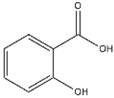 |
| 2 | Cinnamic acid | C9H8O2 | 201.3 ± 11.4 | 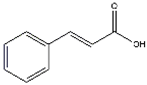 |
| 3 | p-Coumaric acid | C9H8O3 | 29.3 ± 2.6 | 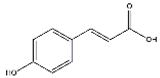 |
| 4 | 3-p-coumaryolquinic acid | C16H18O8 | 31.4 ± 3.1 | 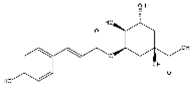 |
| 5 | Ferulic acid | C10H10O4 | 142.7 ± 9.8 | 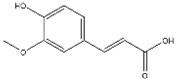 |
| 6 | 3-Ferulolquinic acid | C17H20O9 | 194.6 ± 12.4 | 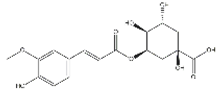 |
| 7 | Chlorogenic acid | C16H18O9 | 18251.5 ± 56.5 | 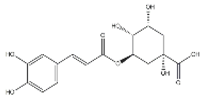 |
| 8 | Syringic acid | C9H10O5 | 43.2 ± 4.1 | 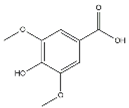 |
| 9 | Caffeic acid | C9H8O4 | 1124.6 ± 11.3 | 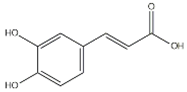 |
| 11 | Protocatechuic acid | C7H6O4 | 45.4 ± 3.9 | 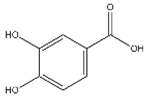 |
| 12 | Epicatechin | C15H14O6 | 21.4 ± 1.7 | 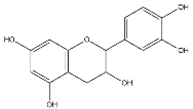 |
| 13 | Kaempferol | C15H10O6 | 17.9 ± 1.4 | 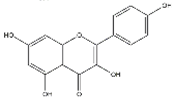 |
| 14 | Procyanidin B2 | C30H26O12 | 11.4 ± 0.7 | 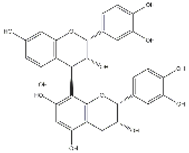 |
| 15 | Pyrogallol | C6H6O3 | 16.9 ± 0.8 | 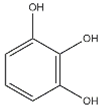 |
| 17 | Carnosol | C20H26O4 | 545.2 ± 22.9 | 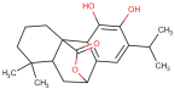 |
| 18 | Quinic acid | C7H12O6 | 1463.6 ± 11.3 |  |
| 19 | Rosmarinic acid | Rosmarinic acid | 16142.4 ± 89.2 | 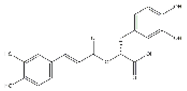 |
| 20 | Carnosic acid | C20H28O4 | 1341.4 ± 12.1 | 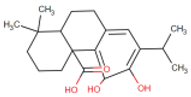 |
Disclaimer/Publisher’s Note: The statements, opinions and data contained in all publications are solely those of the individual author(s) and contributor(s) and not of MDPI and/or the editor(s). MDPI and/or the editor(s) disclaim responsibility for any injury to people or property resulting from any ideas, methods, instructions or products referred to in the content. |
© 2024 by the authors. Licensee MDPI, Basel, Switzerland. This article is an open access article distributed under the terms and conditions of the Creative Commons Attribution (CC BY) license (http://creativecommons.org/licenses/by/4.0/).
Copyright: This open access article is published under a Creative Commons CC BY 4.0 license, which permit the free download, distribution, and reuse, provided that the author and preprint are cited in any reuse.


