

Submitted:
24 September 2024
Posted:
25 September 2024
You are already at the latest version
Abstract
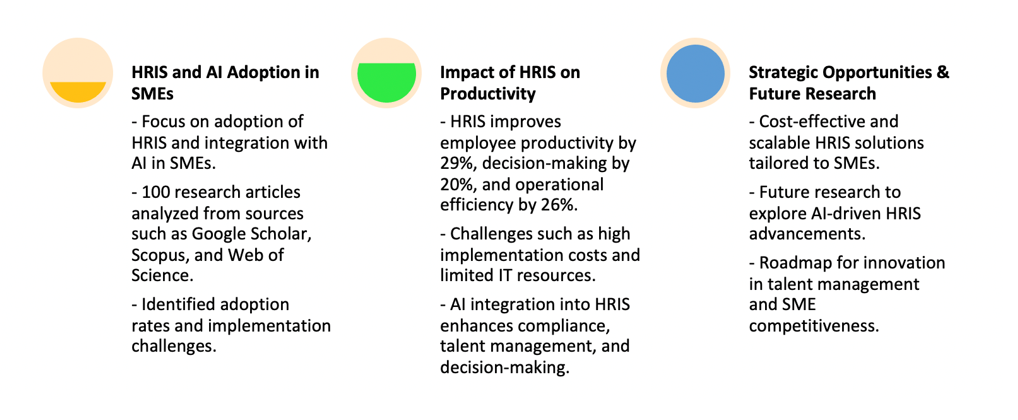
This systematic review critically examines the adoption and integration of Human Resource Information Systems (HRIS) and Artificial Intelligence (AI) in small and medium-sized enterprises (SMEs), with a focus on enhancing workforce productivity and strategic decision-making. Using the PRISMA framework, 100 research articles from reputable sources such as Google Scholar, Scopus, and Web of Science were analyzed. The analysis reveals that HRIS adoption can improve employee productivity by 29%, decision-making by 20%, and operational efficiency by 26%, highlighting its transformative impact on SMEs. The review identifies major challenges, including high implementation costs, limited IT resources, and integration difficulties with AI and machine learning technologies. Despite these barriers, integrating AI into HRIS presents significant opportunities for SMEs, fostering innovation in talent management, compliance automation, and data-driven decision-making, thus creating a competitive edge in rapidly evolving markets. Actionable insights for practitioners emphasize the need for cost-effective, scalable HRIS solutions tailored to the unique operational needs of SMEs, while researchers are urged to further explore AI-driven HRIS advancements to address current gaps in workforce engagement and performance management. This review offers a comprehensive roadmap for future HRIS innovations and underscores the strategic importance of digital transformation in human resources for sustained SME competitiveness.
Keywords:
human resources information system (HRIS)
; small and medium-sized enterprises (SMEs)
; workforce productivity
; impact
; compliance
; systematic review
1. Introduction
In today’s knowledge-driven economy, the success of small and medium-sized enterprises (SMEs) hinges on their ability to manage human resources efficiently while navigating increasingly complex workforce dynamics. Human Resource Information Systems (HRIS) have emerged as critical tools for streamlining HR functions, enhancing decision-making, and improving operational efficiency. However, the integration of advanced technologies like Artificial Intelligence (AI) into HRIS presents both unprecedented opportunities and challenges for SMEs. While large organizations have extensively adopted HRIS and AI to manage vast workforces, the application of these technologies in SMEs remains underexplored. This Systematic Literature Review (SLR) seeks to bridge this gap by critically assessing the current state of HRIS adoption in SMEs, with a particular focus on how AI can further enhance workforce productivity, employee engagement, and compliance with labor regulations.
1.1. Theoretical and Practical Relevance
HRIS has long been studied in the context of organizational efficiency and human capital management. Early frameworks positioned HRIS as primarily administrative tools aimed at reducing HR-related paperwork and improving data management [1,2,3,4,5,6,7]. However, recent studies have expanded the scope of HRIS, highlighting its role in strategic workforce planning and decision-making, particularly in larger enterprises [8,9,10,11,12,13,14,15]. Despite these advancements, there is a noticeable gap in the literature when it comes to HRIS adoption in SMEs, where resource constraints, limited technical expertise, and scalability issues pose significant challenges [16,17,18,19,20,21,22,23,24]. Furthermore, the integration of AI into HRIS—enabling capabilities such as predictive analytics, automated decision-making, and personalized employee development—remains a relatively new and underexplored area in SME contexts. This review not only builds on the existing literature by focusing on SMEs but also introduces a novel perspective by assessing the potential of AI-driven HRIS to revolutionize workforce management in smaller firms. From a practical standpoint, SMEs represent the backbone of many economies, contributing significantly to job creation and economic development. However, they often struggle with resource limitations and operational inefficiencies, particularly in HR management. For SMEs, HRIS can be a game-changer by automating routine tasks such as payroll, attendance tracking, and compliance reporting. Additionally, AI integration within HRIS offers the potential to elevate HR functions from administrative support to strategic enablers of business growth. AI-powered HRIS can enhance talent acquisition by automating candidate screening, improve retention through predictive analytics that identifies at-risk employees, and streamline compliance by automatically updating policies to reflect regulatory changes [25,26,27,28,29,30,31]. Therefore, this research is crucial not only for its academic contributions but also for offering actionable insights to practitioners seeking to optimize workforce productivity, minimize costs, and remain competitive in dynamic markets.
1.2. Link to Business Leaders
HRIS and AI address several operational challenges that are particularly acute in SMEs. Cost management is one of the most significant concerns for SME leaders, as manual HR processes are time-consuming and prone to errors, leading to inefficiencies and increased operational costs. By adopting HRIS, SMEs can automate repetitive HR tasks, thereby reducing the time and resources required to manage employee data, payroll, and compliance [1,2,3,4,5,6,7]. Moreover, scalability is critical for SMEs that are experiencing growth. Traditional HR systems often fail to scale efficiently, resulting in bottlenecks that hinder expansion. Cloud-based HRIS solutions, enhanced with AI capabilities, provide scalable infrastructure that grows alongside the business, ensuring that HR functions remain efficient and effective even as the organization expands [16,17,18,19,20,21,22,23,24]. Additionally, employee engagement is a key driver of productivity and retention in SMEs. AI-driven HRIS can play a pivotal role in improving engagement by offering personalized employee experiences, such as tailored learning and development programs, real-time feedback, and career progression insights based on predictive analytics [25,26,27,28,29,30,31]. This not only fosters a more motivated workforce but also supports long-term talent retention, a critical factor for SMEs aiming to build competitive and resilient teams. By directly addressing these operational challenges, HRIS and AI technologies offer SMEs practical solutions that can drive both immediate and sustained business value.
Table 1 provides a comprehensive review of studies on Information Systems (IS) and Human Resource Information Systems (HRIS), highlighting key contributions, benefits, and limitations. It covers topics such as structured literature reviews in IS, factors affecting IS success, and the strategic role of HRIS in organizations.
While many studies emphasize the practical benefits of HRIS in areas like legal compliance, cost-efficiency, and strategic HR management, they also reveal significant challenges; including high IS failure rates, technological barriers, and limited adoption in developing countries. Emerging technologies like AI and machine learning are suggested as future enhancements to HRIS capabilities.
1.3. Research Problem
Small and medium-sized enterprises (SMEs) play a critical role in economic development but often face challenges in optimizing workforce productivity. While Human Resources Information Systems (HRIS) are mostly implemented in large organizations to automate HR processes, improve data management, and enable real-time decision-making, there is limited research studies that explore adoption barriers and specific sector challenges associated with HRIS in SMEs. Furthermore, most of the existing studies pay little attention into how HRIS impacts employee engagement, satisfaction, and retention within SMEs. This creates a knowledge gap, leaving SME leaders uncertain about the potential benefits of HRIS and how they can address unique challenges such as resource limitations and technological constraints such as integration challenges, lack of IT skills to run cloud-based and on-premises HRI systems, and high cost of implementing HRIS systems. Furthermore, the lack of AL and Machine Learning integration into existing systems seems to be underexplored.
From the studies that were gathered, it is apparent that the HRIS implementation success of SMEs is about 13% more than that of various organizations. This is the reason why this SLR focuses on SMEs. This SLR aims to assess the existing research on HRIS in SMEs, examining their impact on workforce productivity, identifying best practices, and offering evidence-based insights to guide successful HRIS implementation in this sector.
1.4. Research Motivation
The rationale of this work can be summarized as follows:
- Human Resource Information Systems (HRIS) are crucial in enhancing workforce productivity for modern organizations. Without a thorough planning and understanding of HRIS organizations may face challenges in implementing HRIS. This includes high implementation costs and customization challenges, inadequate training, and resistance to change. A thorough analysis of the system is important to illustrate how HRIS may help with strategic decision-making and process simplification.
- Many existing reviews on HRIS frequently do not provide a thorough analysis of the impact it has across various industries, and geographical areas and how AI and machine learning advancement could enhance HRIS functionality. This study seeks to fill these gaps by gathering recent studies on HRIS, specifically focusing on how it affects productivity in different organizational contexts. By pinpointing areas that need more research and filling in the gaps in the literature, this work aims to promote improvements in the implementation of HRIS, ensuring that organizations can effectively use technology to improve workforce efficiency.
1.5. Research Contribution
This SLR regarding Human Resources Information Systems (HRIS) and their Impact on workforce productivity also aims to provide unique insights and findings to the already existing body of knowledge on this topic of HRIS. By integrating and assessing prior research, we can provide a comprehensive understanding of how HRIS influences employee performance and organizational efficiency. Outlined below are the key contributions of this research:
- This study investigates different challenges and opportunities of HRIS across various industries, such as the Health Sector, Banking industry, and Manufacturing.
- We explore how the evolution of new technologies, such as AI and Machine learning affect the role of HRIS.
- We review existing studies on HRIS and identify key gaps in the literature, especially looking into how HRIS impacts employee engagement, satisfaction, and retention in SMEs. By addressing these gaps, we highlight important areas of HRIS that need further research.
1.6. Research Novelty
This proposed work yielded the following novelty. While a lot of research has focused on how HRIS generally affects workforce productivity and boosts organizational efficiency, there’s still a big gap in understanding how these systems specifically affect the productivity of remote workers—a topic that’s become increasingly relevant since the pandemic and emergence of 4IR. This work takes a new look at how HRIS systems affect the productivity of remote workers, thus addressing this huge gap left by researchers by exploring the unique overlap between HRIS capabilities and the specific challenges encountered by remote employees. Furthermore, this work highlights the strategic role of HRIS technology in today’s distributed workforce by examining how tools like virtual collaboration platforms and performance-tracking systems help sustain and even enhance productivity in remote work environments.
1.7. Research Organization
The organization of the proposed SLR has been presented as follows: Section 1 introduces innovating HRIS in SMEs, providing a brief review of AL integration and strategic workforce productivity. Section 2 describes the materials and methods used to develop the proposed novel systematic survey. Then, Section 3 discusses the results of the collected peer-review works. Section 4 concludes the findings of this work.
2. Materials and Methods
This section starts by discussing the main research inquiries that are leading the systematic review of literature on Human Resources Information Systems (HRIS) and how they affect workforce efficiency, especially in small and medium-sized enterprises (SMEs). Despite much research on this topic, a thorough overview has not been fully explored. The goal is to evaluate the impact of using HRIS on employee performance, adherence to labor laws, financial outcomes, and the advancement of HRIS with new technologies such as AI and machine learning. The review follows a structured approach, guaranteeing comprehensive data gathering, assessment, and integration while following specific criteria for selecting research to maintain relevance and quality.
2.1. Research Questions
While there has been a significant number of studies on Human Resources Information Systems (HRIS) and their influence on workforce productivity in recent years, a comprehensive review that compiles and compares these studies has not yet been extensively covered. This review aims to evaluate the current research on HRIS and its impact on workforce productivity across various SMEs. To achieve this, the following research questions will be considered:
- What effects does HRIS adoption have on employee performance benchmarks?
- What role does HRIS play in ensuring that compliance employment laws are adhered to by the workforce?
- What are the challenges and opportunities associated with HRIS?
- How do the implementation and ongoing maintenance costs of HRIS compare with the financial benefits gained by the organization?
- How is the role of HRIS expected to evolve with advancements in artificial intelligence and machine learning?
2.2. Procedures and Stages of the Review
The SLR follows four key phases as shown in Figure 1. The first phase focuses on establishing an appropriate methodology for reviewing literature and setting criteria for selecting relevant studies. In the second phase, research work is chosen, and data is categorized and analyzed. This involves compiling and processing the data. In the third phase, data is extracted and evaluated using appropriate assessment criteria. Finally, the fourth phase involves synthesizing the data, where systematic analysis is conducted to draw conclusions based on the selected studies.
2.3. Proposed Inclusion and Exclusion Criteria
A thorough analysis of peer-reviewed and published research on Human Resources Information Systems was conducted. Table 2 provides a summary of the inclusion and exclusion criteria applied in this review
This SLR focuses on studies published in the English language from 2014 to 2024. To ensure quality and relevance, the research papers were chosen according to a strict set of standards. Only those studies that explicitly addressed how HRIS affects workforce productivity were included. Papers that did not address the productivity outcomes of HRIS or that only addressed other facets of HRIS were excluded.
2.4. Search Strategy
The search keywords used to conduct this SLR were designed to uncover studies that examine the impact of HRIS on workforce productivity. This subsection presents the full details of all search strategies that were carried out to determine key terms used to search for appropriate studies on our chosen online database. For Google scholar database, we executed these steps:
- We define research questions, following the PICO (population, intervention, comparison and outcome) framework, refer to Figure 2.
- Identify Key Terms and Synonyms, by creating a list of important keywords along with their synonyms, including any technical terms, alternative spellings, and acronyms. Logical operators such as AND, OR, and NOT will be used to combine and refine these search terms in subsequent steps.
- Applying Controlled Vocabulary, due to Google scholar not having formal controlled vocabulary.
- Combining search terms with Boolean Logic and adapting search for Google Scholar syntax: The resulting search keywords terms from step 2 are then combined with Boolean operators, to ensure broad coverage while filtering out irrelevant studies.
These simple steps enabled us to easily document the following for transparency: search date, keywords used, total number of the results for each search line and filters applied. This strategy yielded the following search codes used to collect appropriate studies from the database: “HRIS” OR “Human Resources Information Systems” OR “HRMS” OR “Human Resources Management System” AND “Workforce productivity” OR “Employee productivity” AND “Impact OR effect OR influence”.
Other academic databases selected to be used, Web of Science and SCOPUS, followed similar procedures to identify search codes. To find relevant research papers the search abstracts were screened to identify studies that explore the impact of HRIS on workforce productivity, particularly in contexts involving surveys, interviews, and questionnaires within SMEs. The identified papers were filtered based on the inclusion and exclusion criteria. Papers written in English, published between 2014 and 2024 and that mainly focused on the impact of HRIS on workforce productivity were included. Papers not written in English, published outside the period from 2014 to 2024, that are not directly related to the impact of HRIS on workforce productivity were excluded. This ensured the selection of papers relevant to the research focus.
2.5. Information Sources
In conducting this SLR, we carried out the selection process of 34 information sources to ensure a comprehensive and reliable analysis of the sources. This study draws on three major academic databases: Google Scholar, SCOPUS, and Web of Science. Google Scholar offers a wide variety of scholarly articles across numerous fields, giving a broad perspective. SCOPUS is particularly useful for exploring research trends and citation patterns with its detailed abstract and citation data. Web of Science, which emphasizes high-impact journals, is more useful in cases where established and influential research is included. With all these databases, the SLR gains a well-rounded and thorough foundation. Other information sources that were used include Academia Edu, Emerald Insight, Research Gate, Science Direct, Formosa, Springer Link, and IEEE Xplore. Various research papers were discovered with their research title, abstract, and search tags, and were utilized to find more search terms for locating published material such as conference papers, articles in journals, chapters in books, and doctoral theses.
2.6. Data Collection Process
The data presented in this literature review was collected from various online databases. The online databases include Google Scholar, Web of Science, and Scopus. The data was obtained by first designing a search code that would scan these online databases for articles related to the subject matter, as shown in Figure 3. Study findings work was divided equally among the three authors, with each member strictly contributing at least 61 studies or papers before the screening processes of study selection, with each working independently. In ensuring that the data collected was not duplicated or irrelevant, the authors of this review only used the designed search code to gather articles. Furthermore, to ensure that there is no conflict among the collected articles, the authors held group meetings to review each individually collected article, to ensure that there are no duplicates. Each article gathered was examined for specific criteria that were divided into headings on an Excel sheet. The criterion includes information such as the article research method, data analysis, data collection methods, geographic location, and the organization outcomes. Search results export in CSV file was used to extract clear and explicit information from studies collected from Google Scholar database, which significantly speed up the process. The same was done on the other databases, with the featured export tools. Notably, not all the information provided by these software tools was accurate, and authors proof-read and rectified some of those errors. Deciding on which item was selected was accomplished by using the search code and criterion mentioned.
2.7. Data Items
The data items collected were scanned for specific criteria as mentioned in the previous section. The outcomes sought include the following: the work productivity metrics, business Performance metrics, organizational outcomes, and long-term impacts contained within each article. All these were enclosed within a time frame of 10 years, as the research consists of papers from the year 2014 to 2024. Some of the outcomes were not provided in the collected articles, where such information was missing, the field was marked as “Not Specified”. This means that the domain of eligibility for each outcome remained fixed to the prescribed criterion. There was no deviation from each of the contributing researchers involved in the writing of this paper. In terms of the importance placed on each outcome, the work productivity metrics, business performance metrics, and organizational outcomes were held in high regard. The rationale behind this is because the purpose of this article was to ascertain the impact of HRIS implementation on workforce productivity, and whether it would improve organizational performance. Other equally important outcomes include the type of technologies used and their providers. This was crucial to address the research question of whether the role HRIS would play in the adoption of machine learning and artificial intelligence by the human resource department. The sample size and characteristics specified in each article were also important to determine how intense and thorough the research conducted measured to be.
Other characteristics sought for this literature review include the online database, journal name, number of citations, and the rank of the article. These were considered important to get insight into the relevance and overall rating of each article. Furthermore, the economic context and geographic location of where the articles were published were assessed. This was deemed important because it would give context to the economic standing of the country of publication, whether it be developed or is still developing. In the case of missing information, such as no specifications on the workforce productivity, business performance, and long-term impacts, a few assumptions were made. The assumptions include assuming the research was conducted to improve job satisfaction, to implement HRIS, to increase profitability in the company, and to gain competitive advantage as a long-term impact. In terms of whether the technology would be implemented on premise, cloud-based, or hybrid, when such information was not mentioned in the articles, it was assumed that the technology would be implemented on premise as suggested by most of the gathered data items.
2.8. Study Risk of Bias Assessment
With the implementation of the simple RIBOS analysis method to the included studies, the Overall Risk of Bias is reached from a summary judgment that combines the assessments from the used four domains (study eligibility, identification and selection of studies, data collection and study appraisal, and synthesis and findings), refer to Figure 4. This rating indicates how much bias may influence the findings of a particular study and thus helps to determine the credibility of its conclusions. Following is how each of the included domains is assessed:
- Study Eligibility Criteria - The study examined if it clearly defined the eligibility criteria (inclusion/exclusion) and if those criteria were appropriate to answer the proposed research question.
- Identification and Selection of Studies - We check if the search approach was thorough and fair. Look out for signs of bias, like leaving out studies with negative results or only selecting certain types of studies.
- Data Collection and Study Appraisal - Look at how consistently data was gathered across the studies and whether important details, like methods, sample size, and outcomes, were carefully evaluated. These are some of the helpful questions considered during the assessment - Did the study look at all the factors that impact workforce productivity in SMEs? Were any outside influences that could affect the results considered?
- Synthesis and Findings - We check if the findings were pulled together accurately and if all the important results were included, making sure nothing was left out that could lead to biased reporting. When assessing, these are the questions that were considered - Did the study clearly mention its limitations? Were the results presented fairly, without putting too much focus on just the positive outcomes?
2.9. Effect Measures
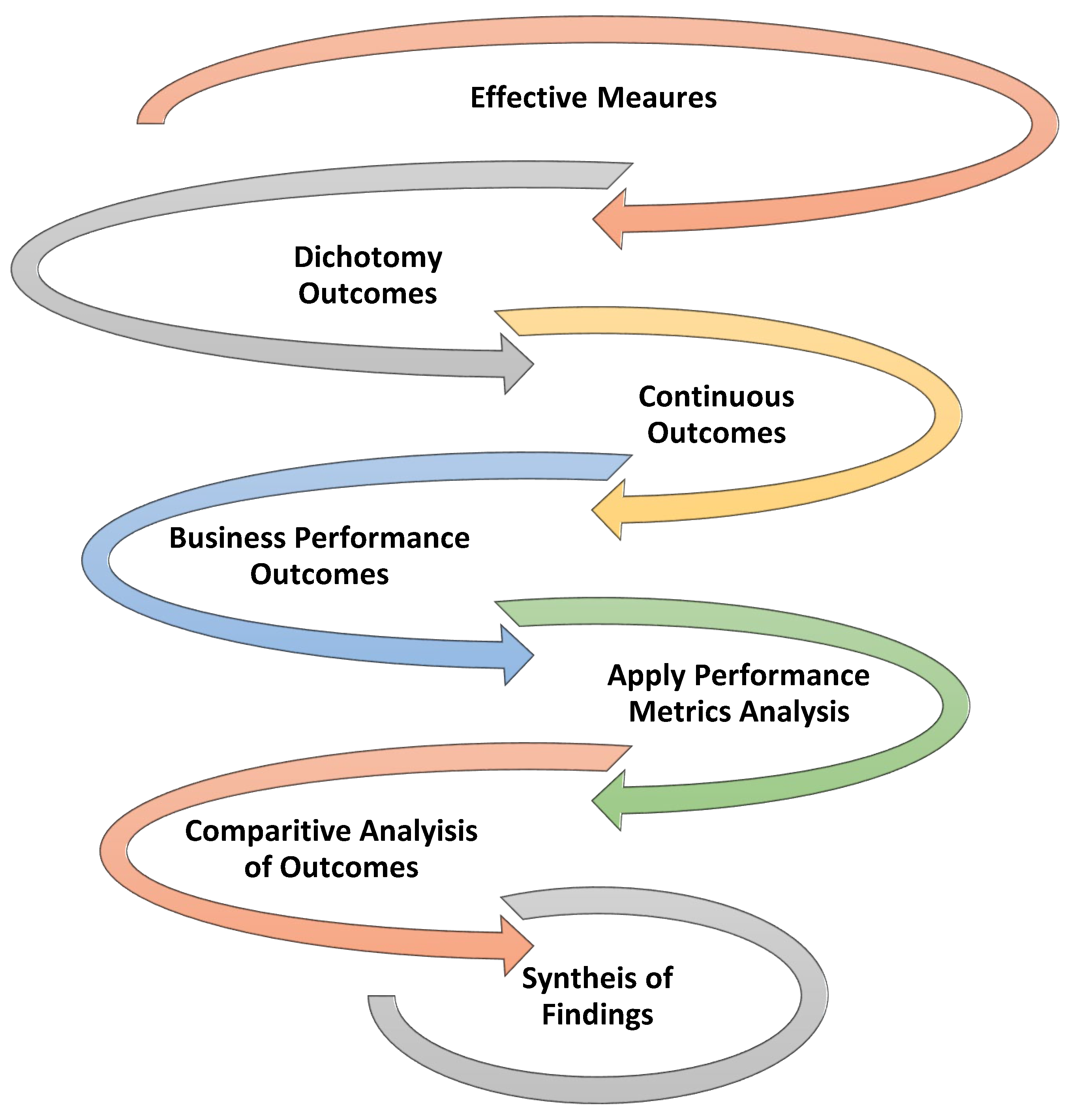
To evaluate how HRIS influences workforce productivity in SMEs, we analysed the outcomes from the selected studies using various effect measures. For dichotomous outcomes, we analysed factors like the status of HRIS adoption and HRIS usage to identify and HRIS usage to determine adoption patterns across various regions and industries. This offered a comparative overview on the ways in which geographical regions and industry type can influence the adoption rates of HRIS. From Figure 11 it can be noted that 86% of the studies were conducted in developing regions, while 14% were from developed regions. This difference provided a comparative overview of HRIS adoption rate. For continuous outcomes, we assessed key business performance metrics, including customer satisfaction, employee turnover rate, HR cost reduction, market share growth, operational efficiency and revenue growth. These metrics were used to assess how HRIS affected different aspects of workforce productivity. To account for differences in measurement scales and enable a consistent synthesis of results, the performance metrics comparison was used to compare the degree of change in these business key performance metrics across various studies, as shown in Table 9. This method enables us to summarize and evaluate the performance data effectively, providing a better understanding of how HRIS impacts workforce productivity across SMEs in various industries. By combining data from multiple studies, these effect measures helped to provide a broader view of the overall effect of HRIS on workforce productivity in SMEs. To ensure that the results were significant and applicable to real-world situations that SMEs would encounter, the analysis of these measures was done within the context of the particular outcomes being evaluated.
Figure 5.
Effective Measures for Used Outcomes.
2.10. Synthesis Methods
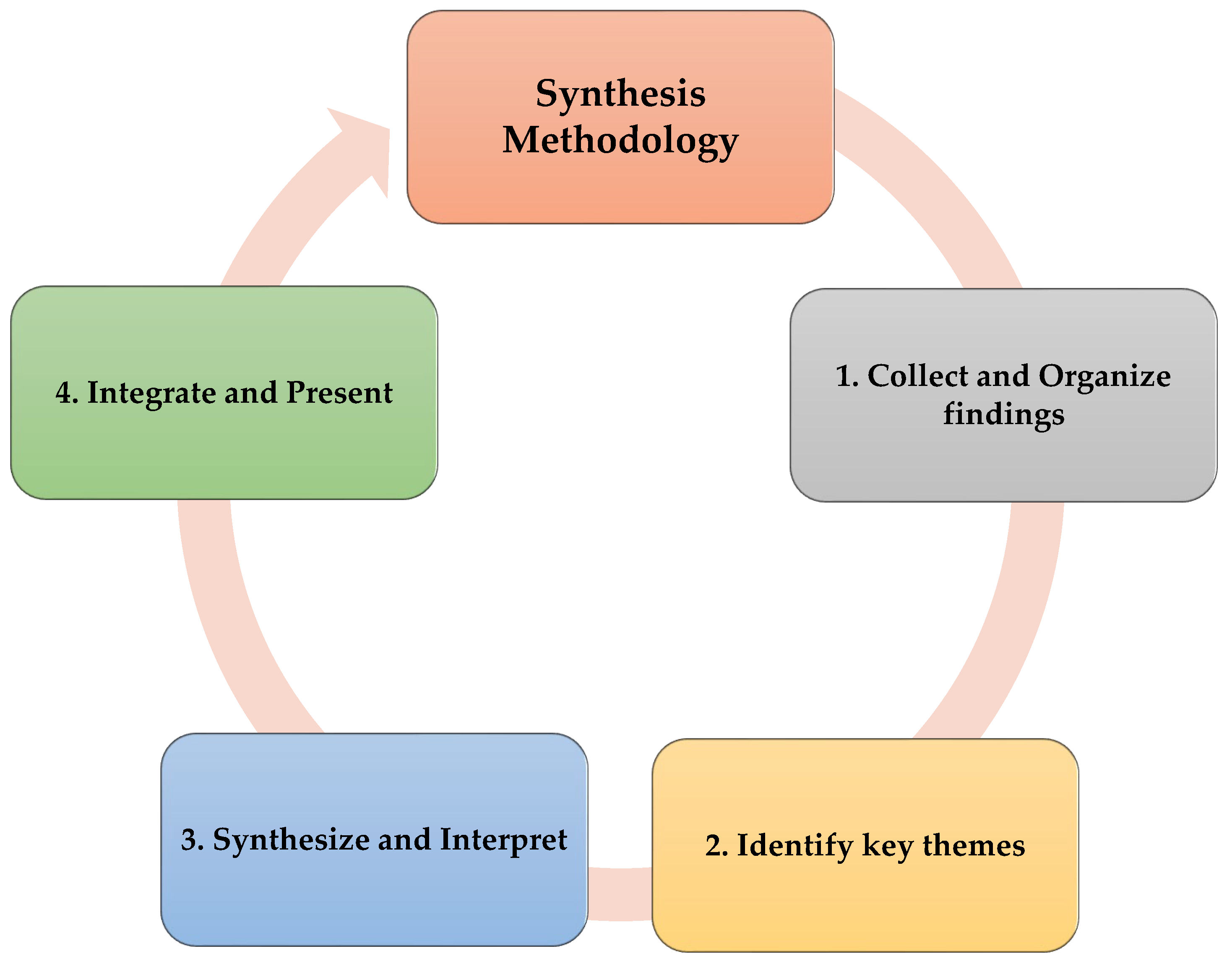
In this SLR, we planned to organise and analyze the outcomes found in each article by using a thematic synthesis approach as shown in Figure 4. This approach was used to determine the gaps, contradictions, and common patterns within the articles. A table was created with specific headings that were designed to identify the outcomes in each data item. The outcomes assessed were designed to answer some of the research questions posed in the beginning of this text. Multiple outcomes were analyzed but the main category included the following: (1) workforce productivity, (2) business performance and, (3) organisational outcomes, and (4) long-term impacts.
These outcomes were then tabulated on an excel sheet according to each category. The synthesised data was then summarised using flow charts and bar graphs to analyze the gathered research. These chosen graphical representations helped provide a visual view of what the research aimed to present. There are bar graphs that display the number of items collected versus the year in which they were collected. This will give a clear indication on how much research is being done on the subject matter. Furthermore, pie charts showing the number of publications per geographic location will provide a detailed analysis on which country has performed the most research on the subject matter. Furthermore, the information on where the technology was implemented had to be presented using a bar graph. More visual representations are provided, some displaying the type of technologies used, the number of citations and sample size used in each data item. The data items were grouped together in the mentioned categories to help better understand the various impacts that Human Resource Information Systems have of the workforce productivity of SMEs. By grouping and summarising each data item according to a specific category, we would have a clear indication on which aspects of research the data items focused on most.
2.10.1. Data Presentation Methods
For our results synthesizing, we implement the narrative synthesis method to our findings from multiple studies that primarily depending on the use of words and text to summarize and explain the findings of the synthesis. Since this method is qualitative orientated, it involves describing and interpreting the study findings without using statistical analysis. This method mostly focuses on uncovering patterns, themes, and connections across the studies. The primary rationale for using this method is the limited quantitative data. This is because in many instances in the findings, there may not be enough quantitative data available, thus rendering the common method of meta-analysis difficult. This narrative synthesis allows for the inclusion of studies with qualitative findings or less extensive quantitative data and ensuring that valuable insights are still captured.
Figure 6.
Synthesis Method Approach.
2.10.2. Heterogeneity among Study Results
Multiple techniques were used to explore the causes of statistical heterogeneity among the results, this includes subgroup analysis and qualitative assessment for contextual factors. Subgroup analyses were used to investigate if specific characteristics of the included studies affect the variability of the results. The subgroup analysis was done using an Excel sheet. Multiple outcomes such as workforce productivity, business performance, and organizational outcomes were considered, but for analysis, we mainly focused on geographical location, industry context, and types of HRIS technologies. The research studies were categorized based on whether they were conducted in developed or developing countries. It was predicted that the effectiveness of HRIS would differ based on the level of organizational maturity and technological infrastructure. Based on industry context, we examined whether the impact of HRIS varied across different industry sectors, such as manufacturing, services, and financial institutions. The motivation for this was that various industries might get different results from the implementation of HRISs depending on how complexity of their HR systems. The basis of Type of HRIS technologies identified whether using certain HRIS technologies such as payroll software, talent management systems, influences workforce productivity in a different way. It was predicted that more improvements would result from more sophisticated or integrated systems. Each study was assigned to a subgroup according to its characteristics. The results of subgroup analyses and narrative summaries were presented, reporting the nature and direction of observed effects and statistical significance.
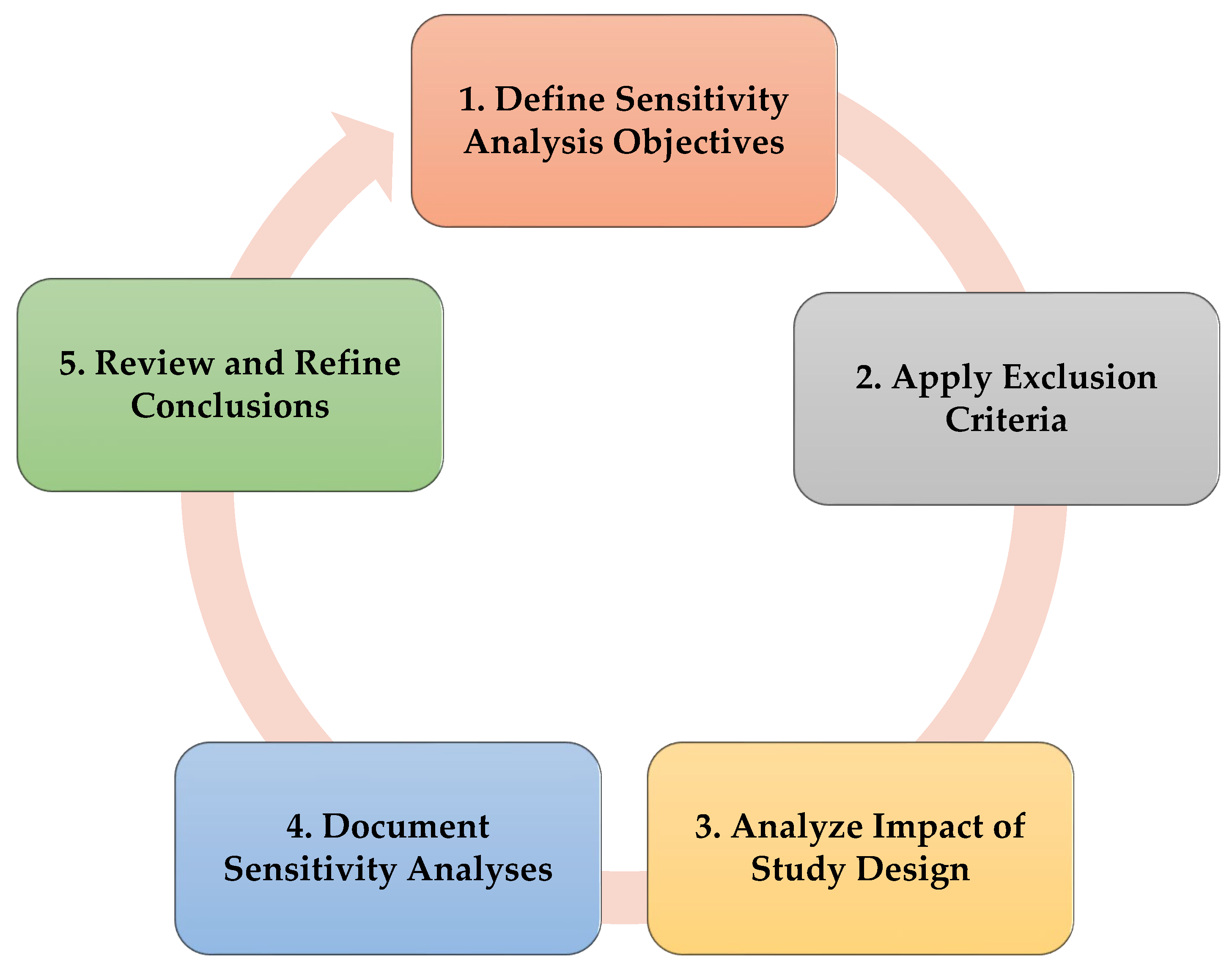
Figure 7.
Data Sensitivity Analysis.
2.11. Reporting Bias Assessment
When using the RIBOS method to assess biases in the included studies, dealing with missing results is of was of great deal because it can really impact the trustworthiness of our findings. These are the two the steps we address to manage the potential bias from missing results:
- Run sensitivity analyses to see how missing data will affect the overall results. By leaving out studies with incomplete data, we can evaluate how much they impact the conclusions and whether the missing information leads to any significant bias.
- We check if studies only reported positive outcomes while leaving out negative or neutral ones. We do this by seeing if negative or neutral results were consistently overlooked. Give extra attention to studies with missing or incomplete results, as they might be showing signs of selective outcome reporting.
2.12. Certainty Assessment
To evaluate the quality of data in the selected studies, a structured quality assessment was conducted using a set of pre-set questions. The research papers selected were evaluated based on quality by a scoring technique to adjudicate on their reliability, significance, and pertinence. The reviews were assessed through a proposed set of quality questions, as tabulated in Table 4. The quality assessment questions provided an organized way for evaluating each study’s contribution to understanding the impact of HRIS on Workforce productivity in SMEs.
The quality-assessing questions were used for every research paper collected, as indicated in Table 3. Three potential responses were used to evaluate each research quality question. “Positive” (score=1), “partially positive” (score=0.5), or “negative” (score=0). This was done by critically analyzing the abstract, research framework, results, and conclusion of every research paper. As a result, the combined scores of responses were utilized to determine the effectiveness of the relevant studies as shown in Table 4.

Table 3.
Proposed Research Quality Questions.
| Question (Q) | Research Assessment Quality Questions |
|---|---|
| Q1 | Are the research objectives well-defined and in line with the study’s purpose? |
| Q2 | Is the research methodology, including data collection methods and tools thoroughly detailed and appropriate for the research design? |
| Q3 | Does the study outline specific HR challenges faced by SMEs in adopting HRIS and AI? |
| Q4 | Does the study explore how AI and HRIS tools address recruitment, performance management, or employee retention challenges? |
| Q5 | Are key concepts like AI in HR, HRIS adoption, and workforce productivity grounded in existing literature? |
| Q6 | Do the research findings provide important advancements that add value to the existing literature in the field? |
Table 4.
Research Quality Questions Assessment Results.
| Paper ID | Q1 | Q2 | Q3 | Q4 | Q5 | Q6 | Total | % |
|---|---|---|---|---|---|---|---|---|
| 1 | 1 | 1 | 1 | 0.5 | 1 | 1 | 5.5 | 91.7% |
| 2 | 1 | 1 | 0.5 | 1 | 1 | 1 | 5.5 | 91.7% |
| 3 | 1 | 1 | 0.5 | 1 | 0.5 | 1 | 5 | 83.3% |
| 4 | 1 | 0.5 | 0.5 | 0.5 | 0.5 | 1 | 4 | 66.7% |
| 5 | 1 | 1 | 0.5 | 0.5 | 1 | 1 | 5 | 83.3% |
| 6 | 1 | 1 | 1 | 1 | 1 | 1 | 6 | 100% |
| 7 | 1 | 1 | 0.5 | 0.5 | 1 | 1 | 5 | 83.3% |
| 8 | 1 | 1 | 0 | 0 | 1 | 1 | 4 | 66.7% |
| 9 | 1 | 1 | 1 | 1 | 1 | 1 | 6 | 100% |
| 10 | 1 | 1 | 1 | 1 | 1 | 0.5 | 5.5 | 91.7% |
| . . . | . . . | . . . | . . . | . . . | . . . | . . . | . . . | |
| . . . | . . . | . . . | . . . | . . . | . . . | . . . | . . . | |
| . . . | . . . | . . . | . . . | . . . | . . . | . . . | . . . | |
| 95 | 1 | 1 | 0 | 0 | 1 | 1 | 4 | 66.7% |
| 96 | 1 | 1 | 0 | 0 | 1 | 1 | 4 | 66.7% |
| 97 | 1 | 1 | 0 | 0 | 1 | 1 | 4 | 66.7% |
| 98 | 1 | 1 | 0 | 0 | 1 | 0.5 | 3.5 | 58.3% |
| 99 | 1 | 1 | 0.5 | 0 | 1 | 0.5 | 4 | 66.7% |
| 100 | 1 | 1 | 0.5 | 0.5 | 1 | 1 | 5 | 83.3% |
3. Results
The results of the research conducted on the subject matter are provided below. The following sections will detail the methodologies employed, data collected, and the analysis performed as shown by the flow chart on Figure 8.
3.1. Results of Study Selection
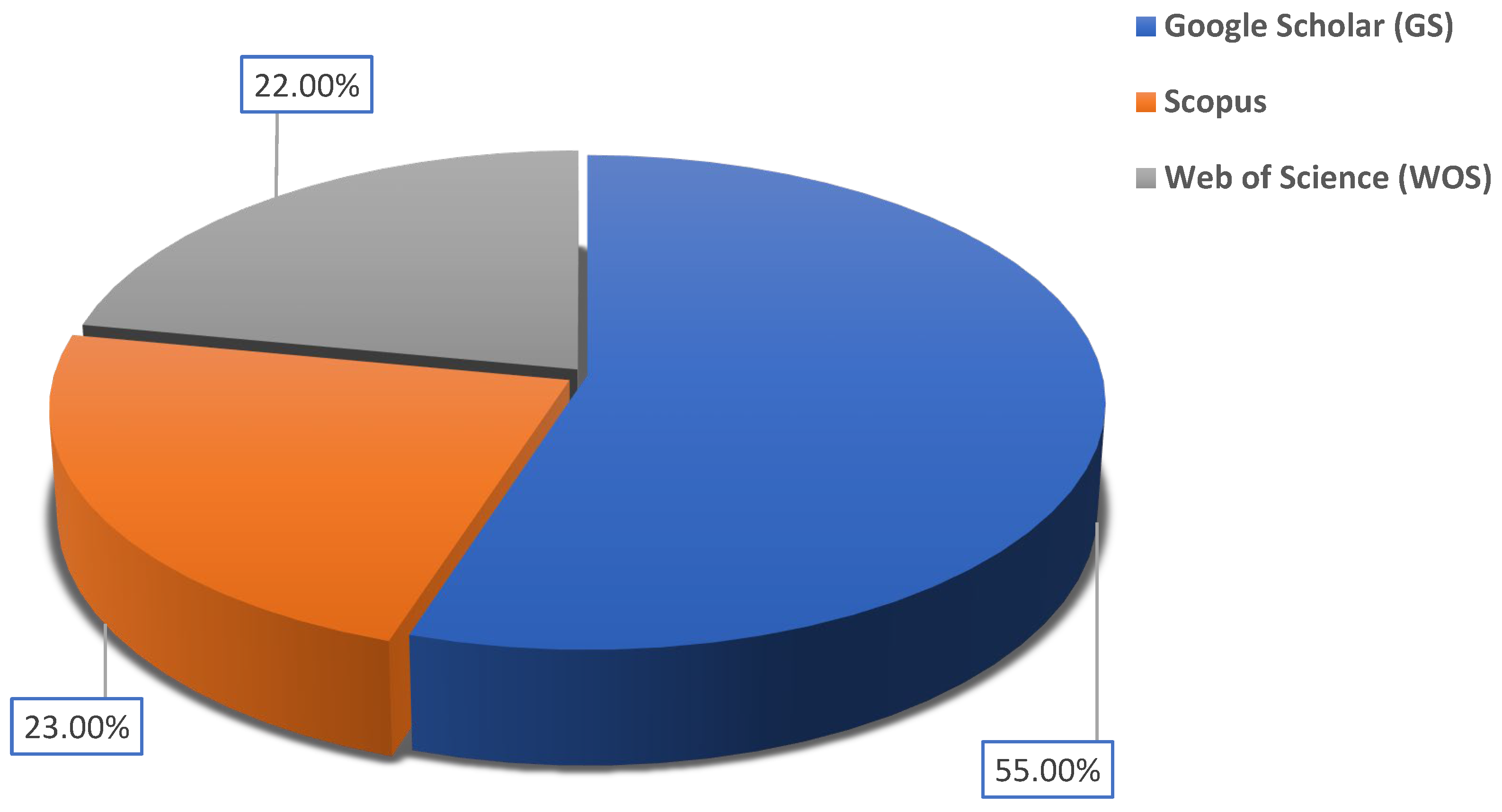
The research papers that will be presented in this section were collected using the search strategy previously outlined in section 2.3. The research papers were collected from three online databases: Google Scholar, Web of Science, and SCOPUS. The gathered papers were collected using the inclusion criteria previously described in Table 2. The collected research papers were scanned for specific outcomes, such as titles, journal names, research types, work productivity metrics, and other performance measurements. This approach allowed for a quantitative study, where the assessed outcomes would be quantified and later analyzed in the results section, this aided in uncovering insights from the selected studies. Figure 10 shows that out of the 100 gathered papers, 55% of them were collected from Google Scholar, 22% from Web of Science and 23% were mustered from SCOPUS.
Figure 9 shows the proposed PRISMA flow chart followed during the study selection process. From the diagram, it is evident that when using the search strategy on the various online databases - Google Scholar yielded 578 results, Web of Science had 237 articles, and Scopus yielded 83 results. To avoid duplicate data items, each member was assigned to search through their assigned databases, meaning one member would gather the articles from Google Scholar, another scanned through Web of Science and the other searched through SCOPUS. This measure was not enough to avoid duplicate titles, because the online databases had similar articles. This was resolved by checking for duplicates using Excel conditional formatting and the assistance of automation tools, the duplicates were then removed from selected studies, amounting to 715 removals. The remaining 183 articles underwent a screening process that resulted in 75 reports being excluded and 6 of them not being retrieved. The one hundred and three articles that remained after the screening process were then assessed for eligibility and three of the reports could not be saved. This means that the total of the studies included in the review amounted to 100.
Figure 9.
Proposed PRISMA flowchart.
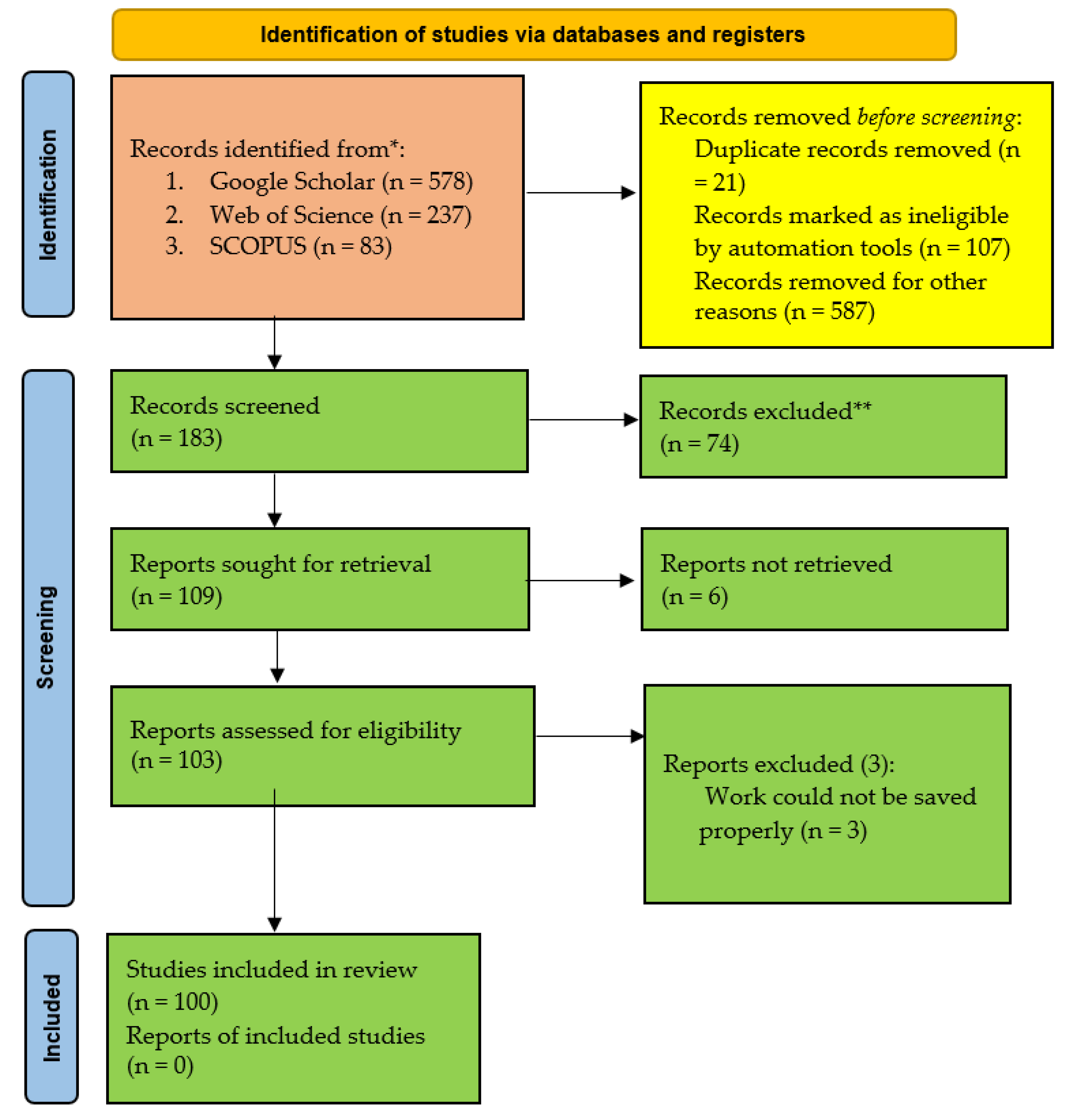
Figure 10.
Distribution of Online Databases.
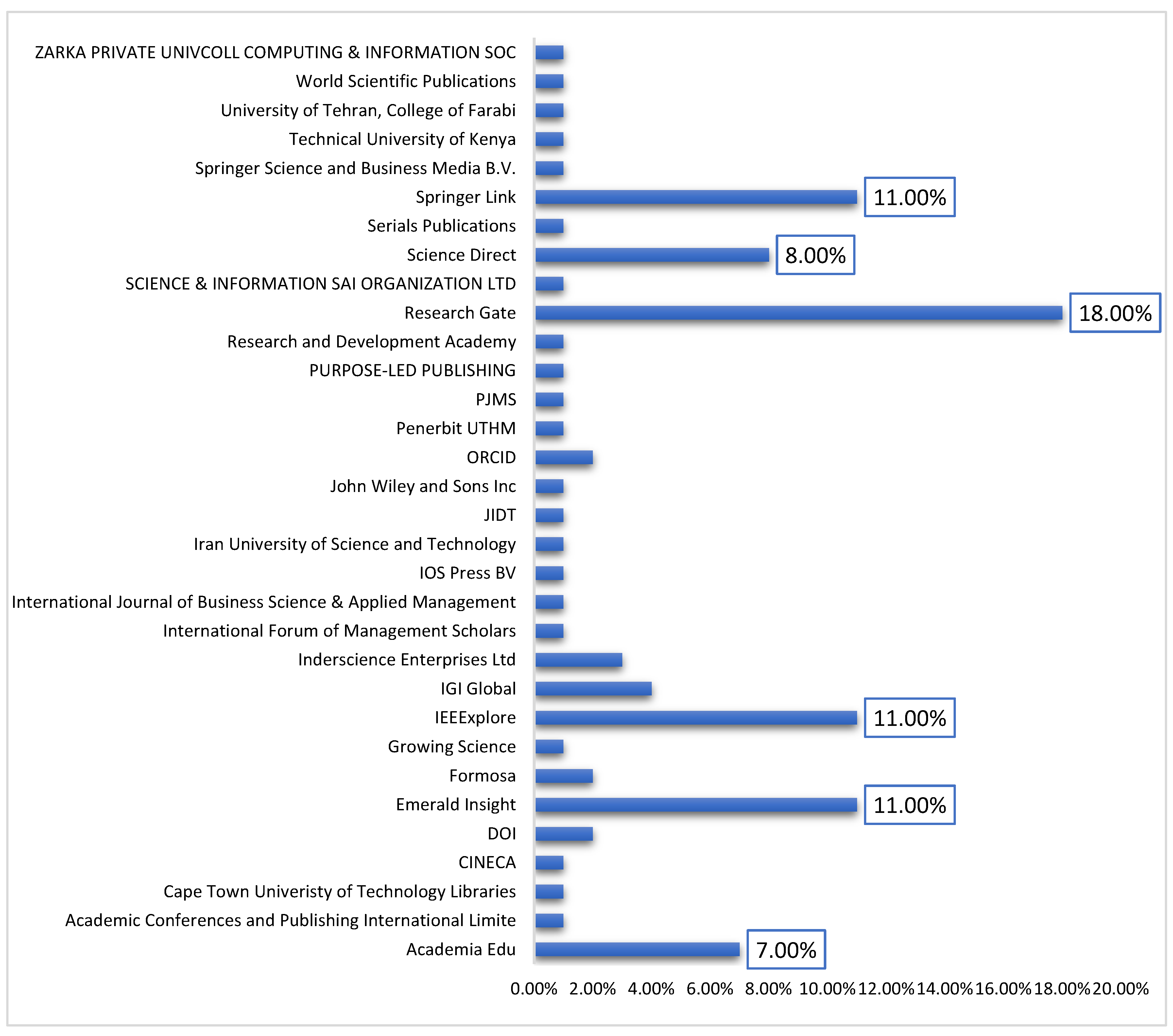
The data shown in Figure 12 displays a wide distribution of research publications across numerous journals, conferences, and universities, with most sources contributing 1% each, reflecting a diverse and multidisciplinary approach to academic dissemination. The Key focus areas include human resource management, business innovation, and digital transformation, indicating the growing importance of technology-driven changes in these fields.
From Figure 11, it is evident that eighty six percent of the gathered studies were from a developing economic context. The amount of research being done by these emerging economies indicates a growing need for HRIS implementation in various SMEs of developing countries. In contrast, only 14% of the studies were from countries with well-developed economies. This is an indication that most developed countries already have HRIS implementation systems in order, unlike the developing countries.
Figure 11.
Economic Context of Collected Studies.
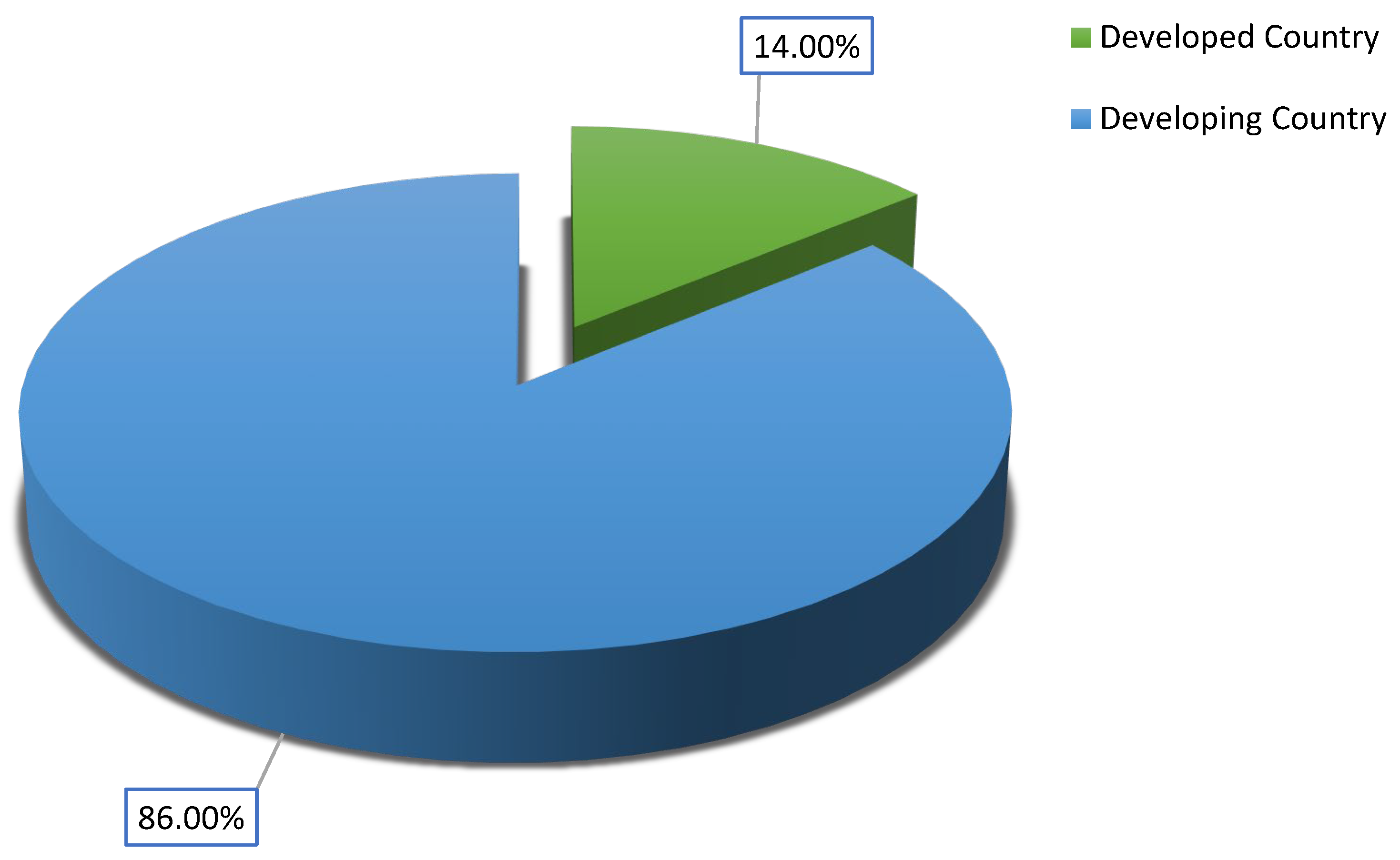
Figure 12.
Distribution of Online Repositories.
From Figure 13, the trend suggests that more research is being done on this subject, this is shown by how the eligible number of publications increased from 2014 to 2024. The years 2016 and 2023 had the most publications. In contrast, the number of publications from 2014 to 2015 were at their lowest. The dataset shows the number of academic publications across different categories from 2014 to 2024, highlighting a clear preference for journal articles, which steadily increased from 3 in 2014 to a peak of 13 in 2023, though there was a slight drop to 9 in 2024. Conference papers had sporadic output, with notable peaks in 2015, 2017, 2019, and 2020, but none published after 2022. Book chapters were rare, appearing only four times, with no significant trend. Theses and dissertations were infrequent, with minor activity in 2019 and 2022. The data suggests a shift towards journal articles as the dominant form of academic publication, with notable spikes in overall research output in 2016, 2020, and 2023.
3.2. Study Characteristics
Table 5 shows the study results regarding the influence of HRIS on workforce productivity in SMEs within the period of 2014 to 2024. As shown from the table between 2014 and 2024, 100 relevant research studies were published, including 4 book chapters, 2 dissertations, 12 conference papers, 4 Theses, and 79 journal articles. As shown in Figure 8 the number of publications has steadily increased since 2014. Interestingly, there were few studies published between 2014 and 2015, with only 8 studies being published, suggesting that HRIS integration into SME operations had not yet gained significant traction. Despite the growing interest in HRIS and its impact on SMEs, there has been no comprehensive review that specifically explores the productivity outcomes of HRIS implementation across different geographical regions.
The number of countries contributing to research on the adoption and impact of HRIS in SMEs was also analysed. Figure 14 shows the distribution of studies by different countries. Most of the studies came from researchers in Kenya (12.00%), Malaysia (9.00%), India (9.00%), Jordan (8.00%), Indonesia (8.00%), Pakistan (6.00%), South Africa (5.00%), USA (5.00%) and Bangladesh (4.00%). Surprisingly, there is a high number of studies coming from African countries like Kenya and South Africa, indicating a growing interest in HRIS adoption within the African region. This visualization is essential in showing the global research landscape on HRIS in SMEs.
When conducting an SLR on the impact of HRIS on workforce productivity in SMEs, it was important to analyze the type of methods typically used in this sector, to help improve the credibility of the conducted research. The data in Figure 15 shows that surveys dominate the research methods used, making up 65% of the total, indicating a preference for gathering first-hand information from participants. Descriptive studies are the next most common at 19%, suggesting a focus on providing detailed explanations or accounts of phenomena. Literature reviews, at 13%, indicate a moderate reliance on analyzing existing research to draw conclusions. Finally, case studies represent only 3%, reflecting a smaller focus on in-depth, real-world examples. This distribution suggests a strong emphasis on data collection through direct engagement (surveys), while other methods like case studies and literature reviews are used less frequently.
Table 6 outlines the outcome metrics observed across different industries, highlighting the impact of HRIS on workforce productivity, business performance, organizational outcomes and long-term impacts. The data was collected from a wide range of sectors including health, banking, manufacturing and SMEs. This provides a comprehensive view of HRIS benefits. Each outcome category is measured using a diverse set of indicators, demonstrating how HRIS may improve decision-making, increase employee productivity and support sustained business growth across various industries integration into SME operations had not yet gained significant traction. Despite the growing interest in HRIS and its impact on SMEs, there has been no comprehensive review that specifically explores the productivity outcomes of HRIS implementation across different geographical regions.
3.3. Description and Key Findings
Table 7 presents the distribution of technology implementations in selected research studies. It shows that 39.6% of the studies used on-premises solutions, 25.74% adopted cloud-based implementations, and 34.65% employed a hybrid approach combining both on-premises and cloud technologies. This indicates a relatively balanced distribution among the three types, with on-premises being the most common.
The rise in cloud-based and hybrid approaches reflects the increasing need for scalability, cost-efficiency, and remote accessibility, which cloud technologies offer. Hybrid implementations show that many organizations prefer to balance the control and security of on-premises infrastructure with the flexibility of cloud solutions. This trend highlights the evolving nature of technology adoption, where flexibility and a blend of multiple approaches are becoming more common.
3.3.1. Studied Research Facility
Figure 16 presents the results of the research facility that are included by the analyzed studies, which highlights the distribution of research focus across different fields, such as SMEs, manufacturing, banking, healthcare, and others, indicating where the impact of Human Resources Information Systems (HRIS) on workforce productivity has been most frequently investigated in this topic.
The SLR shows that most studies focus on SMEs, making up 51% of the research, indicating strong interest in small and medium enterprises. The manufacturing sector comes next with 8%, followed by the banking industry at 7%. Other sectors like firms, healthcare, and various organizations each represent 6% of the studies. Meanwhile, industries such as IT (3%), construction (2%), oil and gas (2%), and industrial (2%) receive less attention. Sectors like education, retail, the public sector, state corporations, and water and sanitation are minimally studied, each representing just 1%.
With the focus being on SMEs in the SLR results likely highlight their importance in many economies and their need for effective HR systems to boost productivity. Since SMEs face specific challenges in managing their workforce, they’ve become a key area for HRIS research. On the other hand, larger industries like IT, oil and gas, and education may already have strong HR systems in place, making them less of a priority for research. The lower representation of sectors like the public sector, retail, and water and sanitation could be due to limited funding or research interest in those areas.
3.3.2. Types of HRIS Technologies
This section will assess and give insights based on the types of HRIS technologies found in the collected studies. The results of the type of software employed on the included studies show as depicted by the chart in Figure 17, that HRIS is the most studied software, making up 26% of the research. E-HRM comes next at 16%, and e-recruitment systems account for 12%. The fact that 12% of studies didn’t specify the software used might suggest a lack of consistency in reporting. HRIS adoption is covered in 6% of the studies, with cloud-based HRIS and performance management systems each at 5%. This points to a strong interest in core HRIS features, likely because they have broad uses and significant impacts. E-training, high-performance work systems, and mobile information systems, each representing 4%, reflect newer trends and the demand for flexible HR solutions. Specialized tools like PERSAL, AI, data analytics, and blockchain, which each make up only 1%, are probably less studied due to their early stage of development in HR practices. The lower focus on compliance based HRM and information and control technologies (2% each) might be because these areas are more specific or regulatory, making them less relevant across various research contexts.
The results show a clear emphasis on essential HRIS features and new HR solutions, indicating their wide impact and increasing importance. The limited focus on specialized tools suggests that these are either still evolving or not as widely applicable in different research areas.
3.3.3. Summary of Key Findings and Workforce Performance Metrics Analysis
This section analyzes how various industries prioritize workforce performance metrics, such as workforce retention, workforce management, job satisfaction, job involvement and reduced conflict as outlined in Figure 18. Workforce characteristics and operational challenges of SMEs influence how much attention certain metrics receive. Understanding these trends offers insights on how various industries optimize workforce management to address their distinct requirements and improve overall performance.
Table 8 analyses workforce performance metrics across various industries, highlighting their impact on factors such as workforce retention, workforce management, conflict reduction, Job satisfaction, Job involvement, decision-making, creativity, and employee productivity. The percentages indicate the distribution of these metrics’ effects across industries, providing insights into where specific workforce performance factors are prioritized. As shown in Table 7 SMEs place a moderate focus on job satisfaction (1.00%) and decision-making (1.00%). SMEs seem to prioritize improving employee and decision-making to remain competitive in the marketplace. On the other hand, the banking industry shows minimal focus on workforce performance; this can be seen from picture 16, contributing only (7.00%). Employee productivity (29.00%) and improved decision making (20.00%) emerge as the most, indicating a strong focus on increasing worker efficiency, and employee engagement.
The trends in workforce performance metrics varies, highlighting various ways in which SMEs, may consider their workforces. Based on the data in Figure 16, it shows employee productivity (29%) as the biggest focus for most SMEs. The data reveals that SMEs in sectors such as manufacturing believe that a productive workforce is key to operational efficiency and revenue growth. Improved decision-making (20%) comes in second, highlighting the importance of strategic decision-making. SMEs that make better strategic decisions in response to internal or external changes can enhance better service delivery in industries such as health and banking, increasing customer satisfaction. Job satisfaction and Job involvement are both at (16%), highlighting their importance in employee engagement and retention. A slightly lower importance is attached to improved creativity, workforce retention, workforce management, improved and reduced conflict, highlighting that these factors might not be important as other metrics, but they play key roles in different industries. These patterns show how SMEs in various sectors weigh workforce performance metrics based on their operational requirements and long-term goals.
3.3.4. Summary of Key Findings and Business Performance Metrics Analysis
This section analyzes how different industries prioritize key business performance metrics, such as customer satisfaction, operational efficiency, and revenue growth. Each industry’s focus on these metrics is influenced by its unique operational challenges, competitive landscape, and strategic goals. Understanding these trends provides insights into how businesses across sectors optimize their performance and address industry-specific demands.
Table 9 shows the emphasis that different sectors place on important business performance measures, with small and medium enterprises (SMEs) distinguishing themselves for their emphasis on reducing HR costs (8.00%), improving operational efficiency (14.00%), increasing market share (7.00%), and growing revenue (11.00%). These priorities indicate a strong focus on ensuring financial stability and competitiveness within small and medium-sized enterprises. On the other hand, industries such as Education, Retail, and the Public Sector exhibit little activity in these measures, possibly because of their non-profit status or strict regulations. In the Health Sector, there is a strong emphasis on customer satisfaction and operational efficiency, with a patient-centered approach. On the other hand, the Banking industry gives moderate importance to customer satisfaction and reducing HR costs. In general, operational efficiency (26.00%) and revenue growth (18.00%) are identified as the top metrics in all sectors, indicating a strong focus on enhancing operations and financial results. Some of the research articles did not have any business performance indicators assessed, amounting to 18% of unspecified business KPIs as shown in Figure 19.
The trends in business performance metrics vary by industry due to their unique operational needs and market conditions. SMEs prioritize HR cost reduction, operational efficiency, and revenue growth to remain competitive and scale with limited resources. The Health Sector emphasizes customer satisfaction and operational efficiency, reflecting its patient-centered approach and need for cost-effective service delivery. In the Banking Industry, customer satisfaction is key to retaining clients, while HR cost reduction is important for managing large workforces efficiently. Manufacturing focuses on operational efficiency to optimize production and reduce costs, with some attention to employee turnover and HR expenses. Firms aim for market share growth and revenue expansion to stay competitive, while industries like Education, the Public Sector, and Retail show minimal focus on these metrics due to their non-profit or regulated nature. Oil and Gas industries prioritize market share growth, driven by competition and resource allocation. These trends reflect how industry-specific challenges shape the focus on different business performance metrics.
3.3.5. Organizational Performance Metrics Analysis
This section explores the trends in the adoption and implementation of Human Resource Information Systems (HRIS) across various industries, shedding light on how these systems affect efficiency, compliance, recruitment, and training effectiveness. By examining the data, we can understand how different sectors are leveraging HRIS to streamline operations, improve service delivery, and address the unique challenges their employees face. The human side of this technological shift reveals the importance of reducing administrative burdens and supporting growth, ultimately creating more productive and positive workplace environments.
Table 10 paints a picture of how different sectors are adopting Human Resource Information Systems (HRIS) to improve their operations, and the human stories behind these trends tell us a lot about the challenges and opportunities these organizations face. For SMEs, which make up the largest part of this table (51%), the success in HRIS implementation (13%) and increased efficiency (13%) reflects the daily struggles of small teams trying to juggle many responsibilities. For them, implementing an HRIS isn’t just a technological upgrade—it’s a way to free up time and focus on what really matters: growing the business and supporting their people. This is why efficiency and compliance are so critical for these smaller businesses, where every minute counts, and mistakes in compliance could have serious consequences.
Across sectors, the drive for increased efficiency (25%) and improved service delivery (14%) shows that many organizations are recognizing how outdated, manual processes can slow things down and frustrate employees, refer to Figure 20. People don’t want to spend hours doing repetitive tasks when technology can do it for them. Whether it’s automating payroll, tracking performance, or simplifying recruitment, HRIS helps employees focus on more meaningful, strategic work. It’s not just about efficiency—it’s about making people’s lives easier at work, reducing stress, and giving them more time to innovate and connect with colleagues. Compliance is also a major focus (16%), particularly in sectors like the Health Sector and SMEs. For employees in heavily regulated industries, staying compliant is not just about ticking boxes—it is about job security and peace of mind. Knowing that your organization is staying on top of complex regulations makes people feel safer and less anxious about the potential risks of non-compliance. HRIS ensures that these rules are followed, which builds trust and confidence in the workplace.
Interestingly, sectors like Construction, Education, and Oil & Gas show a slower adoption of HRIS (1-2%). This might reflect the hands-on nature of these industries, where fieldwork is more common, and people may not see the immediate need for a digital HR system. However, even in these sectors, an efficient HRIS could improve things like compliance tracking or managing remote employees, making day-to-day operations smoother for everyone. The focus on training effectiveness (10%) in sectors like Banking and SMEs speaks to a different human need—the need for growth and development. Employees want to feel like they are growing, gaining new skills, and staying competitive in their fields. A well-managed HRIS ensures that training is organized and accessible, which not only helps employees improve but also shows them that the company is invested in their future.
Finally, the HRIS implementation success (19%) seen across various sectors points to the challenges and triumphs of introducing new technology into the workplace. For some, like SMEs, the agility to adapt quickly leads to greater success. But in larger, more traditional sectors like the Public Sector, this process may be slower and more challenging. When HRIS implementation works well, it’s a win for everyone. Employees feel the difference in their day-to-day work, HR teams are less burdened with administrative tasks, and overall workplace satisfaction improves. These trends show that behind every technological upgrade, there are real people—employees whose lives are made easier, more efficient, and more productive through the thoughtful implementation of HR systems. It’s about creating workplaces where people feel supported, secure, and able to focus on what really matters
3.3.6. Summary of Key Findings on Long-Term Impacts
Table 11 below illustrates the long-term effects of HRIS adoption across different industries. SMEs stand out as the biggest contributor, exhibiting major gains in competitive advantage (16%), strategic planning (11%), and productivity growth (9%), reflecting their heavy dependence on HRIS to stay competitive and efficient. The manufacturing sector follows with 8%, mostly benefiting from improved productivity (3%) and updated HR practices (2%). The banking sector shows a 7% overall impact, focusing on better productivity (3%) and employee development (2%), pointing to efforts to boost efficiency and workforce skills. The health sector, with a 6% impact, sees growth in productivity (4%) and competitive advantage (2%), indicating HRIS’s role in streamlining operations. Other sectors like IT, oil and gas, construction, and education show smaller impacts, mostly in areas like competitive advantage and strategic planning. Their lower adoption of HRIS may be due to specific challenges or slower implementation. Table 11 highlights HRIS’s role in driving competitive advantage, strategic planning, and productivity, especially in the departments of SMEs, while other industries may still be lagging as they are in earlier stages of HRIS adoption.
Figure 21 illustrates the breakdown results of performance matrices on the overall long-term impacts and their implications in this SLR.
This overall visualization is key to understanding the long-term impact of each KPI, providing insights into how HRIS plays a vital role in enhancing competitive advantage, strategic planning, and productivity in this area.
3.4. Risk of Bias in Studies
In this SLR, addressing the potential risk of bias is essential to ensure that the findings on how Human Resource Information Systems (HRIS) impact workforce productivity in SMEs are accurate and reliable. Because many of the studies we examined are qualitative, issues like selection, publication, and reporting bias could misrepresent the overall conclusions. To tackle this, we used the ROBIS tool to carefully evaluate and reduce these risks, paying close attention to how studies were selected, how data was gathered, and lastly on how the overall results were synthesized as shown in Table 12 below.
The overall bias in this review is moderate, with most studies falling into the medium-risk category. These studies generally have clear guidelines and solid search strategies but sometimes overlook important factors or focus too much on positive results. A few low-risk studies stand out for being more detailed and balanced in their findings, covering both the good and bad. However, some high-risk studies have vague criteria, selection bias, and only report selective results, making them less reliable. While these studies offer useful insights, it is important to approach the conclusions with caution.
3.5. Reporting Biases
Figure 22 shows the distribution of types of studies collected in this SLR, which makes it well suited for assessing the risk of bias from missing results. Most of the studies are quantitative (61%), which focus on theory and are less risked to missing data compared to empirical studies. However, qualitative (20%) and mixed-method (15%) studies, which rely more on subjective interpretation and diverse data sources, are more likely to have selective reporting or missing information, requiring closer attention. The small number of conceptual studies (4%) means any gaps in their data could have a huge impact on the overall conclusions, so we were more cautious on these particular studies.
This distribution chart highlights why it is important to closely examine the risk of bias from missing results in qualitative and mixed-method studies, where personal interpretation and reporting choices play a bigger role. Since these types of studies make up a significant portion of the review, it is crucial to understand how missing data might influence the overall findings. In addition, since there are so few quantitative studies, any missing data in this area could have a big impact on the overall conclusions.
3.6. Certainty of Evidence
In compliance with the methodological approach, a comprehensive certainty of evidence was conducted. Figure 23 shows the distribution of various data collection methods used in the studies we reviewed to explore the impact of HRIS on workforce productivity in SMEs. This visualization helps in understanding how choice of method can shape the reliability of each study’s findings.
Questionnaires, making up 49% of the methods used, provides a solid foundation for the evidence. This method allows for collection of structured responses, which provides reliable and consistent data. This helps to reduce variability and increases the certainty of the evidence. Survey’s account for 26% and are useful for collecting data from a wide range of participants. However, the certainty of survey results can be influenced by factors like response bias and sample limitations. For instance, if participants respond in a way that they think is expected rather than giving their opinions, it may weaken the validity of the results. Interviews account for 15% of the methods used and they offer detailed insights that improve the understanding of the impacts of HRIS on workforce productivity within SMEs. However, interviews may be shaped by individual biases, which lead to varying results and lower certainty of evidence. Literature reviews make up 10% of the methods used and they bring important knowledge from existing sources. The certainty of literature reviews depends on the quality of the reviewed sources.
Figure 23 shows how these different methods contribute to the overall certainty of evidence. Questionnaires provide the most reliable data. Although surveys and interviews bring in more variety, their certainty can be influenced by bias and sample limitations. By using the combination of these methods, the study provides a comprehensive understanding of how HRIS affects workforce productivity in SMEs, though the degree of confidence in the findings may differ based on the method taken.
4. Discussion
This SLR on the impact of HRIS on workforce productivity highlights key findings derived from a methodical and structured review process. The study involved screening a wide array of academic papers from reputable databases like Google Scholar, Web of Science, and Scopus, applying specific inclusion and exclusion criteria to ensure relevance and quality. Key areas of focus included workforce productivity, business performance, and long-term organizational impacts of HRIS implementation, particularly within SMEs.
The analysis revealed that HRIS adoption generally leads to improvements in productivity and efficiency, with significant variations across different industries and geographic regions. Industries with more complex human resource systems, such as financial institutions, experienced more pronounced improvements, while simpler systems showed more moderate gains. The review also uncovered gaps in existing literature, particularly in the limited quantitative data available, necessitating the use of qualitative synthesis techniques to interpret findings.
Additionally, the assessment of reporting bias using tools like the Cochrane Risk of Bias Tool ensures that the findings presented are reliable and free from systematic errors. However, some studies lacked detailed reporting on certain productivity metrics, leading to assumptions about their organizational outcomes. Overall, the SLR provides a comprehensive overview of HRIS’s effects on workforce productivity, contributing to a deeper understanding of its potential benefits in enhancing business performance.
4.1. Best Practices for Successful Study Topic Implementation
Business leaders can gain valuable insights from Table 13 on how to drive success by focusing on key areas. According to the gathered studies and their results, enhancing employee productivity leads to more efficient operations, directly boosting profitability. Operational efficiency helps businesses cut unnecessary costs, improving profit margins and financial stability. Compliance with industry standards and regulations builds trust with customers and partners, which is essential for reputation management. Lastly, establishing a competitive advantage by offering unique value or efficiencies helps capture a larger market share. These best practices are crucial for businesses looking to stay agile and profitable in competitive environments.
4.2. Decision Making Framework for Implementing the Proposed Study Topic
This section provides a structured framework to guide businesses in deciding how and when to implement HRIS in their organizations as shown in Figure 24.
The Decision-Making Framework for Implementing HRIS involves a structured, step-by-step process that guides businesses through the evaluation, selection, and implementation of an HRIS. It begins with an Initial Assessment, where organizations conduct a needs analysis to identify gaps in their current HR processes and determine how HRIS can address these inefficiencies. At this stage, businesses also align the potential implementation with their strategic goals to ensure the system supports long-term objectives. Following this, in the System Selection phase, businesses perform market research to identify suitable HRIS vendors and evaluate the functionality and scalability of the options to ensure the system meets both current and future HR needs. Once viable systems are shortlisted, the next step is to conduct a Cost-Benefit Analysis, where financial feasibility, upfront costs, and projected return on investment (ROI) are carefully considered. This analysis also involves assessing the expected impact of HRIS on HR productivity, employee satisfaction, and overall business efficiency. After determining the best solution, businesses move to Implementation Planning, which involves creating a detailed timeline for the rollout, allocating resources, and ensuring effective communication with key stakeholders. Finally, in the Go-Live & Post-Implementation phase, the system is activated, users are trained, and a post-launch review is conducted to evaluate the success of the implementation and identify any areas for improvement.
Business leaders can greatly benefit from this process as it ensures a comprehensive evaluation of how HRIS can enhance operational efficiency, aligns HR technology with broader business strategies, and provides a clear roadmap for implementation. The structured approach helps minimize risks, control costs, and improve decision-making by focusing on ROI and organizational impact. By following this framework, leaders can make informed decisions that not only improve HR processes but also contribute to overall business success, fostering better workforce management and positioning the company for long-term growth.
4.3. Proposed Industry-Specific Frameworks for Study Topic
This section will present a specific framework (Figure 25) that will allow SMEs in different industries to successfully implement HRIS, focusing on industry-specific needs.
The industries are grouped into three main tiers based on their performance. The first tier consists of industries with a significant contribution (≥ 5%), the second tier includes medium contributors (2-5%), and the third tier represents industries with minimal contributions (< 2%). This framework can help prioritize resource allocation and strategic focus based on performance, with the high-performing industries receiving more attention, followed by medium and low-performing sectors.
By accounting for the industry-specific challenges and operational needs outlined in Table 14, organizations can better select and implement HRIS systems that align with their goals and workforce dynamics. Each industry’s operational realities dictate how HRIS solutions are configured, deployed, and used to optimize human resource management.
4.4. Integration of AI and Machine Learning
To elevate this review to an IEEE-level discussion, the integration of AI and machine learning into HRIS must be critically examined. Table 15 shows an in-depth analysis of how AI-driven decision-making improves key HR functions.
One of the most critical HR functions that benefits from AI integration is performance management. AI systems can automate the performance review process by continuously analyzing diverse data points, such as project outcomes, peer feedback, and employee engagement. However, the technical challenge lies in ensuring that AI systems can process unstructured performance data and remain unbiased, particularly in subjective areas like peer reviews. Despite this, AI has demonstrated potential in reducing bias by focusing on data-driven metrics. AI-driven HRIS improved performance evaluations by offering continuous feedback, leading to a 15% increase in performance-based rewards.
Recruitment is another area where AI has made significant strides. By automating the screening process, AI can quickly evaluate large volumes of resumes and predict candidate success based on historical hiring patterns. The primary challenge in AI-driven recruitment lies in ensuring that the AI models are trained on unbiased datasets, as biased models could perpetuate discrimination in hiring practices. Nonetheless, a global tech firm successfully reduced recruitment time by 30% after integrating AI-powered HRIS, which also improved the accuracy of candidate selection.
AI also plays a crucial role in compliance monitoring, particularly in highly regulated industries such as finance and healthcare. AI systems can track regulatory changes and ensure that HR policies are updated in real-time, reducing the likelihood of non-compliance. However, the challenge lies in keeping AI systems current with new regulations across different jurisdictions.
Predicting employee turnover is another area where AI-driven HRIS has shown promise. AI models can analyze multiple factors—such as job satisfaction, absenteeism, and performance—to predict which employees are at risk of leaving. Developing accurate predictive models that account for the diverse reasons behind turnover remains a technical challenge.
AI has significant potential to enhance learning and development (L&D) by personalizing training programs based on individual employee needs. The technical hurdle is ensuring that AI-generated training recommendations align with both the organization’s strategic goals and the employee’s development needs. In a case study of a manufacturing company, AI identified skills gaps and recommended targeted training programs, resulting in a 22% increase in employee productivity.
4.5. Challenges and Opportunities in AI Integration
The integration of AI and machine learning into HRIS presents significant opportunities for improving workforce management in SMEs, yet it also brings a set of technical and ethical challenges as tabulated in Table 16. As SMEs look to adopt AI-driven HRIS, it is critical to examine both the obstacles and the potential solutions. Below, we explore key challenges, such as data quality, system integration, and cost, while highlighting the opportunities that AI offers for transforming HR processes.
AI-driven HRIS is heavily reliant on high-quality, unbiased data. Poor data quality or existing biases in HR datasets can skew AI-driven decisions, particularly in areas like recruitment, performance management, and employee retention. This presents a risk of perpetuating discriminatory practices if left unchecked. However, AI systems can learn and improve over time through continuous feedback loops, allowing for data-driven adjustments that can reduce biases and enhance decision-making accuracy. This presents an opportunity for SMEs to gradually improve the quality and fairness of HR processes by refining AI models.
Many SMEs still rely on legacy HR systems that lack the technological infrastructure to integrate seamlessly with AI technologies. This challenge can hinder the adoption of AI-powered HRIS, particularly for smaller firms with limited technical capabilities. However, modern HRIS platforms are increasingly designed with modular architectures that enable the gradual integration of AI through APIs and cloud-based solutions. By adopting such platforms, SMEs can implement AI-driven functionalities without a complete overhaul of their existing systems, thereby reducing the complexity and cost of AI adoption.
One of the main barriers to AI adoption for SMEs is the perceived cost and complexity of implementing AI-driven HRIS. AI technologies often require significant financial and technical resources, which may be prohibitive for smaller firms. Nevertheless, the growing trend of AI-as-a-service (AIaaS) models offers scalable, affordable solutions that can help SMEs adopt AI incrementally. Cloud-based AI solutions allow SMEs to pay only for the AI capabilities they need, reducing the initial financial burden and providing a flexible path to AI integration.
The integration of AI into HR processes raises important ethical concerns, particularly around issues of transparency and fairness in decision-making. AI algorithms may inadvertently discriminate against certain groups if not properly designed and monitored, leading to negative outcomes in areas like recruitment or employee evaluation. To mitigate these risks, explainable AI (XAI) models have been developed to provide greater transparency in AI decision-making, allowing HR professionals to understand and intervene in the algorithmic processes when necessary. This ensures that AI remains a tool for enhancing, rather than replacing, human judgment in HR processes.
4.6. Research Questions Implications
- RQ1: What effects does HRIS adoption have on employee performance benchmarks?
In the context of our research topic of “Innovating Human Resource Systems in SMEs”, adopting HRIS has proved by the results of our review, reflected on by Table 10 to play a key role in boosting employee performance by improving the accuracy and efficiency of tracking key metrics. These HRIS systems simplify the management of performance data, helping SMEs to set, monitor, and adjust benchmarks with much better ease. Figure 20 highlights the diverse impacts of HRIS adoption across industries and implicitly on employee performance, with SMEs seeing notable success in implementation (13%) and efficiency improvements (13%). For smaller businesses, HRIS is crucial for streamlining operations, boosting compliance (7%), and enabling a stronger focus on growth. Across all the covered industries, the main reasons for adopting HRIS are improved efficiency (25%) and better service delivery (14%), as these systems help reduce repetitive tasks, allowing employees to focus on more strategic responsibilities. This adoption in overall, leads to more focused employee development efforts, higher productivity, better alignment with strategic workforce objectives, and ultimately enhancing overall organizational performance in SMEs as presented by the table.
- RQ2: What role does HRIS play in ensuring that compliance employment laws are adhered to by the workforce?
This research question is addressed through the analysis in Table 10 and Figure 20, particularly focusing on the better compliance metric, which highlights the role of HRIS in improving adherence to employment laws across various industries. Overall, HRIS improves compliance by 16%, with SMEs showing a significant reliance on these systems by 7%, to enhance compliance. From the data in Figure 20, Better compliance ranks as an important outcome making up 16% of the overall workforce performance metrics. This clearly shows how HRIS assist organizations in several industries to stay compliant with laws and regulations. For SMEs, which often operate with limited resources maintaining compliance with employment laws can be very challenging. HRIS simplifies these challenges by automating the management of employee data, tracking changes in regulations and generate reports that help SMEs to stay up to date with legal requirements. By doing so, HRIS reduces the possibility of errors and legal negligence, protecting SMEs from penalties and improving their general reputation with customers and partners. Apart from SMEs, other sectors that benefit from HRIS in terms of compliance include the banking industry (1%), health sector (3%) and others whose emphasis is less significant. This shows that the level to which HRIS is used to achieve compliance differs based on regulatory requirements of a particular industry.
- RQ3: What are the challenges and opportunities associated with HRIS?
The challenges and opportunities tied to HRIS are important, because the implementation of HRIS in SMEs can come with some initial challenges, and the benefits of streamlining operations, improving decision-making with AI, and boosting productivity greatly overcoming these obstacles. For most SMEs covered in the studies, major setbacks include the cost and complexity of implementation, limited resources, some potential resistance from employees used to manual processes, and quit frequently in small enterprises, the limited IT support. However, the potential benefits and opportunities are huge in overall. HRIS enables SMEs to automate routine tasks, improve data handling, streamline recruitment, and ensure regulatory compliance. With increasingly AI implementations, HRIS paired with it, also provide predictive insights, leading to better workforce planning and smarter decision-making. This combination ultimately increases productivity and supports business growth. The results of Figure 17, on “Types of HRIS Technologies” are important in that they assist in spotting opportunities, as they essentially showcase a range of solutions, effectively helping SMEs choose the ones that align with their unique needs and budgets. With HRIS accounting for 26% of the research’s results, there is a clear emphasis on core functionalities that apply widely across industries, offering significant potential for improving workforce management. Emerging technologies like e-training (4%), AI (1%), and blockchain (1%) point to growing interest in advanced, flexible HR solutions, providing SMEs with more innovative ways to increase employee performance, streamline operations, and continuing to be more competitive. These evolving tools offer SMEs promising opportunities to adopt cutting-edge technologies for strategic HR management.
- RQ4: How does the implementation and ongoing maintenance costs of HRIS compare with the financial benefits gained by the organization?
The research question above is addressed through analysis in Table 9 and Figure 19, particularly focusing on HR cost reduction and revenue growth metrics, which provide insights into the financial benefits that come with the implementation of HRIS. From the data in Table 9 and Figure 19, HR cost reduction accounts for 17% of the overall outcomes, this shows how HR processes, such as managing employee data and automating payroll can be improved with HRIS. By doing this, SMEs can reduce their reliance on large HR teams, cutting down administrative costs. Revenue growth, which makes up 18% of the outcomes, highlights the broader financial benefits of using HRIS. Through improving employee productivity, optimizing decision-making and enhancing overall organizational efficiency, HRIS helps SMEs to align with market demands. This results to better customer satisfaction and ultimately increased revenue. These findings suggest that the return on investment from HRIS outweighs the cost to implement and maintain it. These systems prove to be a wise investment for long-term growth and financial sustainability for SMEs.
- RQ5: How is the role of HRIS expected to evolve with advancements in artificial intelligence and machine learning?
Table 17 critically analyses both the bias risks and limitations in the adoption of HRIS and AI by SMEs while providing proposed solutions. The inclusion of advanced statistical measures like funnel plots and I² heterogeneity measures elevates the rigor of the bias assessment. Simultaneously, the table highlights technical, operational, and financial limitations SMEs face, offering practical solutions like cloud-based HRIS, modular AI adoption, and AI-as-a-Service (AIaaS) to make HRIS and AI systems more accessible for smaller enterprises. The table also underscores the importance of change management and training to overcome cultural resistance and skill gaps, ensuring successful adoption across different industries and geographical regions.
5. Conclusions
This review aimed to evaluate the current research on HRIS and its impact on workforce productivity across various SMEs. In conclusion, this SLR has demonstrated that Human Resource Information Systems (HRIS) and Artificial Intelligence (AI) integration can significantly benefit small and medium-sized enterprises (SMEs), but careful consideration of cost constraints, scalability, and workforce adaptability is essential for successful adoption. For SMEs with limited financial resources, adopting a modular, cloud-based HRIS or AI-as-a-Service (AIaaS) solution can spread costs over time, offering a flexible and scalable approach to technology adoption. Moreover, addressing workforce adaptability through comprehensive change management and training programs will be crucial for overcoming resistance to new AI-driven processes. A phased implementation strategy, beginning with foundational HRIS functionalities such as payroll and performance tracking, followed by the gradual introduction of AI-driven analytics, will ensure that SMEs can align their technology investments with business growth and profitability.
To guide decision-makers in this process, a structured decision-making framework is recommended, which includes conducting an initial needs assessment, performing financial planning and ROI analysis, and adopting a phased approach for implementation while continuously monitoring system performance. Despite the clear benefits of HRIS and AI, the field requires more empirical studies to explore the direct impact of these technologies on key business outcomes such as profitability, employee retention, and operational efficiency. Future research should focus on cross-industry comparisons, investigating the specific role of emerging AI technologies like machine learning and predictive analytics in transforming HR functions.
Author Contributions
L.M., T.N.M, and U.P.M, carried out the data collection, and investigations, wrote, and prepared the article under super-vision of B.AT. B.A.T. & L.M were responsible for conceptualization, reviewing, and editing the article. All authors have read and agreed to the published version of the manuscript.
Funding
This research received no external funding.
Acknowledgments
The authors would like to thank all the researchers for their contribution in the database.
Conflicts of Interest
The authors declare no conflicts of interest.
References
- Udekwe, E. (2022). Effective utilisation of human resource information systems in the South African health sector (Doctoral dissertation, Cape Peninsula University of Technology).
- Begum, H. , Bhuiyan, F., Alam, A.S.A.F., Awang, A.H., Masud, M.M. and Akhtar, R. ‘Cost reduction and productivity improvement through HRIS’. Int. J. Innov. Sustain. Dev. 2020, 14, 185–198. [Google Scholar] [CrossRef]
- Shakir, Mohanaad, et al. “The Influence of Mobile Information Systems Implementation on Enhancing Human Resource Performance Skills: An Applied Study in a Small Organization.” International Journal of Interactive Mobile Technologies, vol. 18, no. 13, 2024, p. 37. [CrossRef]
- Ribeiro-Navarrete, Belen, Dolores Botella-Carrubi, Maria Rodriguez-Garcia, Javier Sendra, and Helena Mogorron-Guerrero. “Using a Configurational Approach to Understand Information and Technologies in Human Resources Management.” In 2020 International Conference on Technology and Entrepreneurship - Virtual, ICTE-V 2020. San Jose, -23, 2020. IEEE. 19 April. [CrossRef]
- Noutsa, F. A. , Kamdjoug, J. R. K., & Wamba, S. F. (2017). Acceptance and use of HRIS and influence on organizational performance of SMEs in a developing economy: The case of Cameroon. In Á. Rocha, A. M. Correia, S. Costanzo, & L. P. Reis (Eds.), Recent Advances in Information Systems and Technologies (Vol. 569, pp. 563-580). Springer.
- Maamari, B.E. and Osta, A. The effect of HRIS implementation success on job involvement, job satisfaction and work engagement in SMEs. Int. J. Organ. Anal. 2021, 29, 1269–1286. [Google Scholar] [CrossRef]
- Akoyo, Selline Indara, and SMA Muathe. “Towards a Theoretical Model for Human Resource Management Information Systems, Government Policy and Organizational Performance: A Research Agenda.”. IOSR J. Bus. Manag. (IOSR-JBM) 2017, 19, 43–53. [CrossRef]
- L’Écuyer, F. , Raymond, L., Fabi, B. and Uwizeyemungu, S. (2019), “Strategic alignment of IT and human resources management in manufacturing SMEs: Empirical test of a mediation model”, Employee Relations, Vol. 41 No. 5, pp. 830-850. [CrossRef]
- Gani, N. , Degdo Suprayitno, Diky Wardhani, Hamzah Al Imran, & Kusuma Agdhi Rahwana. (2024). Optimising Human Resource Information Systems in the Context of MSME Technology Management. Jurnal Informasi Dan Teknologi. 6(1), 302–309. [CrossRef]
- Mothapo, M.; Thango, B.; Matshaka, L. Tracking and Measuring Social Media Activity: Key Metrics for SME Strategic Success – A Systematic Review. Preprints 2024, 2024091757. [Google Scholar] [CrossRef]
- Bhardwaj, Shobha, Diffusion of Strategic Practices in HRM and their Impact Over Productivity of Small Firms (2019). International Journal Article of Recent Technology and Engineering (IJRTE), ISSN: 2277-3878, Volume-8 Issue-2S10, 19, Available at SSRN: https://ssrn.com/abstract=3573892. 20 September.
- Qaisar, N., K. Shahzad, and M. Arif. “Extent of Hris Adoption and Its Impact on Organization’s Performance: Moderating Role of HR Staff Expertise. Abasyn University 1–11.” (2018).
- Lesmini, Lis, et al. Business Software Human Resource Information System for Assistance Human Capital Performance. Formosa Journal of Multidisciplinary Research 2.4 (2023): 711-718. [CrossRef]
- Shahreki, J. (2024) ‘High-performance work systems and HR efficiency: the mediating role of HRIS potentialities’. Int. J. Management and Decision Making, Vol. 23, No. 3, pp.290–310. [CrossRef]
- Kiruja, Esther Kanyua. “Influence of Human Resource Information System on the Performance of Oil and Gas Companies in Kenya.” International Journal of Management Studies and Social Science Research 31 (2021): 23-35.
- Magableh, Aya Naser, and Jasem Taleb Al-Tarawneh. “The effect of information systems for human resources on the capability of individual innovation in Jordanian companies: a conceptual review.” The Big Data-Driven Digital Economy: Artificial and Computational Intelligence (2021): 393-413. [CrossRef]
- Noutsa Fobang, A. , Fosso Wamba, S., Kala Kamdjoug, J.R. (2019). Exploring Factors Affecting the Adoption of HRIS in SMEs in a Developing Country: Evidence from Cameroon. In: Baghdadi, Y., Harfouche, A. (eds) ICT for a Better Life and a Better World. Lecture Notes in Information Systems and Organisation, vol 30. Springer, Cham. [CrossRef]
- Magege, Theodosia John. “IMPACT OF HUMAN RESOURCES INFORMATION SYSTEM ON ORGANIZATION PERFORMANCE IN BANKING SECTOR; A study of.” (2022).
- Moussa, Nejib Ben, and Rakia El Arbi. “The impact of Human Resources Information Systems on individual innovation capability in Tunisian companies: The moderating role of affective commitment.” European Research on Management and Business Economics 26.1 (2020): 18-25. [CrossRef]
- Sanjeev, R. , Natrajan, N.S. (2020). An Empirical Research on the Role of Cloud-Based HRIS & HRM Functions in Organizational Performance. In: Kapur, P.K., Singh, G., Klochkov, Y.S., Kumar, U. (eds) Decision Analytics Applications in Industry. Asset Analytics. Springer, Singapore. [CrossRef]
- Salsabila, D.E. , Askolani, A. and Rofaida, R., 2022. The Mediating Role of Job Satisfaction in the Relationship between Human Resource Information Systems and Employee Performance at The Project Deployment Center Division of PT Len Industri (Persero). The International Journal of Business Review (The Jobs Review), 7(1), pp.1-14.
- Kmecová, I. , Stuchlý, J., Sagapova, N., & Tlustý, M. (2021). SME human resources management digitization: Evaluation of the level of digitization and estimation of future developments. Polish Journal of Management Studies. Retrieved from https://bibliotekanauki.pl.
- Shahreki, J. , Ganesan, J.S. Raman, K., Chin, A. L. L., Chin, T. S. The effect of human resource information system application on employee satisfaction and turnover intention. Entrepreneurship and Sustainability Issues. 2019, 7(2), 1462–1479. [Google Scholar] [CrossRef]
- Pouransari, Somayeh. The effect of human resource information systems (HRIS) on staff retention: a study of recruitment and selection in a UK based hospitality organisation. Diss. Brunel University London, 2016.
- Ngwenya, L., C. Aigbavboa, and W. Thwala. “Benefits of human resource information systems in a South African construction organisation.” IOP conference series: Materials science and engineering. Vol. 640. No. 1. IOP Publishing, 2019.
- Al-Ameryeen, Mohammad Fudeil Ibrahim, Mohd Faizal Mohd Isa, and Siti Zubaidah Othman. “The Effect of e-HRM and Digital Orientation on MEs’ Performance in Amman: The Moderating Role of Government Support.” Uncertain Supply Chain Management, vol. 12, no. 4, Fall 2024, pp. 2713-2728. [CrossRef]
- Al-Ghalabi, Ruba Risheed, et al. “Impact of digital HR technology between green human resources and environmental performance in Jordanian banks.” Heritage and Sustainable Development 6.1 (2024): 267-286. [CrossRef]
- Enaifoghe, Andrew, et al. “Drivers of Digital Transformation and Their Efficacy in Public Sector Human Resource Management.” Digital Transformation in Public Sector Human Resource Management. IGI Global, 2024. 39-59. [CrossRef]
- Al Nawaiseh, Kafa, et al. “Future Direction of Intelligent Human Resources Management Applications in Employee Performance Measurement and Data Analysis in the Industrial Sector in Jordan.” International Journal of Industrial Engineering 35.2 (2024): 1-17.
- Jimoh, Richard, Kingsley Ihedigbo, and Luqman Oyewobi. “Influence of Human Resources Management Practices on Organisational Performance of Construction Firms in Lagos State – Nigeria.” International Journal of Sustainable Construction Engineering and Technology, vol. 14, no. 4, 15 Oct. 2023, pp. 437-446. [CrossRef]
- William, Asamoah-Appiah, and Kesari Singh. “The Assessment of e-HRM Tools and Its Impact on HRM System Effectiveness and Organizational Effectiveness: An Empirical Study of Selected Multinational Companies in Ghana.” Electronic Journal of Information Systems in Developing Countries, vol. 89, no. 5, Sept. 2023, article e12267. John Wiley & Sons Ltd. [CrossRef]
- Keramatiyazdi, Zeinab, Mohsen Alizadesani, and Aboalhasan Hosseini. “Investigating the Effect of High-Performance Work Systems (HPWS) on Organizational Performance.” Interdisciplinary Journal of Management Studies (Formerly known as Iranian Journal of Management Studies) 16.3 (2023): 711-724. [CrossRef]
- Mohamed, Mohamed Amer, et al. “Moderating Effect of Effective Commitment on the Relationship of Human Resources Information Systems and Organization Performance in Iraq SMEs: Mediating Role of Innovation Capability.” International Journal of Operations and Quantitative Management 29.2 (2023): 273-295.
- Subramanian, Nagamani, and M. Suresh. “Economic sustainability factors influencing the implementation of sustainable HRM in manufacturing SMEs.” Environment, Development and Sustainability (2023): 1-31. [CrossRef]
- Al Haziazi, Mohammed. “Implementing e-Human Resource Management for Improving Organizational Performance: A Conceptual Framework in the Oman Context.” Proceedings of the 15th European Conference on Management, Leadership and Governance, ECMLG 2019, edited by A. Mesquita, A. Mesquita, and P. Silva, Academic Conferences and Publishing International Limited, 2020, pp. 11-16. [CrossRef]
- L’Écuyer, François, et al. “Strategic alignment of IT and human resources: Testing a mediation model of e-HRM in manufacturing SMEs.” (2019).
- Waheed, Abdul, et al. “Implementation and adoption of e-HRM in small and medium enterprises of Pakistan.” Information Technology and Intelligent Transportation Systems. IOS Press, 2017. 573-582.
- Shahreki, Javad. “The Use and Effect of Human Resource Information Systems on Human Resource Management Productivity.” Journal of Soft Computing & Decision Support Systems 6.5 (2019).
- Anupa, M. “Role of human resources information system (hris) in accelerating organizational effectiveness–it companies perspective.” International Journal of Management and Humanities (IJMH) 5.6 (2021): 22-25.
- Muriithi, James Gitari, Hazel Gachunga, and Chris Kathoka Mburugu. “Effects of Human resource information systems on Human resource management practices and firm performance in listed commercial banks at Nairobi securities exchange.” (2014).
- Ololade, Alebiosu Jadesola, et al. “Bolstering the role of human resource information system on employees’ behavioural outcomes of selected manufacturing firms in Nigeria.” Heliyon 9.1 (2023).
- Walichio, Muchelule Hawa, Mike Amuhaya, and Yusuf Muchelule. “Effect of human resource information system on employee performance in Vihiga County Government, Kenya.” International Journal of Management and Commerce Innovations 5 (2), 31 35 (2018).
- Kiruja, Esther Kanyua. “Influence of Human Resource Information System on the Performance of Oil and Gas Companies in Kenya.” International Journal of Management Studies and Social Science Research 31 (2021): 23-35.
- Siengthai, Sununta, and Aroonlod Udomphol. “The impact of human resource information system (HRIS) on organizational effectiveness: A case study of the textile industry in Thailand.” International Journal of Asian Business and Information Management (IJABIM) 7.3 (2016): 40-53. [CrossRef]
- Mohamed, Mohamed Amer, et al. “Moderating Effect of Effective Commitment on the Relationship of Human Resources Information Systems and Organization Performance in Iraq SMEs: Mediating Role of Innovation Capability.” International Journal of Operations and Quantitative Management 29.2 (2023): 273-295.
- Nyame, Peter K. Osei, and Richard Boateng. “The adoption and use of human resource information system (HRIS) in Ghana.” International Conference on Enterprise Information Systems. Vol. 2. SCITEPRESS, 2015.
- Nthiga, Ceciliah Wanjiku, and Samson Paul Nyang’au. “EFFECT OF HUMAN RESOURCE INFORMATION SYSTEMS ON EFFICIENCY OF INFORMATION MANAGEMENT ON EMPLOYEES’PERFORMANCE AT MURANG’A WATER AND SANITATION COMPANIES, KENYA.” International Journal of Social Sciences and Information Technology (2020): 96-103.
- Mkhize, A.; Mokhothu, K.; Tshikhotho, M.; Thango, B. Evaluating the Impact of Cloud Computing on SMEs Performance: A Systematic Review. Preprints 2024, 2024090882. [Google Scholar] [CrossRef]
- NJEJE, DOREEN A. EFFECTS OF HUMAN RESOURCE INFORMATION SYSTEMS ON THE PERFORMANCE OF SACCOS IN KENYA A SURVEY OF SELECTED SACCOS. Diss. Kabarak University, 2018.
- Al Masud, Abdullah, and Md Tariqul Islam. “Ongoing Practices of Human Resource Information Systems (HRIS) in Bangladesh.
- Wanni Adipaththu Mudiyanselage, Kasun Chathuranga. “Critical Success Factors of Human Resource Information System Implementation in the Local Commercial Banks in Sri Lanka.” (2024).
- Molete, O. B.; Mokhele, S. E.; Ntombela, S. D.; Thango, B. A. The Impact of IT Strategic Planning Process on SME Performance: A Systematic Review. Preprints 2024, 2024091024. [Google Scholar] [CrossRef]
- Dmour, Dr Rand Hani, et al. “The practice of HRIS applications in business organizations in Jordan: An empirical study.” Conference Proceedings (COES&RJ-CP2-5), ISBN (E). 2015.
- Ankrah, Ebenezer, and Evans Sokro. “Intention and usage of human resource information systems among ghanaian human resource managers.” (2016).
- Tsiu, S.; Ngobeni, M.; Mathabela, L.; Thango, B. Applications and Competitive Advantages of Data Mining and Business Intelligence in SMEs Performance: A Systematic Review. Preprints 2024, 2024090940. [Google Scholar] [CrossRef]
- Udekwe, Emmanuel, and Andre C. de la Harpe. “The Use of Human Resource Information Systems in Two Retail Organisations in the Western Cape, South Africa.” SA Journal of Human Resource Management, vol. 15, Nov. 13, 2017, article a827. [CrossRef]
- Khan, Habibullah, Syed Karamatullah Hussainy, Kamran Khan, and Abdullah Khan. “The Applications, Advantages and Challenges in the Implementation of HRIS in Pakistani Perspective.” VINE Journal of Information and Knowledge Management Systems, vol. 47, no. 1, 2017, pp. 137-150. [CrossRef]
- Srivastava, Sonalee, Santosh Dev, and Badri Bajaj. “Human Resource Information System Use, Satisfaction, and Success.” International Journal of Enterprise Information Systems (IJEIS), vol. 17, no. 1, 2021, pp. 19. [CrossRef]
- Kgakatsi, M.; Galeboe, O.; Molelekwa, K.; Thango, B. The Impact of Big Data on SME Performance: A Systematic Review. Preprints 2024, 2024090985. [Google Scholar] [CrossRef]
- Shahreki, Javad, and Jeoung Yul Lee. “Adopting Human Resource Information System and Work-Related Outcomes in Emerging Market SMEs: Unified Theory of Acceptance and Use of Technology.” Cross Cultural & Strategic Management, vol. 31, no. 1, 2024, pp. 116-142. [CrossRef]
- Al-Dmour, Rand H., Steve Love, and Mutaz M. Al-Debei. “Measuring the effectiveness of HRIS practice in business organisations: a study in the context of a developing country.” International Journal of Business Innovation and Research 9.5 (2015): 507-525. [CrossRef]
- Al-Dmour, Rand Hani, Ra’ed Masa’deh, and Bader Yousef Obeidat. “Factors influencing the adoption and implementation of HRIS applications: are they similar?.” International Journal of Business Innovation and Research 14.2 (2017): 139-167. [CrossRef]
- Al-Dmour, Rand H., and Steve Love. “Determinants of the implementation of HRIS applications in business organisations in Jordan.” International Journal of Human Resources Development and Management 15.1 (2015): 69-96. [CrossRef]
- Ibrahim, Hadziroh, et al. “An investigation of user satisfaction with human resource information systems in public Universiti of Malaysia.” (2017): 714-725.
- Siddiqua, Sohana Intasa, Mohamed Osman Shereif Mahdi Abaker, and Ramisa Tul Afnan. “Organizational performance and human resources analytics in a developing country.” Polish Journal of Management Studies 28.2 (2023): 274-288. [CrossRef]
- Srivastava, Sonalee, and Badri Bajaj. “A study of the relationship between the symbolic adoption of Human Resource Information Systems’, technology adoption factors, and work-related outcomes.” International Journal of Business Science & Applied Management (IJBSAM) 17.1 (2022): 44-66.
- Jemine, Gregory, and Kim Guillaume. “Lifting the Veil on HRIS Adoption: The Role of Vendors and Consultants in the Diffusion of HR Innovations.” Information Technology & People, vol. 35, no. 7, 2022, pp. 2418-2440. [CrossRef]
- Kaaria, Ann Gaceri. Human Resource Information Systems, Top Management Commitment and Organizational Performance of Commercial State Corporations In Kenya. Diss. JKUAT-COHRED, 2022.
- Fitrios, Ruhul, and Ulfa Afifah2 Mayla Khoiriyah3 Restu Agusti. “Management Commitment, Accounting Information System Usage and Individual Performance on Small and Medium Enterprises (SMEs) in Riau Province, Indonesia.” Management 11.4 (2021).
- Paje, Roma C. “Human Resource Information System (HRIS): An Evaluation of Net Benefits Based on the Perception of HR Practitioners.” Management Review: An International Journal 18.1 (2023): 31-59. [CrossRef]
- Johnson, Richard D., and Kristina Diman. “An investigation of the factors driving the adoption of cloud-based human resource information systems by small-and medium-sized businesses.” Electronic HRM in the smart era. Emerald Publishing Limited, 2017. 1-31. [CrossRef]
- Shah, N. , Francis Michael, and Henry Chalu. “Conceptualizing challenges to electronic human resource management (e-HRM) adoption: A case of Small and Medium Enterprises (SMEs) in Tanzania.” Asian Journal of Business and Management 8.4 (2020).
- Alam, Md Golam Rabiul, et al. “Critical factors influencing decision to adopt human resource information system (HRIS) in hospitals.” PloS one 11.8 (2016): e0160366. [CrossRef]
- Nagendra, Asha, and Mohit Deshpande. “Human Resource Information Systems (HRIS) in HR planning and development in mid to large sized organizations.” Procedia-Social and Behavioral Sciences 133 (2014): 61-67. [CrossRef]
- Sitompul, Grace Orlyn. “The Effect of Technology Usefulness, Top Management Support and User Commitment on Human Resource Information System Performance.” Journal of International Scholars Conference-BUSINESS & GOVERNANCE. Vol. 1. No. 3. 2016.
- Barisic, Anton Florijan, Jozsef Poór, and Mirjana Pejic Bach. “The Intensity of Human Resources Information Systems Usage and Organizational Performance.” Interdisciplinary Description of Complex Systems, vol. 17, no. 3, 2019, pp. 586-597. [CrossRef]
- Were, Victor, Elizabeth Jere, Kevin Lanyo, George Mburu, Rose Kiriinya, Agnes Waudo, Bwalya Chiteba, et al. “Success of a South-South Collaboration on Human Resources Information Systems (HRIS) in Health: A Case of Kenya and Zambia HRIS Collaboration.” Human Resources for Health, vol. 17, 2019, article 6. [CrossRef]
- Davarpanah, Ashkan, and Norshidah Mohamed. “Human Resources Information Systems Implementation and Influences in Higher Education: Evidence From Malaysia.” International Journal of Asian Business and Information Management, vol. 11, no. 3, 2020, pp. 65-84. [CrossRef]
- L’Écuyer, Francois, Louis Raymond, Bruno Fabi, and Sylvestre Uwizeyemungu. “Strategic Alignment of IT and Human Resources Management in Manufacturing SMEs: Empirical Test of a Mediation Model.” Employee Relations, vol. 41, no. 5, 2019, pp. 830-850. [CrossRef]
- Waters, Keith P., et al. “eSIP-Saúde: Mozambique’s novel approach for a sustainable human resources for health information system.” Human Resources for Health 14 (2016): 1-10. [CrossRef]
- Johnson, Richard D., Kimberly M. Lukaszewski, and Dianna L. Stone. “The evolution of the field of human resource information systems: Co-evolution of technology and HR processes.” Communications of the Association for Information Systems 38.1 (2016): 28. [CrossRef]
- Rahman, Mohammad Anisur, Xu Qi, and Mohammad Shahfayet Jinnah. “Factors affecting the adoption of HRIS by the Bangladeshi banking and financial sector.” Cogent Business & Management 3.1 (2016): 1262107. [CrossRef]
- Ali, Tatheer Yawar, and Ayesha Mahmood. “Adoption of Human Resource Information Systems by Faculty Members: Qualitative Evidence from Universities in Pakistan.” Journal of Organisational Studies and Innovation 9.3 (2022): 1-15. [CrossRef]
- Wongsansukcharoen, Jedsada, and Jutamard Thaweepaiboonwong. “Effect of innovations in human resource practices, innovation capabilities, and competitive advantage on small and medium enterprises’ performance in Thailand.” European Research on Management and Business Economics 29.1 (2023): 100210. [CrossRef]
- Mazur, Jolanta, and Piotr Zaborek. “Organizational culture and open innovation performance in small and medium-sized enterprises (SMEs) in Poland.” International Journal of Management and Economics 51.1 (2016): 104-138. [CrossRef]
- Deschênes, Andrée-Anne. “Human resource development in SMEs in a context of labor shortage: a profile analysis.” European Journal of Training and Development 47.7/8 (2022): 747-768. [CrossRef]
- Li, Shaoheng, Christopher J. Rees, and Hui Zhang. “The influence of the labour market and COVID-19 on human resource practices in SMEs in China: a longitudinal study.” Employee Relations: The International Journal 46.1 (2024): 170-187. [CrossRef]
- Masum, Abdul Kadar Muhammad, et al. “Factors Influencing Practice of Human Resource Information System in Organizations: A Hybrid Approach of AHP and DEMATEL.” International Journal of Advanced Computer Science and Applications 11.6 (2020): 700-706. [CrossRef]
- Masum, Abdul Kadar Muhammad, et al. “Intelligent human resource information system (i-HRIS): A holistic decision support framework for HR excellence.” Int. Arab J. Inf. Technol. 15.1 (2018): 121-130.
- Mokomane, Segopotse E., and Ingrid L. Potgieter. “Implementation of human resource management functions in selected small manufacturing companies in Ga-Rankuwa industrial area, Gauteng, South Africa.” SA Journal of Human Resource Management 18.1 (2020): 1-11. [CrossRef]
- Ahmer, Zeshan. “Adoption of human resource information systems innovation in Pakistani organizations.” Journal of Quality and Technology Management 9.2 (2013): 22-50.
- Chan, Yolande E., James S. Denford, and Joyce Y. Jin. “Competing through knowledge and information systems strategies: A study of small and medium-sized firms.” Journal of Information & Knowledge Management 15.03 (2016): 1650027. [CrossRef]
- Mangruwa, Rajiv Dharma, and Sugeng Riyanto. “Human Resources Management System Model Base on Open Source and Cloud Computing for SMEs.
- Weerasinghe, D. K. H. K. Human Resource Information System with Mobile Application for Hotel. Diss. 2021.
- Irawan, Damar Aji, Elia Oey, and Baptista Hutomo Pamungkas. “Factors Affecting Intention to Use a New Human Resource Information System at One of the Small and Medium Enterprises in Indonesia.” 2022 International Seminar on Application for Technology of Information and Communication (iSemantic). IEEE, 2022.
- Srivastava, Sonalee, and Badri Bajaj. “HRIS Symbolic Adoption, Its Relationship With Technological Adoption Factors, WLB, and Creativity.” International Journal of Human Capital and Information Technology Professionals (IJHCITP) 13.1 (2022): 1-15. [CrossRef]
- Lantara, Niniek Fariaty. “The Use of Human Resources Information System for Organization and Motivation of South Sulawesi Gubernatorial Office Staffs.” International Business Management, vol. 10, no. 4, 22 Nov. 2016, pp. 385-390. ISSN 1993-5250.
- Wibawa, J. C., M. Izza, and A. Sulaeman. “HRIS (human resources information system) design for small for micro, small and medium enterprises.” IOP conference series: materials science and engineering. Vol. 407. No. 1. IOP Publishing, 2018.
- Scupola, Ada, and Z. Pullich. “Business legitimacy and adoption of human resource information systems in Danish smes.” Handbook of Business Legitimacy: Responsibility, Ethics and Society. Cham: Springer International Publishing, 2020. 1115-1127. [CrossRef]
- Wanni Adipaththu Mudiyanselage, Kasun Chathuranga. “Critical Success Factors of Human Resource Information System Implementation in the Local Commercial Banks in Sri Lanka.” (2024).
Figure 1.
Procedures and Stages of the Review.
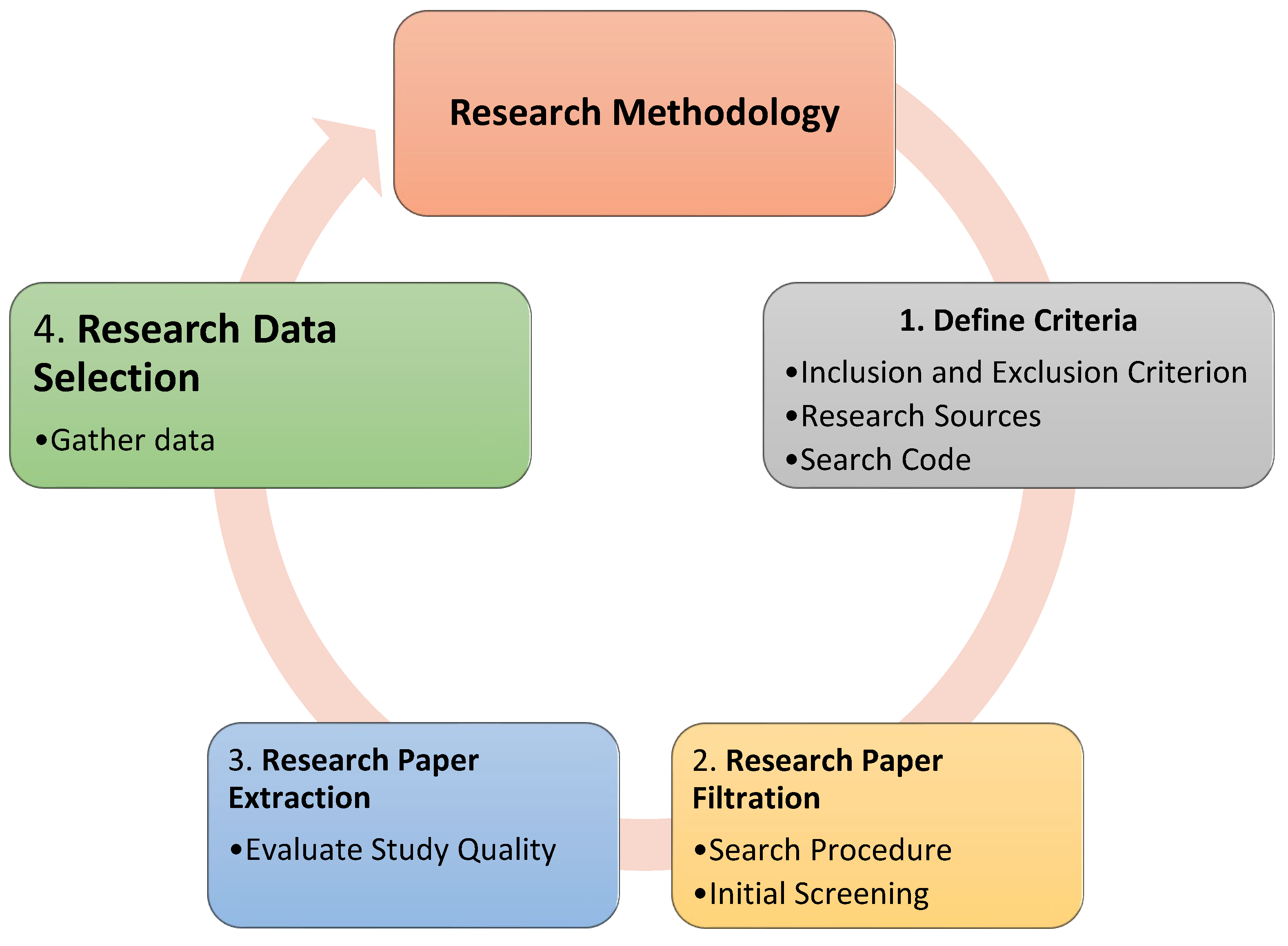
Figure 2.
Proposed Search Strategy using PICO Framework.
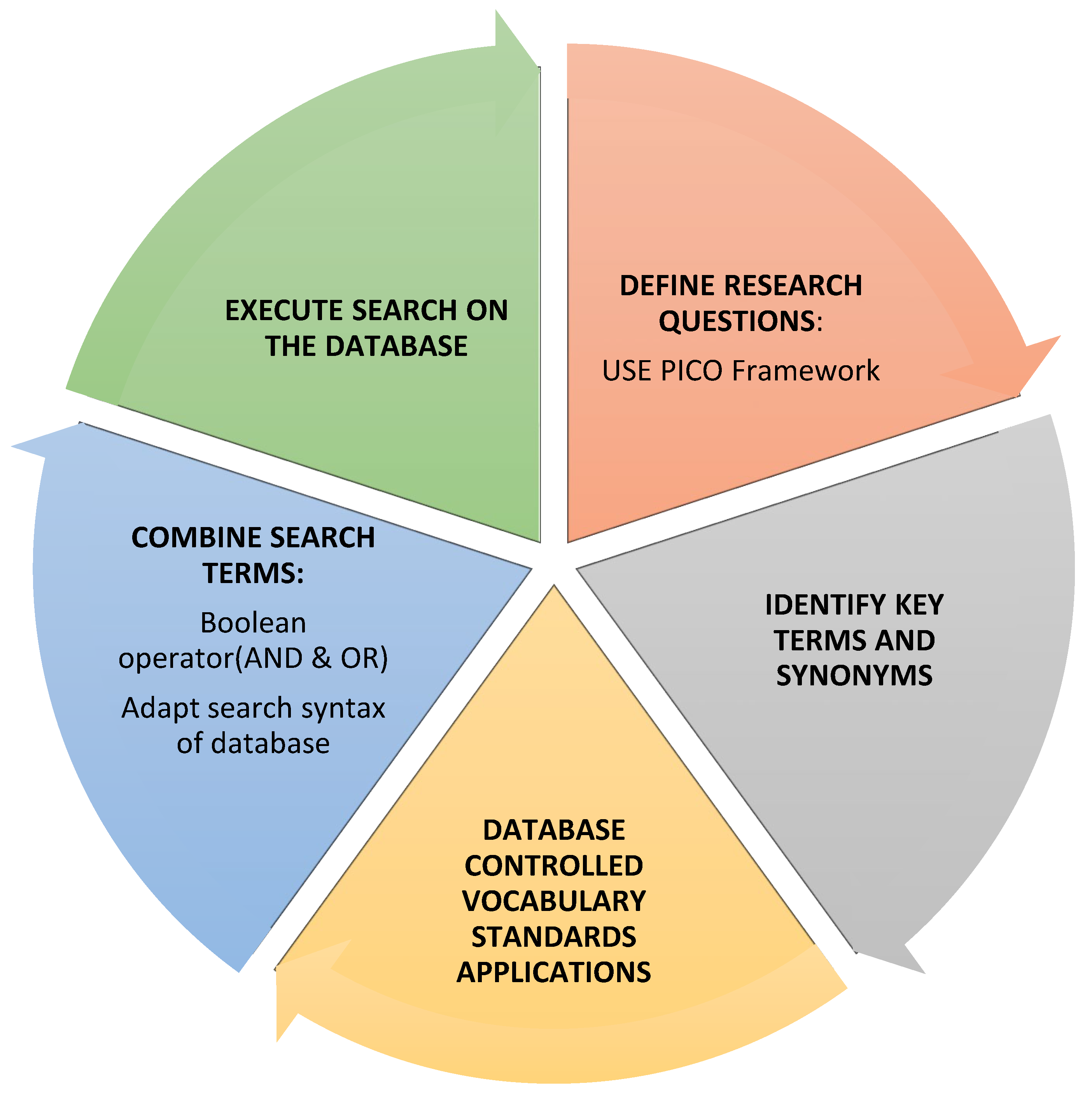
Figure 3.
Data Selection Process.
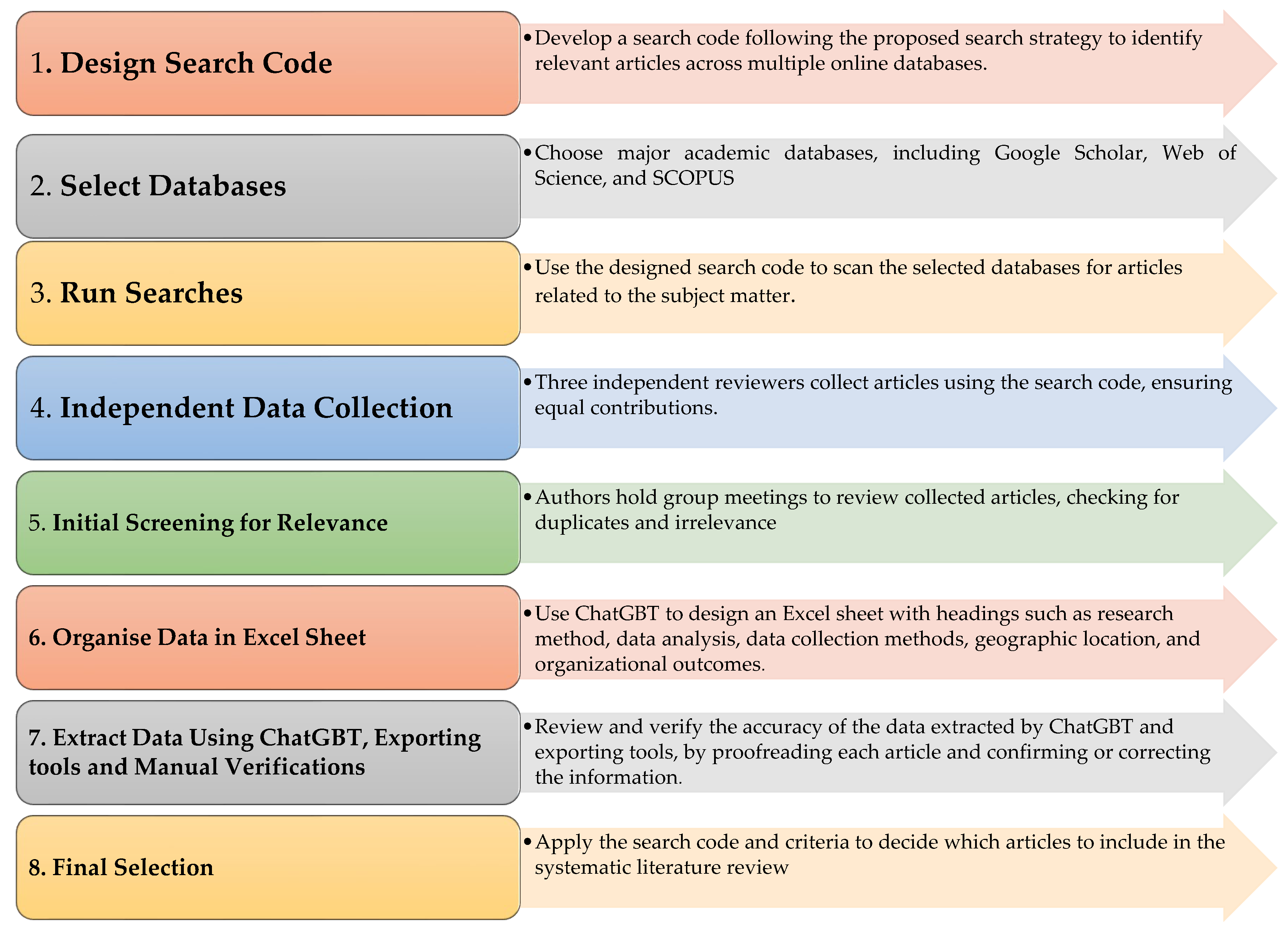
Figure 4.
Proposed Study Risk of Bias Assessment.
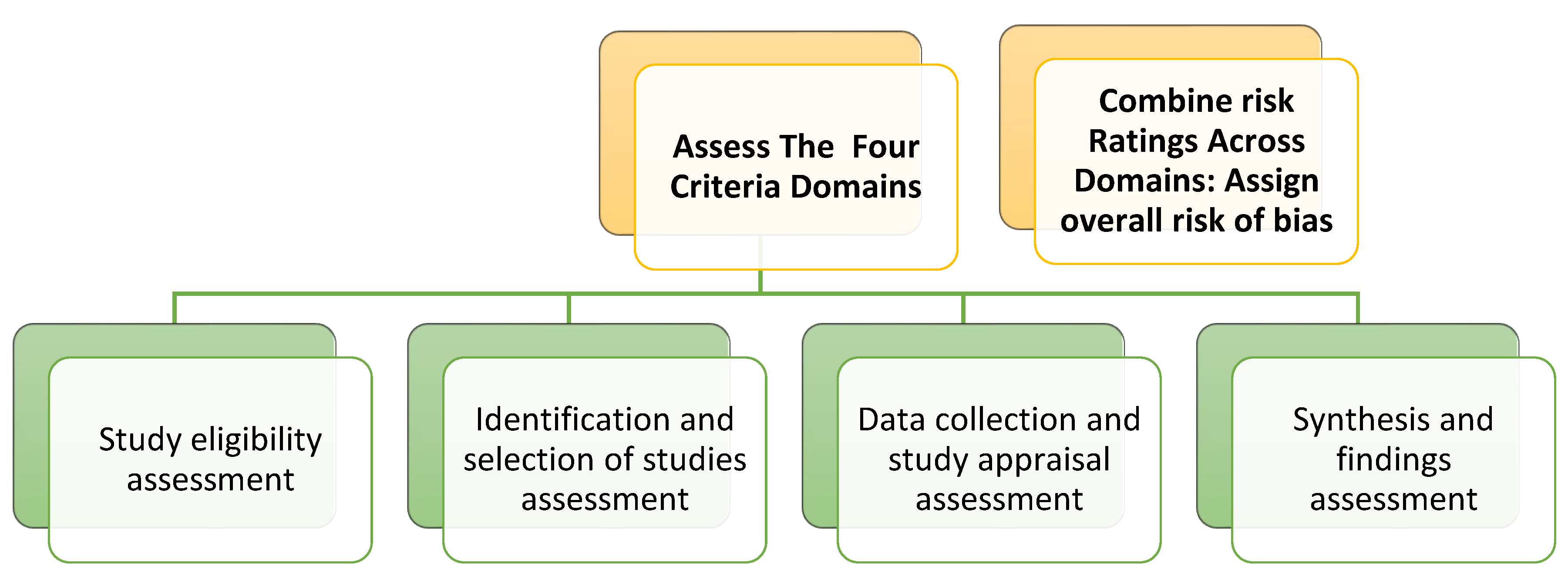
Figure 8.
Key Stages in Assessing Systematic Review Outcomes.
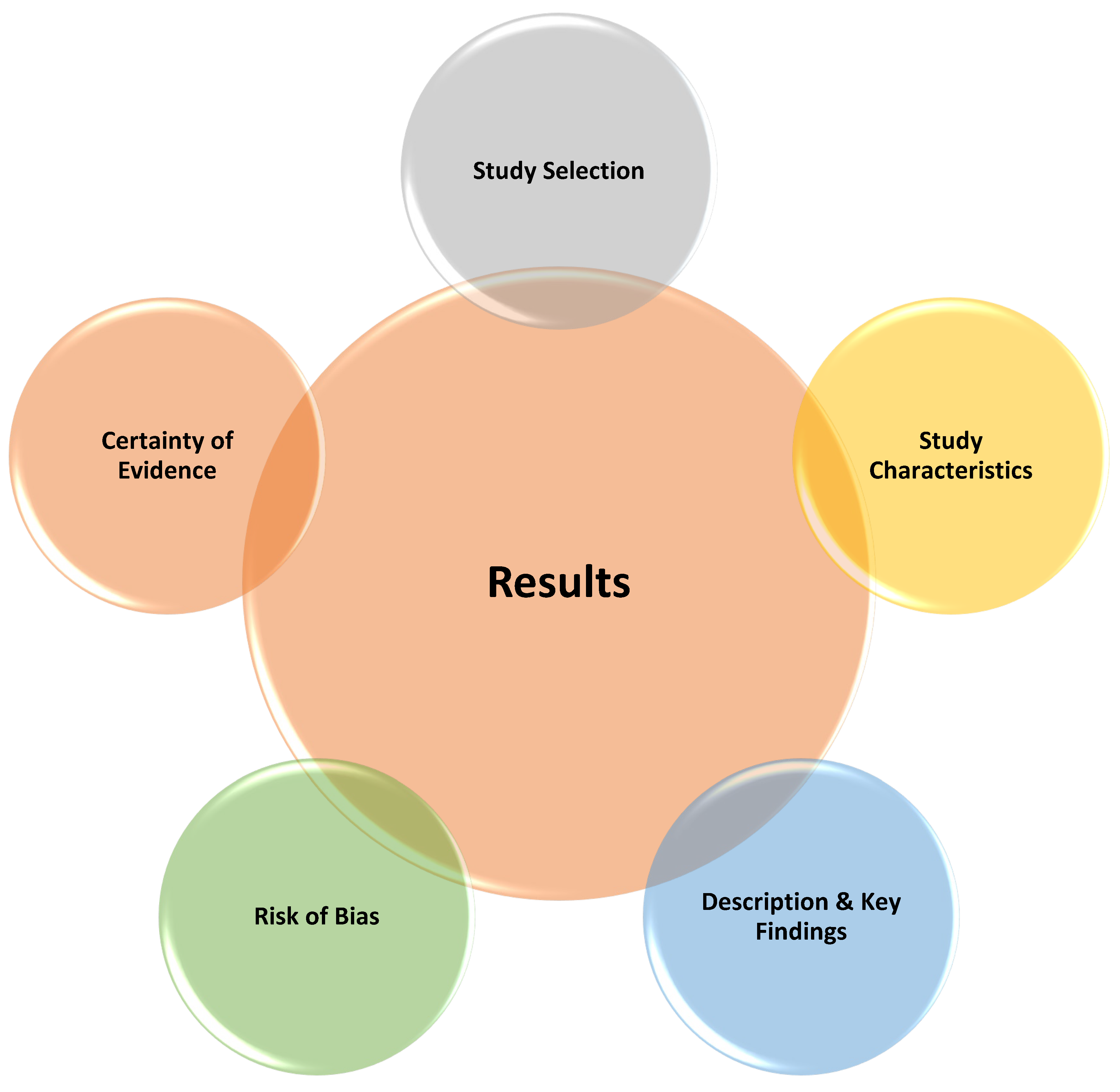
Figure 13.
Number of Studies Published per Year.
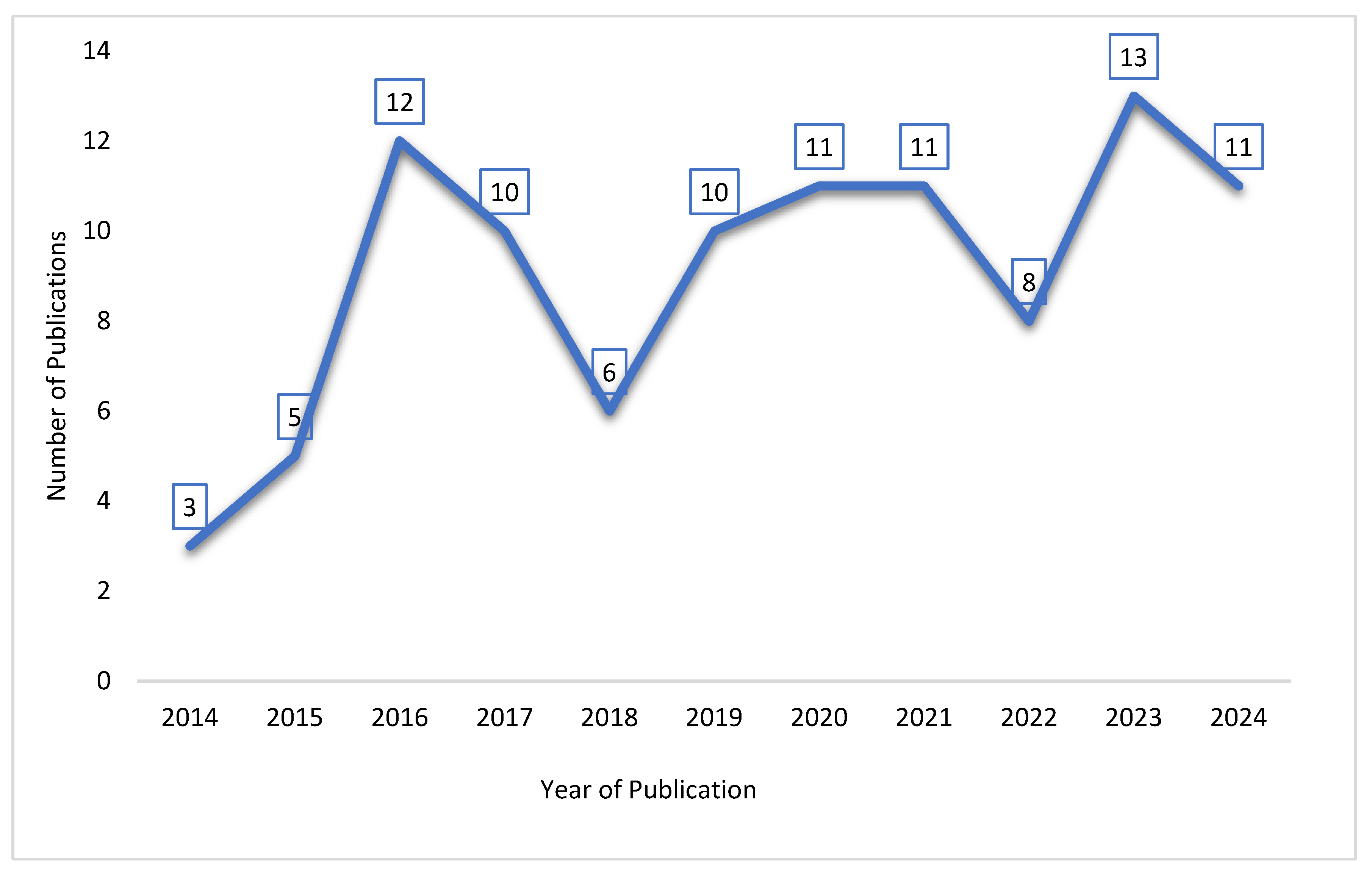
Figure 14.
Distribution of Publications from Different Geographical Locations.
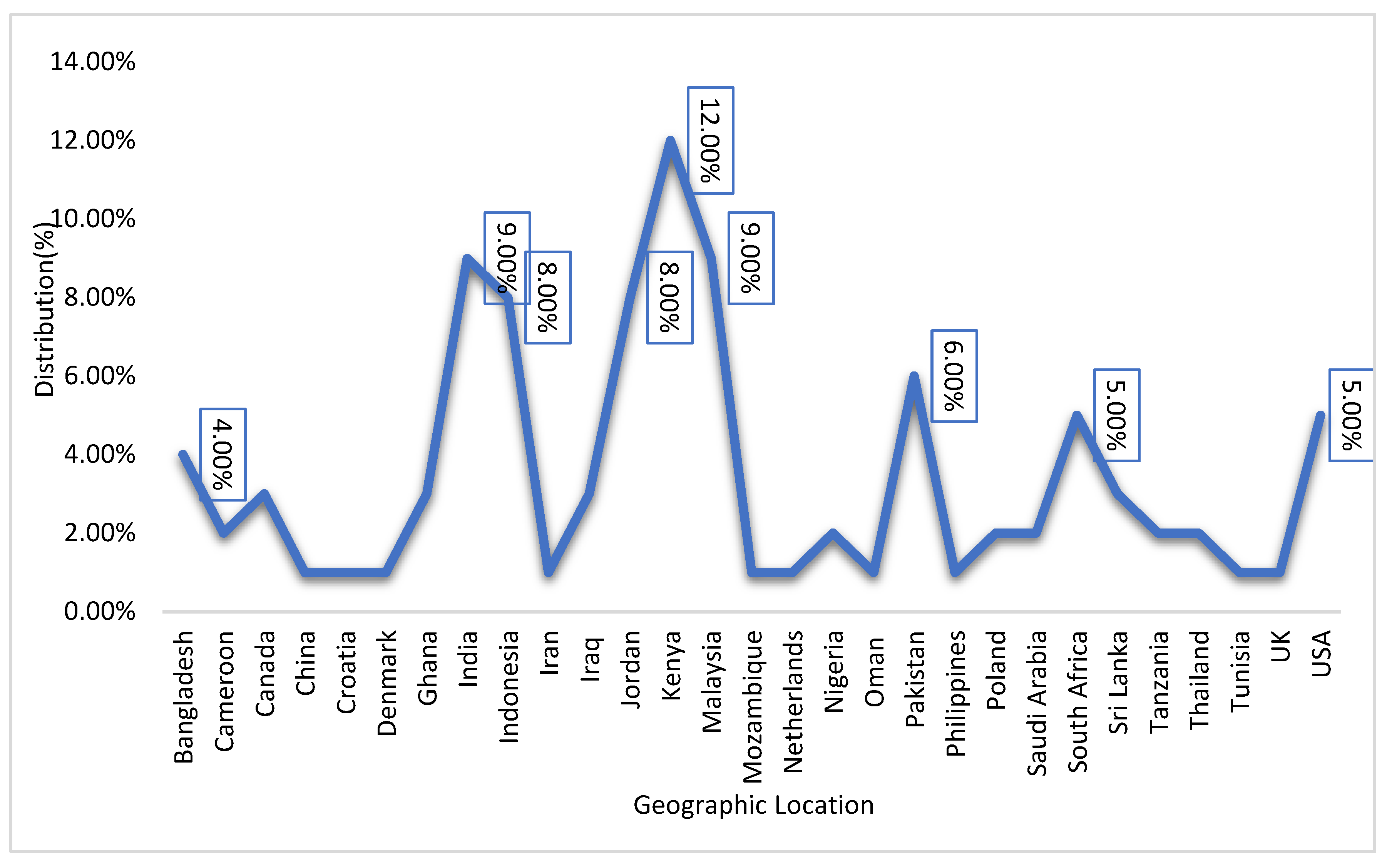
Figure 15.
Research Design Distribution of Collected Studies.
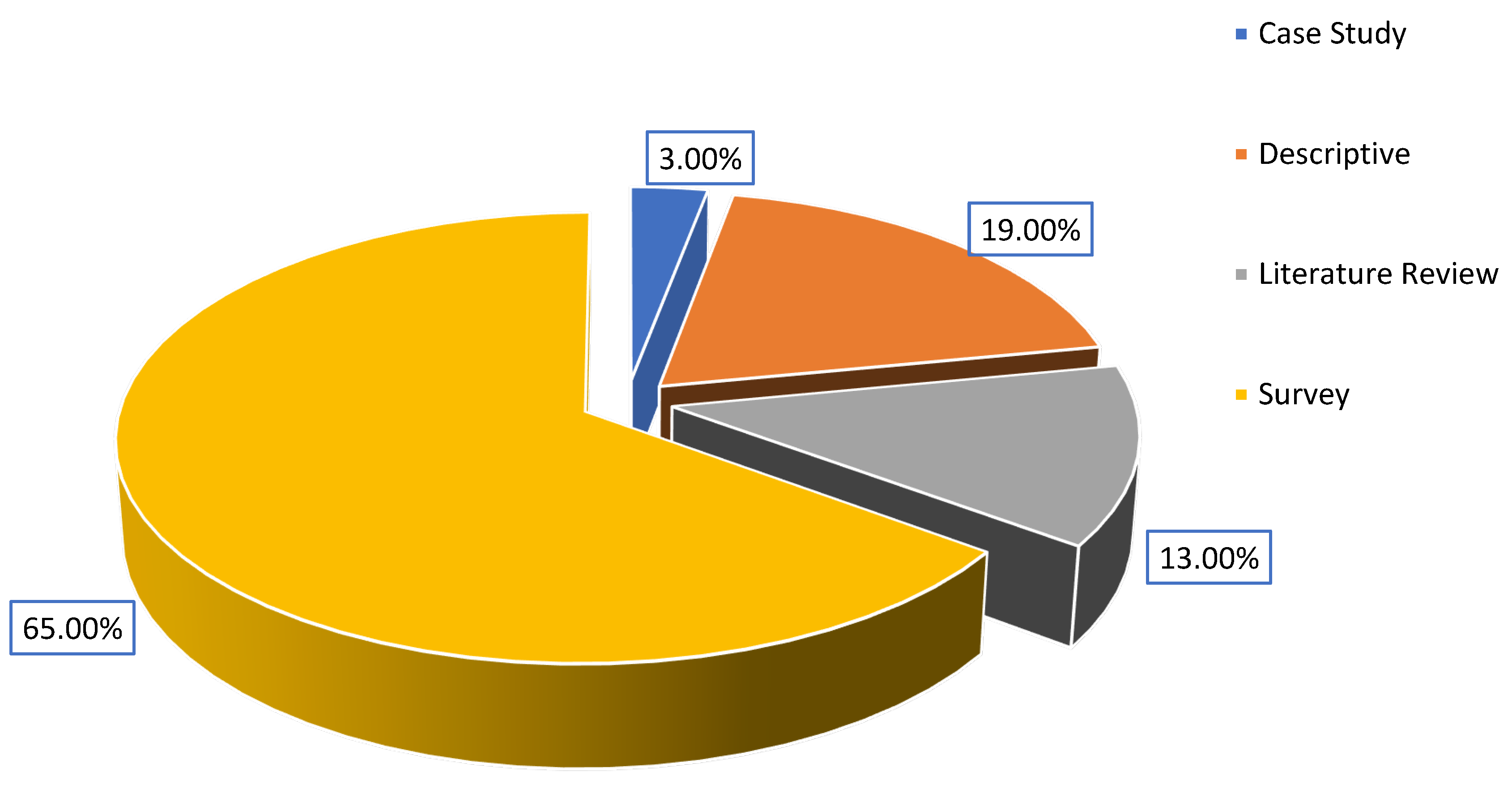
Figure 16.
Implications of Study on Industry Context.
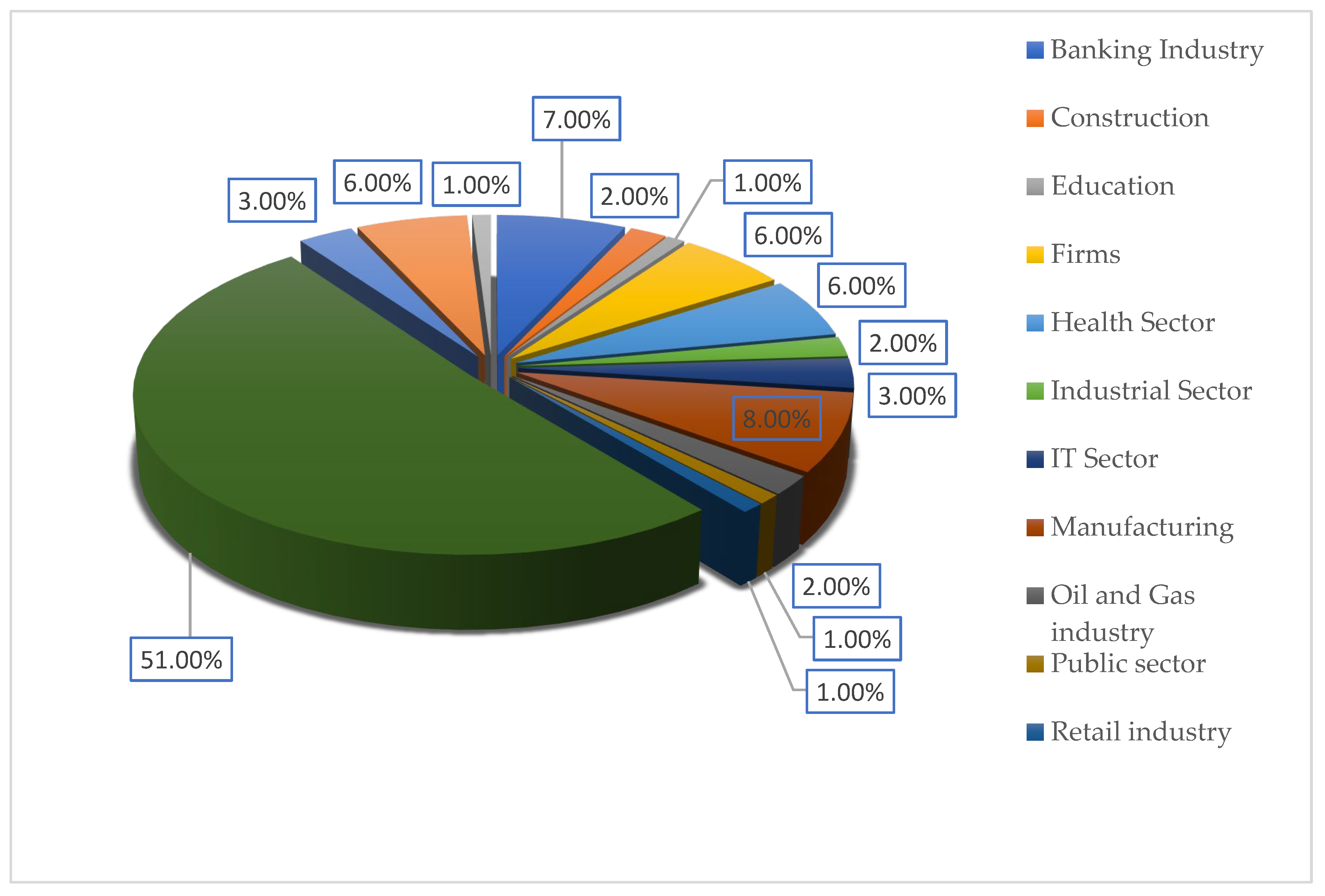
Figure 17.
Type HRIS of Technologies Employed in Collected Data.
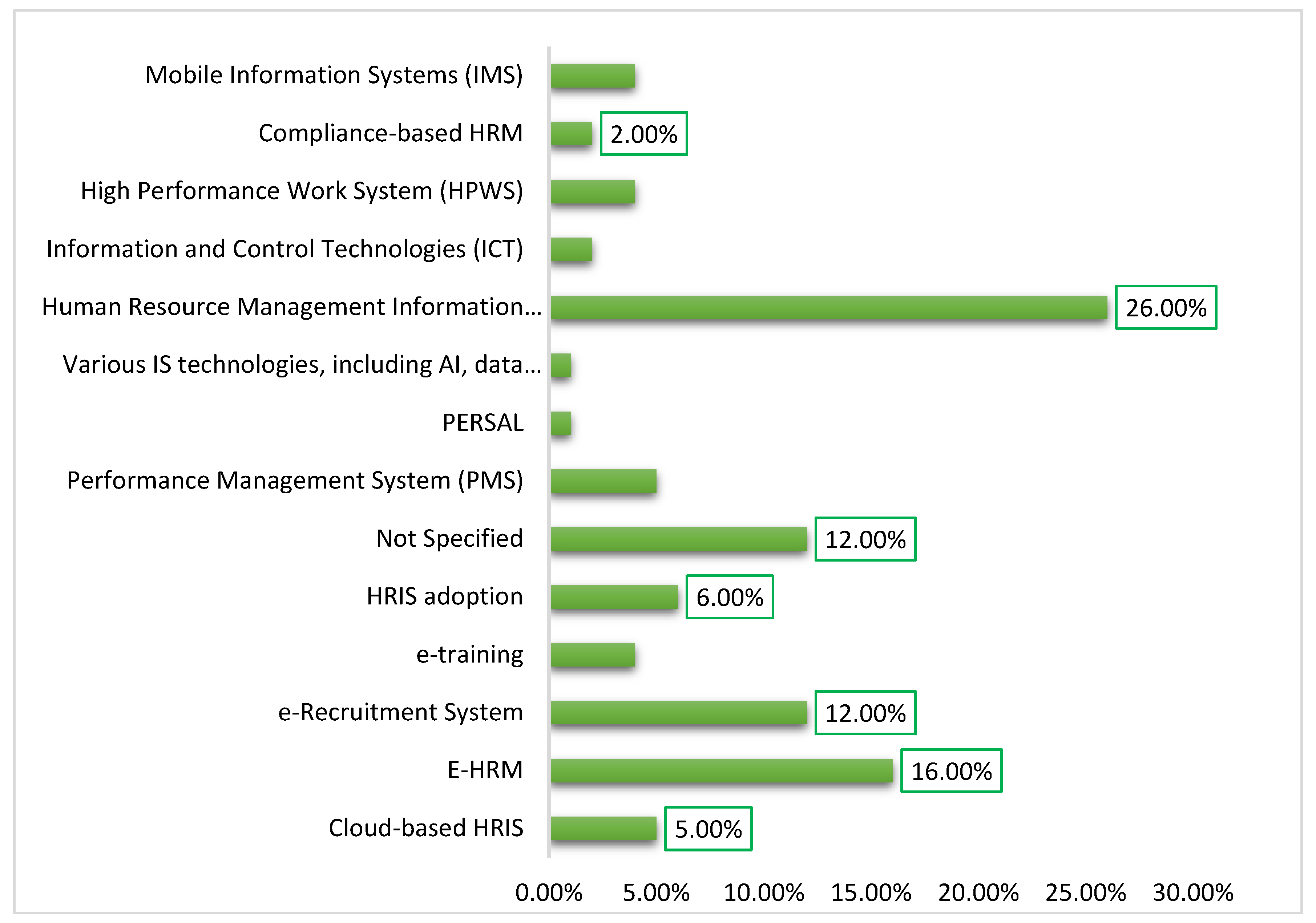
Figure 18.
Overall Implications of Workforce Performance Metrics.
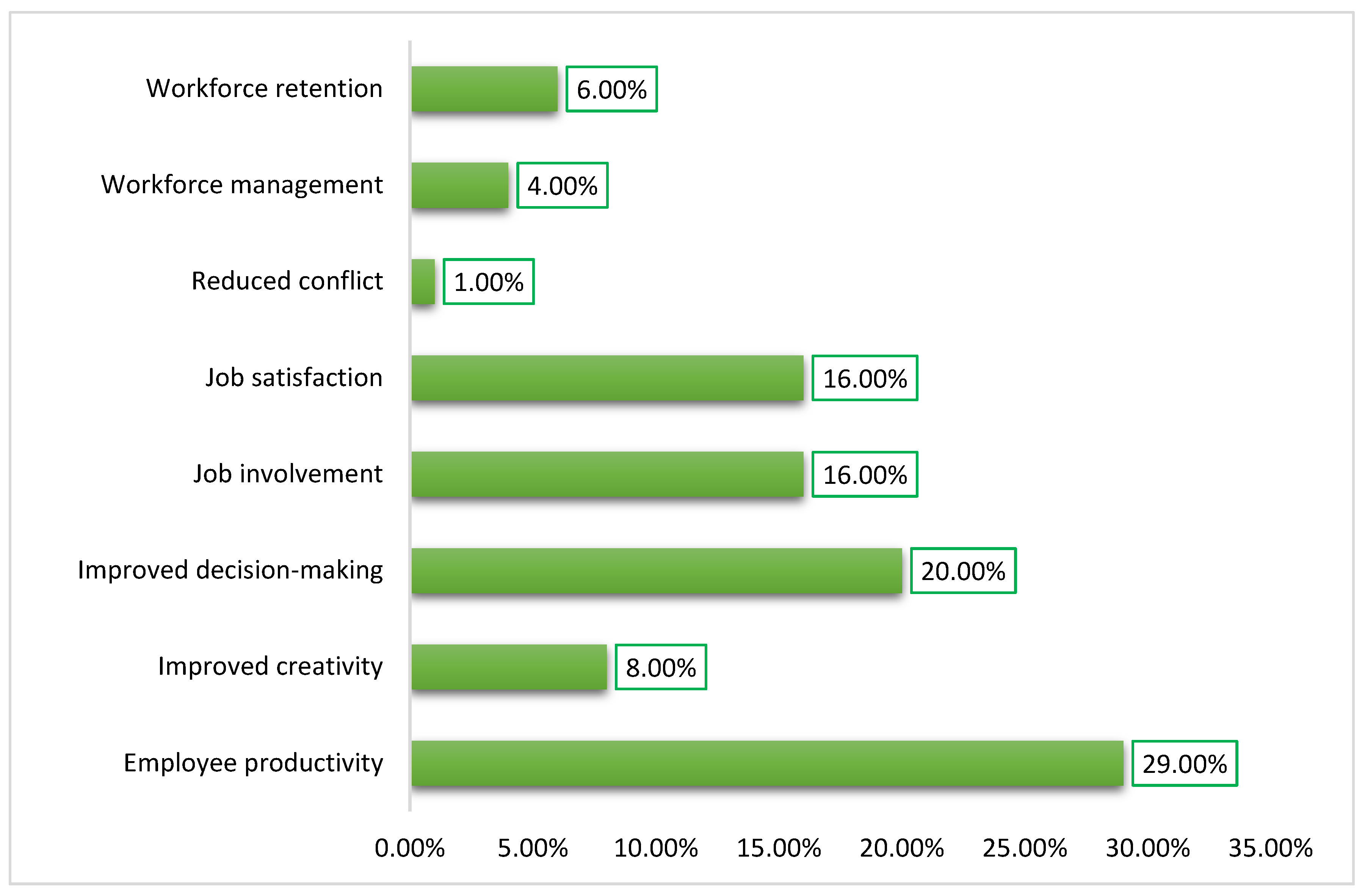
Figure 19.
Overall Implications of Business Performance Metrics.
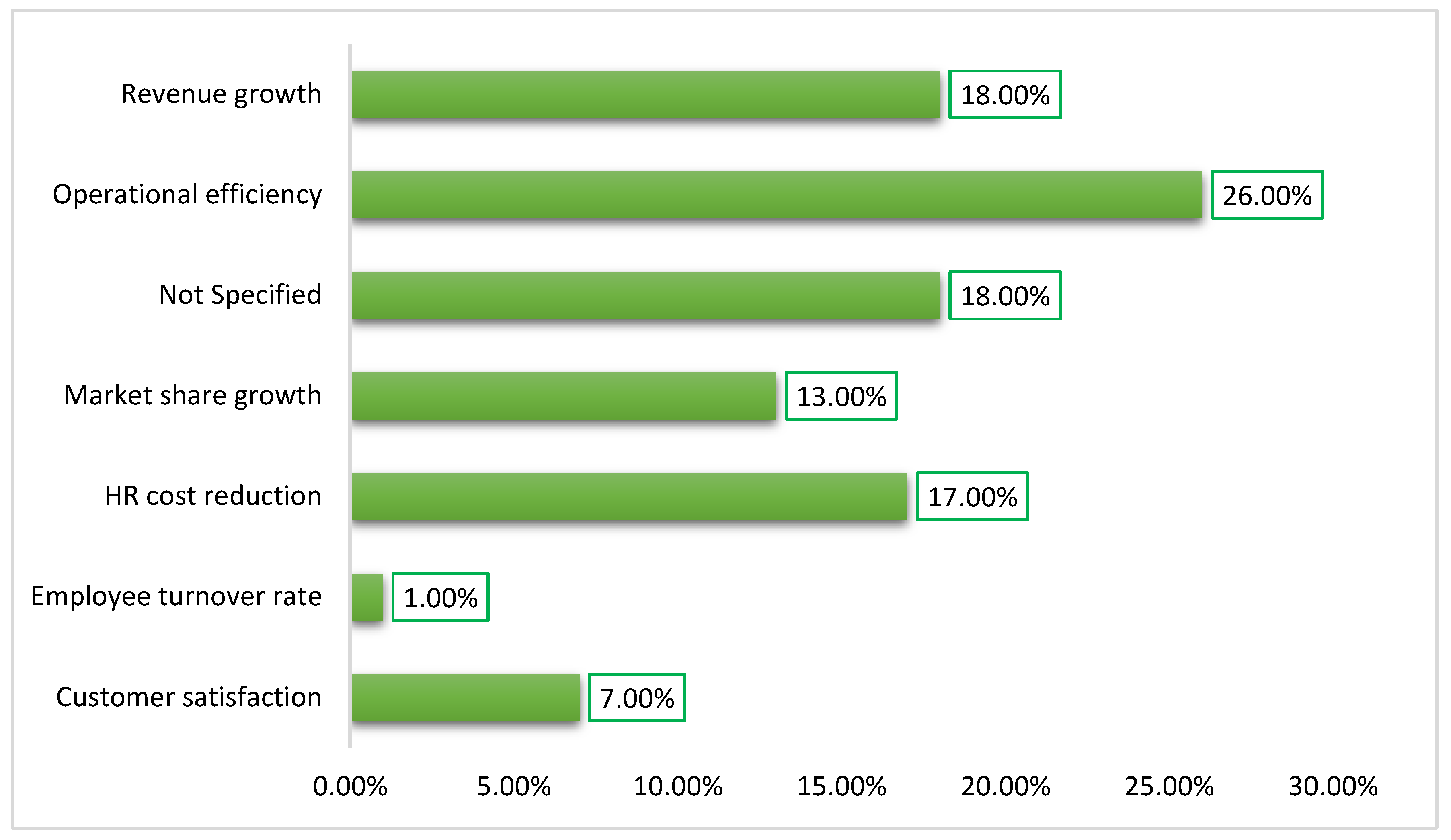
Figure 20.
Overall Implications of Organizational Performance Outcomes.
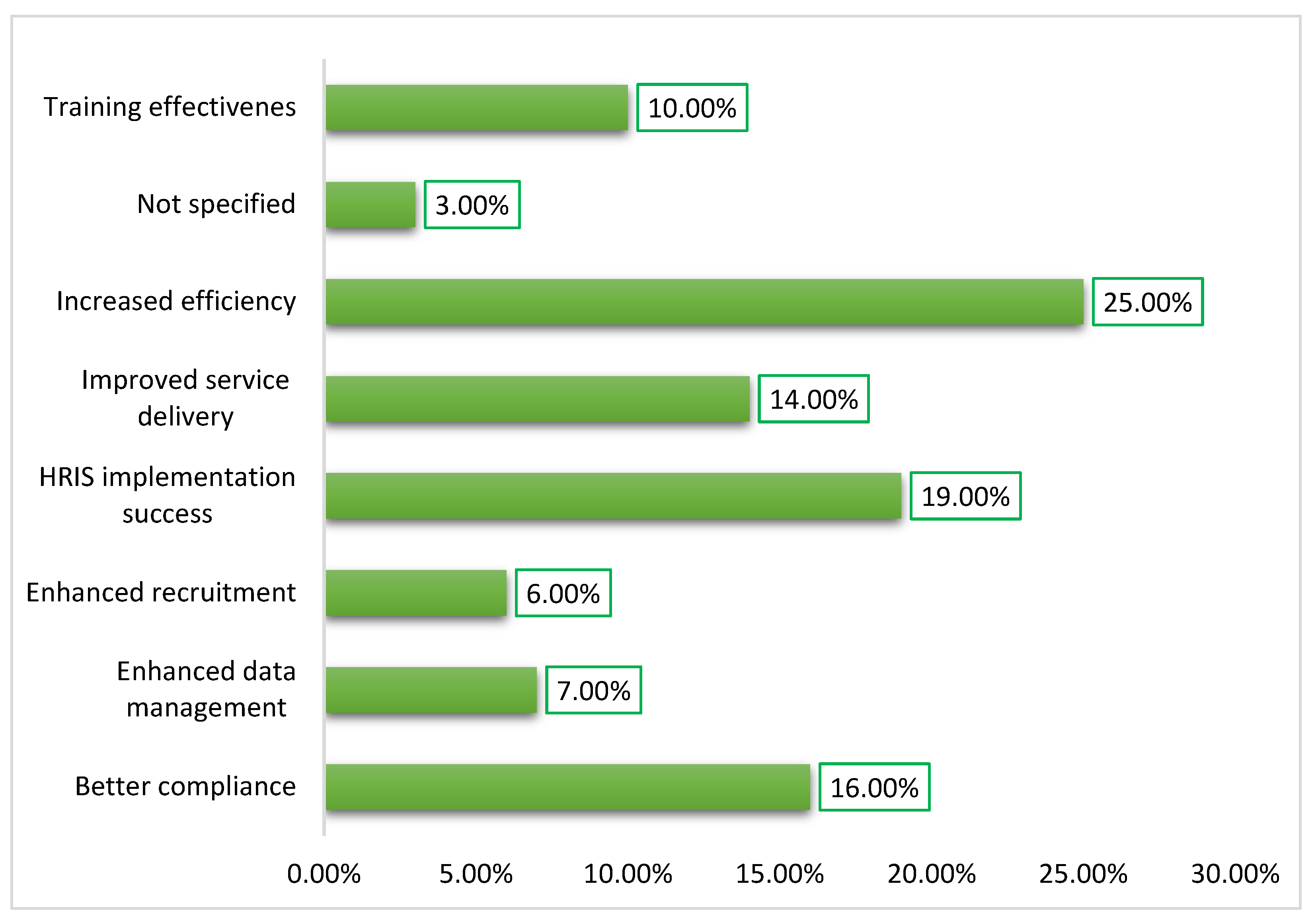
Figure 21.
Overall Long-term Impacts and their Implications.
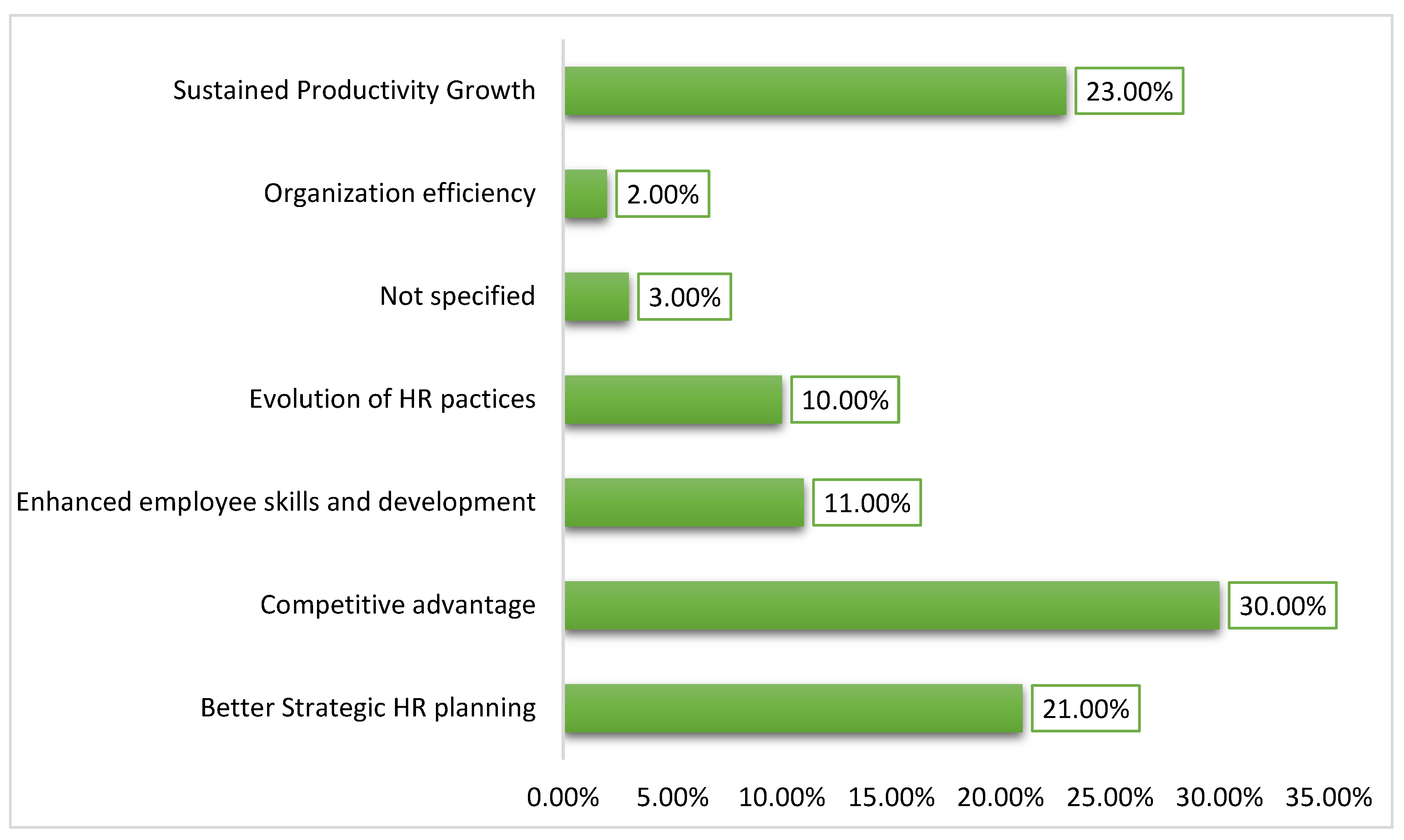
Figure 22.
Distribution of Type of Studies.
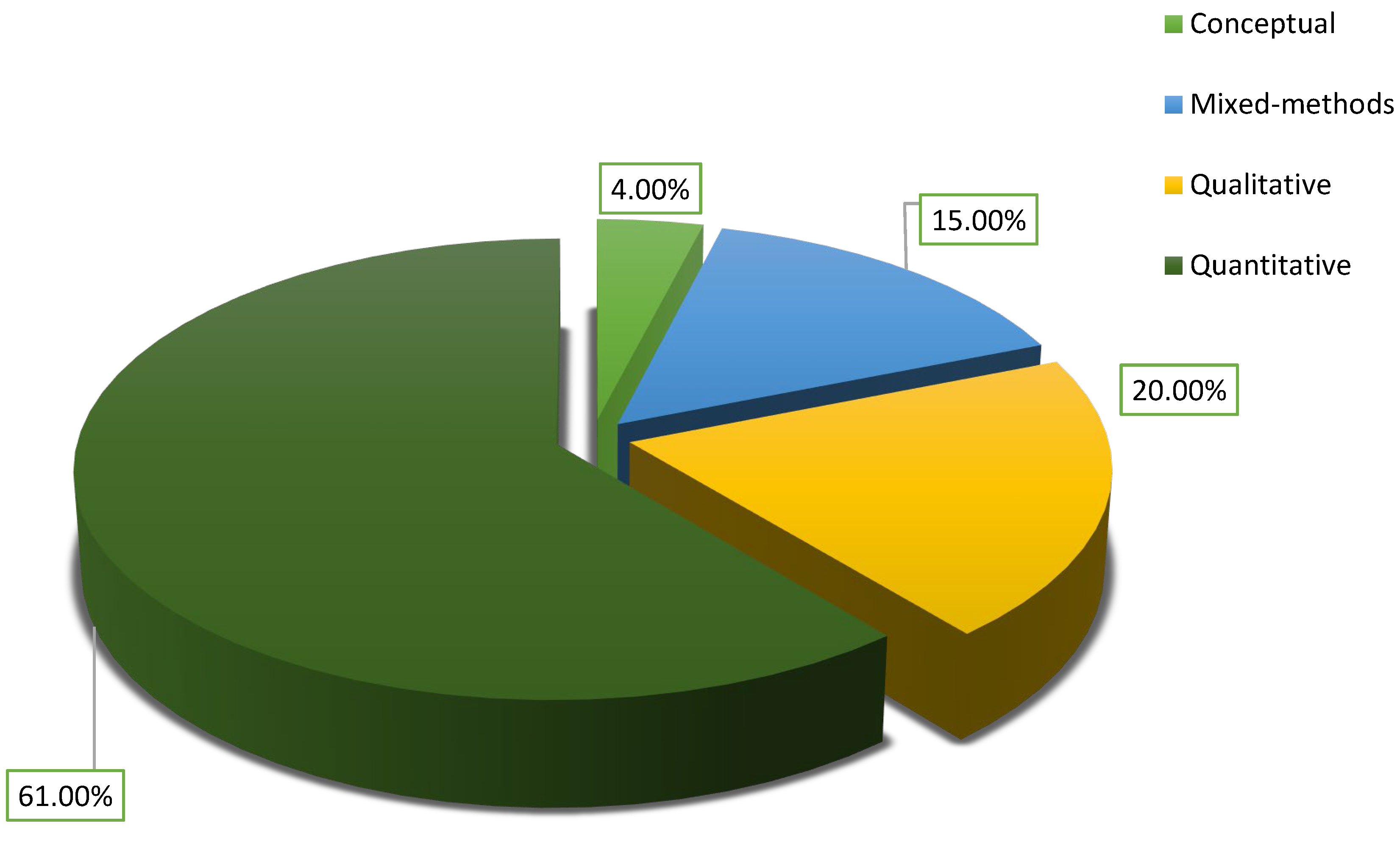
Figure 23.
Certainty of Evidence Results.
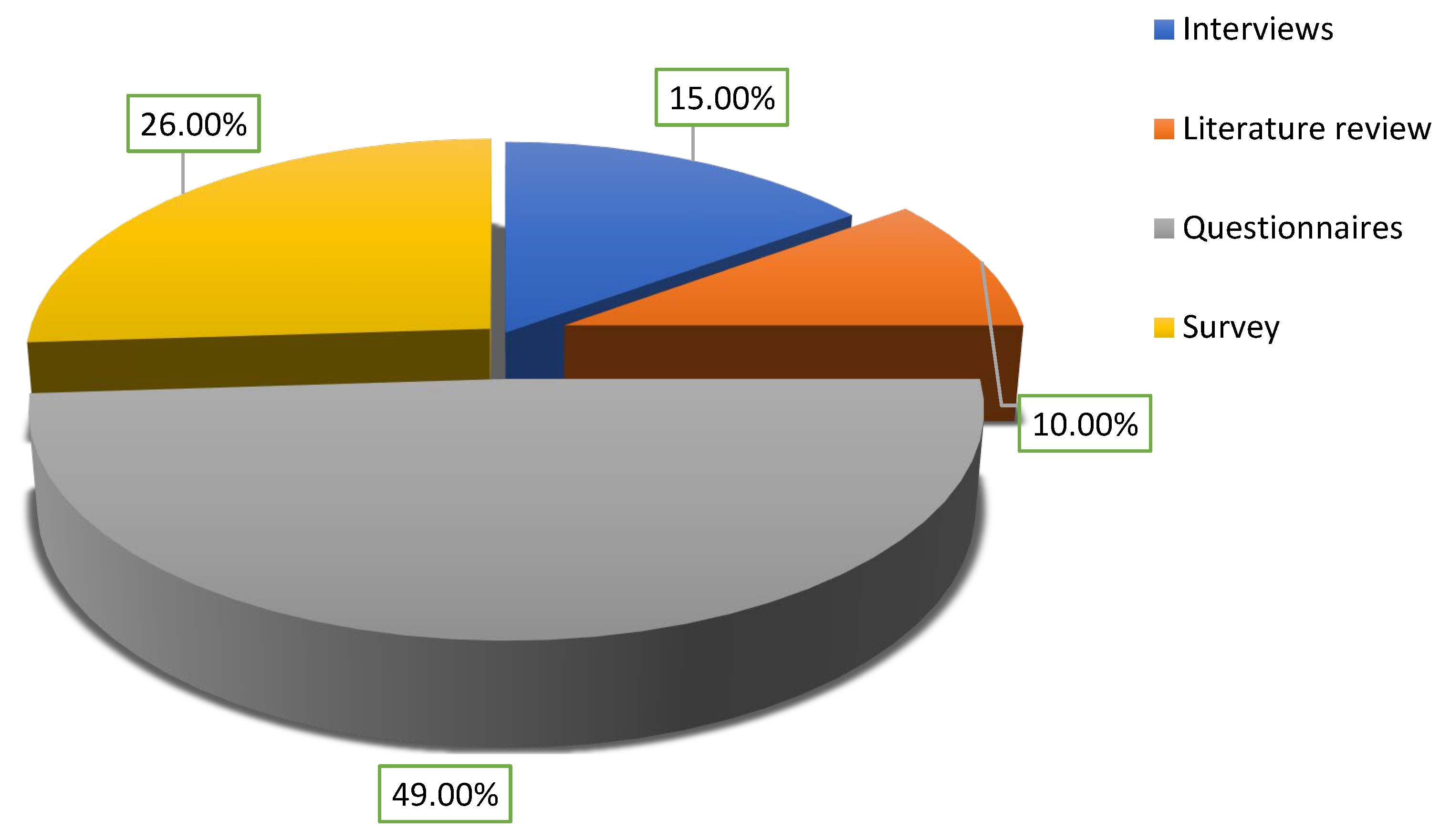
Figure 24.
Decision-Making Framework for HRIS Implementation.
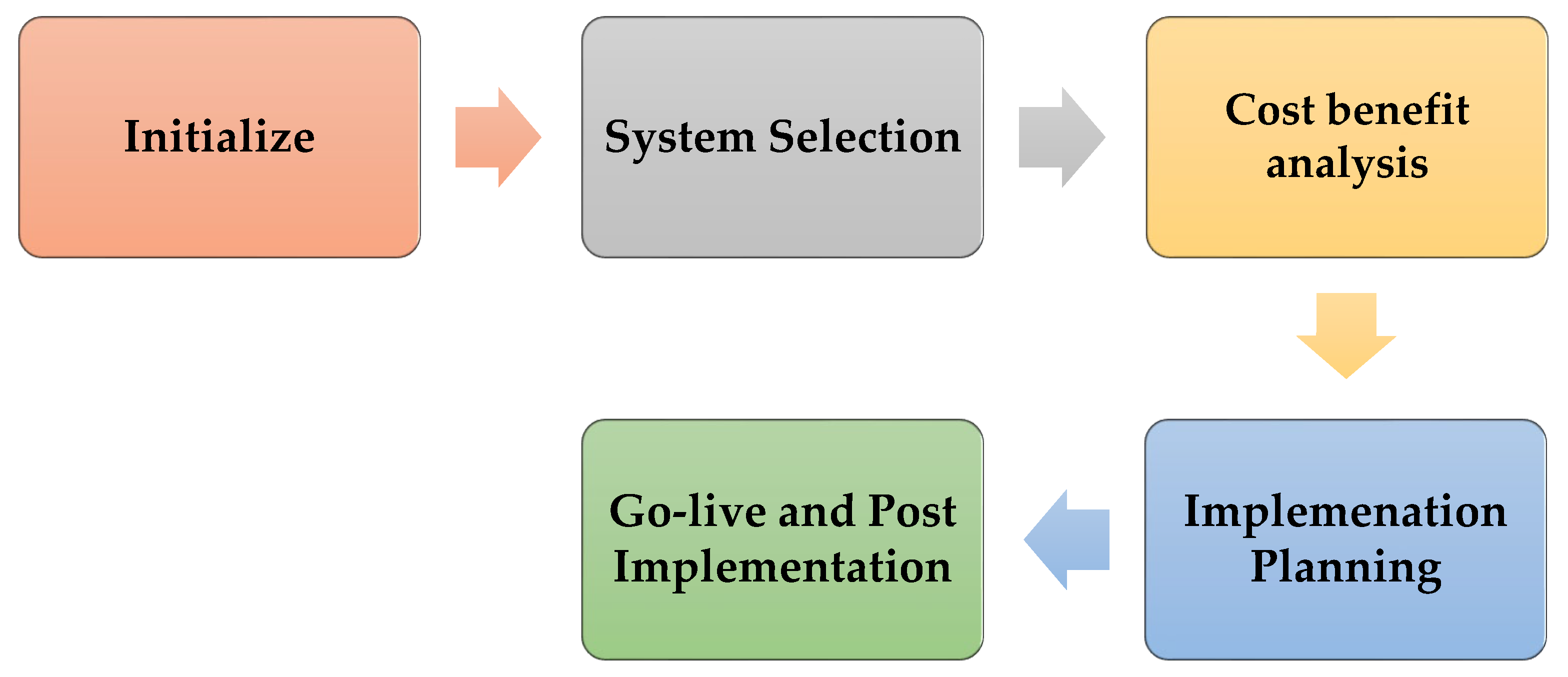
Figure 25.
Industry-Specific Framework for HRIS Implementation.
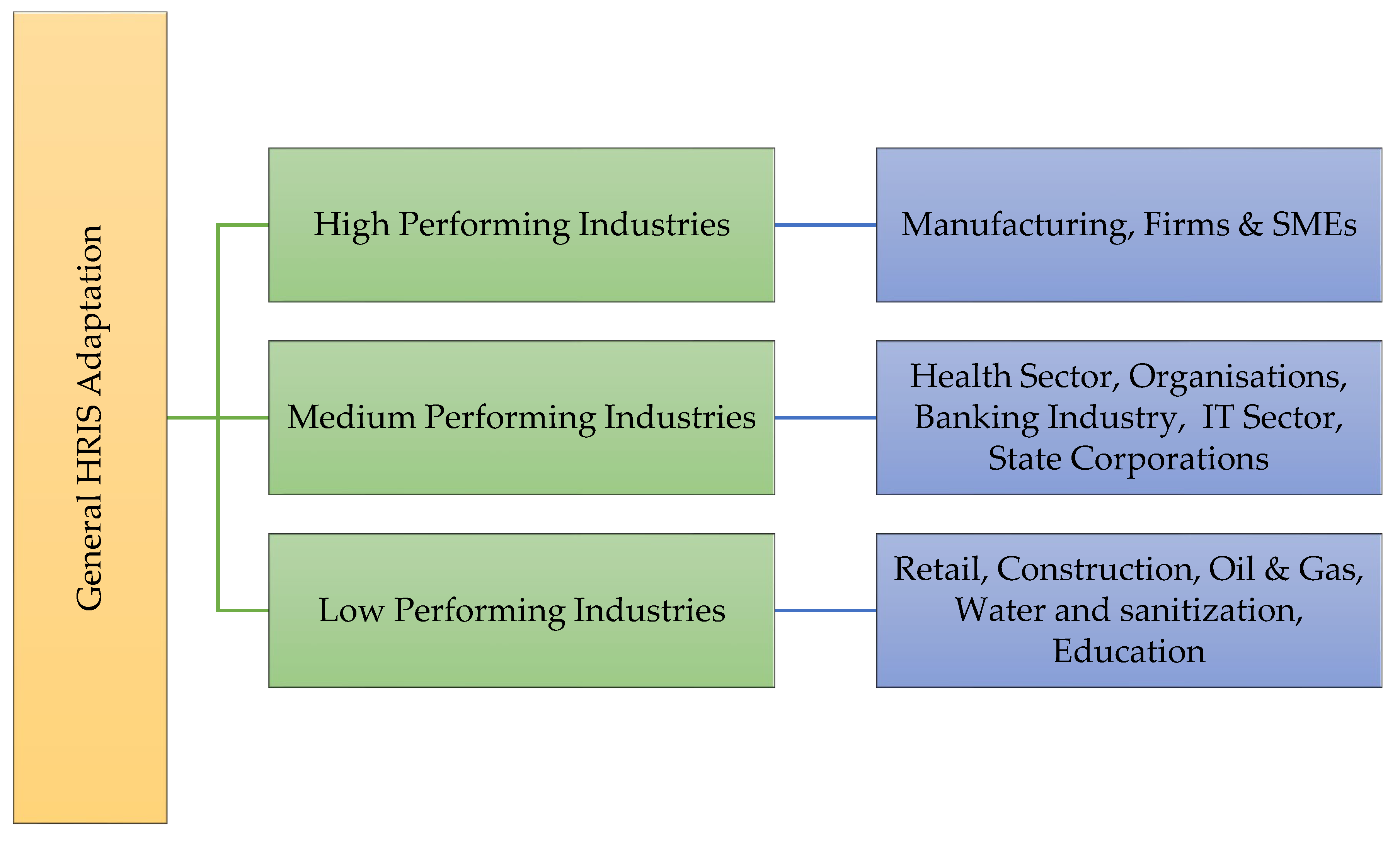
Table 1.
Comparative Analysis of the Existing Review Works and Proposed Systematic Review on Human Resources Information Systems (HRIS) and Their Impact on Workforce Productivity in SMEs.
Table 1.
Comparative Analysis of the Existing Review Works and Proposed Systematic Review on Human Resources Information Systems (HRIS) and Their Impact on Workforce Productivity in SMEs.
| Ref. | Cites | Year | Contribution | Pros | Cons |
|---|---|---|---|---|---|
| [32] | 2914 | 2015 | Structured Literature Reviews in IS Research | Introduces a systematic review method tailored for IS research, addressing a gap in existing guides. | May not fully capture IS nuances, and the focus on methodology might overlook other review aspects. |
| [33] | 714 | 2015 | Study on IS Success and Failure | Identifies key factors for IS success and calls for new perspectives, including broader and underexplored contexts like the public sector. | Despite efforts, IS failure rates remain high, and the complexity of the factors involved makes solutions challenging. |
| [34] | 2 | 2015 | Reviews the potential of HRIS in helping HR managers transition from administrative roles to strategic roles within organizations | Provides evidence that HRIS can support HR managers in strategic tasks | The article does not address the potential technological challenges |
| [35] | 5 | 2015 | Structured Literature Reviews in IS Research | Introduces a systematic review method tailored for IS research, addressing a gap in existing guides. | May not fully capture IS nuances, and the focus on methodology might overlook other review aspects |
| [36] | 714 | 2015 | Study on IS Success and Failure | Identifies key factors for IS success and calls for new perspectives, including broader and underexplored contexts like the public sector. | Despite efforts, IS failure rates remain high, and the complexity of factors involved makes solutions challenging. |
| [37] | 2 | 2015 | Reviews the potential of HRIS in helping HR managers’ transition from administrative roles to strategic roles within organizations. | Provides evidence that HRIS can support HR managers in strategic tasks. | The article does not address the potential technological challenges |
| [38] | 5 | 2016 | Investigates the barriers to implementing HRIS and HPWS in SMEs | Highlights the real-world challenges and obstacles that SMEs might face when implementing HRIS and HPWS, helping them prepare and tackle these issues effectively. | The review focuses only on manufacturing firms. |
| [39] | 544 | 2017 | Survey on HRIS use in smaller organizations (1998) | Highlights HRIS usage patterns and the focus on administrative tasks. Validates findings with other studies. | Limited to small organizations, outdated, and overlooks analytical uses of HRIS. |
| [40] | 22 | 2017 | Reviews the role of HRIS in knowledge retention and how it can be a valuable resource for organizations | Proposes a customized HRIS framework that can be used by organizations to manage knowledge and competencies. | Focuses on theoretical ideas more than practical examples or real-world applications. |
| Ref. | Cites | Year | Contribution | Pros | Cons |
| [41] | 34 | 2017 | A Review ofPrevious Studies | The systematic review includes 155 referred articles, indicating a broad examination of the topic, which contributes to a more extensive understanding of HRIS | The reliance on the chosen research methodology may limit the generalizability of the findings, as it assumes that the review process covered many studies available. |
| [42] | 34 | 2017 | The study reviews literature on HRMIS, government policy, and organizational performance | Provides a diverse range of theories to understand HRMIS | The proposed framework is theoretical and might need real-world testing to confirm its validity |
| [43] | 1768 | 2019 | Gamification Research Review | Analyzes 819 studies, showing gamification’s effectiveness and common implementations. Suggests future research directions. | Inconsistent research models and mixed results limit generalizability. The field is still emerging. |
| [44] | 12 | 2021 | Reviews and discusses the challenges and issues surrounding HRIS adoption | Emphasizes the practical benefits of HRIS adoption | The findings may not be directly applicable to other sectors or regions |
| [45] | 230 | 2021 | Review of human resource information systems (HRIS) adoption issues in the health sector, South Africa | Streamlining Processes: The use of HRIS can streamline HR processes, prevent data loss, and enhance the overall management of employee and patient records, contributing to better decision-making and potentially saving lives. | Although HRIS holds significant potential, its implementation in the South African health sector has been ineffective, resulting in problems like employee dissatisfaction, brain drain, and improper administration. |
| [46] | 23 | 2021 | Systematic literature review and future research agenda | Comprehensive Literature Review: The study provides a systematic and rigorous review of the existing literature on cloud computing in HRM, ensuring a well-organized and thorough examination of the topic. | The emphasis on the technical aspects of cloud computing in HRM might overshadow other critical factors, such as organizational culture, human factors, and strategic implications. |
| [47] | 31 | 2021 | Human Resource Information Systems (HRIS) of Developing Countries in 21st Century: Reviewand Prospects | Organizations are waking up to the potential of HRIS, leading to a surge in interest in adopting and using these systems. This growing awareness is key to seeing adoption that is more widespread. | HRIS adoption in developing countries like Bangladesh is limited, mainly to mid- and large-sized organizations, reducing its potential impact. |
| Proposed Systematic Review | This systematic literature review analyzes HRIS, focusing on its role in legal compliance, associated challenges and opportunities, and the cost-benefit balance. It also explores how AI and machine learning advancements could enhance HRIS functionality and strategic HR management. | The review highlights HRIS’s benefits in legal compliance, cost-efficiency, and identifies challenges and opportunities, while also exploring how AI and machine learning could enhance system capabilities. | |||
Table 2.
Proposed Inclusion and Exclusion Criteria.
| Criteria | Inclusion | Exclusion |
|---|---|---|
| Topic | Articles focusing on Human Resources Information Systems (HRIS) and Their Impact on Workforce Productivity |
Articles not focusing on Human Resources Information Systems (HRIS) and Their Impact on Workforce Productivity |
| Research Framework | The work must include a research framework where Human Resources Information Systems (HRIS) is employed to actual businesses |
Articles lacking a research framework on impact of Human Resources Information Systems (HRIS) on workforce production |
| Language | Papers written in English | Articles published in languages other than English |
| Year | Publications between 2014 and 2024 | Articles published outside 2014 and 2024 |
Table 5.
This Displays the Amount of Research Types Published Each Year, from 2014 to 2024.
| Publication Year | Book Chapter | Dissertation | Conference Paper | Thesis | Journal Article |
|---|---|---|---|---|---|
| 2014 | 0 | 0 | 0 | 0 | 3 |
| 2015 | 0 | 0 | 2 | 0 | 3 |
| 2016 | 0 | 0 | 0 | 1 | 11 |
| 2017 | 1 | 0 | 2 | 0 | 7 |
| 2018 | 0 | 0 | 0 | 0 | 6 |
| 2019 | 1 | 1 | 2 | 0 | 6 |
| 2020 | 1 | 0 | 3 | 0 | 7 |
| 2021 | 1 | 0 | 0 | 0 | 10 |
| 2022 | 0 | 1 | 1 | 2 | 4 |
| 2023 | 0 | 0 | 0 | 0 | 13 |
| 2024 | 0 | 0 | 0 | 1 | 9 |
Table 6.
Metrics and KPIs for Measuring Study Topic Performance.
| Industry Context | Outcome Metrics | Study Ref | Outcome measurements |
|---|---|---|---|
| Health Sector, Banking Industry, Firms, Manufacturing, SMEs | Workforce Productivity Metrics | [1,2,3,4,5,6,7,8,9,10,11,12,13,14,15,16,17,18,19,20,21,22,23,24,25,26,27,28,29,30,31,32,33,34,35,36,37,38,39,40,41,42,43,44,45,46,47,48,49,50,51,52,53,54,55,56,57,58,59,60,61,62,63,64,65,66,67,68,69,70,71,72,73,74,75,76,77,78,79,80,81,82,83,84,85,86,87,88,89,90,91,92,93,94,95,96,97,98,99,100] | HRIS enhances workforce retention, Workforce management, Employee productivity, Job involvement, Job satisfaction. Improved decision making and creativity |
| Health Sector, SMEs, IT sector, Oil and Gas Industry, Education | Business Performance Metrics | [1,2,3,4,5,6,7,8,9,10,11,12,13,14,15,16,17,18,19,20,21,22,23,24,25,26,27,28,29,32,33,34,35,36,38,40,41,42,44,45,46,49,50,51,52,54,55,56,57,59,60,61,62,63,64,65,66,69,70,71,72,73,75,76,77,78,79,80,81,82,83,84,85,86,87,89,91,92,93,94,95,96,99,100] | Customer satisfaction, HR cost reduction, Operational efficiency, Market share growth, Employee turnover rate, Revenue growth |
| Water and Sanitation, State Corporations, Retail Industry, Public sector | Organizational Outcomes | [1,2,3,4,5,6,7,8,9,10,11,12,13,14,15,16,17,18,19,20,21,22,23,24,25,26,27,28,29,30,31,32,33,34,35,36,37,38,39,40,41,42,43,44,45,46,47,48,49,50,51,52,54,56,57,58,59,60,61,62,63,64,65,66,67,68,69,70,71,72,73,74,76,77,78,79,80,81,82,83,84,85,86,87,88,89,90,91,92,93,94,95,96,97,98,99,100] | HRIS Improved service delivery, Enhanced Better compliance and Training effectiveness. Enhanced recruitment. Increased efficiency HRIS implementation success |
| Various organizations, State corporations, Manufacturing, Industrial sector | Long-term Impacts | [1,2,3,4,5,6,7,8,9,10,11,12,13,14,15,16,17,18,19,20,21,22,23,24,25,26,27,28,29,30,31,32,33,34,35,36,37,38,39,40,41,42,44,45,46,47,48,49,50,52,53,54,56,57,58,59,60,61,62,63,64,65,66,67,68,69,70,71,72,73,74,75,76,77,78,79,80,81,82,83,84,85,86,87,88,89,90,91,92,93,94,95,96,97,98,99,100] | Competitive advantage, Sustained productivity growth, Enhanced better strategic HR planning, Evolution of HR practices, Enhanced employee skills and development, Organization efficiency. |
Table 7.
Technology Implementation of the Selected Research Studies.
| Technology Implementation | Count | (%) |
|---|---|---|
| On-premises | 40 | 39.60% |
| Cloud-based | 26 | 25.74% |
| Hybrid | 35 | 34.65% |
Table 8.
Implications of Workforce Performance Metrics on Different Industries.
| Industry Context | Workforce retention | Workforce management | Reduced conflict | Job satisfaction | Job involvement | Improved decision-making | Improved creativity | Employee productivity |
|---|---|---|---|---|---|---|---|---|
| Banking Industry | 0.00% | 0.00% | 0.00% | 1.00% | 2.00% | 0.00% | 0.00% | 4.00% |
| Construction | 0.00% | 0.00% | 0.00% | 1.00% | 0.00% | 1.00% | 0.00% | 0.00% |
| Education | 0.00% | 0.00% | 0.00% | 0.00% | 0.00% | 0.00% | 0.00% | 1.00% |
| Firms | 0.00% | 0.00% | 0.00% | 3.00% | 2.00% | 1.00% | 0.00% | 0.00% |
| Health Sector | 2.00% | 1.00% | 0.00% | 1.00% | 0.00% | 1.00% | 1.00% | 0.00% |
| Industrial Sector | 0.00% | 0.00% | 0.00% | 0.00% | 0.00% | 0.00% | 0.00% | 2.00% |
| IT Sector | 0.00% | 0.00% | 0.00% | 1.00% | 0.00% | 1.00% | 1.00% | 0.00% |
| Manufacturing | 0.00% | 2.00% | 0.00% | 1.00% | 2.00% | 0.00% | 0.00% | 3.00% |
| Oil /Gas Industry | 0.00% | 0.00% | 0.00% | 0.00% | 1.00% | 0.00% | 0.00% | 0.00% |
| Public Sector | 4.00% | 1.00% | 1.00% | 6.00% | 7.00% | 11.00% | 5.00% | 16.00% |
| SMEs | 0.00% | 0.00% | 0.00% | 1.00% | 1.00% | 1.00% | 0.00% | 0.00% |
| State Corp | 0.00% | 0.00% | 0.00% | 0.00% | 0.00% | 3.00% | 0.00% | 3.00% |
| Organizations | 0.00% | 0.00% | 0.00% | 0.00% | 1.00% | 0.00% | 0.00% | 0.00% |
| Grand Total | 6.00% | 4.00% | 1.00% | 16.00% | 16.00% | 20.00% | 8.00% | 29.00% |
Table 9.
Implications of Business Performance Metrics on Different Industries.
| Industry Context | Customer Satisfaction | Employee Turnover Rate | HR Cost Reduction | Market Share Growth | Operational Efficiency | Revenue Growth |
|---|---|---|---|---|---|---|
| Banking Industry | 1,00% | 0,00% | 2,00% | 1,00% | 0,00% | 1,00% |
| Construction | 0,00% | 0,00% | 0,00% | 0,00% | 0,00% | 1,00% |
| Education | 0,00% | 0,00% | 0,00% | 0,00% | 0,00% | 0,00% |
| Firms | 0,00% | 0,00% | 0,00% | 3,00% | 1,00% | 2,00% |
| Health Sector | 2,00% | 0,00% | 2,00% | 0,00% | 2,00% | 0,00% |
| Industrial Sector | 0,00% | 0,00% | 0,00% | 0,00% | 0,00% | 1,00% |
| IT Sector | 0,00% | 0,00% | 2,00% | 0,00% | 0,00% | 0,00% |
| Manufacturing | 0,00% | 1,00% | 1,00% | 0,00% | 3,00% | 2,00% |
| Oil/Gas Industry | 0,00% | 0,00% | 0,00% | 2,00% | 0,00% | 0,00% |
| Public Sector | 0,00% | 0,00% | 0,00% | 0,00% | 0,00% | 0,00% |
| Retail Industry | 0,00% | 0,00% | 0,00% | 0,00% | 0,00% | 0,00% |
| SMEs | 3,00% | 0,00% | 8,00% | 7,00% | 14,00% | 11,00% |
| State Corporations | 0,00% | 0,00% | 1,00% | 0,00% | 2,00% | 0,00% |
| Organizations | 1,00% | 0,00% | 1,00% | 0,00% | 3,00% | 0,00% |
| Water and sanitization | 0,00% | 0,00% | 0,00 | 0,00% | 1,00% | 0,00% |
| Grand Total | 7,00% | 1,00% | 17,00% | 13,00% | 26,00% | 18,00% |
Table 10.
Implications of Organizational Performance Metrics on Different Industries.
| Industry Context | Training Effectiveness | Increased efficiency | Improved service delivery | HRIS implementation success | Enhanced recruitment | Enhanced data management | Better compliance |
|---|---|---|---|---|---|---|---|
| Banking Industry | 3,00% | 1,00% | 1,00% | 0,00% | 0,00% | 0,00% | 1,00% |
| Construction | 0,00% | 0,00% | 0,00% | 0,00% | 1,00% | 0,00% | 1,00% |
| Education | 0,00% | 1,00% | 0,00% | 0,00% | 0,00% | 0,00% | 0,00% |
| Firms | 1,00% | 1,00% | 1,00% | 1,00% | 0,00% | 1,00% | 1,00% |
| Health Sector | 0,00% | 0,00% | 2,00% | 0,00% | 1,00% | 0,00% | 3,00% |
| Industrial Sector | 0,00% | 1,00% | 0,00% | 1,00% | 0,00% | 0,00% | 0,00% |
| IT Sector | 0,00% | 0,00% | 1,00% | 0,00% | 1,00% | 0,00% | 1,00% |
| Manufacturing | 1,00% | 3,00% | 1,00% | 1,00% | 0,00% | 1,00% | 1,00% |
| Oil/Gas Industry | 0,00% | 1,00% | 1,00% | 0,00% | 0,00% | 0,00% | 0,00% |
| Public Sector | 0,00% | 0,00% | 0,00% | 1,00% | 0,00% | 0,00% | 0,00% |
| Retail Industry | 0,00% | 0,00% | 0,00% | 1,00% | 0,00% | 0,00% | 0,00% |
| SMEs | 3,00% | 13,00% | 6,00% | 13,00% | 2,00% | 5,00% | 7,00% |
| State Corp | 1,00% | 0,00% | 0,00% | 1,00% | 0,00% | 0,00% | 1,00% |
| Organizations | 1,00% | 3,00% | 1,00% | 0,00% | 1,00% | 0,00% | 0,00% |
| Water sanitization | 0,00% | 1,00% | 0,00% | 0,00% | 0,00% | 0,00% | 0,00% |
| Grand Total | 10,00% | 25,00% | 14,00% | 19,00% | 6,00% | 7,00% | 16,00% |
Table 11.
Implications of Long-term Impacts on Different Industries.
| Industry Context | Sustained productivity growth | Organization efficiency | Evolution of HR practices | Enhanced employee skills and development | Competitive advantage | Better strategic planning |
|---|---|---|---|---|---|---|
| Banking Industry | 3% | 0% | 0% | 2% | 0% | 1% |
| Construction | 0% | 0% | 0% | 1% | 0% | 1% |
| Education | 0% | 0% | 0% | 0% | 1% | 0% |
| Firms | 0% | 0% | 0% | 1% | 3% | 2% |
| Health Sector | 4% | 0% | 0% | 0% | 2% | 0% |
| Industrial Sector | 1% | 0% | 0% | 0% | 0% | 1% |
| IT Sector | 1% | 0% | 0% | 1% | 1% | 0% |
| Manufacturing | 3% | 0% | 2% | 0% | 2% | 1% |
| Oil and Gas Industry | 0% | 0% | 0% | 1% | 1% | 0% |
| Public Sector | 0% | 0% | 0% | 0% | 0% | 1% |
| Retail Industry | 0% | 0% | 0% | 0% | 0% | 1% |
| SMEs | 9% | 2% | 7% | 4% | 16% | 11% |
| State Corporations | 0% | 0% | 0% | 1% | 1% | 1% |
| Organizations | 2% | 0% | 1% | 0% | 3% | 0% |
| Water and Sanitation | 0% | 0% | 0% | 0% | 0% | 1% |
| Grand Total | 23% | 2% | 10% | 11% | 30% | 21% |
Table 12.
Results of Risk of Bias.
| Study reference | Study Eligibility Criteria | Identification and Selection of Studies | Data Collection and Study Appraisal | Synthesis and Findings | Overall Risk of Bias |
|---|---|---|---|---|---|
| [2,5,6,7,8,9,14,15,16,21,27,33,56,88] | Clear eligibility criteria, focusing on HRIS in SMEs with at least < 300 employees | Comprehensive search strategy; included peer-reviewed articles and | Data extracted consistently, but did not account for industry type as a confounding factor. | Balanced synthesis; both positive and negative outcomes reported. | MEDIUM |
| [1,3,9,10,23,30,38,39,41,43,47,50,51,57,59,60,64,65,66,68,73,76,77,81,86,89,93,96,99] | Broad eligibility criteria; included all types of HRIS across different company sizes, making it too general. | Comprehensive search, included published and unpublished studies, reducing selection bias. | Data collection was systematic, but some important variables, like workforce size, were not consistently captured. | Positive outcomes were emphasized; no mention of limitations in the discussion | MEDIUM |
| [6,8,11,17,18,19,20,24,26,29,31,32,34,35,36,37,40,42,44,45,46,48,52,53,54,55,58,61,62,69,70,71,72,74,75,78,79,80,82,83,84,85,87,90,91,92,95,97,98] | Eligibility criteria were clear and specific to HRIS use in European SMEs. | Comprehensive search, included published and unpublished studies, reducing selection bias. | Data extraction was rigorous, with all key variables and confounders considered. | Thorough synthesis of all outcomes, with limitations clearly reported. | LOW |
| [4,7,37,56,87,93,95] | Eligibility criteria were defined but lacked clarity on the type of HRIS systems being analyzed. | Search strategy was broad but missed key databases, introducing selection bias. | Data extraction was poorly documented, and there was no attempt to assess important study characteristics, such as sample size or methods. | Findings were presented in a one-sided manner, highlighting only favorable results and failing to report any drawbacks or negative outcomes. | HIGH |
| [12,13,14,22,25,28,49,63,67,94] | The eligibility criteria were unclear, and it didn’t specifically explain what counted as an SME. | The search was wide-ranging, but it overlooked important databases, which may have led to biased study selection. | Data collection was inconsistent, and key study characteristics were not fully appraised. | Overemphasis on positive findings, with selective reporting of outcomes. | HIGH |
Table 13.
Summary of Best Practices for Successful HRIS Implementation.
| Best Practice | Description | Impact on success |
|---|---|---|
| Employee productivity | The effectiveness with which employees carry out their tasks. | Increased productivity increases the efficiency of SMEs, which in turn improves profitability |
| Operational efficiency | Capacity to provide goods and services with cost-effectiveness | Reduces unnecessary expenses, helping SMEs to improve their profit margins and stay financial stable. |
| Better compliance | A business’s compliance with industry standards, laws and rules that control how it operates. | Better compliance help SMEs to build trust and reputation with customers and business partners. |
| Competitive advantage | Factors that allow a business to outcompete their competitors | Competitive advantage leads to increased market share |
Table 14.
How Industry Differences Affect HRIS Usage.
| HRIS Use | Industries Affected | Explanation |
|---|---|---|
| Workforce Size and Structure | Retail, Construction, SMEs | Industries with large, distributed, or highly dynamic workforces (e.g., retail or construction) need HRIS solutions that support scheduling, workforce tracking, and rapid recruitment. In contrast, smaller firms or office-based sectors (e.g., legal, finance) prioritize benefits administration and employee development. |
| Regulatory Compliance | Healthcare, Banking, Government | Highly regulated industries like healthcare and banking have stringent compliance requirements for employee certifications, licenses, and data security. HRIS systems in these industries must include features for tracking compliance and updating in real-time to reflect regulatory changes. |
| Operational Dynamics | Manufacturing, Hospitality, Oil and Gas | In manufacturing, oil and gas, and hospitality, the operational focus is on timekeeping, safety training, and managing shifts across different geographies. HRIS for these industries need strong functionality for workforce planning, safety compliance, and employee performance tracking in rugged environments |
| Employee Skill and Development | Education and IT Sector | The education sector relies heavily on credential management and professional development, requiring HRIS that can track certifications, licenses, and training programs. Similarly, IT companies emphasize skills development, and HRIS systems here need robust learning management features to handle ongoing training and certification tracking. |
Table 15.
Integration of AI and Machine Learning.
| HR Function | Technical Challenges | AI Opportunities | Real-World Example |
|---|---|---|---|
| Performance Management | AI models may misinterpret performance metrics or rely on biased data. | AI can automate performance reviews by analyzing a wide range of metrics (e.g., project completion, peer feedback), reducing manual bias in evaluations. | Case Study - A multinational company used AI to monitor employee performance in real-time, combining metrics like project deadlines, quality of work, and collaboration. This reduced bias and led to a 15% increase in objective, data-driven promotions. |
| Recruitment | Bias in training AI algorithms, difficulty integrating with legacy systems. | AI streamlines recruitment by scanning large volumes of resumes, identifying candidates that align with job descriptions, and predicting cultural fit based on historical success patterns. | Recommendation - An SME could integrate an AI-based HRIS to screen resumes, reducing hiring time by 30%. The AI system learns from past successful hires to improve its accuracy over time. |
| Compliance Monitoring | Keeping AI systems up-to-date with regulatory changes. | AI automatically tracks changes in local labor laws and flags compliance issues, ensuring that HR practices stay aligned with legal requirements. | Recommendation - Implement AI in HRIS to monitor and ensure real-time compliance in a banking environment, reducing human error and fines for non-compliance. |
| Employee Retention | Predicting employee turnover with incomplete or biased datasets. | AI-driven HRIS can analyze employee engagement, satisfaction, and historical turnover patterns to predict which employees are likely to leave, allowing managers to intervene proactively. | Case Study - A large retailer used AI in its HRIS to analyze engagement surveys, absenteeism, and performance data to predict which employees were at risk of leaving. This enabled timely interventions, reducing turnover by 20%. |
| Learning & Development | Ensuring AI-generated training recommendations align with business goals. | AI personalizes employee development programs by recommending training based on performance gaps and future role requirements. | Recommendation: - An AI-powered HRIS could be implemented in a manufacturing setting to recommend safety training and development programs tailored to individual workers’ roles, reducing accidents and increasing productivity. |
Table 16.
Challenges and Opportunities in AI Integration.
| Challenges | Description | Opportunities |
|---|---|---|
| Data Quality and Bias | AI models require large, high-quality datasets. If the HR data is incomplete or biased, AI-driven decisions will be flawed. | AI can continuously improve through feedback loops, learning from errors in predictions and adjusting its models. This presents an opportunity for SMEs to refine their HRIS over time for more accurate decision-making. |
| Integration with Legacy Systems | Many SMEs use outdated HR systems that are difficult to integrate with AI technologies, leading to compatibility issues and delayed implementations. | Modern cloud-based HRIS solutions are built with APIs and modular designs that allow seamless integration with legacy systems, ensuring SMEs can gradually transition to AI-powered HR processes. |
| Cost and Complexity | Implementing AI into HRIS can be expensive and technically challenging, particularly for smaller SMEs with limited resources and expertise. | The growing availability of AI-as-a-service (AIaaS) platforms offers SMEs cost-effective solutions to implement AI-driven HRIS without needing in-house technical expertise. Cloud services provide flexible, scalable options that grow with the business. |
| Ethical Concerns and Transparency | Using AI in HR raises concerns about transparency, fairness, and the potential for discriminatory outcomes, particularly in hiring and performance management. | By using explainable AI (XAI), HR departments can ensure transparency in AI decisions, allowing for human oversight in areas like recruitment and performance reviews. This balance can maintain fairness while improving efficiency. |
Table 17.
Risk of Bias, Limitations, and Proposed Solutions in HRIS and AI Adoption for SMEs.
| Category | Risk/ Limitation | Potential Impact | Proposed Solution | Critical Insights |
|---|---|---|---|---|
| Bias Assessment | Publication Bias | Studies with positive outcomes may be over-represented, leading to skewed perceptions of HRIS and AI benefits. Negative results and implementation challenges may be underreported. | Conduct a funnel plot analysis to assess publication bias. Include grey literature and case studies with negative or mixed outcomes to balance reporting. | SMEs must understand both the potential benefits and challenges of HRIS/AI to make informed decisions. Positive outcomes should not be overstated without accounting for contexts where integration fails due to technical, financial, or operational issues. |
| Selection Bias | Non-representative studies that disproportionately focus on larger, well-resourced SMEs might lead to overestimating HRIS adoption feasibility in smaller SMEs with fewer resources. | Implement stratified subgroup analysis based on company size, industry, and region. This will allow for better generalization across SMEs of varying capacities. | Selection bias could lead to policies or recommendations that are not feasible for smaller SMEs. Stratification will better represent the diversity within SMEs and prevent recommendations skewed towards larger, resource-rich firms. | |
| Reporting Bias | Results may selectively report only favorable metrics (e.g., productivity increases) while ignoring challenges such as long implementation times, system downtime, or cultural resistance to AI. | Apply sensitivity analysis to measure the impact of omitted variables and incorporate robust reporting guidelines for studies included in the review. | Transparent reporting of both successes and challenges is essential for SMEs to accurately weigh the trade-offs involved in adopting HRIS and AI. Businesses need full visibility of both benefits and implementation challenges. | |
| Heterogeneity in Studies | Diverse methodologies (qualitative vs. quantitative), geographic locations, and SME types could cause inconsistencies in findings, reducing the ability to generalize results across sectors. | Use I² statistical heterogeneity measures to assess variability in studies. Apply meta-regression where needed to isolate the effects of study characteristics on outcomes. | Standardized methodologies are necessary to ensure findings are comparable across industries. This will allow SMEs to adopt best practices regardless of location or industry. | |
| Technical Limitations | Integration with Legacy Systems | Many SMEs use outdated HR systems that are not compatible with AI-driven tools, resulting in technical failures or high costs for system overhauls. | Adopt a modular HRIS approach where SMEs can add AI capabilities incrementally. Opt for cloud-based solutions to avoid extensive infrastructure upgrades. | Cloud-based and modular HRIS systems can lower technical barriers to adoption, allowing SMEs to avoid large, disruptive overhauls while gradually adding AI functionality. |
| Data Infrastructure Challenges | Poor data infrastructure (e.g., unstructured data formats, insufficient storage) limits AI’s ability to deliver actionable insights, reducing the effectiveness of AI-driven HR processes like performance management. | Invest in data management platforms that standardize and structure HR data. Explore AI-as-a-Service (AIaaS) solutions to reduce upfront costs for managing large datasets. | Without structured, quality data, AI systems are ineffective. SMEs should prioritize building strong data foundations before implementing advanced AI features in their HR systems. | |
| Operational Limitations | Change Management and Resistance | AI implementation can face cultural resistance from employees and HR teams, particularly when AI tools replace traditional HR processes. Resistance can reduce engagement and delay project timelines. | Implement comprehensive change management strategies with clear communication, training, and support. Foster HR and AI collaboration to create smoother adoption. | Organizational culture is often a greater barrier than technology. SMEs must manage employee expectations and foster a collaborative environment between HR staff and IT teams to prevent resistance to AI. |
| Training and Skill Gaps | SMEs often lack staff with the technical expertise needed to manage and optimize AI-driven HR systems, which increases dependency on external consultants and slows adoption. | Provide AI-focused training programs for HR staff and integrate change management into AI adoption. Leverage external AI consultants but focus on building internal capacity over time. | Building internal AI capabilities is critical for long-term success. SMEs should prioritize skill development for HR teams to avoid over-reliance on external consultants. | |
| Operational Disruptions | Implementation of new HRIS and AI systems may temporarily disrupt HR operations and affect core functions such as payroll and compliance, leading to employee dissatisfaction. | Start with pilot programs that allow for testing on smaller HR processes (e.g., recruitment automation) before full-scale implementation. Ensure backup systems for critical operations. | Disruption is inevitable during system transitions. SMEs should start with smaller projects to mitigate risks and ensure critical functions like payroll are protected by backup systems during HRIS adoption. | |
| Financial Limitations | High Upfront and Maintenance Costs | The initial cost of AI integration, system upgrades, and ongoing maintenance is prohibitive for many SMEs, especially those with limited financial resources. | Explore AI-as-a-Service (AIaaS) or subscription-based HRIS that allow SMEs to adopt AI incrementally, reducing upfront costs. Apply for government grants aimed at promoting digital transformation in SMEs. | AIaaS and subscription models significantly reduce financial barriers, making AI technology more accessible to smaller SMEs. External financial support, such as government grants, can also alleviate financial constraints. |
| Return on Investment Uncertainty | For SMEs with limited data on AI/HRIS efficacy, there is uncertainty about how quickly they can achieve ROI, particularly in industries with fewer standardized HR metrics (e.g., construction, manufacturing). | Conduct cost-benefit analysis focusing on both short-term and long-term gains, including improvements in operational efficiency, compliance, and employee retention. Start with low-cost AI applications. | Cost-benefit analysis must consider not just immediate operational improvements but also long-term strategic gains like improved talent retention, reduced compliance risks, and scalability, which are critical for achieving ROI in SMEs. | |
| Geographical/Industry Constraints | Varying Technological Infrastructure | SMEs in developing regions or industries like agriculture and construction may lack the necessary infrastructure (e.g., high-speed internet, cloud access) to support AI-driven HRIS. | Focus on geographically-tailored solutions such as mobile HRIS or low-bandwidth AI applications to accommodate infrastructure limitations in developing regions or industries. | AI adoption must account for regional infrastructure disparities. SMEs in developing regions may benefit from simplified, mobile-friendly HRIS solutions that require less technological support. |
| Industry-Specific Regulatory Compliance | In industries such as healthcare and finance, compliance with stringent regulations adds complexity to AI integration, requiring continuous updates to AI-driven compliance tools. | AI systems must be updated in real-time to align with changing regulations. Adopt industry-specific HRIS modules that offer pre-built compliance monitoring for sectors like healthcare and finance. | Compliance is not static. AI solutions must be flexible enough to adjust to evolving industry regulations. Pre-built HRIS compliance modules reduce the burden on SMEs in highly regulated industries. |
Disclaimer/Publisher’s Note: The statements, opinions and data contained in all publications are solely those of the individual author(s) and contributor(s) and not of MDPI and/or the editor(s). MDPI and/or the editor(s) disclaim responsibility for any injury to people or property resulting from any ideas, methods, instructions or products referred to in the content. |
© 2024 by the authors. Licensee MDPI, Basel, Switzerland. This article is an open access article distributed under the terms and conditions of the Creative Commons Attribution (CC BY) license (http://creativecommons.org/licenses/by/4.0/).
Copyright: This open access article is published under a Creative Commons CC BY 4.0 license, which permit the free download, distribution, and reuse, provided that the author and preprint are cited in any reuse.


