

Submitted:
12 March 2025
Posted:
13 March 2025
You are already at the latest version
Abstract
The integrated functionalities of smart furniture can support both caregivers and their clients, improving safety, comfort, and efficiency. This article describes three smart furniture prototypes which have been co-developed earlier with end users, and studies their potential benefits as well as further development needs (second iteration) by an online survey. In this iteration round the aim was to involve the healthcare professionals, as well as new users from different countries. In total 21 healthcare professionals and 19 end-users from six European countries responded to the survey. The results indicate that the presented prototypes: smart chair, smart mirror and smart table could help the users as well as health care professionals in multiple ways, but further development is still needed. Health monitoring, activation and motivation, entertainment as well as assisting in daily living were clearly seen as potential use cases for the prototypes. Seniors were often considered as the end-user in the open-ended answers. The survey with demonstration videos was found a suitable tool in user need mapping in one of the iterations of the user-centered development process.
Keywords:
smart furniture
; user-centered design
; co-creation
; need mapping
; ambient assisted living
1. Introduction
The global shortage of social and health care professionals is an increasing challenge, exacerbated by the increasing aged population, rising care demands and cost [1]. The workforce shortage strains the provision of existing services, leading to concerns about the quality, efficiency, and accessibility of care [2]. Simultaneously, demographic shifts result in a growing number of elderly individuals requiring long-term tailored support [3], increasing the need for innovative solutions to fill in the care gap caused by the shortage in trained humans. In this context, technological innovations such as smart furniture present an opportunity to enhance care environments [4]. By integrating automation, sensors, and AI-driven functionalities, smart furniture can support both caregivers and their clients, improving safety, comfort, and efficiency in social and health care settings [5,6,7].
Smart furniture can be utilized by diverse users and for different purposes. One of the promising areas for smart furniture is ambient assisted living (AAL) [8]. The trend of supporting independent living can be seen as many health and safety technology solutions on the market. However, people may postpone the use of technologies due to the associated stigma or cost. Unlike traditional assistive devices, smart furniture and smart home products are designed not just for users with special needs but are integrated as part of modern living. This design philosophy allows technology to be discreetly embedded, providing no visual clues about the user’s need for assistance, thereby reducing potential stigmatization [5].
In AAL applications, one of the main aims is to enable independent living. This can be achieved through many approaches, for example by monitoring and alarming about potential risks or accidents, assisting in safe daily living and executive function and enhancing social inclusion [9]. Despite the advances in smart furniture technologies, there remains a challenge in aligning these innovations with the actual needs of the individual user rather than another mass produced one size fits all technology, which is crucial for the successful implementation of such technologies.
Co-creation is an essential element in user-centered technology development. In the co-creation process, users are seen as the experts for their own life needs and they actively participate in the development of any supportive furniture. The joint understanding is built in this iterative and cyclic process in which the following steps are repeated until the final individualized design is achieved: emphasize, define, ideate, prototype, test [10]. In the first iteration round, three smart furniture prototypes: smart chair, smart mirror and smart table were developed in co-creation process with end-users [5]. This article considers the second iteration round of prototype development and concentrates on the further development needs which are studied by an online survey. The feedback will provide invaluable insights for further development of smart furniture solutions, ultimately aiming to bridge the gap between technological possibilities and real user needs in the context of an ageing population facing resource constrains in social and health care.
2. Materials and Methods
Need mapping online survey was used as a mean to (i) validate the potential benefits of the prototypes, gather feedback from (ii) a diverse group of new end-users from wide geographical area and (iii) secondary user group: healthcare professionals, as well as (iv) to evaluate the feasibility of using online survey as a tool for need mapping and requirement analysis as part of iterative smart furniture development. The online survey details and research questions are briefly presented next, followed by introductions of the prototypes being developed and presented in the videos of the survey.
2.1. The Online Survey
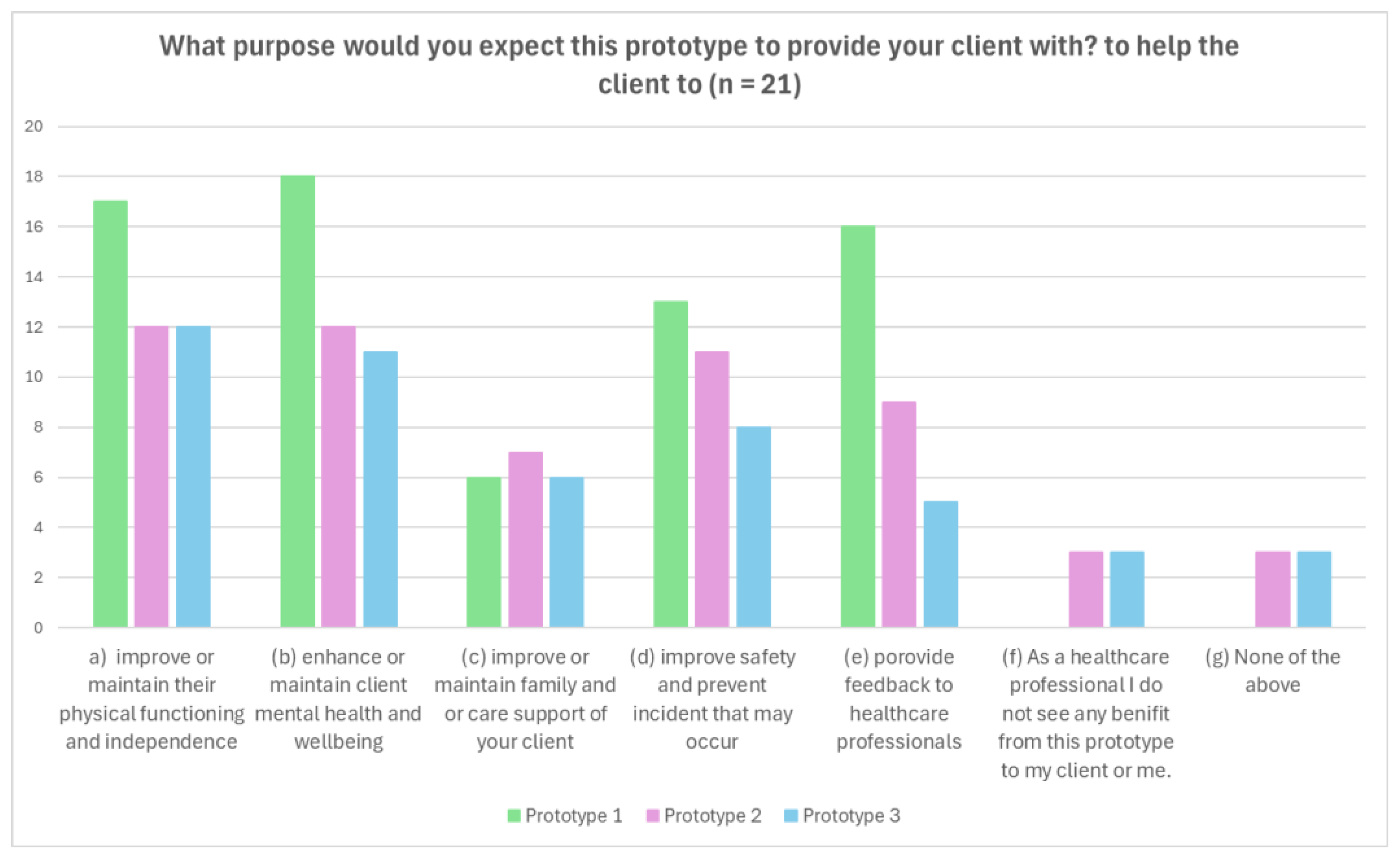
The online survey was made available in two languages: Finnish (accessible via the project webpage from April 2024 to September 2024) and English (available from July 2023 to May 2024). The English version of the survey was implemented via the survey platform, SurveyMonkey. The English survey was promoted via LinkedIn with links to the SurveyMonkey platform where participants could find the information to make an informed decision about participating or not to the survey. The survey links were also shared within the ReACTIVE Too project consortium and members were encouraged to share within their respective networks. At the University of Wolverhampton, the survey was promoted in WLV Insider, which is the University weekly round-up of news. The Finnish version of the survey platform and it’s information for healthcare professionals and end-users was shared via LinkedIn, Facebook and in person through SAMK’s wide networks of stakeholders in welfare technology related projects. The survey was also promoted on Satakunta Testbed networks’ website. In addition, end-users were engaged through personal contacts. Separate surveys were designed for end-users and healthcare professionals. While the questions in both surveys were similar, they were tailored to suit the specific target group. The survey included sections for background information (gender, age, country, working situation, and possible disability), demonstration videos of the prototypes, and related questions. After viewing each video, participants answered one multiple-choice question (See Figure 5 and Figure 6) and three open-ended questions allowing them to elaborate on 1. potential benefits (What are your thoughts on the usability and usefulness of the prototype presented to you?), 2. additional information needs (What type of information would you like this prototype to provide you, your carer or your healthcare provider with?), and 3. suggestions for improvements (If you could change anything about this prototype, what would that be? and why?). The survey was pre-tested by four participants (two end users and two care professionals) from Finland and from UK after which minor revisions were made according to the feedback. The survey received approval from the Faculty of Science and Engineering Ethics Committee of the University of Wolverhampton (LSEC/2022- 23/FM/004).
To ensure a thorough interpretation of the results, a multidisciplinary team of experts having backgrounds in healthcare, software and hardware engineering, furniture design, co-creation as well as materials science, conducted the analysis. Quantitative data was processed using Excel, while qualitative data underwent content analysis, focusing on themes that could further guide prototype development and better address user needs and potential user groups. All free-text comments were initially translated into English, then condensed and categorized for analysis. The researchers were seeking answers to the following research questions (RQ):
- RQ1: What benefits did the respondents identify in these prototypes for end users?
- RQ2: What benefits did the respondents identify in these prototypes for professional care?
- RQ3: What improvements did end-users and care professionals suggest for these prototypes?
2.2. Prototypes Presented on Videos of the Online Survey
The preliminary versions of the smart furniture prototypes under development were presented in the videos as part of the online survey. The prototypes include smart chair, smart mirror as well as smart table which are introduced on the videos by speech as well as by use demonstrations.
2.2.1. Smart Chair for Activation and Monitoring
Chairs can be found in every household which makes them interesting platforms for smart functionalities. In this example, force (pressure) sensors (Figure 1) were embedded into a chair seat. The sensors may be placed inside an upholstered seat or alternatively, a removable cushion might be used in case the seat must be portable (for example wheelchair users). The chair in the video uses a matrix of 9 force sensors and detects if a person sits on the chair or if the person sitting leans in different directions.
Arduino Nano 33 BLE connected to power bank was used for powering the sensors and sending (via Bluetooth) the sensor data to Android device to be used by different applications, such as applications for monitoring or controlling.
In the video, the data was used to control exergames in order to enhance the users’ physical ability to function. Two exergames, ski jumping and snowboarding, were developed on Android device to visualize the chairs functioning. In ski jumping, the player initiates a jump by getting up from the chair and in snowboarding, the character is moved by leaning left and right while sitting on the smart chair. Screenshots of the two mini games are presented in Figure 2.
2.2.2. Smart Mirror
As mirrors are present in almost all homes and institutions they can be used, besides their main functionality, as displays in a static or interactive manner. The created mirror, in its current form, is intended to display information about the current weather conditions, weather forecast and the calendar synchronised with the chosen scheduler of the user. The calendar allows the user to display information about important events and activities planned for the day. These can be activities related to professional life, but also supporting routine home activities such as emptying waste containers, performing physical activities or taking medication. The mirror with the calendar displayed is shown in Figure 3.
The hardware design of the mirror utilises semi-transparent glass with a bright computer monitor behind it. The monitor displays the information provided by the Raspberry PI microcomputer. The software implementation is based on the MagicMirror2 package run under the control of the Raspberry Pi OS. MagicMirror2 is a modular, highly configurable open-source software offering a variety of extensions, apart from calendars and weather information also displaying messages, news, jokes and other interesting information. It can be integrated with a local home automation system enabling the customisation of displayed information. Besides the informational functionalities, additional modules also can play music and videos and make the mirror interactive by voice or gesture recognition.
2.2.3. Smart Table
Tables have also been used as an interactive platform, for example to show pictures and identify touch or objects [11]. Instead of adding complex electronics into a table, Near Field Communication (NFC) technology offers another approach to create augmented content and functionality for a table or basically any piece of furniture or environment. In this example, a smart restaurant table prototype was developed by adding NFC stickers, operating at 13.56 MHz, to a tablecloth with a printed world map (Figure 4). Each tag represents specific language and country on the map. The NFC stickers can be read with NFC equipped mobile device. The idea is to use the mobile device for showing and reading aloud the content (restaurant menu) linked to the tags. Basically, after starting the app, the user puts the smartphone on the desired tag. The app displays the menu text in the language of the country that the phone is placed on the table and speaks the text aloud. Additionally high contrast and big font was used to help the user to see the menu.
The same technology can be modified for various other use cases. To enable modifiable tag content, a webpage was built to change the information linked to the tags. Tag ID code which is filled through the webpage page (Figure 4) is stored in the web server in JSON (JavaScript Object Notation) file with language information and the text content, which is displayed on the app and read aloud by the phone. This content can thus be easily modified and updated without any programming skills.
In [12], two basic NFC tags, operating at 13.56 MHz, were embedded in two corners of a wooden table. The table measures 1000 mm × 850 mm, and the surface is laminated. The table’s interior is constructed from 25 mm thick chipboard underlayment, reinforced with high-pressure laminate. The table’s sides feature 18 mm wide birch strips placed between the laminates and coated with Morrells antibacterial lacquer. The NFC tag locations are not marked on the tabletop, though they can be painted if needed.
The smart table functions as an integral component of a comprehensive system that also includes a cloud-based web user interface and the If This Then That (IFTTT) service [13]. A web user interface enables to define the functionalities associated with NFC tag readings, ensuring that the end-user’s mobile interface remains as simple as possible, requiring only the tapping of tags to trigger different functions. The presented first version of the system offers several functionalities, including sending text messages, sending emails, making phone calls, playing music, and accessing either a coffee-making tutorial or useful contact information [12].
3. Results
In total 21 healthcare professionals and 19 end-users from Finland, United Kingdom, Norway, Portugal, Poland and Estonia responded to the survey. For professionals, the age range varied between 18-24 (3), 25-34 (2), 35-44 (7), 45-54 (8) to 55-64 (1). For end-users, the corresponding age range was: 18-24 (1), 25-34 (1), 35-44 (1), 45-54 (5), 55-64 (0) and over 65 (11). Among professionals, 17 were women and 4 men, while among end-users, 7 were women, 11 men and 1 of the non-gender group. Of the professional respondents, one said they were disabled, while six of the end-users were describing themselves as disabled. The results are presented in 3.1 and 3.2.
3.1. Quantitative Results
In general, smart chair prototype with exergames got the most positive results from the quantitative questions from both groups. The professionals as well as the end users saw especially benefits related to physical and mental abilities and supporting independence as well as the feedback for the care professionals. Similar benefits were seen also for the smart mirror. The end-user’s answers about the potential benefits were more evenly spread to different categories in the case of smart table. The table got the most modest quantitative results from both groups. One potential reason for this was the video, which already got some criticism in the pre-testing. The video was improved after the pre-tests, but there could still be some cumbersomeness. Another reason might be the order of the prototypes. One of the end user respondents only replied to the smart chair related questions (presented 1st in the survey). The care professionals found most use for the table related to improving physical and mental ability, whereas the end-users found improving safety as the clearest benefit. End-users also found potential benefits in improving physical well-being and independence as well as family/care support and providing feedback for care professionals.
3.2. Qualitative Results
The qualitative results give further insight into the potential of the prototypes and the answers of the respondents. The results highlight how different prototypes address the needs of end-users and healthcare professionals, as well as potential areas for improvement.
3.2.1. End Users’ Needs and Perceived Benefits of the Prototypes
The responses from end-users reflected a broad spectrum of needs, ranging from physical and cognitive support to enhancing independence and daily functioning. The prototypes were generally seen as promising, although perceptions varied depending on the device and its intended use.
- Smart Chair: Supporting Mobility and Cognitive Engagement
End-users perceived the smart chair as a valuable tool for promoting physical activity and mobility (in total 10 comments). Many highlighted its potential to encourage movement, improve balance, and enhance posture. They found possibilities in measuring activities and abilities (in total 15 comments), these could be sitting time, movement data and sitting posture/symmetry.
Beyond physical benefits, respondents also emphasized the chair’s cognitive and emotional impact, particularly in fostering engagement and enjoyment (in total 6 comments). Several participants noted that the chair’s interactive elements could make physical activity more appealing, thereby reducing resistance to exercise.
The chair was also seen as a tool for enhancing independence, particularly for individuals with limited mobility. Some participants saw potential in integrating feedback mechanisms, such as alerts for poor posture or excessive inactivity, to further support autonomy.
- Smart Mirror: Memory Support and Daily Routine Assistance
The smart mirror was primarily valued for its role in supporting memory and daily routines (in total 8 comments). Participants frequently mentioned its usefulness in providing reminders for medication, appointments, and daily tasks, making it particularly relevant for older adults and individuals with mild cognitive impairments.
Additionally, some respondents noted the potential for the mirror to facilitate communication, whether through visual cues or interactive messaging. However, while some users found the mirror’s functionality intuitive and useful, others suggested that it might not be suitable for individuals with advanced cognitive decline, as it could lead to confusion.
- Smart Table: Accessibility and Information Delivery
The smart table was perceived as a versatile tool for improving accessibility, independence and providing essential information in an easy-to-use format (in total 6 comments). Respondents emphasized the potential benefits for individuals with speech or visual impairments, noting that the table could deliver verbal instructions or text-to-speech features.
Additionally, the table was seen as useful for assisting in daily tasks, particularly in meal preparation, guidance for how to use technology and medication management (in total 13 comments). Some respondents suggested that integrating barcode scanning could further enhance the table’s ability to provide relevant information (in total 5 comments), for example the person’s well-being and daily activities.
3.2.2. Care Professionals’ Perspectives on the Prototypes
Healthcare professionals generally recognized the potential clinical applications of the prototypes, particularly in rehabilitation, patient monitoring, and supporting daily activities. However, they also identified practical considerations and limitations that could influence implementation.
- Smart Chair: Clinical Applications and Functional Monitoring
Professionals largely echoed the end-users’ perspectives regarding the physical benefits of the smart chair (in total 11 comments). Many viewed it as a valuable rehabilitation tool for encouraging movement and mobility maintenance. Additionally, professionals highlighted the potential for real-time health monitoring (in total 22 comments), emphasizing the importance of tracking sitting posture, weight distribution, and movement patterns. They suggested that such data could be instrumental in pressure ulcer prevention and identifying mobility-related risks.
Professionals identified benefits concerning mental and cognitive aspects (in total 11 comments). For example, using the smart chair could improve attention and concentration. Seven (n=7) professionals highlighted the smart chair’s gaming attraction which they considered to be fun for end-users.
However, concerns were raised about data integration and usability. Some professionals emphasized the need for seamless data transfer to healthcare systems to ensure that information gathered by the chair could be effectively utilized.
- Smart Mirror: Supporting Independence and Professional Monitoring
Care professionals viewed the smart mirror as a potential tool for improving autonomy, particularly among individuals with mild memory impairments. The ability to provide structured reminders and guidance was seen as a valuable feature for maintaining daily routines (in total 11 comments).
However, some professionals raised concerns about its suitability for individuals with advanced dementia or psychiatric conditions. They noted that a highly interactive mirror might cause confusion or anxiety, making it less useful (in total 6). They particularly emphasized its role in reminders for medication and appointments.
While some professionals saw potential applications in assisted living environments, others expressed concerns about the usability of RFID-based interactions, particularly for older adults who may struggle with technology adoption.
3.2.3. Suggested Improvements for the Prototypes
Participants provided many suggestions to improve usability and functionality, ensuring all prototypes are user-friendly. Both end-users (in total 8 comments) and professionals (in total 13 comments) suggested improvements to the smart chair features and hardware. Different chair sizes, modifications to the features like headrests, adjustability, and sensors for armrest were highlighted. Professionals brought up practical aspects in use e.g., easier mobility with wheels and hygienic related features like antimicrobial and washable materials. The end-users’ improvement ideas related to the software were mostly about providing more versatile content and possibilities to control different kinds of content (in total 6 comments). More accurate movement tracking and real-time feedback were recommended to improve rehabilitation applications and respondents desired a wider range of exercise programs and interactive content.
Concerning the smart mirror end-users’ and professionals’ improvement ideas differed from one another. Almost all improvement ideas of end-users were dealing with communication and interaction (in total 7 comments.) like involving voice commands. Only two healthcare professionals mentioned improvement ideas for communication, as an ability to make video calls to family or caregivers. Healthcare professionals pointed out more diverse and tailored content (in total 3), like individualized information and user preferences. In addition, they mentioned visual and information design (in total 3 comments), these were color contrasts, vision options and clearer information.
The technology of the smart table was questioned by end-users and care professionals. End-users mentioned that there already are existing technologies like QR-codes and other technologies that could work as well (in total 4 comments). Already existing technologies could enhance the usability of the smart table like barcode and active sensors. Healthcare professionals brought up the challenges with using the phone (in total 3 comments). Instead of using the phone they suggested using the tablet or operating by touch and getting the response as speech.
End-users and professionals identified different user groups to whom these technologies could be suitable for. The smart chair was seen to best serve seniors even with specific conditions related to health (neurological diseases) (n=4) as it is easy to use. The benefits were seen for people with limitations in functional ability (n=2), inactivity (n=2) and back problems (n=2). Professionals suggested that the chair could be used in care homes and also loaned for individuals’ home use. They also highlighted the requirement for the user to be capable of using simple technical devices and even with clear information and simple guiding the user might need a care professional to assist the use.
Concerning smart mirror end-users’ response did not describe any specific user groups, except seniors were mentioned once. Several potential user groups were mentioned by professionals, like seniors, as well as people with mild memory impairment. However, the device wasn’t seen suitable for people with advanced memory impairment (in total 5). Neither did end-users specify any particular user groups for the smart table, whereas health care professionals had concerns with memory impaired users (in total 6 comments). Only one healthcare professional pointed out that it would be useful for persons with memory impairment.
4. Discussion
The survey with demonstration videos was found a suitable tool in user need mapping in one of the iterations of the user-centered development process as it offers a way to involve users from wide geographic area. However, it should not be the only tool used. Instead, users should be seen as experts of their own lives and involved throughout the entire development process.
The survey results imply that the presented prototypes could help the users as well as health care professionals in multiple ways, but further development is needed. The respondents found multiple potential user groups for the smart chair prototype, such as seniors and disabled but also health care professionals to whom the chair would be a new tool. Especially seniors were often considered as the end-user in the open-ended answers. Potential use cases for the chair could be found in healthcare environments but it could also be seen as a self-used product for home environments. Smart chair was the only prototype which was not mentioned unsuitable for memory impaired users. In the case of the mirror, end-users’ responses did not strongly suggest any specific user groups for the mirror whereas care professionals had several thoughts about the potential user groups. Senior users were brought up as well as people with mild memory impairment. People with advanced memory impairment it was seen unsuitable. The end users did not specify any particular user groups for the smart table prototype in their answers whereas the healthcare professionals had concerns with (advanced) memory impaired users. The participants pointed out that the use of the prototype requires the participant’s ability to use the phone.
Health monitoring, activation and motivation, entertainment as well as assisting in daily living were clearly seen as potential use cases for the prototypes. These are discussed further from the viewpoint of the research questions.
- RQ1: What benefits did the respondent identify in these prototypes for end users?
Many identified benefits of the smart chair were related to improvement of physical ability such as increasing and monitoring activity levels as well as movement, posture and balance. These benefits are in accordance with previous studies considering smart chair’s potential. The previous studies found posture monitoring and health monitoring potential ways to encourage healthier sitting habits, to prevent musculoskeletal disorders as well as to inform care providers in case of abnormalities in well-being [14,15]. However, the smart chair prototype introduced in this article also contained activation games. This may be one of the reasons why also mental and cognitive benefits were found such as attention training, brain activation and enjoyment. The data which was desired the chair to produce were about additional content such as exercising instructions and health guidance, as well as about measuring the activity and abilities. Data about weight and physiological measurements was also desired. To conclude, the prototype could serve multiple needs especially related to measuring and improving not only physical but also cognitive and mental well-being.
The benefits of the smart mirror, which were identified, were mostly to do with helping to remember activities in daily living such as giving reminders of activities and schedules. The mirror could also present some important data to users such as the weather. Some ideas were also to do with well-being related monitoring and communication. Information which end-user participants were hoping for the mirror to produce was mostly similar as in calendars but also information related to daily living and entertainment such as exercises, news, relaxation techniques and dietary recommendations.
Some previous studies also found smart mirrors as potential tools for displaying health metrics and reminders and thus helping users manage their wellness routines effectively and through interactive features the also to facilitate telehealth consultations, allowing users to connect with healthcare providers from home, enhancing accessibility [6]. However, this study also revealed much wider potential for the smart mirror.
The respondents identified benefits about the table, related especially to assisting in daily living such as providing info about ingredients of the meal or drink or proper dose of the medicine. The benefits of being able to access information with minimum physical and mental efforts were clearly illustrated in the participants’ answers such as giving information in the user-own-language or as speech. Data which was hoped the smart table to provide was versatile. Many comments were related to the users’ own needs for daily living and everyday life such as: recipes in kitchen, tv-programs of the day or any information in speech format. In earlier studies, identified benefits have been, e.g., enhanced Interaction when being integrated as part of smart home and adaptive functionality through which adjustments could be made for different users [6]. These features, however, were not highlighted in this study’s respondents’ answers.
- RQ2: What benefits did the respondents identify in these prototypes for professional care?
In addition to end-user benefits, benefits related to professional use of the prototypes were many. It is also worth noticing that end user benefits also have indirect benefits to care professionals through increased abilities and well-being as well as independence of their clients.
The smart chair benefits were related to professional use, especially additional motivation and information about rehabilitation and movements as well as pressure ulcer prevention. The information which was hoped for in professional use was mainly about health monitoring including (changes in) activity levels weight, balance and other physical abilities. The measurement data could be used to assess physical ability and the changes of it, but also to adjust training programs. Also, more content to motivate the user by informing about the importance of physical activity or by providing joy to training was hoped for.
The potential benefits of the smart mirror were mostly about helping end-users in daily living such as reminders and memory support, which has indirect benefit to professionals. Also, communication with relatives and monitoring the clients’ performance in daily living were identified as potential use cases. Data needs from social and health care service and care work point of view were for example acknowledgement from the client about performed tasks, such as morning routines or doing the groceries.
The benefits and the data which was hoped for from the smart table prototype were almost all related to the data provided for the end-user, but respondents also brought up some perspectives related to data about their daily lives, such as drinking and eating rhythm. Also, information for care providers about important non-care related issues of the clients, such as insights into the client’s preferences.
Smart furniture’s potential in professional care has been also identified in earlier studies as they have potential to enhance health monitoring, security, convenience, and adaptability, thereby improving user experience and meeting specific needs in healthcare environments [6].
- RQ3: What improvements did end-users and care professionals suggest for these prototypes?
Improvement ideas for the smart chair were about the chair design and features, measurement hardware as well as the software. Improvements related to the chair and the hardware included modular design (being able to change dimensions) and additional sensors to provide more detailed data, especially adding sensors to armrest. Also, material considerations arose (antimicrobial or water repellent material). Improvement ideas related to the software were mostly about providing more versatile content and possibilities to control different kinds of content such as more games and adding measurement results to the software. In clinical use data transfer to care professionals should be considered.
The most improvement ideas for the smart mirror were dealing with communication and interaction such as voice commands and introduce video conferencing or reporting if certain task is performed. Also, improvement ideas related to more diverse and tailored content such as giving individualized information or pointing out user preferences to care givers was mentioned. Some improvement ideas about visual and information design such as color contrasts or clearer information were also brought up.
Many improvement ideas for the smart table were related to technology. Especially bar code/QR code capability was mentioned as a beneficial feature. Also, more extensive customization options for users to tailor the interactive features and content to their preferences, dietary restrictions, or cultural backgrounds were hoped for. The use of a phone to activate the content was seen potentially complicated for some users. In general, the technological aspects of the table received the most commentary and criticism.
Previous studies have also highlighted that privacy concerns are significant when using smart home health technologies for caregiving, emphasizing the need to address ethical and social implications to foster trust and acceptance among users regarding health monitoring features in smart furniture [16]. This was not pointed out in the responses but is an important feature also considering the further development of the prototypes.
Limitations
In general, many potential benefits as well as improvement ideas were identified in this study. All prototypes were found useful in many ways. This is a positive result considering further development and research on smart furniture. However, the respondents were all voluntary and potentially open-minded for smart technologies. This may cause some bias, i.e., too positive results. A greater number of respondents is needed to draw conclusive conclusions. Even though the respondents were from different European countries, there were no country specific needs identified. Furthermore, the professional background and specific work tasks of the participants remain unknown. Most end-users were seniors whereas the professionals were working-aged. The gender distribution was different in end-users and in professionals. This was not clearly seen in the results, which were relatively consistent between the respondents.
5. Conclusions
Co-designing is essential in smart furniture development. This study explored the potential benefits and further development needs of three smart furniture prototypes—smart chair, smart mirror, and smart table—by engaging healthcare professionals and end-users from multiple European countries in an online survey. The findings confirm that these prototypes could enhance safety, comfort, and efficiency in healthcare environments, supporting both caregivers and clients. Key use cases identified include health monitoring, activation and motivation, entertainment, and assistance in daily living, with seniors frequently mentioned as primary end-users.
Despite the positive feedback, further development is required to refine functionalities, improve usability, and ensure seamless integration into healthcare settings. The study also highlights the value of online surveys with demonstration videos as a practical approach for gathering user insights during the iterative development of smart solutions. Future research should focus on expanding the participant base, conducting real-world trials, and exploring interdisciplinary collaborations to optimize the design and implementation of smart furniture in diverse care environments.
Author Contributions
Conceptualization, S.M., K.T., S-M.P. & J.V.; methodology, J.H.,T.J.,F.T. & H.M; software K.T & A.K; validation M.L. & J.V.; formal analysis, S.M., M.L., J.H. & T.J.; writing, all authors. All authors have read and agreed to the submitted version of the manuscript.
Funding
This research was carried out as part of Reliable Electronics for Tomorrow’s Active Systems (ReACTIVE Too) project. The project is funded by the Marie Skłodowska-Curie Research and Innovation Staff Exchange Programme of the European Union under Grant Agreement No 871163.
References
- Global strategy on human resources for health: Workforce 2030. Available online: https://iris.who.int/bitstream/handle/10665/250368/9789241511131-eng.pdf (accessed on 9 February 2025).
- Pittman, P.; Chen, C.; Erikson, C.; Salsberg, E.; Luo, Q.; Vichare, A.; Batra, S.; Burke, G. Health Workforce for Health Equity. Med. Care 2021, 59, S405–S408. [Google Scholar] [CrossRef] [PubMed]
- Belmonte, M.; Grubanov-Boskovic, S.; Natale, F.; Conte, A.; Belanger, A.; Sabourin, P. Demographic Microsimulation of Long-Term Care Needs in the European Union; Publications Office of the European Union. Available online: https://publications.jrc.ec.europa.eu/repository/handle/JRC135303 (accessed on 8 January 2025).
- Fewella, L.N. Smartification Furniture Manufacturing: A Furniture Prototype with Thermal-Based Sensors (Visions and Challenges). Results Eng. 2024, 24. [Google Scholar]
- Merilampi, S.; et al. Modular Smart Furniture System for Independent Living of Older Adults: User Experience Study. Gerontechnology 2020, 19. [Google Scholar]
- Maulana, F.I.; Kurniawan, B.K.; Pramono, A.; Purnomo, A.; Abdulah, M.E.B.Z.; Mohamed, M.O. Internet of Things for Smart Furniture: A Systematic Review. In Proceedings of the IEEE International Conference on Information and System Science (ICISS), 2024, pp. 1–6. [CrossRef]
- Hu, R.; Linner, T.; Trummer, J.; Güttler, J.; Kabouteh, A.; Langosch, K.; Bock, T. Developing a Smart Home Solution Based on Personalized Intelligent Interior Units to Promote Activity and Customized Healthcare for Aging Society. J. Popul. Ageing 2020, 13, 257–280. [Google Scholar] [CrossRef]
- Stodczyk, R.; Uhp, F.H. Ambient Assisted Living: An Overview of Current Applications, End-Users, and Acceptance. Biomed. J. Sci. Tech. Res. 2020, 30, 23374–23384. [Google Scholar]
- Pinard, S.; Bottari, C.; Laliberté, C.; Pigot, H.; Olivares, M.; Couture, M.; Giroux, S.; Bier, N. Design and Usability Evaluation of COOK, an Assistive Technology for Meal Preparation for Persons with Severe TBI. Disabil. Rehabil. 2019, 16, 687–701. [Google Scholar]
- Pande, M.; Bharathi, S.V. Theoretical Foundations of Design Thinking—A Constructivism Learning Approach to Design Thinking. Think. Skills Creat. 2020, 36. [Google Scholar] [CrossRef]
- Schwarz, C.G.; Lobo, N.V. The Camera-Driven Interactive Table. In Proceedings of the Workshop on Applications of Computer Vision, 2007, p. 50. [CrossRef]
- Sakif, M.; Ihalainen, T.; Merilampi, S.; Petäjistö, S.-M.; Raumonen, P.; Vuohijoki, T.; Virkki, J. Enabling Living Spaces through Customizable NFC-Enabled Smart Table System. In Proceedings of the European Conference on Antennas and Propagation, 2024.
- IFTTT - Automate Business & Home. Available online: https://ifttt.com/ (accessed on 10 February 2025).
- Kumari, A.; Daksh, H.R.; Abhishek, A.; Utsav, A. Smart Chair for Bio-Medical Applications Using Internet of Things (IoT). In Proceedings of the International Conference on Advanced Computing and Communication Systems (ICACCS), 2023, 1, 629–632. [Google Scholar] [CrossRef]
- Odesola, D.F.; Kulon, J.; Verghese, S.; Partlow, A.; Gibson, C. Smart Sensing Chairs for Sitting Posture Detection, Classification, and Monitoring: A Comprehensive Review. Sensors 2024, 24, 92940. [Google Scholar] [CrossRef] [PubMed]
- Tian, Y.J.; Duong, V.; Buhr, E.; Felber, N.A.; Schwab, D.R.; Wangmo, T. Monitored and Cared for at Home? Privacy Concerns When Using Smart Home Health Technologies to Care for Older Persons. AJOB Empir. Bioethics 2024, 1–16. [Google Scholar] [CrossRef]
Figure 1.
Force Sensor Resistor (FSR, Interlink Electronics FSR Model 406) and the force distribution on the chair visualized on the screen when user leans.
Figure 1.
Force Sensor Resistor (FSR, Interlink Electronics FSR Model 406) and the force distribution on the chair visualized on the screen when user leans.
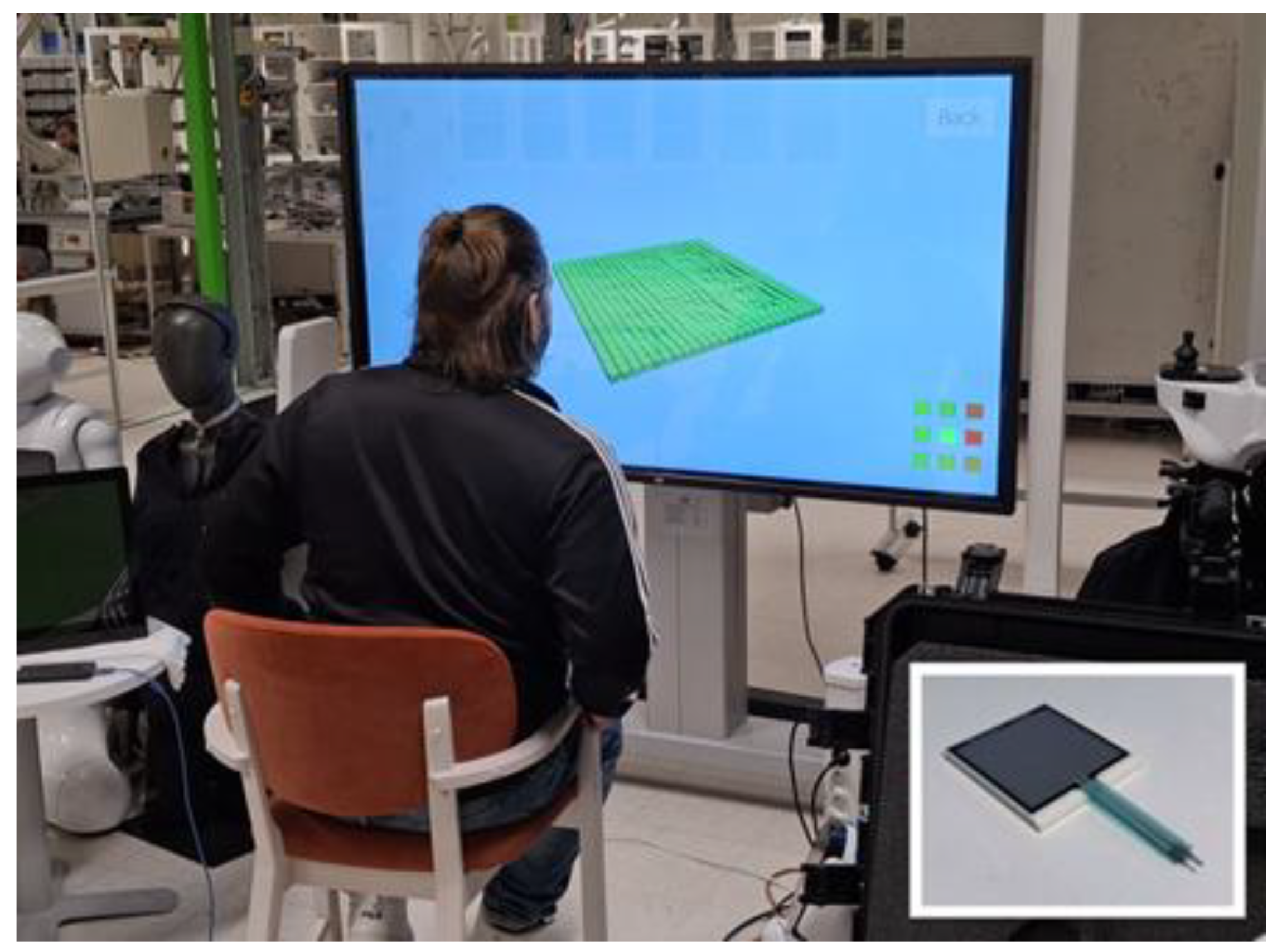
Figure 2.
Screenshots of the exergames where the character is controlled either by standing up (a) or by leaning (b) in a smart chair.
Figure 2.
Screenshots of the exergames where the character is controlled either by standing up (a) or by leaning (b) in a smart chair.
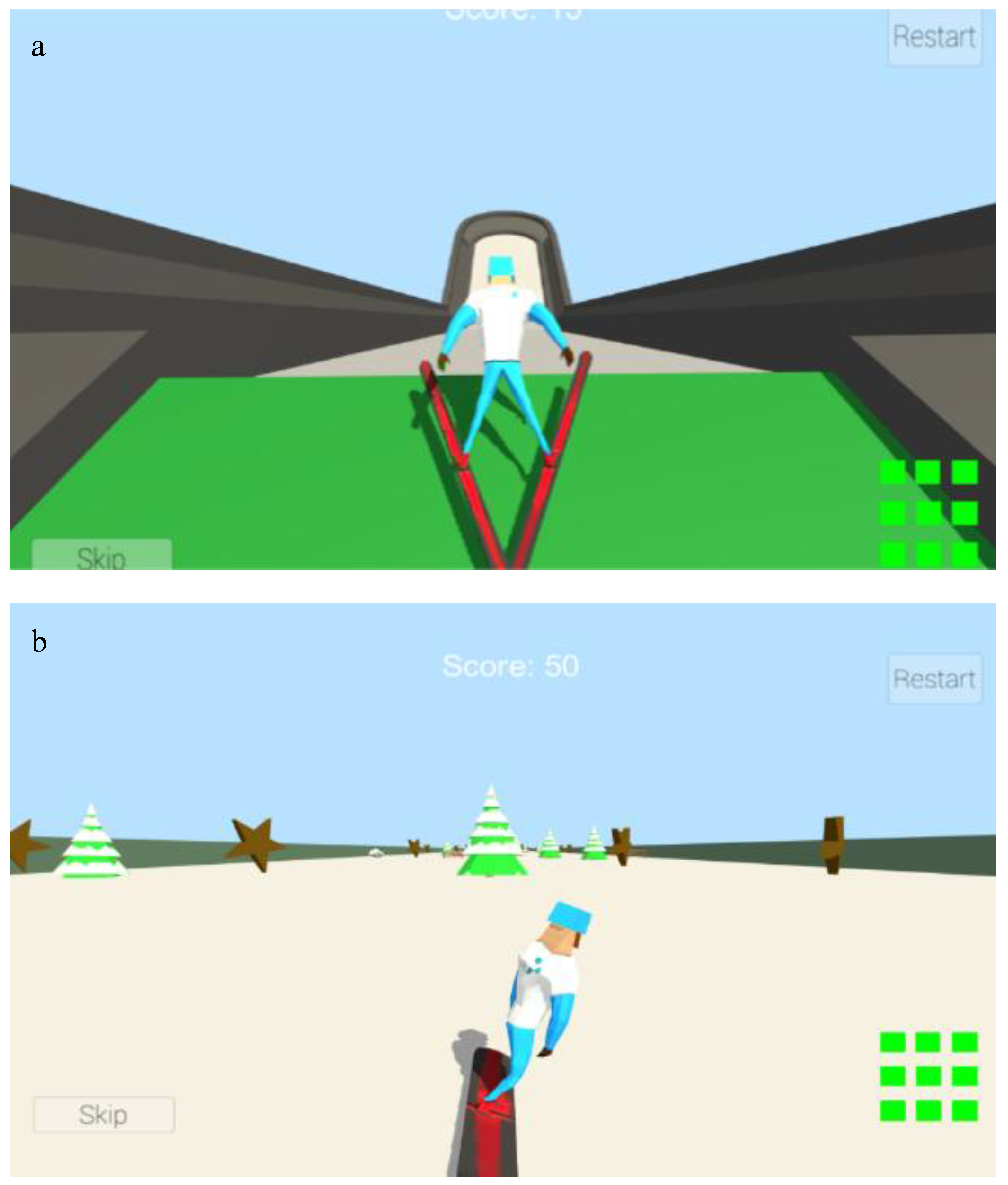
Figure 3.
Smart mirror with the calendar displayed.
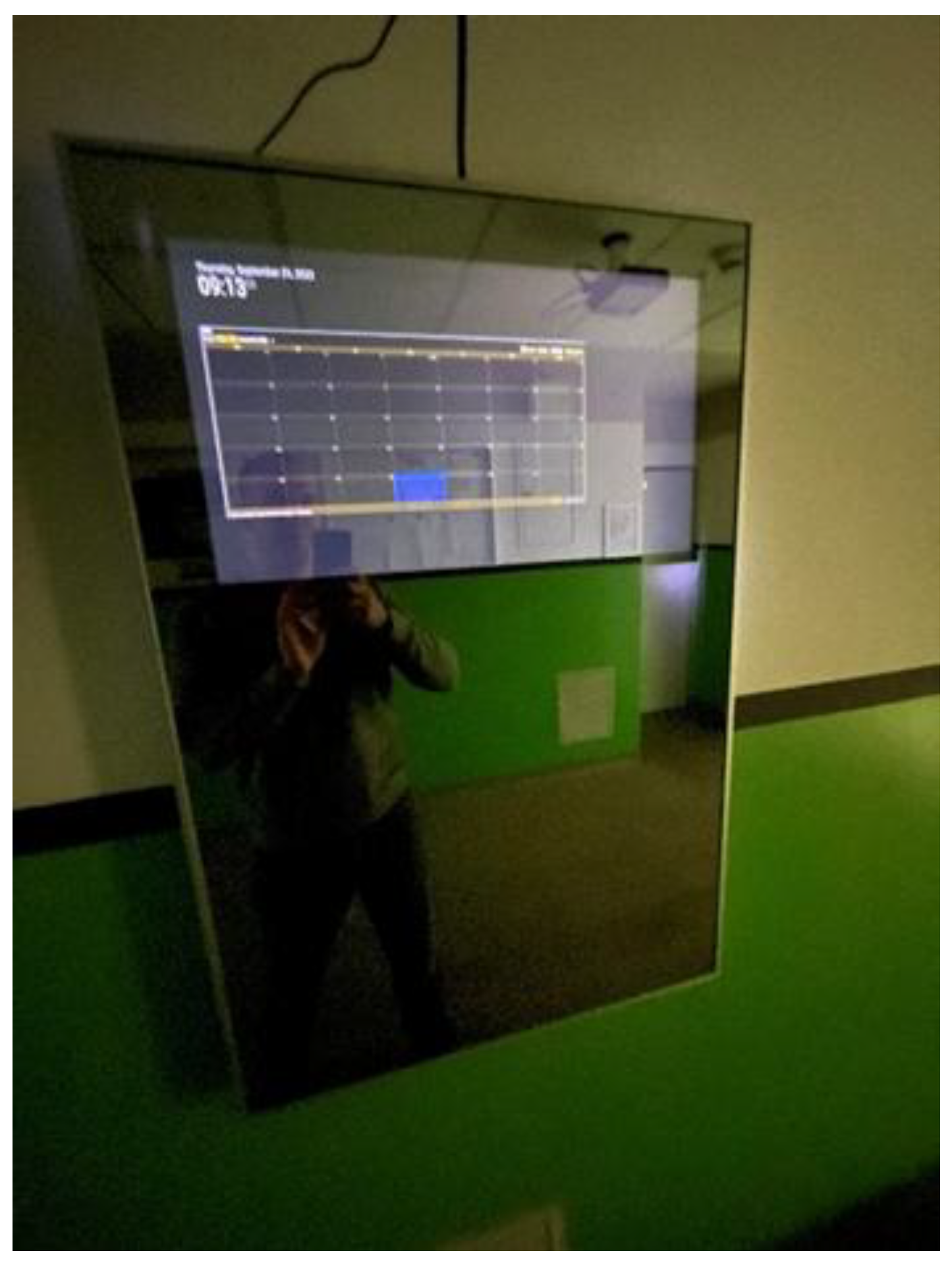
Figure 4.
A smartphone placed on the English language tag displaying the restaurant menu in English (left) and screenshot from the website where the content of the tags can be easily modified (right).
Figure 4.
A smartphone placed on the English language tag displaying the restaurant menu in English (left) and screenshot from the website where the content of the tags can be easily modified (right).
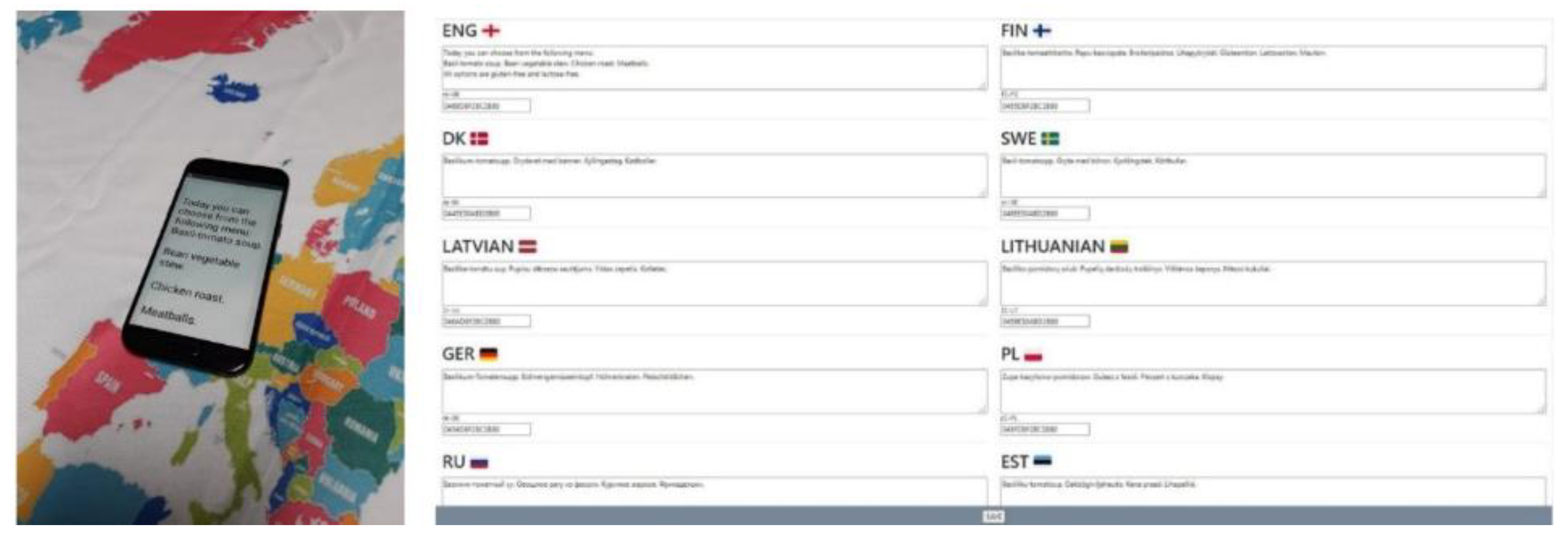
Figure 5.
Answers of end-users.
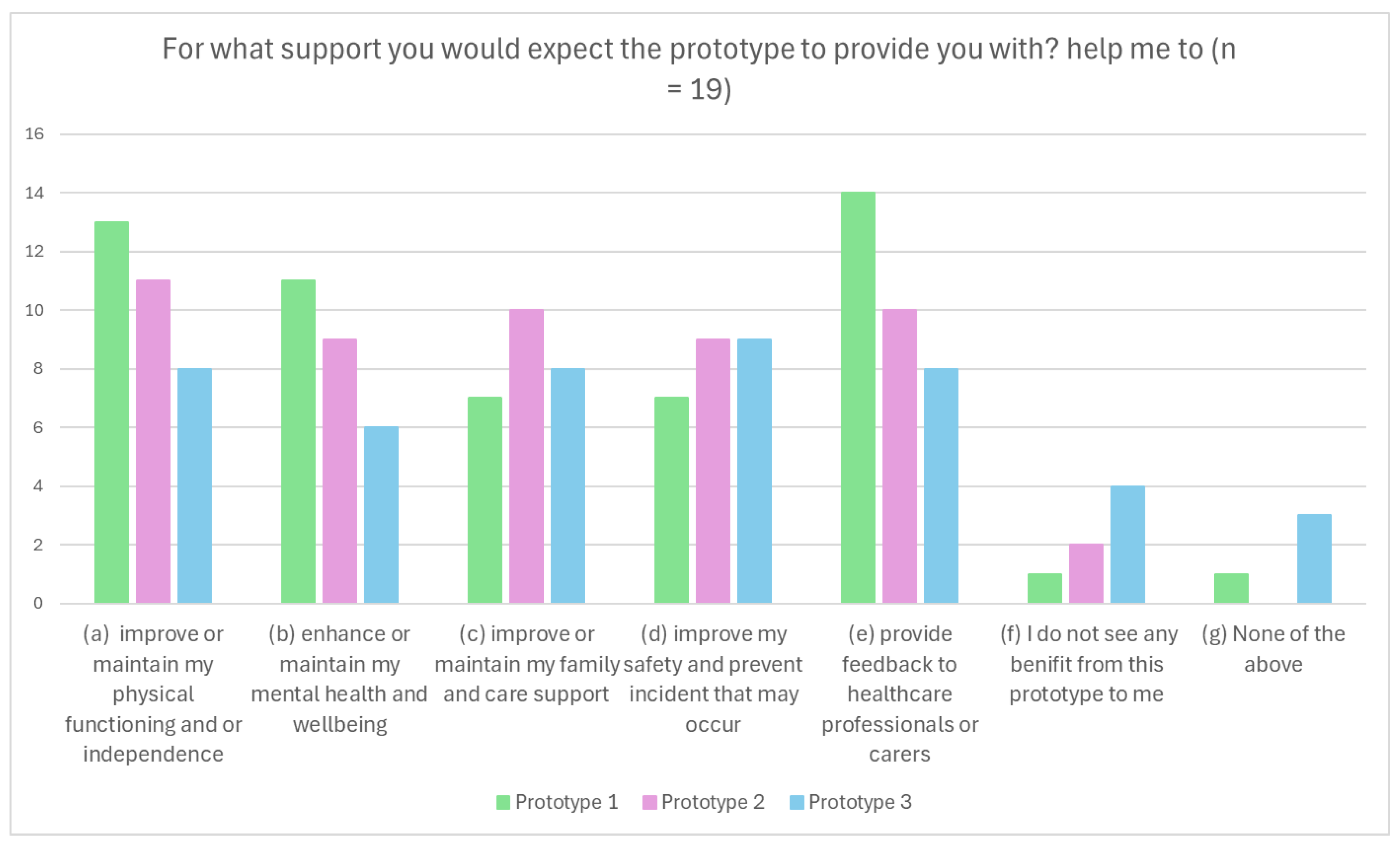
Figure 6.
Answers of professionals.
Disclaimer/Publisher’s Note: The statements, opinions and data contained in all publications are solely those of the individual author(s) and contributor(s) and not of MDPI and/or the editor(s). MDPI and/or the editor(s) disclaim responsibility for any injury to people or property resulting from any ideas, methods, instructions or products referred to in the content. |
© 2025 by the authors. Licensee MDPI, Basel, Switzerland. This article is an open access article distributed under the terms and conditions of the Creative Commons Attribution (CC BY) license (http://creativecommons.org/licenses/by/4.0/).
Copyright: This open access article is published under a Creative Commons CC BY 4.0 license, which permit the free download, distribution, and reuse, provided that the author and preprint are cited in any reuse.


