

Submitted:
22 April 2025
Posted:
22 April 2025
You are already at the latest version
Abstract
Oman is located on the southeastern coast of the Arabian Peninsula in West Asia, and the Middle East has a valleys and desert region of 82% of its land area. This desert area has significant potential for solar energy harvesting because of its dry nature and flat landscapes. One of the biggest obstacles to optimising solar energy harvesting efficiency in desert PV plants is cleaning photovoltaic (PV) panels. The panels' surface becomes covered in dirt, dust, and other environmental contaminants, significantly lowering their power production. The increasing reliance on photovoltaic (PV) systems for sustainable energy production necessitates efficient maintenance solutions to address performance losses caused by dirt and debris accumulation. Even though several cleaning techniques have been created, research is still ongoing to determine the best one. Artificial intelligence (AI) is revolutionizing industrial processes today, and cleaning solar panels is one promising area for its implementation. This report explores the review of the design and implementation of an artificial intelligence (AI) powered, un-crewed aerial vehicle (UAV) system to revolutionise the cleaning and maintenance of PV panels. Typically, this system integrates advanced image processing algorithms to detect contaminants and deploys precision-controlled UAV mechanisms to perform targeted cleaning operations, minimising resource usage and maximising efficiency. The study outlines a search for a comprehensive methodology encompassing equipment selection, AI algorithm development, UAV navigation optimisation, and sustainability considerations. A proposal is given in the end to get outcomes from the study, including a significant reduction in water and chemical usage, enhanced cleaning accuracy, and the restoration of up to 30% of lost energy output in contaminated panels. Comparative analysis with traditional cleaning methods is also highlighted to reduce costs, labour dependency, and environmental impact.
Keywords:
PV panels
; desert PV plants
; Unmanned Aerial Vehicle (UAV)
; artificial intelligence
; image processing
; convolutional neural network
1. Introduction
1.1. Overview
Solar energy is vital for reducing global greenhouse gas emissions and attaining energy independence. Photovoltaic (PV) systems have become a central source of sustainable energy production in response to the pressing need to address climate change and improve renewable energy conversion. Photovoltaic panels, which convert sunlight into electricity, represent a promising solution to the increasing global energy demands and the environmental consequences of fossil fuel usage without producing harmful emissions [1]. Oman benefits from an abundant solar resource, with annual sunshine hours ranging from 2,900 to 3,600 hours, and solar radiation levels of 8.2 to 9.6 kilowatt-hours per square meter per day [2]. Currently, Oman is aiming for renewable sources of energy production for its electricity demand due to the depletion of fossil fuels. Oman’s government aims to achieve a 30% renewable energy requirement by 2030 [3]. Oman's government has already initiated many MW PV plant projects as part of renewable energy production. Figure 1 shows a solar power plant installed in Oman's desert region. Figure 2 shows the statistics related to energy production from various sources in Oman (These statistics were collected from the Ministry of Energy and Minerals website (mem.gov.om, Oman). However, there are many challenges in Oman’s solar energy production, such as cost, grid integration, logistics, skill development, etc, in the pre-installation of the plants in desert areas. In the post-installation stage, annual maintenance of solar power plants with more efficiency is challenging, particularly in large-scale desert plants due to the dust environment and windy location in nature.
Despite their potential and optimistic forecasts, numerous external factors significantly reduce the efficiency of photovoltaic (PV) systems, including accumulating dirt, dust, bird droppings, and other contaminants on panel surfaces. However, solar energy systems often exhibit suboptimal performance due to inefficient maintenance practices, further exacerbated by conventional cleaning techniques, which are expensive and detrimental to the environment. Manual cleaning methods that involve excessive water and chemical usage elevate operational costs and negatively impact the environment [4]. Logistical challenges hinder the operational efficiency of remote desert solar farms, resulting in prolonged periods of suboptimal energy production.
Many annual PV maintenance companies are still using manual cleaning methodology, which is less effective and has the disadvantages of being time-consuming, high-cost and high-risk involvement [5]. In the desert region, there is a difficulty in transporting water and there are many challenges to overcome in the cleaning process. Recent studies indicate that these contaminants can reduce the energy yield of solar panels by over 30 per cent [6] (https://www.thegreenage.co.uk, 2018), leading to substantial energy loss and increased operating costs for solar farm owners [7]. Traditional cleaning methods such as manual scrubbing, water jets, and automated robotic cleaning systems, are employed to tackle these numerous challenges. Several limitations include excessive water consumption, reliance on chemicals, labour intensity, and lack of precision in cleaning, particularly for large-scale or remote solar installations [8]. At the end of this review Paper, we present a novel approach that integrates artificial intelligence (AI) and uncrewed aerial vehicles (UAVs) to identify and eliminate contaminants from photovoltaic efficient (PV) panels. This study aims to develop a system that will enhance the efficiency of solar panel cleaning through UAVs' mobility while achieving resource and operational cost savings in desert PV plants situated in Oman.
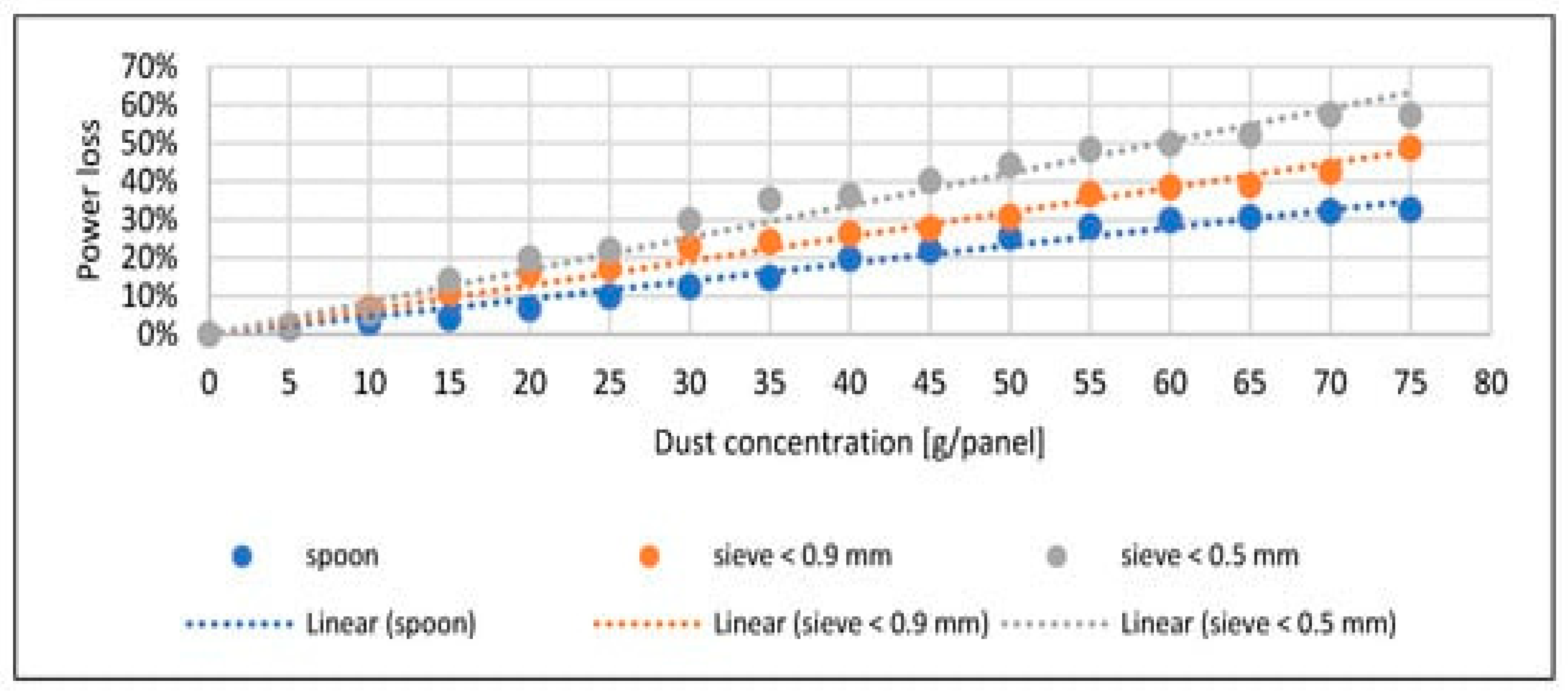
As per Matusz-Kalasz & Bodnar, 2021, [9] the power loss in the PV system is given in Figure 3 based on dust concentration. Table 1 shows that up to 38% power loss may occur due to a 10g/m2 dust density. So, there is an urgent need for an efficient system to serve PV panel cleaning in maintenance management. This work reviews various methodologies in the present practice and predicts an effective methodology using the modern technologies of AI and unmanned air vehicles. The organisation of this review paper is given as a block diagram in Figure 3. Manual cleaning (shown in Figure 4) is riskier for humans and damage panels. To avoid manual involvement and automate the cleaning process of PV panels, uncrewed aerial vehicles(UAV) have recently become more popular [10].
Many studies related to the dust deposition and cleaning of PV modules were conducted by researchers who observed that dust accumulation is based on the angle at which PV panels were installed [4,11]. However, the extent of efficiency reductions can differ based on geographic location, climate, and types of contamination. Regions susceptible to frequent dust storms, similar to desert areas, experience elevated contamination levels and necessitate more regular maintenance [7].It highlights the necessity of developing effective maintenance strategies in response to contamination-related performance losses contingent upon local conditions.
So, sunlight penetration is difficult due to this dust, and cleaning periodically is very important in the annual maintenance schedule. The cleaning process also will produce some sticky dust on the panel. Many researchers recommend different methodologies, which have many disadvantages. Few literatures support dry cleaning methodologies, which also have issues in power production [12]. However, spraying water, chemicals or liquid agents on the PV cells increases efficiency compared to any other system [13]. Many modern technologies use wireless sensors, robots, microcontroller-based automatic cleaning devices, electrostatic dust removal, mechanical dust removal systems (blowing, brushing and vibrating), etc to maintain PV systems. There are advantages and disadvantages to each system. It is necessary to address the disadvantages of the cleaning system by developing a new one to overcome the disadvantages and increase the PV panels' efficiency, effectiveness, and life span. The output loss based on the dust density on the panel is given in Table 1 [14]. Section 1.2 gives an idea about calculating PV panel efficiency, helping to understand the parameters involved in assessing solar power input and output.

Table 1.
dust density Vs Power loss [14].
Table 1.
dust density Vs Power loss [14].
| Dust density in g/m2 | Output power loss in % |
|---|---|
| 2 | 8 |
| 4 | 13 |
| 6 | 20 |
| 8 | 28 |
| 10 | 38 |
Figure 3.
Organization of the proposed work.
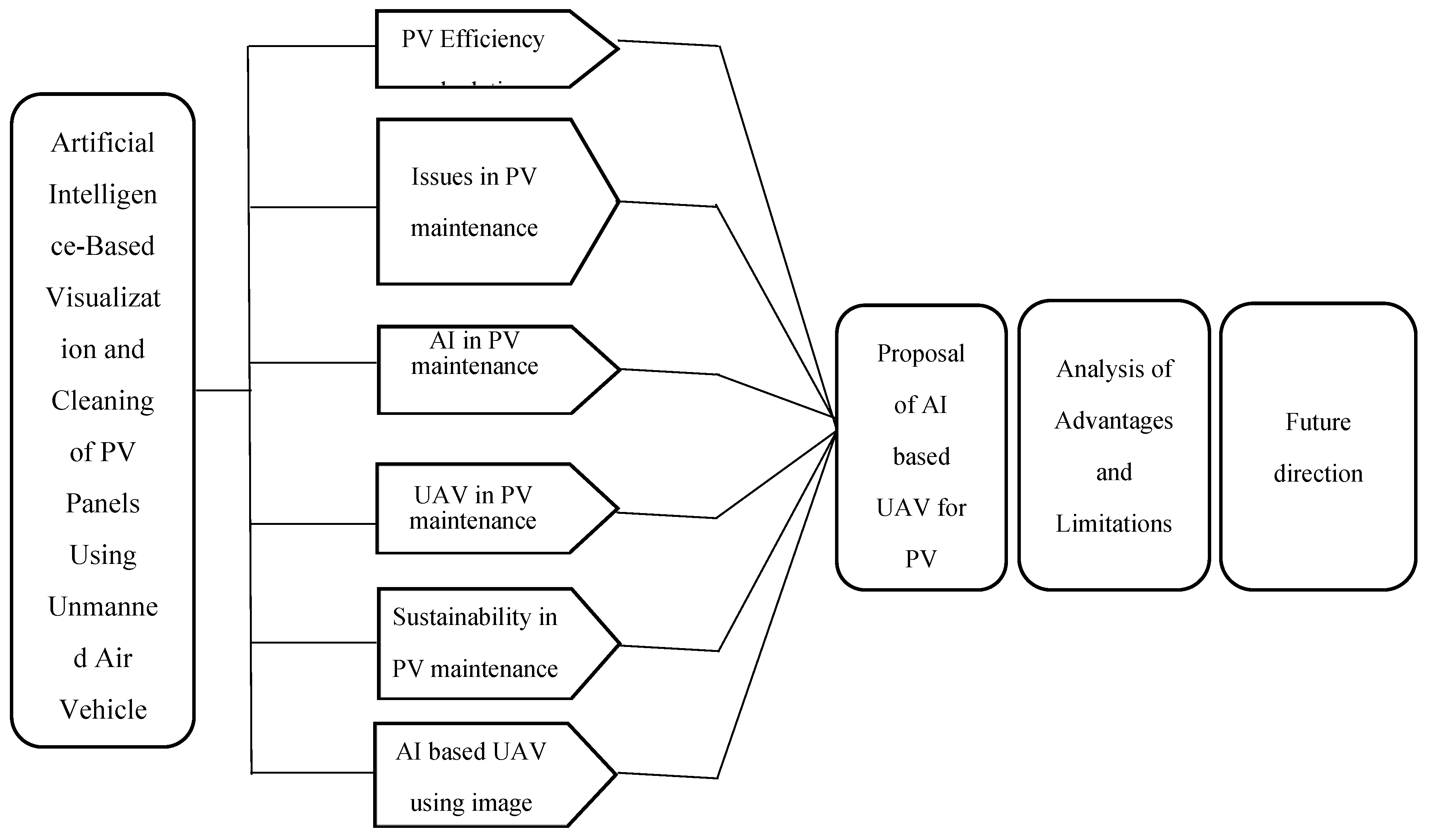
Figure 4.
Manual cleaning of solar panels.
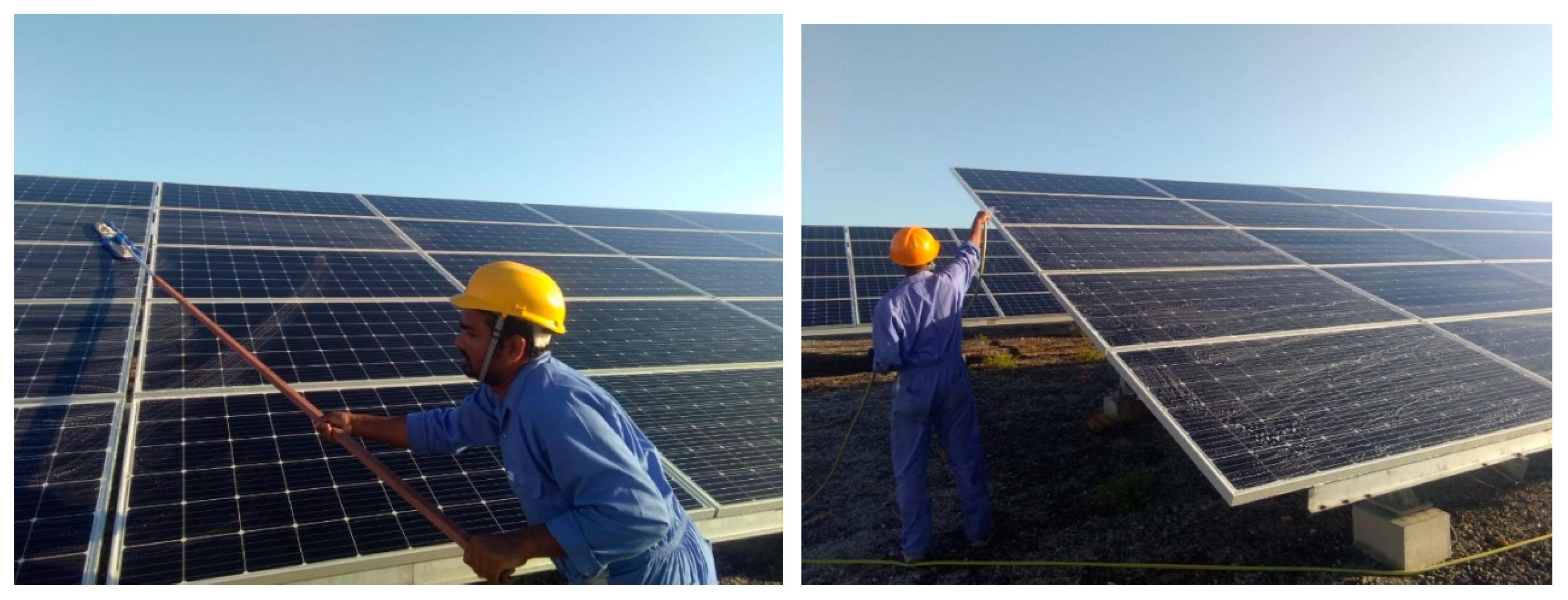
Figure 5.
Power loss values [9].
Figure 5.
Power loss values [9].
1.2. PV Panel Efficiency Calculation
PV panel efficiency depends on various parameters, such as panel area, solar irradiance, and the voltage and current produced by the panel. Solar power input and output must be calculated before calculating PV efficiency.
Solar power input
Pinput in watts = I x A
Where I= Solar irradiance in W/m2
An area of the PV panel in m2
PV panel Electrical output is calculated as
Poutput = V x I
V= Voltage produced from PV panel in voltage
I=Current produced from PV panel in Amps
% of PV panel efficiency
There are many technical reasons for the reduction of efficiency.
- PV will give less efficiency due to higher temperature
- Solar irradiance varies due to geographical location
- Angle of PV panel installation
- Shading due to trees and nearby building walls
- Panel quality and wire quality
- Solar panel mismatch in the series connection
- Dirt and dust on the PV panel
Dirt, dust, and other debris will affect light absorption, cause localized shading, and increase operating temperature. An effective unmanned methodology is needed to minimise this problem's loss of efficiency.
2. Issues in Photovoltaic Maintenance
The increasing demand for renewable energy drives the swift implementation of mono or poly-photovoltaic (PV) systems, which efficiently harness solar energy in many countries, including the Sultanate of Oman. Therefore, effective maintenance practices are essential to achieve consistent optimal PV system performance. A few Commercial products are also available for this purpose, but the implementation and combination of AI with UAVs can further optimise the process. This section examines the essential technical, environmental, and economic factors of photovoltaic (PV) maintenance, focusing on emerging innovations like artificial intelligence (AI) and un-crewed aerial vehicles (UAV). Figure 6 and Figure 7 show UAV technology and robotic technology in PV panel cleaning systems. A review of existing literature highlights the increasing significance of these studies in enhancing the sustainability and performance of photovoltaic systems.
Traditional methods for cleaning photovoltaic panels, including mechanical scrubbing and water jets, present various challenges that require resolution. The methods typically involve significant water and chemical consumption, increasing operational costs and raising environmental concerns. Large-scale solar farms require high precision, and the cleaning practices are typically labour-intensive [17]. It was found that these cleaning techniques are inefficient regarding water usage and are primarily applicable to remote or large solar installations.
The global water crisis has intensified these problems, particularly in water scarcity regions like deserts and mountains. In arid areas, solar energy systems typically achieve optimal performance; however, their significant water consumption for cleaning can pose disadvantages. Furthermore, the manual cleaning methods for smaller-scale photovoltaic installations pose safety risks for workers, particularly during elevated tasks on large solar farms. Automated robotic systems reduce human involvement; however, they frequently lack scalability and do not adapt effectively to varying levels of dirt accumulation, as demonstrated previously [18]. The current solutions for cleaning photovoltaic systems are inefficient and unsustainable. Thus, there is a need for a more effective and sustainable cleaning approach to address these limitations, reduce costs, and enhance the overall efficiency of PV systems. Cleaning methodologies and their main disadvantages are listed in Table 2
2.1. Role of Artificial Intelligence in Photovoltaic System Maintenance
Artificial intelligence (AI) serves as a facilitating technology for artificial conditions that enhance the maintenance and performance of photovoltaic (PV) systems. The application of artificial intelligence in photovoltaic maintenance prominently includes image processing to detect contaminants [19]. AI-powered image recognition systems can utilise high-resolution aerial images to detect patterns in dirt accumulation and differentiate between various types of pollutants, including dust, bird droppings, and organic debris [8]. Identifying the specific contaminant responsible for the issue and cleaning only the affected areas of the panels allow for precise contaminant identification, resulting in the cleaning of only the necessary sections, thereby utilising fewer resources and enhancing efficiency.
Additionally, AI algorithms exhibit significant adaptability to environmental changes, especially variations in sunlight and weather conditions. AI systems can compensate for these changes, ensuring consistent yearly performance despite external factors [20]. In addition to real-time contaminant detection, AI enables photovoltaic systems to anticipate future issues before they escalate significantly. Predictive AI-based systems enhance maintenance by forecasting needs and identifying early failure signs, thereby reducing downtime, minimising maintenance costs, and improving the overall performance of photovoltaic (PV) systems [11]. However, the application of AI in PV maintenance encounters specific challenges. This documented limitation is leveraged to utilise extensive datasets and computational resources to develop robust image-processing algorithms. The accuracy of AI algorithms may be affected by the material of the AI panel surface, the tilt of the solar array, and variations in shadow presence [1]. Consequently, efforts have been made to enhance image quality and detection accuracy by developing advanced preprocessing techniques, including histogram equalisation and noise reduction.
2.2. Role of UAVs in PV System Maintenance
Uncrewed aerial vehicles (UAVs), commonly called drones, offer significant mobility and flexibility for maintaining photovoltaic (PV) systems [21]. They are particularly advantageous in regions where physical access to panels is challenging and labour-intensive in large-scale solar farms [22]. UAVs with high-resolution cameras can capture images of PV panels at a resolution adequate for identifying dirt and other contaminants. Additionally, UAVs may be outfitted with cleaning components, such as brushes or electrostatic devices, which can be effectively cleaned without water [23]. Conventional cleaning methods are often inapplicable in arid regions characterised by water scarcity.
UAVs increasingly integrate with AI systems through their incorporation. UAV systems operate autonomously, capable of navigating intricate environments, identifying and circumventing obstacles, and optimising flight paths to enhance cleaning efficiency [24]. Uncrewed Aerial Vehicles (UAVs) provide a scalable and economically viable method for maintaining the cleanliness of photovoltaic panels in remote locations where manual cleaning is required. UAV-based cleaning systems face challenges, particularly regarding technical stability. UAVs must operate effectively in windy conditions and maintain stability during maintenance tasks. Furthermore, the application of UAVs in photovoltaic maintenance faces regulatory challenges, including flight restrictions, airspace permissions, and altitude limitations, which may impede widespread adoption [17].
2.3. Sustainability Considerations in PV Maintenance
The sustainability of photovoltaic (PV) systems encompasses their capacity for clean energy production and maintenance capabilities. Effective maintenance strategies are essential for preventing resource consumption and waste. AI-driven UAV systems effectively address these concerns by enhancing precision in cleaning, enabling the targeted application of water and cleaning agents as necessary [4]. The lifecycle impact of UAV systems, particularly regarding components like batteries and sensors, warrants careful consideration. The use of eco-friendly materials and recycling technology can mitigate environmental impact [11]. As UAV technology becomes increasingly prevalent, it is essential to evaluate the environmental footprint of the entire system. Implementing waterless cleaning methods via UAVs presents significant benefits, including reducing the carbon footprint associated with photovoltaic systems by minimising reliance on energy-intensive manual cleaning techniques. Manufacturing and disposing of UAVs raises environmental concerns, particularly regarding electronic waste. Sustainable materials and recycling technologies for UAVs are crucial for maintaining environmental responsibility in these systems.
2.4. Review of the AI-Based UAV for PV Module Cleaning Using Image Capturing
The recent adoption of Artificial Intelligence (AI) and Unmanned Aerial Vehicles (UAV) for the maintenance of photovoltaic (PV) systems has led to an increasing amount of literature focused on enhancing system efficiency and sustainability. This evolution relies on AI-driven image processing methods to autonomously detect contaminants on photovoltaic panels. Kumar B.P 2024 [25] contributed to this field by employing a convolutional neural network (CNN) algorithm for detecting dirt, shading, and other contaminants on photovoltaic (PV) panels. Deep learning can automate and improve cleaning processes, achieving accuracy rates exceeding 90%. This study emphasises the dependence of dirt detection on the quality and quantity of training data, underscoring the necessity of robust datasets for training AI models.
Research is also being conducted on machine learning algorithms in the significant field of predictive maintenance. Nabti et al., 2022 [26] analyses historically acquired performance data, weather conditions, and sensor readings for a PV system to investigate the applicability of machine learning models in predicting potential failures in PV systems. Their predictive maintenance approach enabled proactive intervention, reducing the risk of system failures and downtime. Unplanned downtime in large-scale solar farms can result in significant financial losses, making predictive maintenance models crucial [11]. AI-based systems predict maintenance requirements and identify failures early, enhancing the longevity and reliability of PV systems and saving time and resources.
Thermal imaging for detecting microcracks and hotspots in photovoltaic panels has been enhanced through artificial intelligence. Pruthviraj et al., 2023 [7] Investigated the use of AI-powered thermal cameras for detecting primary inefficiencies in photovoltaic systems, as Microcracks and hotspots can significantly impair the performance of photovoltaic (PV) panels. Systems utilising artificial intelligence to diagnose panels through thermal imaging under various environmental conditions have been developed. AI thermal imaging facilitates the early detection of defects, thereby guiding timely repairs that enhance the panels' lifespan and improve overall system efficiency [4].
Integrating AI technologies with UAVs offers a more effective solution for addressing PV maintenance requirements. UAVs' high mobility makes them practical for inspecting and cleaning large-scale solar farms. Dellosa & Palconit, 2021 [8] Developed a UAV fleet management system that facilitated surveillance and cleaning operations. The application of AI for contamination detection enhanced the scheduling of UAV maintenance, leading to decreased labour costs and resource utilisation. Images of photovoltaic panels obtained via UAVs equipped with cameras will undergo processing by AI algorithms, enabling the identification of areas that require cleaning. Integrating UAVs and AI facilitates targeted and resource-efficient maintenance, which is particularly beneficial for large, remote installations.
In addition to visual cleaning, UAVs have been utilised for waterless cleaning technologies. Bendaoudi et al., 2024 [27] demonstrated the application of electrostatic cleaning systems integrated with UAVs. They do not require water, making them ideal for arid regions with limited water resources. These UAVs utilise electrostatic forces to attract dust particles, facilitating contaminant removal without environmental impact. This innovation signifies a significant leap in sustainable photovoltaic maintenance practices by minimising water consumption and eliminating the use of potentially harmful cleaning agents.
The technical challenges related to UAV-based cleaning systems are well documented. The primary issue is the stability of UAVs, particularly under windy conditions that may affect cleaning operations. Olayiwola & Camara, 2024 [28] Proposed a system that integrates gyroscopic stabilisation and collision avoidance sensors for UAVs to tackle this challenge. This system ensures stable and efficient flight in complex environments like large solar farms. Their research emphasises the significance of optimising flight paths to enhance cleaning efficiency and design the coverage of bands within the panels.
The integration of UAVs with AI has created new possibilities in thermal inspection. Olorunfemi et al., 2022 [29] Developed a system utilising UAVs, AI-based image analysis, and thermal imaging to monitor the status of photovoltaic panels. Their system detects contaminants and identifies structural defects, such as cracks or corrosion, which can reduce the panel's effectiveness. This approach to survival is more holistic, potentially extending the lifetime of a PV system significantly [30].
Integrating AI and UAVs presents significant potential; however, governmental challenges persist, hindering their widespread adoption. UAVs face numerous restrictions, including limitations on flight altitude, designated no-fly zones, and requirements for operational permissions within the airspace, which can render them unusable in certain situations. A Patil et al., 2024 [17] Examined regulatory issues and concluded that coordinated UAV regulations across countries and regions are essential for advancing UAV-based PV maintenance systems worldwide.
Furthermore, UAV technology must consider its environmental impacts. Although UAVs reduce water and chemical usage in cleaning processes, the production and disposal of UAV batteries and electronics contribute to electronic waste. Nezamisavojbolaghi et al., 2023 [11] highlighted the importance of considering the entire lifecycle of UAV systems, including the materials used in construction and methods for recycling electronic components. With technological advancements, UAVs must prioritise environmental responsibility, necessitating the adoption of sustainable materials and recycling technologies.
Literature indicates that using AI and UAV technology enhances the maintenance of PV systems. These technologies are especially beneficial for large-scale or remote solar farms, facilitating more efficient, precise, and sustainable maintenance practices. Despite ongoing regulatory challenges and issues related to UAV stability, integrating AI with UAVs can significantly improve photovoltaic systems' reliability, cost-effectiveness, and sustainability. As research advances, these technologies are expected to become essential for future solar energy maintenance.
3. Materials, Methods, System Design, and Control of the Proposed Methodology
PV industries are in a position to develop an extremely effective cleaning solution that improves PV panel performance without sacrificing energy output. This section addresses the designing, constructing, and implementing an effective AI-controlled UAV system to maintain photovoltaic panels efficiently using high-resolution camera images. The design, implementation, and deployment of an AI-driven UAV system for cleaning PV panels involve various constraints that must be addressed. However, these constraints can be adjusted according to specific mission requirements, enabling reduced constraints for alternative mission profiles. The considerations of technical, economic, sustainability, environmental, health and safety, and social standards constitute constraints that can be categorised collectively.
Addressing the technical challenges in designing a reliable AI-UAV cleaning system presents significant difficulties. The challenge involves developing AI algorithms capable of accurately detecting dirt on solar panels across diverse lighting and weather conditions and various material types. A challenging scenario for dirt detection occurs under highly bright sunlight or large shadows, necessitating advanced preprocessing techniques such as histogram equalisation or noise reduction [20]. The stability of UAV operation is crucial, particularly under adverse environmental conditions such as high winds and turbulence. To maintain stability, it is essential to eliminate any inefficiencies in the cleaning process or any impact on the UAV itself. Incorporating gyroscopic stabilisation and real-time processing of sensor data into UAV design is essential to address these issues.
- Developing a compact glazed UAV for system integration presents an engineering challenge. The UAV's capacity is assessed based on weight, power consumption, and operational efficiency limitations. Autonomous navigation in large solar farms poses challenges, particularly in avoiding obstacles and ensuring complete panel coverage. Flight path optimisation and collision avoidance algorithms are essential to fulfil these requirements. They must be robust, fail-safe, and adhere to established design principles. This system can have the following specific objectives:
- Contaminant Detection: Utilize AI algorithms on high-definition aerial images to identify areas of dirt, dust, and other impurities on photovoltaic panels.
- Precision Cleaning: Facilitate focused cleaning of UAVs using reduced water, chemicals, and other limited resources.
- Labor Reduction: Decrease the necessity for manual labour in maintaining large-scale solar farms, thereby minimising associated risks and operational complexities.
Regular and sufficient cleaning can enhance photovoltaic panels' overall efficiency and longevity, maximising energy output over time. The integration of UAVs with AI-driven technologies has the potential to enhance the reliability, cost-effectiveness, and sustainability of solar energy systems.
AI-based image processing can be used to locate and clear PV panel dirt. An unmanned aerial vehicle, or UAV, will take pictures of the PV panel's surface from above. The regions with the most dirt accumulation are then identified by analysing these photos using AI algorithms. Cleaning efforts can be localised by concentrating on the most impacted regions using this clever picture recognition technique. An intelligent controller attached to the AI processing unit controls the cleaning mechanism after the detected dirt-prone areas. The system will only control the washing process and apply cleaning solutions to these designated locations to ensure accurate and effective cleaning. The suggested approach increases overall panel efficiency while consuming less water and cleaning fluid by focusing efforts on dirtier areas.
3.1. Economic Limitations
Affordability and cost-effectiveness are crucial for the widespread adoption of AI-UAV systems. In certain instances, the initial costs associated with the development of AI, including hardware, software, and personnel expenses, can be significant. Furthermore, minimising operational costs such as energy consumption and maintenance is essential for ensuring the system's long-term viability. To reduce operational costs, UAVs necessitate energy-efficient motors and lightweight components. Market competitiveness represents a critical factor for consideration. To ensure viability for solar farm operators, initial expenditures must be counterbalanced by substantial long-term labour and water consumption reductions. Balancing this necessitates optimising hardware and software to achieve maximum efficiency at minimal cost. Additionally, scalability for larger farms or diverse geographical conditions may elevate costs, mainly due to differing regulatory requirements and environmental factors.
3.2. Sustainability Considerations
Principles of sustainability guide this project. The AI UAV emphasises water conservation; however, additional innovation may be required to enhance its efficiency in water-scarce areas. Additionally, adopting biodegradable cleaning agents is essential to mitigate environmental impact [4]. Energy efficiency is also a significant criterion for sustainability. To minimise energy consumption, the UAV system must incorporate lightweight components, utilise efficient batteries, and implement an optimised flight path. The entire life cycle from manufacturing to disposal must be considered, as selecting materials that minimise waste and reduce ecological degradation is essential.
3.3. Environmental Limitations
The environment in which the UAV system operates presents several constraints. High winds, rain, or extreme temperatures can negatively impact the UAV's performance, cleaning capabilities, and response to weather events, along with the previously mentioned failure reasons. Protective measures such as weatherproofing and redundancy in system design are essential.
The potential for chemical runoff from biodegradable cleaning agents poses a significant risk of contaminating adjacent ecosystems. Precise dispensing mechanisms are essential for minimising overuse in system design. The noise generated by UAV operations may threaten local wildlife and communities, necessitating the incorporation of noise reduction technologies [31].
3.4. Constraints Related to Health and Safety
Automating photovoltaic panel cleaning reduces the risks associated with manual labour; however, safety issues persist. Specialised training is essential, and UAV operations must be conducted meticulously to mitigate risks such as collisions or system malfunctions. To prevent accidents (Patil et al., 2024), it is essential to incorporate emergency protocols and fail-safes into the system.
Safety concerns related to cleaning agents must be addressed through proper handling procedures and the use of adequate protective equipment for individuals involved in system maintenance.
3.5. Constraints of Social Standards
The adoption of UAV systems utilising AI must align with societal values. Equitable benefits necessitate access to both large-scale solar farms and smaller community-based initiatives. The design must address potential barriers posed by high costs or complex deployment, either by avoiding them or by providing solutions if they occur. If solar farms are located near residential areas, community engagement becomes essential. Public acceptance is contingent upon the transparency of operations and the resolution of noise, safety, and environmental concerns. Nevertheless, the job losses resulting from UAV automation cannot be overlooked, as there is a necessity for training programs and the establishment of new roles in UAV operations, AI programming, and maintenance. (A Patil et al., 2024).
4. Methodology to Develop the Proposed Design
4.1. Methodology
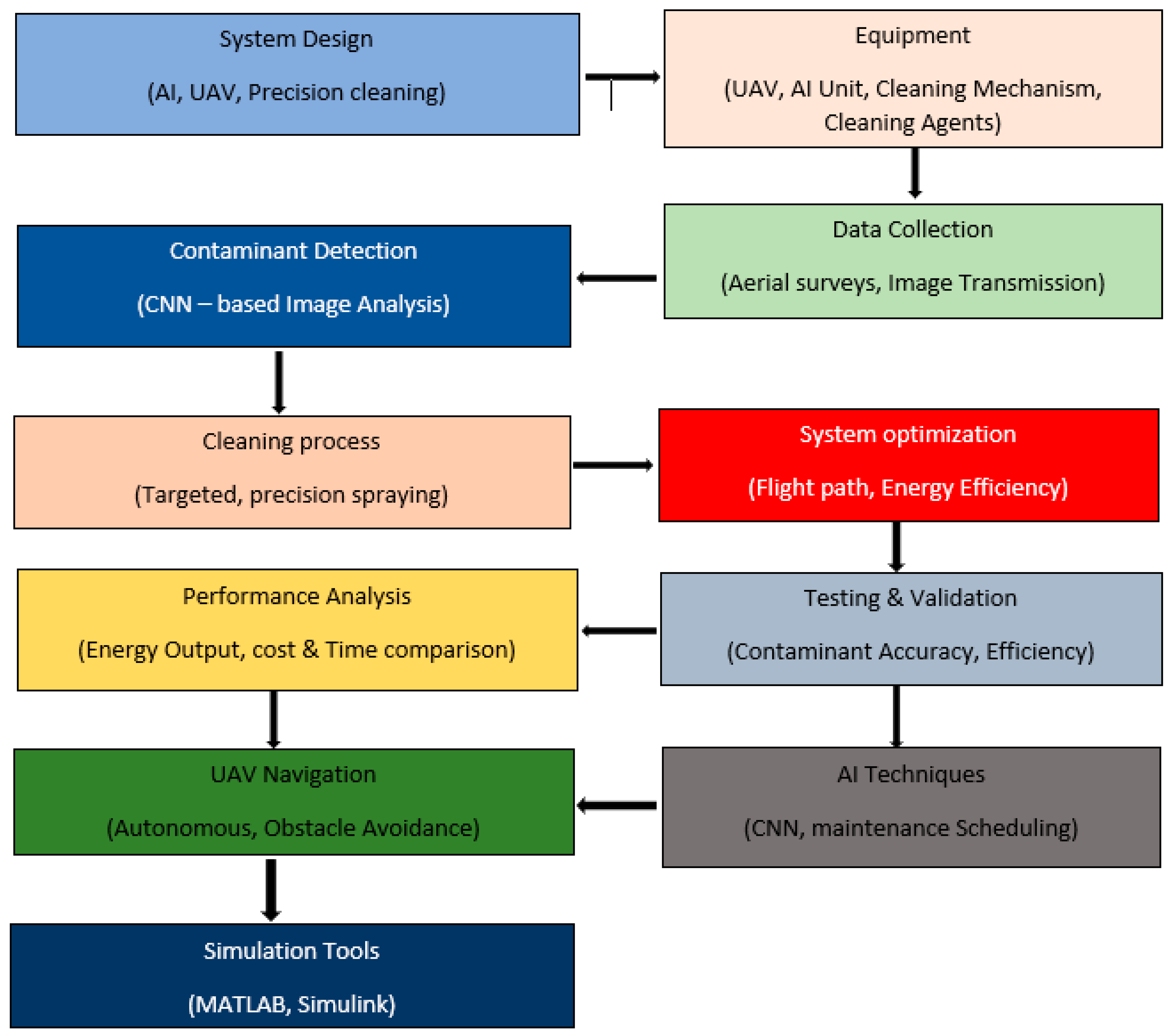
A systematic methodology was developed for designing an efficient and sustainable AI-powered UAV cleaning system for photovoltaic (PV) panels. This methodology integrates advanced UAV operational technologies, AI processing, and precision cleaning mechanisms to tackle the identified problem. It involves selecting equipment and materials, implementing procedures, and integrating software for system optimisation. It starts with system design, which includes the components of the system. This can be done using a 3D modelling software. After finishing the design, the procurement of relevant equipment can be done. An AI algorithm should be developed to analyse the image captured by the camera; CNN is identified as the best deep learning model for analysing images based on literature. Path detection in the solar site area and image capture on the PV panel should then be done to identify the cleaning area [32].The targeted cleaning process will be selected before applying cleaning agents. Testing and validation are required to be accurate and efficient. After developing the model, it is required to analyse the proposed design's performance, cost analysis, and the AI algorithm’s performance and simulation. Figure 6 shows the step by steps of the proposed PV cleaning systems.
Figure 8.
Steps involved in the proposed Design.
4.1.1. Equipment and Materials
The system consists of fundamental components, which include:
- Unmanned Aerial Vehicle (UAV) and cameras: UAV is Equipped with high-resolution cameras and environmental sensors to generate detailed aerial imagery of photovoltaic panels.
- AI Processing Unit: facilitates convolutional neural networks (CNNs) for image analysis, enabling the identification of contaminants, including dirt and debris.
- Cleaning Mechanism: A precision-controlled spray nozzle affixed to a lightweight module utilises a biodegradable cleaning fluid designed for application via a UAV.
- Cleaning Agents: Environmentally friendly fluids with superior dirt removal capabilities while utilising minimal water.
The components that would be selected are to be lightweight, energy-efficient, and easily integrable.
4.1.2. Procedure
The methodology adheres to a systematic approach.
1. Collection of Data
Aerial surveys conducted by UAVs capture real-time high-resolution images of photovoltaic panels. The transmission image is sent and processed by the AI processing unit. Clarity and accuracy of images under different conditions are attained through preprocessing techniques, including noise reduction and histogram equalisation.
2. Contaminant Detection through Image Analysis
Captured images are input into AI algorithms, which employ convolutional neural network (CNN) methods to detect dirt, dust, and bird droppings. The algorithms are trained to recognise contaminants across diverse datasets, including scenarios involving shadows or reflections.
3. Targeted Cleaning
The AI's analysis of contaminated areas informs the UAV's cleaning mechanism. The cleaning fluid is dispensed only as needed through precision-controlled spray nozzles, optimising resource use and preventing the cleaning of unnecessary areas.
4. System Optimization
UAVs employ flight path optimisation algorithms to minimise energy consumption during comprehensive panel coverage. The capacity to obtain real-time obstacle safety in intricate environments significantly enhances operational stability and safety.
5. Testing and Validation
A controlled set of photovoltaic panels is initially evaluated. The contaminant detection accuracy, cleaning efficiency, and resource consumption metrics are assessed. Outcomes inform subsequent enhancements of the AI and UAV systems.
6. Performance Analysis
The measurement of post-cleaning energy outputs of photovoltaic panels quantifies efficiency improvements. Cost, time, and environmental impact benefits are evaluated compared to traditional cleaning methods.
4.1.3. Software and Techniques
Specialised software and methodologies are implemented during the development of the system:
- Artificial Intelligence Techniques:
Convolutional Neural Networks (CNNs) are employed for contaminant detection and classification. These machine-learning algorithms optimise maintenance schedules and forecast potential cleansing requirements by analysing historical data and environmental conditions.
- UAV Navigation and Control:
Autonomous navigation software optimises flight paths and prevents collisions. Stability in fluctuating weather and atmospheric conditions maintains consistent performance across diverse environments.
- Simulation and Validation Tools:
Platforms such as MATLAB and Simulink are used to conduct simulations of system behaviour under various operational scenarios. These instruments assess the system's response to other panel layouts, contaminant types, and environmental conditions before field deployment.
5. Results and Discussion
Expected Results
The proposed work will address the use of technological advancements to address the inefficiencies in the existing cleaning methodologies. Using AI-powered image processing, UAVs can effectively identify areas of dirt accumulation and perform cleaning operations. This reduces water and chemical consumption, ensuring that resources are utilised only where necessary. It ensures the management of operational costs while maintaining a moderate environmental impact. The system offers a scalable and flexible approach for managing solar farms (Error! Reference source not found.), including those in remote locations, to ensure long-term efficiency and performance of photovoltaic installations. (A Patil et al., 2024) (Milidonis et al., 2023)
Incorporating AI into the uncrewed aerial vehicle (UAV) sector for cleaning photovoltaic panels is expected to enhance efficiency, sustainability, and cost-effectiveness. The suggested technology addresses several limitations of existing maintenance approaches by autonomously detecting and removing pollutants. The methodology and design presented in this study forecast the ensuing results.
Secondly, when the contaminants (predicted to be identified as dirt, dust, and other debris on photovoltaic panels by the AI-based detection mechanism) form on the PV module, the primary expectation is that this mechanism will achieve a high degree of accuracy in identifying these substances on PV panels. Deep learning technologies of CNN-based contaminant detection systems employ algorithms trained on heterogeneous datasets, providing dependable pollutant identification across multiple ambient conditions (e.g., lighting, shadows, weather). This level of detection precision is anticipated to substantially reduce the frequency of unnecessary cleaning activities, utilising resources solely when required.
Also, employing a UAV-mounted cleaning device to address targeted contamination zones may enhance maintenance efficiency. Cleaning agents are utilised with precise control and are anticipated to decrease water and chemical usage by 50 per cent relative to traditional approaches. This result aligns well with the project's objectives, particularly in regions experiencing water constraints. The lightweight construction of the cleaning mechanism is anticipated to extend flight durations and provide broader coverage in a single operation.
Significant enhancement is anticipated in optimising UAV navigation with sophisticated flight path algorithms. The system might raise extensive solar farms' operating efficiency and scalability by providing comprehensive panel coverage and reduced energy consumption. Real-time obstacle avoidance systems are anticipated to enhance safe and reliable operations over diverse terrains, particularly those with intricate layouts or natural impediments.
Performance metrics suggest that cleaning can recover 25 to 30 per cent of the energy output compared to unclean panels. This improvement in panel efficiency indicates prospective energy production rates that will mainly benefit solar farms' economic and ecological development. Furthermore, it can be anticipated that this automated system reduces dependence on labour and mitigates associated dangers in hazardous or inaccessible environments (Figure 7)
Figure 9.
Process and stages of cleaning photovoltaic panels using drone technology [33].
Figure 9.
Process and stages of cleaning photovoltaic panels using drone technology [33].
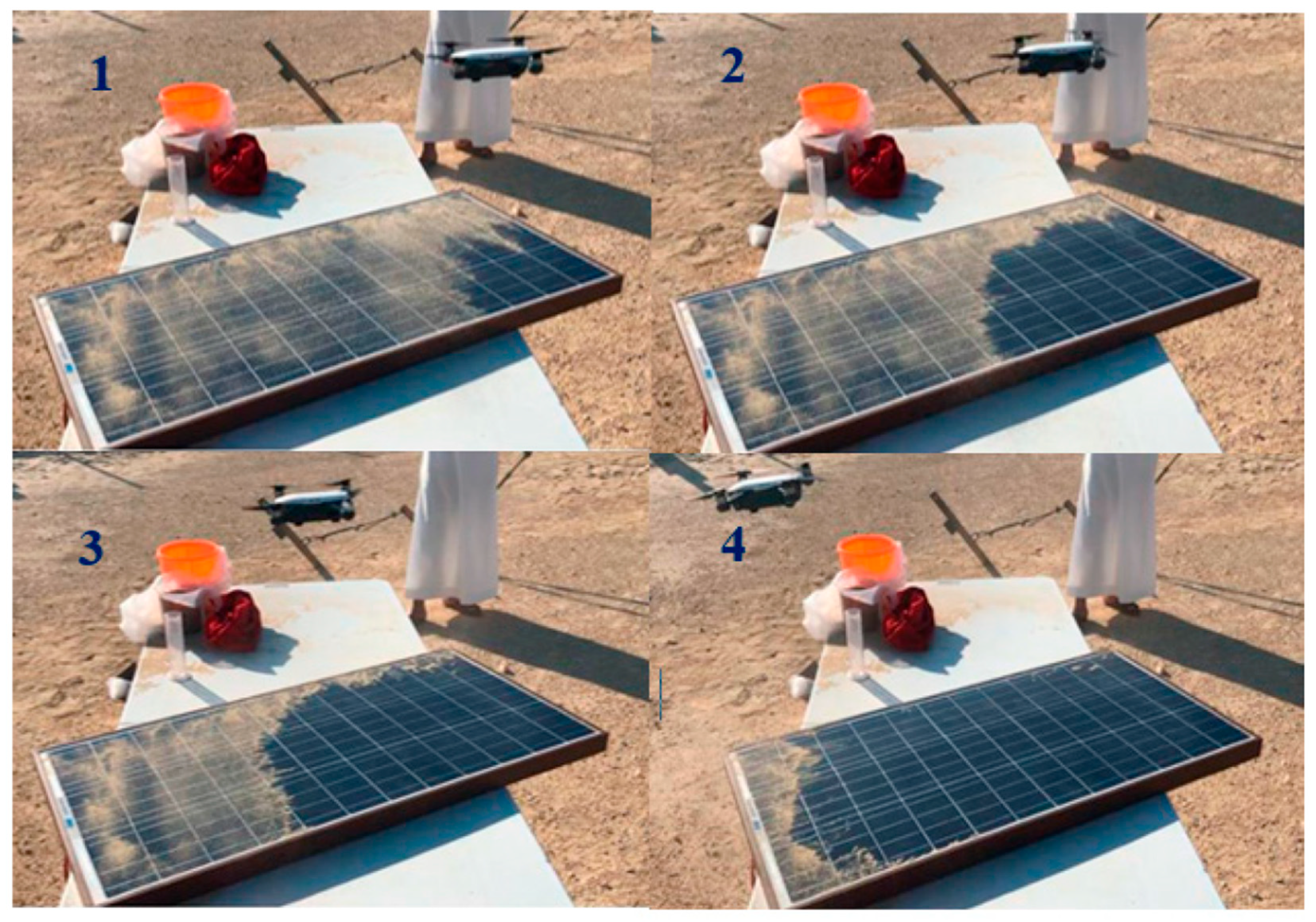
The anticipated results illustrate the potential benefits of employing AI and UAVs in the management of solar farms. The suggested technology is expected to enhance the operational efficiency of the PV panels by optimising existing cleaning methods and minimising environmental impact. The precise identification of contaminants renders the cleaning process highly focused, necessitating reduced water and chemical usage. This function is particularly advantageous in arid regions where traditional washing is unfeasible due to severe water scarcity.
The anticipated results suggest that scalability and adaptability are essential in contemporary solar farm maintenance. The technological specifications of UAVs, particularly their navigation systems, are anticipated to demonstrate reasonableness across various geographical and climatic conditions. They are incredibly efficient in extensive solar power facilities due to their ability to navigate unpredictable terrains that may be exhausting for human cleaners. Optimising flight trajectories with AI improves efficiency, ensuring optimal energy utilisation and reduced operational costs.
The system's configuration adheres to global strategies to reduce environmental resource use. Implementing biodegradable cleaning agents and reduced water consumption should render the system more environmentally sustainable than conventional cleaning procedures. Furthermore, integrating maintenance predictive functionalities provided by AI algorithms may enhance sustainability by diminishing the need for cleaning operations and extending the lifespan of necessary cleaning components.
However, the findings indicate that multiple problems must be addressed for successful implementation in the desert areas. Navigating many environmental conditions, including high winds, harsh temperatures, and heavy rainfall, may affect UAV stability and cleaning efficacy. The suggested system includes capabilities for real-time modifications; nonetheless, this may be inadequate for ensuring dependable performance in adverse conditions. Similar to other UAV operations, regulatory constraints for UAV flights (such as height restrictions and airspace authorisations) are expected to pose logistical challenges, particularly in regions with stringent aviation regulations. Technological innovation and policy adaptation will be essential for the system's widespread adoption to tackle these difficulties.
The anticipated economic benefits of the initial investment in the AI UAV system will be counterbalanced by long-term reductions in maintenance expenses and enhanced energy output. The absence of costly automation will significantly lower labour expenses, while enhanced energy production may shorten investment recovery periods for solar farm operators. Moreover, these economic benefits and scalability render this a feasible alternative for massive commercial installations, smaller community-oriented solar initiatives, and even colleges.
The planned enhancements in photovoltaic panel efficiency are anticipated to have significant implications for the renewable energy market. Should the panels function at peak efficiency, the system would substantially contribute to the global transition to cleaner energy sources. This whole project would result in increased energy production from solar farms and reduce dependence on fossil fuels to combat climate change and achieve energy independence.
6. Conclusion and Future Works
The integration of artificial intelligence (AI) and unmanned aerial vehicles (UAVs) into photovoltaic (PV) panel cleaning may solve typical maintenance inefficiencies through a transformation in the large-scale PV plants in the desert areas of Oman. The suggested system aims to improve the operational efficiency, sustainability, and cost-effectiveness of the solar energy system through the application of AI for contamination identification and UAVs for targeted cleaning. The anticipated research results encompass enhanced cleaning efficacy, reduced resource use, and increased energy output from photovoltaic panels. Due to its AI-driven detection system employing convolutional neural networks (CNNs), compound identification is anticipated to achieve over 90% accuracy even in adverse settings. This degree of precision ensures that cleaning efforts concentrate solely on pertinent regions, hence minimising the expenditure of additional resources. Automated UAV-mounted cleaning systems, featuring integrated automation and active feedback for appropriate flight routes, will decrease water and chemical use by 50 per cent relative to traditional cleaning methods.
These developments tackle significant issues related to the maintenance of photovoltaic panels on a broad scale, particularly in remote solar farms, where conventional methods prove wasteful in labor, time, and resources [34]. The system's capacity to enhance both the economic feasibility and environmental sustainability of solar farms is demonstrated by the anticipated recovery of 25–30% of energy output lost to pollutants. This system's diminished need for physical labour and scalability from big commercial farms to smaller community-driven projects render it a highly adaptable solar energy solution.
Future Works
The suggested system includes numerous enhancements that would yield increased capability and broader impact; hence, additional effort and development are required in these domains. Future research could explore the following:
1. Adaptation to Extreme Environmental Conditions: Enhancing the system's reliability and utility in areas subjected to high winds, heavy rainfall, and extreme temperatures will improve its performance in such environments.
2. Regulatory Compliance and Policy Development: Collaborations with policymakers and aviation authorities are essential to tackle UAV-related regulatory obstacles, specifically airspace constraints and flying altitude limitations, to facilitate the system's adoption.
3. Lifecycle Sustainability: A thorough examination of environmentally sustainable materials for UAV components and developing recycling techniques for batteries and electronic components will diminish the system's environmental impact.
4. Enhanced AI Proficiencies: If improvements in machine learning applications are focused, the prediction of contamination trends and optimisation of cleaning schedules can also be improved, improving efficiency and maximising resource utilisation.
5. Economic Optimization: The objective is to investigate cost-reduction solutions in hardware manufacturing and software development to enhance system accessibility for smaller-scale operators and emerging markets.
6. Integration with Other Technologies: Comprehensive solutions for enhancing solar farm performance can be achieved by integrating the system with energy monitoring tools or incorporating it into a smart grid infrastructure.
Future developments in these areas will render AI-UAV technologies scalable, sustainable, and sufficiently significant to broaden the uses of AI-UAVs for photovoltaic maintenance globally, facilitating the shift to renewable energy and achieving energy independence. This research establishes a robust foundation for transforming global solar energy maintenance practices through ongoing refinement and expansion of the system.
Author Contributions
A.R. & S.M.J.: conceptualization, writing—original draft, and analysis of result; M.S.A.M., H.N.A.J. & A.B.A.A.D.: review/editing and investigation; A.R.: formal analysis, data curation, and data analysis; S.M.J.: project administration; A.R.: supervision. All authors have read and agreed to the published version of the manuscript.
Acknowledgments
The authors would like to thank National University of Science and Technology (NUST), Muscat, Oman, and its management for their continuous support in doing research works, and partial funding to publish this review article.
Conflicts of Interest
The authors declare that there is no conflict of interest in executing the research and publishing its outcome.
References
- Jathar, L. D., Nikam, K., Awasarmol, U. V., Gurav, R., Patil, J. D., Shahapurkar, K., Soudagar, M. E. M., Khan, T. M. Y., Kalam, M. A., Hnydiuk-Stefan, A., Gürel, A. E., Hoang, A. T., & Ağbulut, Ü. (2024). A comprehensive analysis of the emerging modern trends in research on photovoltaic systems and desalination in the era of artificial intelligence and machine learning. Heliyon, 10(3), e25407. [CrossRef]
- Oman Solar Report (2023), www.pvknowhow.com Available at: https://www.pvknowhow.com/solar-report/oman/#:~:text=As%20of%20the%20latest%20data,in%20Oman%20is%20as%20follows%3A&text=Natural%20Gas%2093%25,Wind%201%25 [ Accesed on 21 Mar 2025].
- Patrick Amoatey, Amer Al-Hinai, Abdullah Al-Mamun, Mahad Said Baawain, A review of recent renewable energy status and potentials in Oman, Sustainable Energy Technologies and Assessments, Volume 51,2022,101919,ISSN 2213-1388. [CrossRef]
- Hudedmani, M. G., Joshi, G., Umayal, R. M., & Revankar, A. (2017). A Comparative Study of Dust Cleaning Methods for the Solar PV Panels. Advanced Journal of Graduate Research, 1(1), 24–29. [CrossRef]
- Najmi N, Rachid A. A Review on Solar Panel Cleaning Systems and Techniques. Energies. 2023; 16(24):7960. [CrossRef]
- Solar Panel Maintenance: Taking Care of Your Panels - TheGreenAge. (2018). Available at: https://www.thegreenage.co.uk/solar-panel-maintenance/( Accessed on 21 March 2025).
- Pruthviraj, U., Kashyap, Y., Baxevanaki, E., & Kosmopoulos, P. (2023). Solar Photovoltaic Hotspot Inspection Using Unmanned Aerial Vehicle Thermal Images at a Solar Field in South India. Remote Sensing 2023, Vol. 15, Page 1914, 15(7), 1914. [CrossRef]
- Dellosa, J. T., & Palconit, E. C. (2021). Artificial Intelligence (AI) in Renewable Energy Systems: A Condensed Review of its Applications and Techniques. 21st IEEE International Conference on Environment and Electrical Engineering and 2021 5th IEEE Industrial and Commercial Power System Europe, EEEIC / I and CPS Europe 2021 - Proceedings. [CrossRef]
- Matusz-Kalász, D., & Bodnár, I. (2021). Operation Problems of Solar Panel Caused by the Surface Contamination. Energies 2021, Vol. 14, Page 5461, 14(17), 5461. [CrossRef]
- Anna Michail, Andreas Livera, Georgios Tziolis, Juan Luis Carús Candás, Alberto Fernandez, Elena Antuña Yudego, Diego Fernández Martínez, Angelos Antonopoulos, Achilleas Tripolitsiotis, Panagiotis Partsinevelos, Eftichis Koutroulis, George E. Georghiou, A comprehensive review of unmanned aerial vehicle-based approaches to support photovoltaic plant diagnosis, Heliyon, Volume 10, Issue 1, 2024, e23983, ISSN 2405-8440. [CrossRef]
- Nezamisavojbolaghi, M., Davodian, E., Bouich, A., Tlemçani, M., Mesbahi, O., & Janeiro, F. M. (2023). The Impact of Dust Deposition on PV Panels’ Efficiency and Mitigation Solutions: Review Article. Energies 2023, Vol. 16, Page 8022, 16(24), 8022. [CrossRef]
- Al-Housani, M., Bicer, Y., & Koç, M. (2019). Experimental investigations on PV cleaning of large-scale solar power plants in desert climates: Comparison of cleaning techniques for drone retrofitting. Energy Conversion and Management, 185, 800–815. [CrossRef]
- Yue Tan Zhang, Jin Tuan Zhang, Yue Liu, Kun Liu, QiPeng Wang, Spray-on steady-state study of multi-rotor cleaning uncrewed aerial vehicle in operation of photovoltaic power station, Energy Reports, Volume 11,2024,Pages 5638-5653, ISSN 2352-4847. [CrossRef]
- Majeed, R.; Waqas, A.; Sami, H.; Ali, M.; Shahzad, N. Experimental investigation of soiling losses and a novel cost-effective cleaning system for PV modules. Sol. Energy 2020, 201, 298–306.
- UAS Vision. (2021). Airobotics to Develop Solar Panels Cleaning Drone System – UAS VISION. Available at: https://www.uasvision.com/2021/12/09/airobotics-to-develop-solar-panels-cleaning-drone-system/ (Accessed on 21 March 2025).
- iFBOT. (2024). IFBOT Portable and Autonomous Solar Panel Cleaning Robot. Available at: https://www.ifbot.com/ (Accessed on 21 March 2025).
- A Patil, S., R Patil, A., Chougule, V. N., & Sanamdikar, S. T. (2024). Design and Analysis of Automated Solar Panel Cleaning System. Current World Environment, 18(3), 1032–1045. [CrossRef]
- Milidonis, K., Eliades, A., Grigoriev, V., & Blanco, M. J. (2023). Unmanned Aerial Vehicles (UAVs) in the planning, operating and maintaining concentrating solar thermal systems: A review. Solar Energy, 254, 182–194. [CrossRef]
- Almalki, F. A., Albraikan, A. A., Soufiene, B. O., & Ali, O. (2021). Utilizing Artificial Intelligence and Lotus Effect in an Emerging Intelligent Drone for Persevering Solar Panel Efficiency. Wireless Communications and Mobile Computing, 2022(1), 7741535. [CrossRef]
- Mani, M., & Pillai, R. (2010). Impact of dust on solar photovoltaic (PV) performance: Research status, challenges and recommendations. Renewable and Sustainable Energy Reviews, 14(9). [CrossRef]
- S. S. Sarkis et al., "Novel Design of a Hybrid Drone System for Cleaning Solar Panels," 2022 Advances in Science and Engineering Technology International Conferences (ASET), Dubai, United Arab Emirates, 2022, pp. 1-6. [CrossRef]
- K. M. Mishra, K. Babu M, S. C. U and M. Nithya, "Drone Based Solar Panel Cleaning System," 2024 International Conference on Power, Energy, Control and Transmission Systems (ICPECTS), Chennai, India, 2024, pp. 1-5. [CrossRef]
- Akay, S, S., Özcan, O., Özcan, O., Yetemen, Ö. Efficiency analysis of solar farms by UAV-based thermal monitoring. Engineering Science and Technology, an International Journal, 2024, 53, 101688. [CrossRef]
- Xie, Tianyu, Yutong Jiang, Chenglin Wang, and Hongtao Ni. 2025. “A Drone System for PV Panel Cleaning Based on YOLOv8 and Automated Flight Path Planning”. World Scientific Research Journal 11 (2): 47-54.
- Kumar, B. P. (2024). Solar Panel Dirt Detection and Cleaning System. African Journal of Biological Sciences, 6(5), 10537–10548. [CrossRef]
- Nabti, M., Bybi, A., El Ayachi, C., & Garoum, M. (2022). Machine learning for predictive maintenance of photovoltaic panels: cleaning process application. E3S Web of Conferences, 336. [CrossRef]
- Bendaoudi, Z., Namoune, A., Kadous, N., Bellebna, Y., Yanallah, K., & Tilmatine, A. (2024). An Improved Electrostatic Cleaning System for Dust Removal from Photovoltaic Panels. Journal of Engineering Science and Technology Review, 17(1), 109–115. [CrossRef]
- Olayiwola, O., & Camara, F. (2024). Challenges and Opportunities for Autonomous UAV Inspection in Solar Photovoltaics. E3S Web of Conferences, 572. [CrossRef]
- Olorunfemi, B. O., Ogbolumani, O. A., & Nwulu, N. (2022). Solar Panels Dirt Monitoring and Cleaning for Performance Improvement: A Systematic Review on Smart Systems. Sustainability 2022, Vol. 14, Page 10920, 14(17), 10920. [CrossRef]
- Sherman, M., Gammill, M., Raissi, A., & Hassanalian, M. (2021). Solar uav for inspecting and monitoring photovoltaic (Pv) systems in solar power plants. AIAA Scitech 2021 Forum, 1–10. [CrossRef]
- Y. P. Huang, S. Kshetrimayum and F. E. Sandnes, "UAV-Based Automatic Detection, Localization, and Cleaning of Bird Excrement on Solar Panels," in IEEE Transactions on Systems, Man, and Cybernetics: Systems, vol. 55, no. 3, pp. 1657–1670, March 2025. [CrossRef]
- Linhong Chen, Siyuan Fan, Shengyao Sun, Shengxian Cao, Tianyi Sun, Peng Liu, Han Gao, Yanhui Zhang, Wei Ding, A detection model for dust deposition on photovoltaic (PV) panels based on light transmittance estimation, Energy, Volume 322, 2025,135284,ISSN 0360-5442. [CrossRef]
- Rehman, S., Mohandes, M. A., Hussein, A. E., Alhems, L. M., & Al-Shaikhi, A. (2022). Cleaning of Photovoltaic Panels Utilizing the Downward Thrust of a Drone. Energies 2022, Vol. 15, Page 8159, 15(21), 8159. [CrossRef]
- Talal Al Haddabi, Amuthakkannan Rajakannu, Hamood Al Hasni, "Design and Development of a Low-Cost Parabolic Type Solar Dryer and its Performance Evaluation in Drying of Kingfish – A Case Study in Oman," International Journal of Engineering Trends and Technology, vol. 72, no. 12, pp. 195-214, 2024. Crossref. [CrossRef]
Figure 1.
PV Palnt in the desert site of Oman.
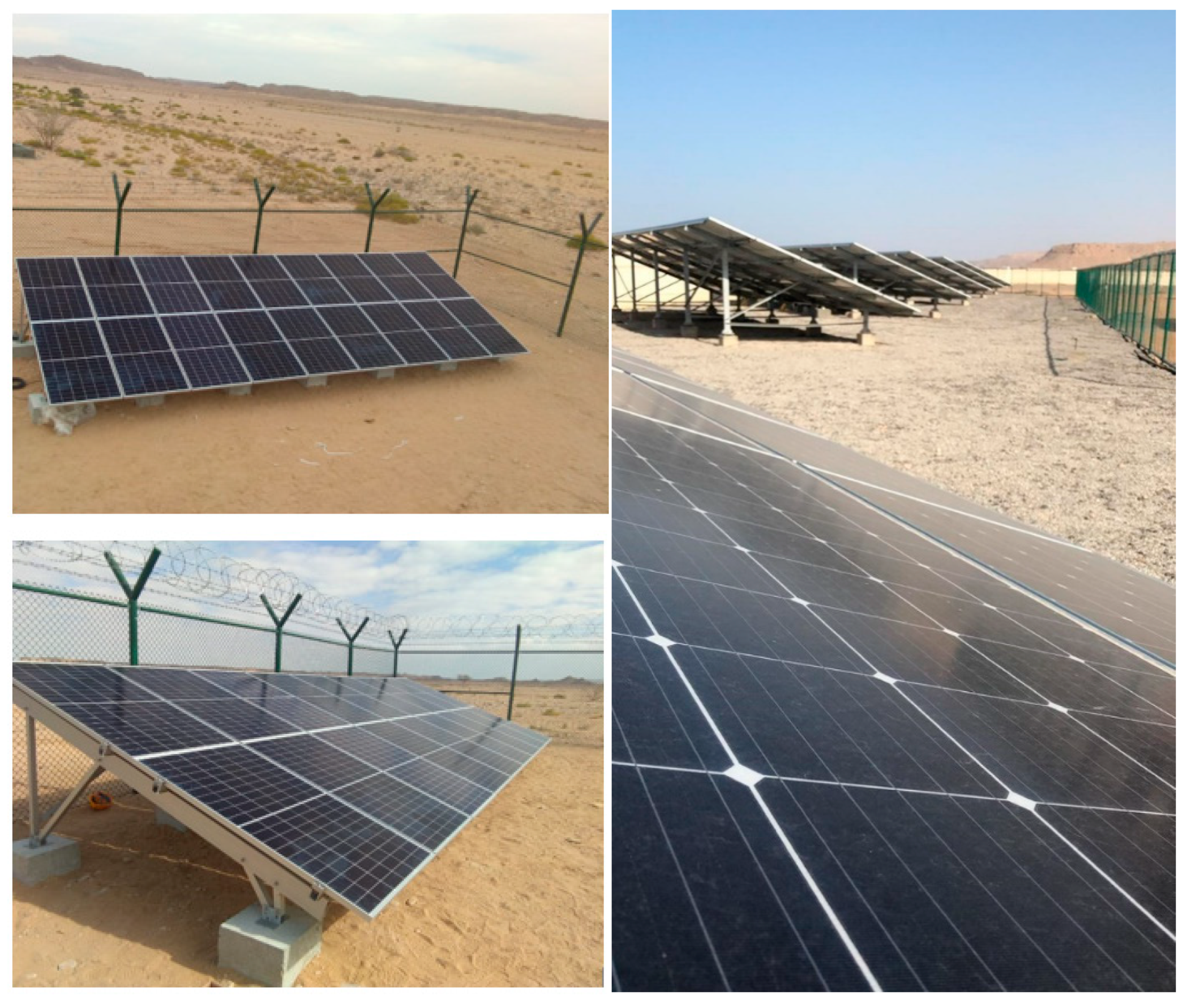
Figure 2.
Net production of energy through various sources (Available at: https://mem.gov.om/Our-Business/Renewable-Energy-and-Hydrogen/Renewable-Energy-and-Hydrogen-Statistics) [Accessed on 21 March 2025].
Figure 2.
Net production of energy through various sources (Available at: https://mem.gov.om/Our-Business/Renewable-Energy-and-Hydrogen/Renewable-Energy-and-Hydrogen-Statistics) [Accessed on 21 March 2025].
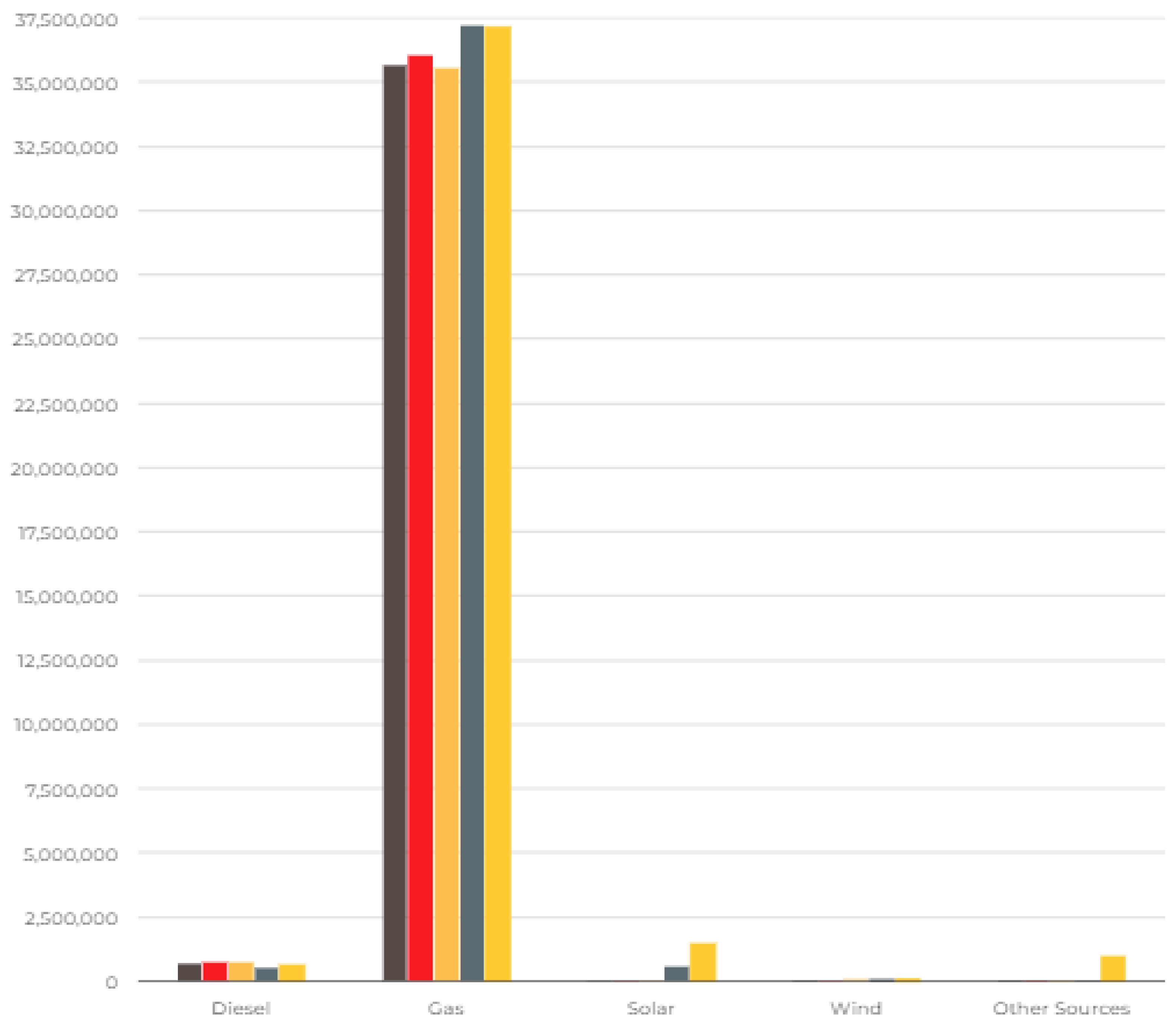
Figure 6.
Integration of UAV technology in PV maintenance. [15].
Figure 6.
Integration of UAV technology in PV maintenance. [15].
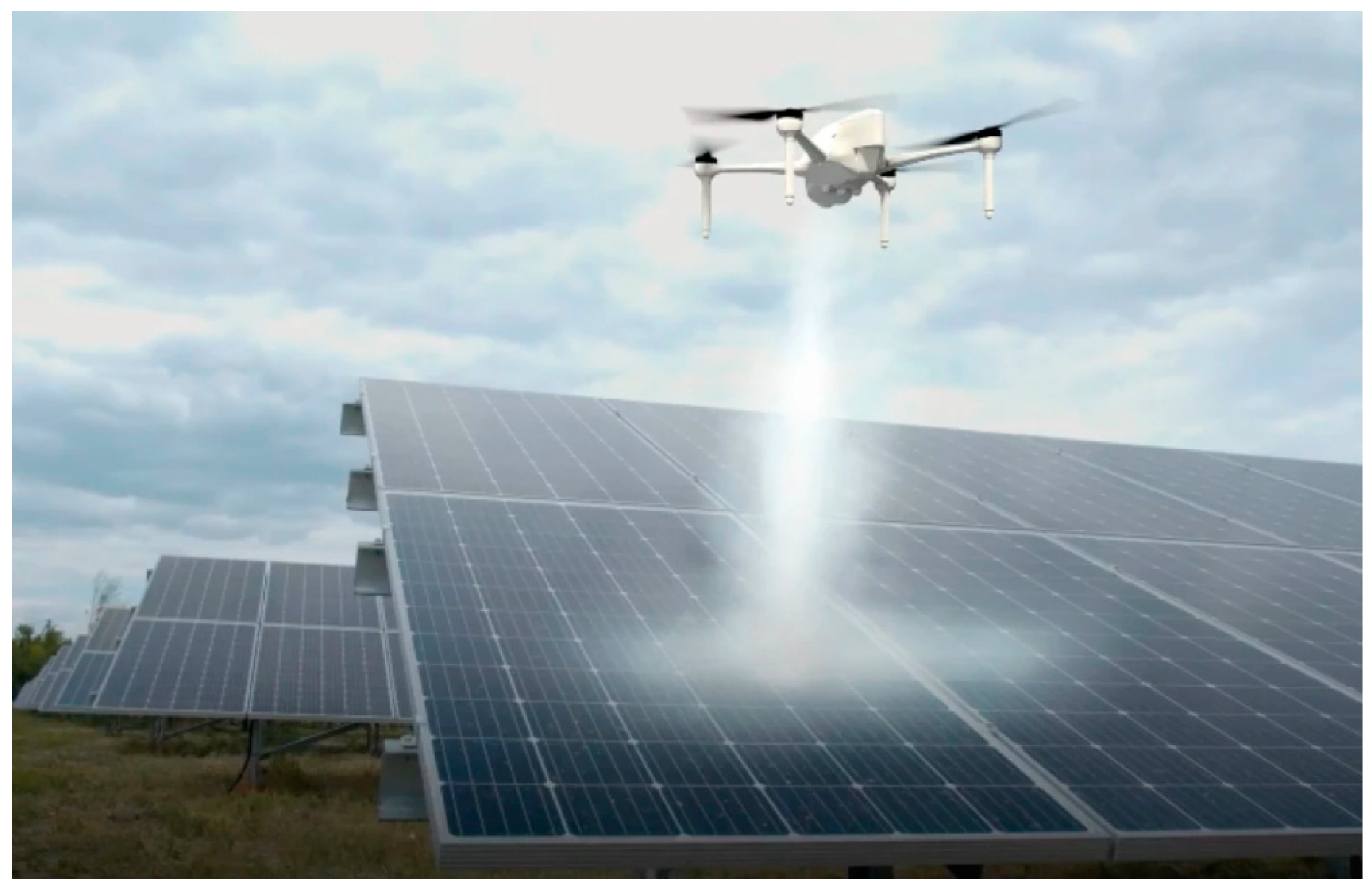
Figure 7.
AI-powered robot called iFBOT for PV cleaning [16].
Figure 7.
AI-powered robot called iFBOT for PV cleaning [16].
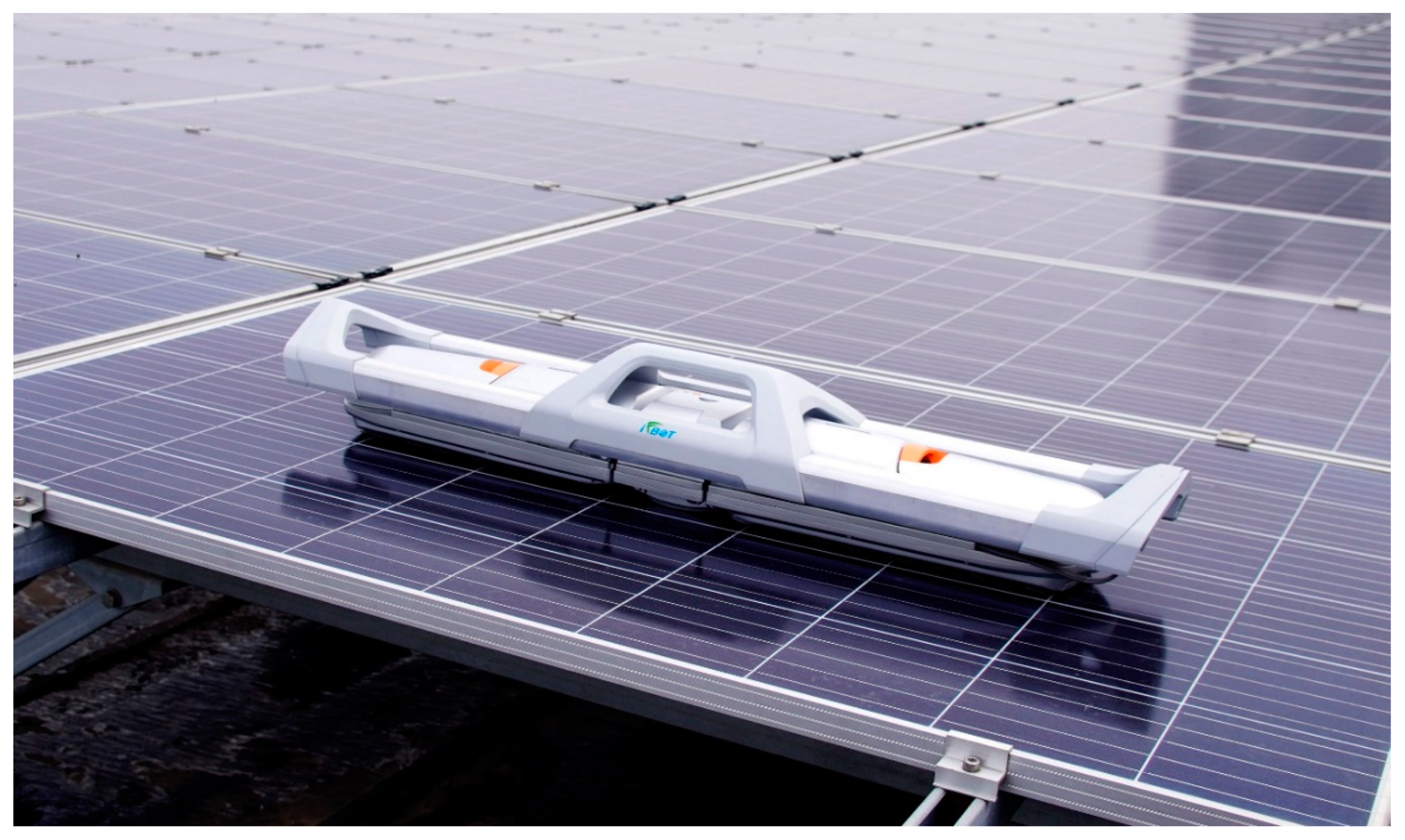
Table 2.
Cleaning Methodologies and their disadvantages.
| Cleaning Methodology | Disadvantages |
|---|---|
| Mechanical Scrubbing Method | More water and chemical consumption |
| Manual Cleaning Method | Risk involved; Not suitable for large scale PV systems |
| Water Jet methods | Not suitable in water scarcity places |
| Unmanned Aerial vehicle | Need a suitable system to identify the dirt/dust places; Need effective appliance for cleaning |
| Robotic aram based cleaning | Lack Scalability |
| Microcontroller based arms | High cost and need more skill to handle; Temp sensitive |
Disclaimer/Publisher’s Note: The statements, opinions and data contained in all publications are solely those of the individual author(s) and contributor(s) and not of MDPI and/or the editor(s). MDPI and/or the editor(s) disclaim responsibility for any injury to people or property resulting from any ideas, methods, instructions or products referred to in the content. |
© 2025 by the authors. Licensee MDPI, Basel, Switzerland. This article is an open access article distributed under the terms and conditions of the Creative Commons Attribution (CC BY) license (http://creativecommons.org/licenses/by/4.0/).
Copyright: This open access article is published under a Creative Commons CC BY 4.0 license, which permit the free download, distribution, and reuse, provided that the author and preprint are cited in any reuse.


