

Submitted:
25 April 2024
Posted:
26 April 2024
You are already at the latest version
Abstract
Stairs are among the key elements in architectural composition, both aesthetically and spatially. They are also one of the main innovations in architecture and building, allowing pedestrians to bridge considerable height differences with relative efficiency. It is therefore surprising that, in spite of all stair regulations in building codes, stairs are responsible for a huge number of accidents – second only to motorcars. The extent of safety failures suggests that user interaction with stairs is poorly understood by designers and policy makers. This is not unrelated to the lack of research into the design and use of stairs. Templer’s seminal work is the exception but it dates from 1992 and since then little has been done to understand the relation between architectural design and stair performance, including safety. To redress this, we can build on affordance-based analyses of stair climbability, which establish a clear connection between the form of a stair and the perception of action possibilities and dangers by all kinds of users. By doing so affordances establish a comprehensive and consistent framework for the analysis of architectural designs, which utilizes both domain and psychological knowledge, including as a foundation for computational applications.
Keywords:
interaction
; safety
; affordances
1. Introduction: the Trouble with Stairs
1.1. Pride and Fall
With their multiple symmetries, continuity and penetrative form, stairs are one of the most eye-catching and photogenic parts of any building. They are also key elements in the spatial composition of buildings and landscapes, providing subtly regulating means for connecting and experiencing architecture in all tendencies and styles [1]. Equally significantly, they are one of the major innovations of architecture – one that does not merely amplify our existing capacities but actually gives us new abilities [2], namely to move between floors with a considerable height difference in relative comfort, for which there was no real alternative until relatively recently. It is therefore not accidental that the history of stairs is studded with significant contributions to architecture in general [1].
At the same time, stairs are the location of an alarmingly large number of injuries. A study established that, over a 23-year period, more than a million stair-related injuries are treated annually on average in US emergency departments. Of these, approximately 32% of these were sprains and strains, 24% soft-tissue injuries and 19% fractures. In roughly 42% of the cases, the injuries were in the lower extremities and in almost 22% in the head and neck [3]. Other sources report more than 1.23 million non-fatal injuries on stairs in 2009-10, resulting in 12,000 deaths, with a total cost exceeding US $ 92 billion. This makes stair-related falls first among the causes of non-fatal injuries related to consumer products in the USA [4,5]. Only motor vehicle-related fatalities are higher (45,000 annually) and, while deaths from fire or burns are 5,000 per year, fire safety receives much more attention than stair safety [6].
In other countries, such as the UK, out of 1035 deaths related to building features in coroners’ reports in a year, 80% were attributed to falls and 61% to falls on stairs. Remarkably, 514 accidents were on stairs and only 56 on the seemingly more precarious steps and ladders [7]. According to other sources, the annual numbers for falls on stairs in the UK were 230,000-290,000 serious accidents and 500-600 fatalities (out of a total 4,000) at home, plus 100,000 accidents and 1,000 fatalities during leisure activities outside the home. In total, 29% of all falls occurred on stairs [8,9]. In a single A&E department of a Dutch academic hospital, 464 patients were treated for stair-related falls in 2005. Out of these, 61% required admission and two died, both with severe traumatic brain injury [10].
These numbers become even more alarming when we take into account the limited risk exposure time, i.e., the relatively little time people spend on stairs [11], as well as the critical role of stairs in emergencies such as fire egress [12]. Similarly worrying is that most stair-related injuries are caused on private stairs [13], which have lower standards than public ones and are less rigorously regulated and maintained. It is also contradictory and ultimately ironic that stair-walking is promoted and studied as an accessible health exercise and measure [14,15,16,17,18,19,20], although in-depth analyses conclude that current stair design does not meet the needs of vulnerable users [21]. In UK coroners’ reports (at least the ones that bothered to include environmental data), falls were not on bad or too long stairs: 30% had at least one handrail, while 25% were on flights with 13 steps and almost 18% on flights with 14 steps [7]. This suggests that current codes are far from adequate and that stair failure is not easy to explain within the current design and regulatory mindset.
A defensive response would be to put the blame on stair users. Indeed, there is evidence that many people adopt risky strategies, from walking on stairs too absorbed in their smartphones [22] to walking with small and variable foot clearance from step nosings [23]. Human error is an inevitable factor in hazards and people should certainly be educated and reminded to use stairs with due care and attention but this should also be coupled to the provision of all necessary safety and efficiency features in the stairs and their immediate environments. Regardless of who is to blame, the problem clearly lies in user interaction with stairs, therefore also in the understanding of this interaction by designers and policy makers. In the age of inclusiveness and equity, stairs should surely be as safe as possible to all users: young and old, slow or fast, strong or weak, sober or inebriated: their design should prevent and anticipate the slips and stumbles that form the starting point of disastrous stair falls, as well as minimize the effects of such falls. They should also allow users to perceive directly how they should walk on stairs safely and effectively.
1.2. Action Identification and Affordances
The last point is important to this paper. As Action Identification Theory (AIT) suggests, anything we do has multiple identities at various levels: an activity, e.g., going from A to B or writing a report, consists of one or more actions, such as going through doorways, walking on stairs or using a computer and a text processing program. Each action normally contains several operations, for example holding a handrail or tapping on a keyboard [24]. The higher levels provide an understanding of our objectives –what we are doing, its reasons, effects and implications– and the lower ones concern the specifics of what we do and especially how we do it. When both higher and lower identities are available, the higher ones tend to be prepotent: while walking on a stair, we think of our destination and what might expect us there, letting our hands and legs do the walking without conscious control. If something cannot be performed with reference to a higher identity, the lower ones take over: a slippery or unequal step, a painful knee or the absence of a handrail may shift our attention to the operations of stair-walking, i.e., the precise interactions with features of the stair and possibly other current users of the stairs. In either case, what we do is maintained with respect to its current prepotent identity, which serves as goal, intention, frame and performance criterion. Preoccupation with higher or concurrent activities and the resulting cognitive load may distract from the lower level actions and operations, and lead to stair accidents [25].
Stair-walking is something we normally do automatically, without conscious attention to the key features that may be relevant to our safety and our interactions with them, but this does not mean that we are unaware of these features. The theory of affordances argues that an environment presents specific action possibilities to a particular animal, which are perceived directly, without mediation of mental representations, so that they can be acted upon automatically [26,27]. Users perceive the climbability affordance of a stair (the how is discussed in a later section) and proceed to walk on it without consciously thinking how their feet land on the steps or their hands glide along the handrails, so preserving their precious cognitive capacities for higher matters, such as the purpose of their going from A to B. Affordances can be positive or negative: stairs allow us to walk up and down considerable heights but also are hazardous because they contain a great number of hard edges in sequences that make falls more painful and dangerous than falls on level surfaces. We normally perceive both positive and negative affordances (also as a gradient: the closer to the edge, the greater the danger [26]), which explains why walking speed on stairs is significantly lower than on level walkways: 30 m/min in ascent and 37 m/min in descent, which would be shuffling speed on a level walkway, where free flow is at 91 m/min [6].
Perception of affordances and the execution of relevant operations and actions are moreover direct: in dual-process theory terms[28,29,30], they are Type 1 processes: autonomous, unconscious, automatic, fast, and low-effort. Examples of such processes are simple mental calculations, such as 2 + 3, the recognition of a common animal species like a dog or grasping a handrail. By contrast, Type 2 processes are controlled, analytical, slow and high-effort; for example, demanding mental calculations, such as 3647 × 6387, filling in an insurance form for a motor vehicle accident or planning a route to an unfamiliar place. Walking on stairs is done through Type 1 repetitive actions, which explains why e.g., step regularity is so important for safety. If perception of affordances proves erroneous or actions fail to produce the expected results, users may scrutinize the environment and themselves more closely, e.g., see if they can adapt their gait, use the handrails to stabilize themselves and prevent or soften a fall or simply stop walking. Suddenly, what takes place automatically becomes the subject of Type 2 thinking: actions and especially operations become an objective by themselves and an opportunity for learning new affordances from them. In other words, it is not always out of stupidity that people fall on stairs but quite often for reasons of cognitive economy.
Affordances are a promising approach to studying the interaction between stairs and their users. For one, affordances concern whole actions and whole environments, and therefore connect different local interactions, such as holding on handrails, landing feet on steps and perceiving step edges, as well as the various levels of AIT, to each other in a way that transparently integrates all relevant aspects and factors into overall possibilities for action, as well as positive and negative outcomes [31,32]. These possibilities are matched to the individual effectivities (capacities for action) of a user [33], which derive jointly from their body and action potential. Consequently, affordances approach interaction and usability as variable, dynamic processes that go beyond basic ergonomics [31,34] and help explain differences between the intentions behind a design and its actual use [32,35,36,37,38].
Interestingly, stairs have been one of the earliest subjects investigated with respect to affordances and affordance perception. This established a long line of research into stair affordances (discussed in a later section) and produced a range of results from which we can learn about user interaction with stairs in order to improve stair comfort and safety.
1.3. Objective and Structure of Paper
The objective of the paper is to show how much is already known about stairs in design and safety studies, and connect that to affordance research in order to define a coherent and comprehensive frame of user interaction with stairs. This allows us to go beyond the superficial and piecemeal box-ticking of regulations, and helps us, firstly, understand the many essential aspects and features in stair design and their interconnections, and, secondly, which directions for further research are worth pursuing.
This is essential for both design and research because, as Templer points out [6], existing norms and codes that underlie the design and validation of stairs are both insufficient and based on shaky foundations. It is ultimately shocking that Blondel’s less than useful formula (discussed in the section on stair design) is complacently retained in most building codes in the world and remains the basis for calculating stair geometry, ignoring related key issues, such as going depth in relation to foot size, and downplaying others, such as adequate lighting and the presence and form of handrails. Apparently, a pseudoscientific justification counts for more than personal observation and experience with stair hazards, the differences between ascent and descent and the variability of users. This is made even more embarrassing by the fact that objective evidence for such matters exists already from the end of the 19th century, when Muybridge produced high-speed photographic breakdowns of adults ascending and descending, as well as children walking and crawling stairs [39].
To explain the current failure of stair design and the potential for improvement, the remainder of the paper starts from the domain of architectural design and then moves outward to related and yet unrelated disciplines. Section 2 is an account of design treatises on stairs, with Templer’s monumental work [1,6] as the centrepiece. Section 3 presents the results of safety studies, including epidemiologic and ergonomic literature, completing what could be construed as wider domain knowledge. Then the paper continues with a review of affordance literature on stairs, starting with Warren’s seminal work [40], before discussing how the different bodies of knowledge combine to produce a rich collection of information that deserves more coherence, as well as better tools for utilization in design.
2. Stair Design
2.1. Design Textbooks and Codes
It is remarkable how few architectural publications, in particular research papers, are on stair design. Despite the high number of accidents on stairs, it is apparently presumed that the subject of stair design is adequately covered by existing codes and domain knowledge. This certainly seems to be the perspective of most architectural textbooks on the design and construction of stairs. Emphasis varies between textbooks but all are generally sensitive to comfort and safety, especially concerning critical conditions like fire egress and certain categories of vulnerable users, such as disabled or elderly users [41]. Accidents afforded by the design and detailing of stairs and dangers to children, such as horizontal boards that invite climbing, are clearly illustrated [42]. Textbooks are often also aware of the low safety record of stairs, e.g., that in Germany in 1992 there were 60,000 accidents on stairs [43].
Concern for comfort and safety is not restricted to critical situations and vulnerable users; it is permanent and for all. For instance, textbooks stress that there should be adequate walking distance (at least 1,800 mm) before the first riser and balustrades for protection on both sides [41], especially if the stair width is more than 1,250 mm [42]. Such elements are deemed necessary not only for protecting users from falls but also for alarming them to stair and ramp dangers. Concerning this, not even architectural masterpieces are immune from scrutiny and criticism: Wright’s Guggenheim Museum in New York has a much-admired spiral ramp at its core but that ramp has a “low concrete balustrade. It does not prevent vertigo, although placed in a sloping plane and angled away from the ramp” [41]. Comfort and safety relate to many features of stairs with which users interact. Handrails, for example, are often considered in great detail, connecting construction to ergonomics [42]. Even the tactile quality of materials is considered: “The comfortable feel of timber to the touch should not be forgotten. Handrails are shaped to be grasped …” [41].
Underlying stair design is overall stair geometry. In that respect, textbooks advise on the form and composition of stairs, e.g., that a direct flight should be limited to 16 risers. Longer stairs should be broken by landings at 16-riser intervals [41]. Step dimensions are considered fundamental and invariably from building codes. These typically prescribe values for the maximal rise and minimal going (Table 1).
Some codes, such as the British, emphasize the pitch of stairs as indication of steepness, as well as link between rise and going size. Other codes, e.g., the Dutch, assume a walkline at a distance of 300 mm from the side of the smaller going as an axis of human movement and measure going and rise along that line. Some textbooks suggest more generous sizes, for example a walkline 450 mm from the centre of the handrail – or at the centre of the going on narrower stairs [42].
Building codes also regulate headroom (at least 2,000 mm in the British) and stair width. The latter usually depends on the use of the building and the stair: in the British code, escape stairs should be minimally 800 mm wide, common stairs in flats and assembly buildings 1,000 mm or, if also used in firefighting, 1,100 mm.
Dimensional constraints also apply to handrails: there should be one on at least one side of the stair, at a height of 800-1,000 mm (Dutch code) or 900-1,000 mm (British code). The British regulations require handrails on both sides if stars are wider than 1,000 mm. Guarding in the form of rails, balustrades etc. should be included if the difference between levels is higher than 600 mm (British code) or 1,000 mm (Dutch code).
Building codes also include topological and qualitative constraints. The British one stipulates that the rise should be generally constant throughout the width of each step, that each step should be level and have a slip-resistant surface, that rise and going should be the same in a flight, and that stair nosings should be distinguished for the benefit of people with impaired sight.
The above indicates, first of all, that there are many features and factors involved in the affordances of stairs. Regulations and textbooks draw from user and professional experience and suggest norms and constraints, which become ‘magic numbers’ without adequate justification [44]. They are just seem reasonable and plausible, and so evade scrutiny. However, choices made in codes and professional standards should be transparent if designers are to understand and implement them, as well as for the continued evaluation and improvement of norms and guidelines [44]. For example, stair widths relate to pedestrian flows, so fire codes need to adapt them to demographic changes, such as population aging, which may reduce egress speed by 20% [45].
For some sizes, e.g., handrail height, the relation seems obvious and simple. Step dimensions, on the other hand, are less clearly derived. Most preferred sizes for going and rise seem reasonable from user experience but the problem is that many textbooks and codes insist on linking them by means of a formula invented by Blondel [46]:
2 x rise + going = human stride (usually 600-700 mm)
The reasoning behind the formula is dubious and its applicability demonstrably limited to a small number of average sizes [6], yet its acceptance by professionals and policy makers remains remarkably and unshakenly universal. Even worse, it has inspired the development of competing formulae, such as [43]:
going – rise = 120 mm
going + rise = 460 mm
Reasonable step sizes, like 170 mm rise to 290 mm going, are considered acceptable because they satisfy all three formulae [43], even though the equations have never been validated. It appears that a simile of mathematical respectability suffices for architects and policy makers to believe in them.
Finally, design textbooks contain very little about the effectivities of users. The disabled and the elderly are mentioned but not analytically examined. Some lesser-known hazards, such as the lack of heel space in descent, are occasionally acknowledged and linked to nosings [42] but not systematically and unambiguously linked to the sizes and behaviours of users.
In conclusion, design textbooks are characterized by an analytical presentation of various aspects of stairs, invariably from the perspective of the designer. They are sensitive to safety and provide useful hints for it. In terms of sizes and features, they tend to refer to building codes, trusting the wisdom of the latter and focusing primarily on compliance.
2.2. Accessibility Textbooks
Accessibility textbooks are also aimed at designers but, as they primarily cater for particular categories of users, they point out particular aspects, such as the different effectivities of people with impairments, largely ignoring aspects with little relevance to these, such as construction. Their recommendations, however, differ little from those of standard stair textbooks. For step dimensions, for example, they specify comfortable sizes:
- Minimal width of 1,200 mm for external, 1,000 mm for internal and 1,500 mm for internal stairs used for emergency egress [47]
Step dimensions remain subject to Blondel’s formula and building codes, rather surprisingly keeping stride length at 600-650 mm [47]. Flight composition is also kept comfortable, with recommendations of no more than 12 rises per fight or, at worst, 16 for small premises [48].
Accessibility textbooks justify many recommendations through stair gait characteristics that apply to all users, e.g., that inadequate goings make it impossible to put the whole of the foot on a tread, so as to support the weight of the body on the sole in ascent, or to place the heel on the tread in descent. This leaves users with the alternative of having to turn the foot sideways in order to obtain the necessary area of support. Similarly, they recommend that open rises or deeply recessed risers should be avoided because they can catch the toes or other parts of the foot, as well as be visually confusing. They also emphasize the significance of visual indications at the nosing of each step (contrast with the rest of the step) [48].
Other recommendations are more specific to people with impairments, such as that the handrail is as a means of not only support but also orientation for people with impaired vision and that there should be tactile indicators at the top and bottom of the stair: all stairs, regardless of length, should have handrails on both sides, continuous and extending at least 300 mm beyond the stairs, supportive of the hand and the forearm, as well as graspable: 40-50 mm in diameter, with 50 mm of free space around. Accessibility textbooks also add components or details, such as a second handrail at a height of around 600 mm for smaller people and children or nosings with an angle of around 15% [47]. They also reject projecting nosings or stipulate reduction of nosing overlap with the tread to 25 mm at most [48].
In summary, accessibility manuals provide a better understanding of user effectivities in order to sensitize designers to the plight of impaired users. They add detail to user interaction with stairs and provide insights into critical factors and the total effect of various, often interrelated factors. They are rather summary on dimensions, putting much faith in building codes, and rely on the designers’ understanding of materials (e.g., for slip resistance) and compliance to codes. Factors relating to the operation of buildings (e.g., maintenance or lighting) receive little attention.
2.3. Templer’s Conclusive Work
If design and accessibility textbooks appear rather selective, Templer’s monumental two volumes on the subject is the notable exception. The first volume is an architectural history of stairs [1]. It describes the evolution of stair types in relation to their times: how aesthetic, functional and structural goals changed in different periods, following or even guiding wider architectural pursuits. By virtue of their monopoly on vertical circulation until the 20th century, stairs and ramps related to practically everything else in a building.
Architects are shown to be concerned with construction, locomotion, perception and use in a comprehensive manner that goes beyond mere aesthetic or utilitarian principles. Two themes emerge: (a) stairs as an aspirational element that expresses power, authority, status or prestige; (b) stairs as a critical part of spatial composition, bringing different physical levels together or reversely separating them by acting as a bridge. The starting point is the fundamental difference between step geometries: small goings and large rises ask for a brisk gait, while larger goings and smaller rises suit a leisurely gait.
In any period, specific stair types serve as devices for emphasis, usually of status, e.g., external approach stairs in the Renaissance, helical stairs in medieval buildings and, arguably more than others, the grand baroque stairs of the 17th and 18th centuries, as well as the bare-bones industrial-looking modernist stairs that provided a sharp contrast with heavy, decorated historicist staircases. Interestingly, grand stairs remained popular as an aesthetic and status device even after reception rooms were moved from the first to the ground floor, i.e., even though visitors could not be impressed by the means of access.
The evolution of many stair types follows a common pattern: liberation from walls and ceilings, so that stairs could become more visible (useful for ceremonial uses) but also to provide better views of the rest of the environment. At the same time, stair components become embellished, usually with decoration and but also with pronounced forms (geometry). For example, the continuity of handrails in helical stairs stresses continuity of movement. Status and spatial considerations often fused: dogleg stairs in Renaissance gardens provided the functional and aesthetic means to bind several garden levels into a single composition and a continuous, controlled experience. Their success in doing so made them the inspiration for the great baroque interior stairs.
In summary, Templer’s first volume helps understand the complexity of stair design in a structured and transparent manner: how functional considerations relate to use and purpose, how structural aspects constrain them (and hence are often changed to accommodate new ideas), how spatial considerations contribute not just to the connections of stairs to other spaces but to the overall design of the building, too: stair design cannot be seen separately from the rest of the building.
The second volume [6] focuses on functional aspects. Templer starts his analytical and detailed examination of human interaction with stairs by stressing the responsibility of the building industry for the huge number of accidents on stairs. Stair safety should and could have been much higher but he claims that this is not feasible with the current codes or without a better understanding of the many aspects of this admittedly complex problem. As to the causes, Templer does not separate but integrates: he asserts that stair falls relate to several factors that act singly or in concert. These factors result from stair design, construction and maintenance (e.g., single step, narrow goings, dimensional irregularity, inadequate illumination, rises too high or too low, slippery surfaces, things on stairs, no handrails, nosing strips that project above the tread, distracting patterns on treads); from the environment of the stairs (e.g., step or stairs in unexpected place, distracting views); and from characteristics and behaviours of the stair users (e.g., hurry, distraction, carrying something or misjudgement). The more the factors present, the higher the likelihood of accidents.
Walking, even on level surfaces, is anyway risky because bipedal locomotion makes us constantly off balance. Walking on stairs is even worse because of the intricate terrain of so many risers, nosings and treads, which makes walking more difficult and the consequences of a fall more serious. To reduce the danger of a fall, we walk in an exaggerated gait on stairs, with increased precision and almost in slow motion, with repeating acceleration and deceleration, and virtual stops as a foot lowers on a tread. A safe and comfortable gait on stairs required continuous and rhythmical motion, as the stair geometry controls movement more than a level walking surface. Walking too fast is avoided but it is nearly as difficult as walking very slowly on stairs, which is very demanding and hence dangerous for weaker users and elderly adults. Moreover, he suggests that the gait differences between ascent and descent are such that if we had separate stairs for ascent and descent, the designs would have been quite different.
In descent, the leading foot swings forward over the nosing edge, with the toe pointing down, and then lands with the metatarsal heads on the tread below, while the heel of the following foot rises, transferring the body weight to the forward foot. This continues as the following leg bends at the knee and hip, controlling the fall, until the leading heel fully lands on the tread and the following leg becomes leading.
In ascent, the leading foot remains roughly horizontal as it lands on the next tread, making contact with the ball and optionally with the heel, while the following foot rises on tiptoe to lift the body upward and forward, pushing down and back against the tread. This makes it easier for the leading leg thigh to straighten the leg and lift the body. At the same time, the following leg swings forward to become leading.
Handrail use also differs between ascent and descent. In descent, the hand slides down the rail in a continuous motion that increases the sense of security and postural stability. Weaker users, who descend very slowly, may also use it as a crutch. In ascent, the handrail is grabbed at regular intervals and used to pull the user up, as well as to increase postural stability.
In both ascent and descent, the swing phase of the gait is the most troublesome. Having to support the body weight on one leg with a bent knee, with the pelvis tilting sideways and the other leg swinging forward, makes the probability of a fall when something goes wrong rather substantial.
Templer points out that people do not have enough time to regain their balance before an incident on a stair becomes a fall: our reactions normally come only after we have fallen about 180 mm and, since most steps have a smaller rise than that, there is not enough time for a controlled landing (and, of course, the surface for such a landing is probably a tread with a relatively small surface). People fall differently in ascent or descent, injuring different parts of the body, also depending on age. Older people are moreover more likely to receive fracturs, while people under 20 years of age are more likely to injure their heads.
The book lists various historical specifications of step geometry, including Blondel’s formula, and compares energy expenditure for stairs and ramps with different pitches. The conclusion is that higher rises with small goings are no more fatiguing than much lower rises with large goings – but the relating between human stride and rise-going geometry is less linear than Blondel envisaged. In addition to energy expenditure, Templer considers the effect of stair geometry on gait. In ascent, the gait is less noticeably affected by stair geometry because much less of the foot needs to be placed on the tread (remember: no heels) but still, rises between 160 and 226 mm cause fewer missteps. Small rises result into more risers in a flight and hence to more opportunities to trip. In descent, the steeper the stair and the smaller the going, the more missteps occur. Larger goings (292-360 mm) appear to be safer, while goings less than 229 mm perform very poorly. Safe rises in descent are in the area of 117-183 mm. Going sizes are also linked to foot size: goings should be large enough to accommodate the length of the shod foot, especially in descent, where a larger part of the foot is used. Otherwise, users are forced to twist their feet sideways and adopt distorted gaits, moving arrhythmically in dangerous fashions. A going of 279-292 mm is proposed (good enough for 95% of the population). The compatibility between rises (maximum of 191 mm) and goings (minimum 229 mm) is summarized in a table that proposes that each acceptable rise is compatible with a range of goings, not a single one. For example, a going of 318 mm is matched to rises of 165, 152 and 140 mm, while a going of 343 mm only to a rise of 140 mm.
Having considered stair geometry for the individual user, Templer moves on to the width of stairs for multiple users, primarily from the viewpoint of the individual user who has to adapt their speed, direction and rhythm of locomotion to the presence of others. In the worst cases, congested places can go beyond distasteful or uncomfortable and become threatening. He points out that flight does not lead to a catastrophe unless inhibited or prevented and that congestion should never be treated as the normal state anywhere. Crowd disasters occur immediately after capacity has been exceeded, as crowds act on the urgency e.g., to escape danger but also to enter an entertainment venue.
The space required for locomotion on stairs is determined by:
- the body ellipse (minimally 710 × 480 mm, taking into account clothing and postural sway
- pacing zones (559 × 914 mm to allow a user to occupy two treads while moving from one to the other)
- the sensory zone (1220 mm or 4 treads in ascent and 1830 mm or 6 treads in descent)
- the buffer zone (for maintaining culturally and psychologically acceptable distances)
If the buffer zone is violated due to e.g., crowding, tensions arise and behaviour becomes defensive. Flow on stairs is analysed in terms of speed, density and space. Free, unobstructed flow is estimated at 30 m/min in ascent and 37 m/min in descent (which would be shuffling speed on a level walkway, where free flow is at 91 m/min). Flow problems arise from route conflicts, reverse flow, overtaking constraints and bulk arrivals that “force feed” stairs.
In terms of user behaviour, Templer refuses to put the blame for accidents on users and illustrates that by the plight of people with just large feet: “Gait on stairs is wholly dependent on placing our feet with accuracy on each step” (p. 113), meaning that goings should be no less than 280 mm or larger than 356 mm for a 127 mm riser. The smaller the going (and the larger the foot), the higher the probability of placing the foot wrongly. An even more critical tolerance relates the foot to the nosing: in both ascent and descent, the toe and heel must clear two nosings on the way to a new stance.
Handrails, guardrails and balustrades are closely linked to the incidence and severity of stair accidents. Even if people do not use handrails, being able to grab them may abort or limit a fall. In descent, the hand preferably slides down the rail in a continuous motion, giving the user a sense of security and increased stability. In ascent, the hand grabs the rail at regular intervals, pulling the user up and increasing stability. The height of handrails depends on distance: the farther the user, the higher the handrail must be. An effective height for counterbalancing forces in descent falls (the most usual kind) is 910-1020 mm. A graspable shape (round for gripping), free from edges or projections (including adequate clearance from the wall), materials providing sufficient friction, tactility and resilience, and a design that reduces the force of an impact are recommended.
Guardrails can protect from falling over the edges of landings and stairs, so there is often need for guardrails above handrails (at a minimum height of 1.07 m), even though handrails generally double as guardrails. Balustrades, on the other hand, may cause injury by trapping limbs or increasing the number of sharp and hard features during a slip or fall. A spacing not greater than 89 mm is recommended, as well as energy-absorbent materials and construction that can withstand the loads of a falling body. No height or other solution is prescribed for the acknowledged danger of children as well as adults climbing onto the bottom rail of a balustrade. As for the more infrequent sliding or rolling under the same rail, a toe board is recommended.
Finally, recommendations for avoiding the causes of falls and designing for injury reduction include: special attention to the top three and bottom three steps, which form critical zones; focus of attention on stairs, not their surroundings, especially in the above critical zones and with respect to natural lighting; attention to nosings, which should be backward-sloping rather than abrupt overhangs and no more than 175 mm in size. Such recommendations are indicative of the attention that should be paid to the whole environment of stairs: not only to each relevant feature individually but also to relations between features and to what users can and do.
2.4. After Templer
The comprehensiveness and reliability of Templer’s work is confirmed by many subsequent publications. Some have reiterated and experimentally substantiated his recommendations and wider domain knowledge, for example the significance of goings adequate for the shod feet of users, especially in descent [8,49,50,51], the problems that inconsistent rises cause [52] and the preference for tapered nosing [53]. Templer’s flexible relation between rise and going is validated by research that demonstrates that step dimensions do not influence much older user behaviour either in descent or in ascent [54].
Of particular interest is the use of optical illusions created by simple means like highlighters. These help regulate user behaviour (e.g., increase foot clearance without destabilizing posture [55,56]) and can therefore offset inconsistencies in rises, which is of particular practical value for existing stairs [57]. Similar highlighters are shown to be most effective as precise markers of goings when placed flush with the nosing [58].
3. Stair Safety
3.1.1. Users
Studies in other disciplines focus more on stair users, the biomechanics, kinematics and kinetics of stair walking. Epidemiologic and ergonomic studies report that stair falls affect all users, with median ages reported at 35 years [10] and 67% of stair fall patients being between 11 and 60 years of age [3]. Risky behaviour is widespread: 91% of young adults and 57% of older adults self-report to be less than careful on stairs [59]. There is, however, general agreement that some categories are more vulnerable: in UK coroners’ reports, 60% of total fall-related deaths were of infirm persons [7], while, with respect to age, higher injury rates occur among children and older adults [3,10]. Females appear to be more at risk: they represent 62% of stair fall patients in US Emergency departments [3], although it is also reported that in the 0-75 years-of-age group there are more male fall victims; afterwards females are the majority [7].
With respect to age, adults over 60 may find stairs problematic due to age-related decline in physical capacity (changes in joint kinetics and in the relative contribution of lower limb joint moments during stair ascent and descent), which becomes significant already after 50 [60,61]. To compensate, older adults (aged 77-89), especially those lacking in confidence in their stair-walking abilities, tend to ascend or descend at a lower speed, to use the handrails more and to stay close to the handrail [62]. In terms of movement, they use proportionally more muscle capacity to walk on stairs and they redistribute joint moments so as to maintain muscle output within comfortable limits [60].
The increased risk of stair falls in older adults forms a barrier to complete mobility both physically and psychologically, deterring them from using stairs [62,63,64]. Fear of falling relates to the deterioration of motor and perceptual systems, as well as to one’s fall history. This reduces the degree of confidence in one’s functional abilities and increases awareness of stair features for safe ascent and descent [65]. Routes that involve negotiating stairs may therefore be avoided, thereby increasing the exclusion and isolation of older people. Some may even avoid stairs altogether and so miss the physical exercise involved and in turn lose part of their stair-walking skills in a vicious circle of inability, fear and lack of confidence.
Older adults and children are not the only vulnerable categories on stairs. For people with larger feet the small goings in many, especially private stairs, leave little margin for safety [5,64]. Lower rises and deeper goings are considered generally desirable but even more for healthy older adults because these users perform closer to their maximum joint and muscle capacities on stairs [21]. It is suggested that increasing the minimum going in codes from 210 to 280 mm could result in an 80% reduction in fall risk [4]. With the growing numbers of older and taller people in most countries, this can be of particular value.
3.1.2. Ascent and Descent
Epidemiologic and ergonomic studies also point out differences between ascent and descent on stairs. There is general agreement that most stair falls occur when people lose their balance on descent [66]. Descent is more demanding for all but especially older adults [60,61,62], who adopt different strategies, such as relying more on the trailing leg for limiting downward velocity and acceleration, as opposed to younger adults’ reliance on the leading leg [67]. Regarding falls, there is a marked difference between e.g., forward falls in descent, when balance recovery involves the heavy use of handrails and compensatory stepping [68], and backward falls in descent, when users desperately try to clutch at anything that might arrest the fall, usually with limited success [51].
Ergonomic studies provide a detailed and coherent picture of user effectivities, including differences between age groups, as well as between ascent and descent. Of particular interest are data on stereotypical actions and general tolerances, e.g., that 90% of users during descent stay at a distance of roughly 81 cm from the handrail, so keeping it at arm’s length; or that feet clear step nosings at slightly more than 1/5 in [66]. Similarly, the contributions of different parts to walking on stairs, from ankle and knee extensors to the hip [60] make clear the complexity of human movement on stairs and explain how sensitive different categories of users can be to both kinetic capacities and stair features.
In both ascent and descent, balance and postural control involves visual as well as vestibular and proprioceptive information (the latter being particularly useful for balance recovery). Balance recovery strategies can be either (a) fixed-support: stiffening of leg muscles and beyond (including holding on to handrails) to control the movement of the body’s centre of mass; or (b) change-in-support: compensatory stepping, so as to find a new base in support rather than reinforcing the previous one, which is therefore preferable, especially for larger balance disturbances and the more hazardous descent [12].
3.1.3. Prevention Strategies
Prevention strategies that focus on behavioural issues [5] depart from the realization that stairs are inherently challenging because they require complex navigational actions [11]. Users may overestimate or underestimate the hazards involved and appear to hold differing views about safety on stairs [69]. Lack of confidence reduces stair use and even increases the risk of a fall e.g., by making some people hold both handrails for safety in descent, even on stairs 1,200 mm wide [45]. Just as lack of confidence may reduce stair use, a high level of confidence may lead to unnecessary risks, as people shrug off minor incidents and largely neglect safety on stairs, especially at home [62,70]. For example, people often walk on familiar stairs with little or no lighting, although lack of adequate lighting is a major cause of stair falls, including due to the bottom-of-flight illusion, when a descending person falls near the bottom of a flight because they mistakenly perceive the last tread for the landing [13].
Allowing to be distracted by another activity is also an indication of overconfidence or disregard for risk: multitasking while walking on stairs is a major factor in stair falls [3]. Even cognitive tasks like mental subtraction with three-digit numbers while walking on stairs can be so demanding that they cause 67 year-old women to decrease gait speed, foot clearance and hip flex extension, and increase step width in order to enhance body stability [61]. Other behavioural aspects that play a role include substance abuse: in 60% of all fatal falls in UK coroners’ reports in the under-50 age group, alcohol was involved [7]. Finally, failure to keep stairs and their direct proximity free from clutter and trip hazards increases the risk of falls. Even movable furniture near stairs has been reported as a cause of stair fall [3,7]. Nevertheless, in one study 70% of 253 residences used at least one stair for temporary storage [70]. Recommendations for personal measures in stair use for healthy young adults include [21]:
- Restriction in use of high-heeled shoes
- Limits to heavy load carry
- Treatment of limb injuries and visual impairments that affect safe stair use
For healthy older adults, continuous handrail use is furthermore highly recommended. As for people with health conditions, more research is necessary [21].
Regardless of the faults of users but also because human error is difficult to control and ultimately inevitable [8], as well as because stairs are inherently more dangerous than other environments [21], epidemiologic and ergonomic studies generally prioritize improvements to the environment order to prevent or reduce stair-related injuries [3,4,5,11,13,63,71]. Measures proposed concern maintenance, which is considered relatively easy to achieve, and design of stairs, which should go beyond the obvious aspects present in regulations [8,12,21]. They include:
- Adequate ambient lighting, so that steps and landings are visible and distinguishable
- High-contrast visual cues of step edges for the same reason
- Sturdy, reachable and graspable handrails at the right height, continuous and extending beyond the flights in order to provide physical and psychological support and guidance to users
- Cues that focus attention on handrails
- Goings large enough to provide adequate footing
- Stairs that are not too steep, i.e., lower rises
- Stair widths that take into account postural sway, as well as the presence of others on stairs
- No dimensional inconsistencies, so that steps in a flight are uniform (of particular importance for safe descent)
- No sloping steps
These measures should also be applied to the existing building stock but this is rather too hard to achieve [3,5]. Consequently, most studies focus on the improvement of stair standards in building codes and design regulation as a means of narrowing the gap between generally applicable minima and the needs of users [3,5,11,63]. The improvements generally focus on stair dimensions but some also consider clarity, e.g., removing confusion between related components such as guardings and handrails [13].
In conclusion, epidemiologic studies have been criticised for being uninformative on features of the stairs and user interactions [63], lacking both detailed, structured assessments on environmental features and standardized psychometric measures for the users [11,71]. Nevertheless, they manage to convey clear indications of the urgency of stair-related injuries, as well as position them in the context of wider human activities, including ones that are facilitated by the ability to walk on stairs and others that may distract us from taking due care. Ergonomic and safety studies have also been criticized for their scope, in particular their small samples and relative lack of investigation of the relations between stair features and the risk of fall [71]. Even with such limitations, however, all these studies are consistent with and complement architectural knowledge by providing a better understanding of the contributions of various stair features and compelling reasons for paying attention to all of them. They also transparently link stair-walking and environmental specifications of stairs to their context: the activities and effectivities of users.
3.2. Domain Knowledge Summary
What designers should know about stairs is admittedly a lot but this is fitting for such a complex and hazardous environment. Stair design and innovation are primarily motivated by considerations other than functionality, so it is easy to prioritize spatial, aesthetic or structural issues and underplay comfort or even safety, especially if the latter are imposed as irritatingly long and meaningless lists of constraints. Learning the dangers associated with each feature from ergonomic, epidemiologic and other studies helps designers understand their significance but even then, the lists of constraints do not become any shorter. Moreover, explanations of this significance may become segregated in silos and so impede creative explorations that feed on rejected solutions [72,73] by failing to provide coherent and comprehensive overall criteria for design analysis and evaluation – and judging from the current state of stair design [74], truly innovative designs, i.e., designs meeting all objectives, are sorely needed. To improve the situation, we need to step up our game and provide a more comprehensive and coherent account of how users interact with stairs.
Stair affordances
The promise of affordances lies in that they (a) frame actions and interactions in the whole of an environment [75]; (b) connect probable actions and interactions to the effectivities of a specific user; (c) link action to perception in a direct and automatic manner. The last was the starting point in a sequence of important stair-related affordance studies.
3.3. Warren’s Foundation
Gibson was insistent that affordances are relative to species and individuals, generally commensurate with their own body: an animal perceives the size of a drop-off and the actions it affords relative to its own size [26]. Warren’s paper on affordance perception using stair climbability as the exemplar case [40] is celebrated for succeeding in quantifying this: finding a precise description of animal-environment fit for stair climbing. An important reason for choosing this particular environment is that on stairs stride length and lift work for each step are prescribed by stair properties, so that an optimal gait cannot be freely adopted. Such a close fit suggests possibilities for clearer identification of what really matters.
The paper focuses on the relation between energy expenditure and visual perception: the perceptual category boundary between climbable and unclimbable stairs. Its goal is to find a body-scaled metric for this boundary in visual information, as opposed to extrinsic or absolute measures. The paper is critical of existing stair calculations. Blondel’s ubiquitous formula is criticized for having a dubious biomechanic basis and resulting in rise and going combinations that are not always appropriate for the effectivities of the stair users. The paper stresses that in addition to geometric variables, there are also kinetic ones. The elasticity of a walking surface, for example, affects energy expenditure and the top running speed of an animal. Among geometric stair variables, the pitch is underplayed. Instead, the stair diagonal is proposed as having a direct relevance to the stride length of the climbing gait. On the user side, the paper is restricted to two dimensional ratios: R/L (riser / leg length) and D/L (diagonal / leg length).
The paper considers visual guidance of stair climbing and the perceiver’s capability to detect both the limits on action and the most efficient paths of action. Its particular foci are the critical points (phase transitions) and the optimal points (stable, preferred regions of minimum energy expenditure – the “best-fit” affordances) in stair climbing. The critical point on stairs is deemed the transition from bipedal to quadrupedal climbing. For the critical point test, rises of 50.8 to 101.6 cm (20 to 40 in, in steps of 5 in) were visually evaluated for climbability by a group of tall and a group of short people, using a scale of 1 to 7 (least to most sure). The result of this first experiment was that for both groups the climbability boundary was an R/L ratio of 0.88 (critical pi value).
The optimal rise was measured by the oxygen consumption on an adjustable motor-driven treadmill. The rationale behind this second experiment was that (a) as rises become lower, more step cycles are required for a given distance, leading to increase in total muscle activity and energy expenditure; and (b) as rises become higher, higher effort due to the higher flexion at the knee and hip increases energy expenditure. The combination of these two factors should determine the rise that minimizes energy expenditure. The results were a 19.61 cm rise for the short group and a 24.18 cm rise for the tall group: an R/L of 0.26. Consequently, the paper argues for higher rises and shallower goings on the basis of ergonomic factors and recommends rises of approximately 17.8 cm and diagonals of 35.6 cm (i.e., goings of 30.8 cm).
The third experiment examined the visual perception of the optimal rise determined in the previous experiment. Asked to rate effort required for rises of 12.7 to 25.4 cm, tall and short subjects chose heights that amounted to an R/L of 0.25 – very close to the energetic optimum of 0.26. This suggests the existence of intrinsic optical information specific to the path of least work: perceivers can see the best energetic fit with the environment for a particular activity. This probably comes from a complex of ecological relations, indexed in earlier activities, including exploratory ones. Perception is therefore anchored in the biomechanics and energetics of action, which provide a natural basis for categorical distinctions and preferences.
3.4. Body-Scaled and Action-Scaled
Warren’s paper established that perception of affordances is based on intrinsic measures, related to an animal’s effectivities. Perception of affordances was also shown to mean judgement of critical action boundaries. Further research continued on these themes, trying to establish the right intrinsic scalar, e.g., eyeheight rather than leg length [76]. Subjects other than Warren’s young adults were also considered. 6, 8 and 10 year-old children have the same leg geometry as adults and were found to have the same 0.88 R/L stepping boundary [77]. This was confirmed for persons between 5 and 21 years of age [78]. Older adults, on the other hand, had divergent boundaries: tall ones were at 0.73 R/L and shorter ones at 0.62, instead of respectively 0.89 and 0.91, as predicted by Warren [79]. Later research also measured lowered ratios among 53-72 year-old adults [78]. Such differences between age groups suggested that affordances may not be just body-scaled. A study of young females with varying degrees of hip joint flexibility and relative leg strength identified significant differences in perceived action boundaries in terms of R/L ratios [80].
The call for additional functional criteria (kinetic or kinematic) was expanded with studies that compared young and older adults [79]. In these studies, it became obvious that leg length was not the only limiting factor. Climbers had also to generate enough vertical force to lift one foot to the next step and enough torque around the knee to move the centre of body mass over the new base of support. The quadriceps, knee flexors and flexibility at the hip joint were among the factors that were seen to play a role. It was therefore suggested that the intrinsic scalars of affordances are not just body metrics but include additional locomotor capabilities, which vary during lifetime – not just due to age but also because of fatigue, injury or activities such as carrying a heavy load [81]. For step and stair climbing the following were proposed [79], matching effectivities to gait phases:
- Leg length
- Leg strength and hip flexibility (for place a foot on a tread)
- Leg strength (for pulling up the body over the new base of support)
A study on perception of stair steepness used a realistic stair as test case: 39 steps bridging a height of 6.45 m, with a total pitch of 23.4% (including half-landings) and a flight pitch of 28% [82]. Women, older, heavier and shorter people (typically preferring escalators or lifts) reported the steepness of stairs as higher than comparison groups. This perceived steepness therefore acted as cue for avoiding using stairs. The exaggeration was purely verbal and visual: haptic perception through a palm-board did not exaggerate. Establishing a relation between stair pitch and animal weight is interesting and useful, considering that the total body weight comprises dead weight, including fat, that must be carried and muscle that has to do the carrying –two related variables with opposing effects– and that pedestrians carrying heavy loads also preferred escalators [82].
Studies also confirmed that people are quite good at perceiving affordances: despite boundary differences, all age and size groups perceived boundary values remarkably close to their actual action boundaries. Older adults had a higher and more precise match, presumably because they operate within smaller ranges of action capabilities, which make them more sensitive to even small environmental changes [79]. This was also supported by analyses of demanding actions, e.g., in sports, which show that people are remarkably flexible in adapting to task constraints and their changes, such as the direction, height and speed of a ball in relation to the position and disposition of opponents. Such perceptual attunement to different variables in the information that surrounds an animal allows it to adapt its behaviour to emerging affordances in advance [83].
Other researchers suggested that affordances for both children and adults are not directly related to limb geometry but rely instead on the effectiveness and reliability of motor performance. By choosing other criteria for climbing affordances, such as foot clearance and the resulting safety margin, and applying them to rises below the critical limit, they detected differences in the behaviour of children and adults: children had higher levels of variability and the highest clearances, while adults had lower levels of variability and lower clearances [84].
Compromise positions stressed the insufficiency of body-scaled affordance perception under several conditions: when objects hang in the air, when surfaces are tiered or sloping, when the dynamics of the body are needed (e.g., when moving through apertures or around obstacles). Locomotion, in general, was seen to require affordance perception that extends beyond the selection of an action or boundary to the continuous control of body movement in ways that take into account the environment, the animal’s own body dimensions and its locomotor capabilities. In fact, the dynamics of movement provided affordance yardsticks, e.g., lateral head sway as a scalar for the size of an aperture and stride length to all kinds of walkability and climbability. An animal is capable of calibrating and recalibrating the mapping between relevant units in perception and action if characteristics of the environment or the animal itself change. The same applies to changes in the relation between action and body dimensions, e.g., head sway amplitude and body width [81,83].
More recently, the distinction between body-scaled and action-scaled scalars has been dismissed as largely artificial [85,86] or even misleading and possibly entirely fictitious – a reification of a priori hypotheses [87]. Some behaviours are constrained primarily by static (geometric) properties of the animal, e.g., vertical reaching while standing. Others are additionally constrained by dynamic capabilities, such as muscle strength and joint flexibility, e.g., vertical reaching while jumping [86,87,88]. Even how an action is performed can change motor capabilities, as with the arm swing in the long jump [85].
The static properties of the body, e.g., length or weight, are seen as exerting influence over action capabilities through their impact on body movement. Reversely, affordances formalized in geometric terms are constrained by non-geometric, dynamic properties, which include strength, flexibility, coordination and balance [86,87]. Some researchers even consider static properties to be dynamic, only ones that change over much longer time scales, making perception of body-scaled affordances a special case of action-scaled ones [86]. Others distinguish between the kind of actions involved, e.g., non-launching and hence less constrained by dynamic capabilities or launching ones, as in stepping across an expanse versus leaping across it [85,86]. Perception of affordances in launching actions, even familiar ones, tends to be grossly underestimated because launching actions are inherently more variable and involve more factors [85]. One could therefore suggest that using body-scaled measures amounts to a cognitive economy that allows us to ignore demanding and complex dynamic factors in situations where they have a limited effect.
The argument for economy is indirectly supported by the lack of action-scaled measures: while the complexity and interdependence of factors in action is convincingly presented, no measure with the simplicity of R/L has been proposed for stairs, with only one exception: the angle defined by the rise and the position of the trailing (support) foot before it. This angle appears to be the same for children, young and old adults, despite differences in motion kinematics, anthropometrics or climber skills. In fact, it is supported by similarity in the kinematics of the ankle trajectory and maximum closure of the joint [78], which directly relate to a critical part of the stepping action.
Finally, one should avoid limiting expectations concerning effectivities to stereotypical actions: 18-month-old infants, who are already experienced walkers, refuse to walk over risky drop-offs, choosing instead alternative methods such as crawling. Animals use a wide range of skills and strategies, and affordances and their perception appear to relate to the specific action: infants’ motor decisions become more accurate over weeks of crawling experience but learning starts all over again when they begin to walk [88]. They do not acquire generalized responses like fear of heights but learn to perceive affordances for the experienced action.
3.5. Beyond Steps
The debate on body-scaled and action-scaled measures of stair affordances has advanced understanding of user effectivities and our knowledge of human-stair interaction, in particular concerning the boundaries of a single step, following Warren’s first experiment [76,78,79,80,85,86]. Boundary perception is foundational but stepping over or onto somethings is not the same as locomotion on stairs. Moreover, stairs are an extreme example of the reciprocity between animal and environment: in an environment ostensibly designed to meet the ergonomic needs of its users, the animal’s behaviour is severely constrained, resulting into a gait regulated by the stair geometry. This makes affordance perception through systems other than the visual more important: the motor system informs on the sequence and consistency of the stairs, making it often easier to ascend or descend without much visual attention to where and how the feet meet the treads. Reversely, any irregularity, including the minute rise differences that may lead to a trip and fall, is first perceived by the motor system, as pointed out by Gibson [27].
The action-based approach should remind us that people do all kinds of things on stairs, from walking and crawling to carrying objects and sitting on steps. They also run on stairs, which may be radically different to walking in terms of affordances and related judgements [85]. Furthermore, as AIT explains, what people do on stairs usually serves other activities and objectives, which have to be taken into account in the behaviour of stair users. A comparison to affordance perception in sports can be helpful in this respect: actions in sports are highly demanding, generally fast and often subtle. They are goal-driven, severely constrained by the environment (including equipment and regulations) and must be carefully planned and executed to be successful. Despite all that, athletes typically manage to perceive the affordances of the situation and manage their tasks with relative ease and grace [83]. The same holds for many real-life situations (as opposed to laboratory experiments on climbing a single big step), e.g., walking through a crowded train station under time pressure to catch the last train, although not always involving the same small error margins as in sport. If affordances can add functional semantics to sport [83,89], they can certainly also help with the complexity of actions on stairs, where error margins are quite small and users generally remarkably capable, not unlike trained athletes.
In considering real-life complexity, affordances have the advantage going beyond competence (most people can walk on stairs) to cover fluency: if one perceives that they are able to do something without conscious attention to it, hesitation or conflict with other actions in the same activity, then the action is performed fluently as a Type 1 process [90,91], achieving the fluent, regular gait needed for efficient and safe walking on stairs.
3.6. Physical, Social and Cultural Affordances
In addition to what physical environments afford to an animal (physical affordances), other animals have affordances, too, for example nurturing from a parent or mating with another animal [27]. Social affordances can be categorized into [83]:
- Affordances of another animal: what they can do in a given context, e.g., whether and how another person using the same stair can break their fall
- Affordances for joint action: what the perceiver and others can do together, e.g., carry something on a stair
- Affordances of another animal: what another animal affords the perceiver in a given context, as when an adult walks hand-in-hand with a child for guidance and support on a stair
Closely related to the first category is learning what an environment affords to us by perceiving what others do in the same environment. By observing how others match their effectivities, which the perceiver may share to a large degree, to a common environment is a fundamental way of learning what the environment affords to the perceiver. It also helps anticipate future actions of others, judge their ability to perform certain actions and plan our own or joint actions accordingly, e.g., avoid a falling person on the stairs or helping them stop their fall. Social affordances are present in the kinematics of actions, as evidenced by how the control of motor sequences changes by social interaction [92,93,94], for example when an request gesture like the opening of a mouth increases accuracy in feeding another person [95]. Similarly, in walking with small children on stairs accompanying adult adjust their own movement and the guidance afforded to the child by the child’s progress and expressions of difficulty.
Affordances can also be cultural affordances: a cordoned-off stair no longer affords ascent or descent (Figure 1). In the case of a piece of rope, cultural affordances draw from its physical ones to prohibit or direct but cultural affordances can be highly abstract, such as the foam lines used to position the ball and the wall in soccer free kicks or lines in the pavement that indicate where bicycles may be parked in Dutch cities (Figure 2). Traffic lights and signs similarly create cultural affordances not for themselves but the wider environment: the roads and traffic in their proximity. Finally, cultural affordances may be also part of the behaviour of the perceiver and other animals, as with the observance of conventions, for example walking on the right side on stairs (even regardless of the side where handrails are).
Physical, social and cultural affordances together define an environmental triangle, within which actions occur, drawing from all three sides [83,92]. Some affordance researchers treat physical affordances as generic and social ones as a product. For example, a flat, relatively smooth surface affords soccer playing: not just something with a ball on that surface but a team activity with intense social interactions [96,97]. In their view, social and cultural aspects form a context that restricts utilization and shaping of affordances [98]. However, social affordances may be leading: a group of children wanting to play soccer together may choose to do that on surfaces that are far from flat or level. They may even do it on stepped surfaces and develop cultural affordances that compensate for negative physical affordances, e.g., rules for defending downhill or the ball bouncing against partly bounding walls and obstacles in the middle of their ‘soccer pitch’ [99]. In short, the perception of affordances, even though direct, is not unmediated by how one acts and what one wants to achieve. In AIT terms, the social and cultural purpose of an activity helps understand its meaning and frames perception of affordances, providing constraints that bound actions and operations [100,101]. A striking example how direct this can be is the curious appearance of western chairs in Japanese home interiors, as captured in Yasujirō Ozu’s early post-WW 2 films: the low-angle camera position (‘tatami mat shot’) corresponds to the eyer height of a person sitting on the tatami floor [102], as was customary at the time, and renders the western chair seat too high to be sittable. Indeed, chairs appear more decorative than functional and are generally left unoccupied in Ozu’s films.
From a design perspective, the environmental triangle of physical-social-cultural affordances is a strong reminder of the multidimensionality of design problems, which must take into account a multiplicity of users and activities in an inclusive and performance-directed manner. Thinking of users and activities in terms of affordances rather than required floor area sizes and ergonomic dimensions is a key enabler because the behaviour of users is not abstract but situated: it is different on stairs than in e.g., corridors but also similar (based on fundamental effectivities and perceptual capacities); it is moreover different on different stairs. These differences are meaningful to the users because they reflect possibilities for action in relation to their effectivities and probabilities of actualizing these in the context of their activities, both of which should be part of the design brief.
4. Discussion
The state of the art in stair design is regrettably and depressingly familiar: there is enough knowledge available in the architectural domain and in other disciplines but if fails to be utilized. More than campaigns aimed at users, it is architects’ compliance to norms and regulations that should concern us: out of 578 stairways the images of which were published in a leading architectural journal, 61% had at least one visible design hazard. Among these images, 78 (13.5%) were in product advertisements. Of these, nearly half (47%) exhibited clear hazards [74]. This goes beyond ignorance or neglect: architects take pride in showcasing hazardous stair designs, such as ungraspable glass guardings without handrails [103] or discontinuous handrails [104], which surely contravene the recommendations of any textbook or code.
The obvious direct solution is to make the available knowledge easily and comprehensively accessible to designers. For example, the collection of recommendations summarized in the present paper can be turned into a checklist for evaluating stair designs point by point. It should not matter whether the required features and constraints are present in existing regulations. Stair regulations in many countries are in urgent need of improvement that goes much further than finally rejecting Blondel’s formula and its variations. As a study of walkway codes suggests, there is still considerable room for further, focused scientific research into e.g., user adaptability, handrail height and graspability, the assumption that users adapt to steeper stairs at home etc.; it may even be necessary to ban short flights on grounds of documented hazards to pedestrians [105].
Legal constraints are minimal or rarely enforced, so professional knowledge and responsibility should be leading. Accountability is also a good motivation for designers, as well as owners and operators of buildings, for properly designed, constructed and maintained stairs, including under extreme circumstances, such as fire egress [12]. The inevitable increase in cost and loss of floor space is easily offset against the costs of user injury or death [8]. Stair safety should consequently develop into a key selling point of a design rather than an imposition, so as to promote creative, innovative and empathic solutions that may supersede existing regulations and precede better future ones. Riding on the wave of health can be significant: propagating stair use for health reasons presupposes that we make stairs safer and more attractive for all uses.
In both regulation and design, we must take into account demographic changes and their effects, such as the increase of older users and their different strategies of safe stair walking [67] or the larger feet of younger generations [8] – developments not often or fast enough taken into account when updating building codes. We also have to abandon old, normative concepts, such as walklines: it is not sufficient that only a very small part of the treads has adequate goings; we need to ensure that there is enough width for postural sway in private residences and for multiple users in public buildings.
In addition to the what we need to pay attention to how compliance is tested [105]. A comprehensive checklist is a low-threshold solution for verification [106] but the dynamic and variable character of user interaction with stairs suggests that validation requires coherent, holistic views of user behaviour and interaction, which can also provide guidance. Stairs will inevitably remain complex environments, full of possibilities and dangers, often made even more complex by design limitations, such as reduction of the floor space they occupy or omission of landings. Simplistic solutions that reduce stair functionality and safety to step dimensions and the presence of handrails are clearly insufficient. Stair walking, similarly to many interactions with the built environment, will always remain in the realm of Type 1 processes and, in the AIT classification, at the level of operations: a collection of small tasks we execute automatically. Users can be trained to take safety measures, such as avoiding to carry too much or turning on the light on stairs, but even the most careful of users is in danger on a poorly designed stair, e.g., with insufficient goings and irregular rises.
As with most analytical descriptions of common Type 1 actions, one is amazed by the fine balance between human vulnerability, unconscious fine coordination and control, and interaction with the environment and other beings. It seems remarkable that we do not have many more injuries with the things we do, given the limited attention we consciously pay to various dangers. It also suggests that we learn to control our interactions, compensate or reinforce their effects and adapt to environmental or effectivities changes, such as the shift in using handrails from crutches in childhood to safety nets in youth and again to crutches in old age, infirmity or other demanding situation [6]. We appear to develop numerous Type 1 processes that are attuned to the nuances of the world, through which we utilize or amplify our capacities in positive affordances, while neutralizing danger and reducing negative affordances. This happens in a very direct and economical manner: locomotion is guided by perception of walkable surfaces, as well as barriers, obstacles and other features with negative affordances. Steering away from these is usually specified in very simple ways: the imminence of collision, for example, is clear by the explosive rate of magnification in the optical field [26].Equally remarkable is that we put such processes together in larger chunks, still of Type 1, as AIT explains, in the service of higher objectives for which Type 2 thinking is needed. Achieving a regular, unimpeded and unhurried pattern of locomotion that makes stair walking safe and efficient is among them.
Stair designers should not be lulled into complacency by the impressive tolerances and adaptability of users, and ignore the fine margins of error that may lead to considerable costs due to predictable injury, as well the cognitive effort of negotiating a poor stair, which surely distracts from the architectural intent behind the stair and its relation to the rest of the building. Instead, they should be taught to approach stairs from the viewpoint of affordances and so integrate the long checklists of stair features and constraints into succinct yet multivariate descriptions of user behaviour and interaction. An important reason for that is that affordances are not binary (possible/imposible) but graded: users adapt their behaviour to overcome limitations in the environment, for example turn sideways in narrow passages [107] or tread more carefully and grasp the handrails on slippery steps. Consequently, rather looking for critical thresholds that arguably describe extremes of performance rather than what people can do consistently, we should treat affordances as probabilistic functions that represent an individual’s likelihood of successful performance [108].
The educational purpose of affordances is to help designers understand interaction with stairs in terms of the full range of possible user capacities, actions and interactions rather than a small selection of sizes and features. The climbability of a stair changes if one happens to have a knee injury, to carry something uncomfortably large or have a small child in tow. In each case, there are different effectivities and stair features that matter. And, although affordances are to individuals, it is easy to identify common characteristics and patterns. Future research could supply us with precise typologies of stair users and actions, but even without them, designer intuition and empathy suffice for mentally mapping whole activities of multiple users onto stairs, similarly to e.g., how visitor flows are mapped through an exhibition hall, taking into account not only pedestrian movement but also the viewing of exhibits and possibly also interactions that increase user appreciation of the building. Evaluation of stairs can therefore be based on:
- Mapping activities on a stair and comparing the expected affordances to what the stair actually presents
- Looking out for perception of negative affordances which leads to feelings of insecurity and uncertainty
- Investigating limitations to perception of affordances
The last point is of particular importance because the stair design should nudge users to safe behaviour [109], including a regular gait (which is often hard to achieve on narrow helical stairs) or holding handrails (which depends on the form of the handrail). Nudging is not the same as presenting users with a supposedly safe environment to which they have to adapt – a design attitude that has led to many prominent and persistent failures in architecture [110]. It involves using suitable defaults (e.g., opting out of organ donation instead of opting in or automatically turning the lights on in a stairway rather than expecting the user to turn them on) and making the available options and their effects comprehensible in both short and long term, so as to prevent people from taking simplistic solutions when the number of choices and complexity of problems increase. In the case of the automatic Type 1 interactions with an environment, this generally amounts to presenting users with the right affordances and making certain that they are clear to all: if the action possibilities are there, it is highly probable that most users will perceive and act on them.
With regard to that, affordance research needs to make clear what really works because affordances are not binary (possible/impossible) but graded: users adapt their behaviour to overcome limitations in the environment, for example turn sideways in narrow passages [107] or tread more carefully and grasp the handrails on slippery steps. Consequently, rather looking for critical thresholds that arguably describe extremes of performance rather than what people can do consistently, we should treat affordances as probabilistic functions that represent an individual’s likelihood of successful performance [108].
In the long term, we need to rely less on the intuitive capacities of designers and provide them with support by computational means, such as simulations of stair ascent and descent by various virtual users, in which all aspects and their interrelations are included. A key issue in doing so is research into how different perceptual and motor systems work together on stairs. We already know enough about many critical interactions but relations between them, e.g., step climbability and handrail graspability, visual perception of step edges and all other ways that local interactions compensate or reinforce each other must develop into fuller descriptions of stair affordances. Social affordances are a clear priority in this respect. In other words, research has to should give way to holistic, descriptive measures of interactions in real environments.
Future research into stair affordances should accordingly move from reduction to realism: single factors and laboratory experiments with limited stair types, artificial conditions and high costs, should give way to real environments and holistic measures of interaction. New technologies can play an important role in this respect [21], for example shoe sensors that measure foot placement and clearance on steps [111]. Studies using such technologies have indicated that laboratory results are different to those obtained in laboratories [23]. Data-driven technologies [112] can make transparent all the relevant features, effectivities and relations that determine ‘stair climbability’, acknowledging the many small skills required of a competent and fluentuser [113], so as to finally cover in full the wealth of domain knowledge.
References
- J. A. Templer, The staircase: history and theories. Cambridge, Mass.: MIT Press, 1992, pp. xiv, 185 p.
- D. A. Norman, “Cognitive artifacts,” in Designing interaction, J. M. Carroll Ed. Cambridge: Cambrigde University Press, 1991.
- D. H. Blazewick, T. Chounthirath, N. L. Hodges, C. L. Collins, and G. A. Smith, “Stair-related injuries treated in United States emergency departments,” The American Journal of Emergency Medicine, vol. 36, no. 4, pp. 608-614, 2018/04/01/ 2018. [CrossRef]
- N. Edwards, J. Chauvin, and R. Blanchet, “Advocating for improvements to building codes for the population’s health,” Canadian Journal of Public Health, vol. 110, no. 4, pp. 516-519, 2019/08/01 2019. [CrossRef]
- J. L. Pauls, “Safety standards, requirements, and litigation in relation to building use and safety, especially safety from falls involving stairs,” Safety Science, vol. 14, no. 2, pp. 125-154, 1991/08/01/ 1991. [CrossRef]
- J. A. Templer, The staircase: studies of hazards, falls, and safer design. Cambridge, Mass.: MIT Press, 1992, pp. xvi, 200 p.
- S. M. Cayless, “Slip, trip and fall accidents: relationship to building features and use of coroners’ reports in ascribing cause,” Applied Ergonomics, vol. 32, no. 2, pp. 155-162, 2001/04/01/ 2001. [CrossRef]
- M. S. Roys, “Serious stair injuries can be prevented by improved stair design,” Applied Ergonomics, vol. 32, no. 2, pp. 135-139, 2001/04/01/ 2001. [CrossRef]
- R. Haslam and D. Stubbs, Eds. Understanding and Preventing Falls: An Ergonomics Approach. Boca Raton, FL: CRC Press, 2005.
- P. Boele van Hensbroek, S. Mulder, J. S. K. Luitse, M. R. van Ooijen, and J. C. Goslings, “Staircase falls: High-risk groups and injury characteristics in 464 patients,” Injury, vol. 40, no. 8, pp. 884-889, 2009/08/01/ 2009. [CrossRef]
- R. Blanchet and N. Edwards, “A need to improve the assessment of environmental hazards for falls on stairs and in bathrooms: results of a scoping review,” BMC Geriatrics, vol. 18, no. 1, p. 272, 2018/11/09 2018. [CrossRef]
- C. Agyemang and M. Kinateder, “A Review of the Biomechanics of Staircase Descent: Implications for Building Fire Evacuations,” (in English), Fire Technology, vol. 58, no. 1, pp. 379-413, Jan 2022 2023-11-24 2022. [CrossRef]
- D. Johnson, “Stair safety: Bottom of flight illusion,” Work, vol. 41, pp. 3358-3362, 01/01 2012. [CrossRef]
- A. M. Ghosal and B. Chandrasekaran, “Stair-climbing interventions on cardio-metabolic outcomes in adults: A scoping review,” (in eng), J Taibah Univ Med Sci, vol. 19, no. 1, pp. 136-150, Feb 2024. [CrossRef]
- C. Kawashima et al., “Evaluating the impact of a short bout of stair-climbing on creative thinking in a between-subjects pretest posttest comparison study,” Scientific Reports, vol. 14, no. 1, p. 176, 2024/01/02 2024. [CrossRef]
- Raisi et al., “Association of Stair Use With Risk of Major Chronic Diseases,” (in eng), Am J Prev Med, vol. 66, no. 2, pp. 324-332, Feb 2024. [CrossRef]
- M. J. Stork, A. Marcotte-Chénard, M. E. Jung, and J. P. Little, “Exercise in the workplace: examining the receptivity of practical and time-efficient stair-climbing “exercise snacks”,” (in eng), Appl Physiol Nutr Metab, vol. 49, no. 1, pp. 30-40, Jan 1 2024. [CrossRef]
- A. Ogawa, H. Iijima, and M. Takahashi, “Staircase design for health monitoring in elderly people,” J. Build. Eng., vol. 37, p. 102152, 2021/05/01/ 2021. [CrossRef]
- H. Brodowski et al., “Reliability of stair-climbing speed in two cohorts of older adults,” International Journal of Therapy and Rehabilitation, Article vol. 28, no. 11, 2021. [CrossRef]
- R. E. Mayagoitia, J. Harding, and S. Kitchen, “Identification of stair climbing ability levels in community-dwelling older adults based on the geometric mean of stair ascent and descent speed: The GeMSS classifier,” Applied Ergonomics, Article vol. 58, pp. 81-88, 2017. [CrossRef]
- J. V. Jacobs, “A review of stairway falls and stair negotiation: Lessons learned and future needs to reduce injury,” Gait & Posture, vol. 49, pp. 159-167, 2016/09/01/ 2016. [CrossRef]
- X. Lai, Y. C. Lee, X. Hong, and P. L. P. Rau, “Watch your step: A pilot study of smartphone use effect on young females’ gait performance while walking up and down stairs and escalators,” Applied Ergonomics, Article vol. 114, 2024, Art no. 104130. [CrossRef]
- M. Ram, V. Baltzopoulos, A. Shaw, C. N. Maganaris, J. Cullen, and T. O’Brien, “Stair-Fall Risk Parameters in a Controlled Gait Laboratory Environment and Real (Domestic) Houses: A Prospective Study in Faller and Non-Faller Groups,” Sensors, vol. 24, no. 2, p. 526, 2024. [Online]. Available: https://www.mdpi.com/1424-8220/24/2/526.
- R. R. Vallacher and D. M. Wegner, in Handbook of Theories of Social Psychology: Volume 1, P. A. Van Lange, A. W. Kruglanski, and E. T. Higgins Eds. London: SAGE Publications Ltd., 2012, ch. 16, sec. Action Identification Theory, pp. 327-348.
- X. Qu and X. Hu, “Lower-extremity kinematics and postural stability during stair negotiation: Effects of two cognitive tasks,” Clinical Biomechanics, vol. 29, no. 1, pp. 40-46, 2014/01/01/ 2014. [CrossRef]
- J. J. Gibson, The ecological approach to visual perception. Boston: Houghton Mifflin, 1979, pp. xiv, 332 p.
- J. J. Gibson, The senses considered as perceptual systems. Westport, Conn.: Greenwood Press, 1983, pp. xiv, 335 p.
- J. S. B. T. Evans and K. Frankish, In two minds: dual processes and beyond. Oxford ; New York: Oxford University Press, 2009, pp. xii, 369 p.
- D. Kahneman, Thinking, fast and slow, 1st pbk. ed. New York: Farrar, Straus and Giroux, 2013, p. 499 p.
- K. E. Stanovich, Rationality and the reflective mind. New York: Oxford University Press, 2011, pp. xi, 328 p.
- Tweed, “Highlighting the affordances of designs.,” in Computer aided architectural design futures 2001., B. de Vries, J. van Leeuwen, and H. Achten Eds. Dordrecht: Kluwer, 2001, pp. 681-696.
- A. Koutamanis, “Buildings and affordances.,” in Design Cognition and Computation ‘06., J. S. Gero Ed. Springer: Dordrecht, 2006, pp. 345-364.
- M. T. Turvey, “Affordances and Prospective Control: An Outline of the Ontology,” Ecological Psychology, vol. 4, no. 3, pp. 173-187, 1992/09/01 1992. [CrossRef]
- A. Galvao and K. Sato, “Affordances in product architecture: linking technical functions and users’ tasks,” presented at the ASME 2005 17th International Conference on Design Theory and Methodology, Long Beach CA, September 24–28, 2005, 2005.
- J. Maier, G. M. Fadel, and D. G. Battisto, “An affordance-based approach to architectural theory, design, and practice,” Design Studies, vol. 30, no. 4, pp. 393-414, 7// 2009. [CrossRef]
- A. Norman, Design of everyday things, revised and expanded ed. New York: Basic Books, 2013. 1986.
- J. McGrenere and W. Ho, “Affordances: clarifying and evolving a concept.,” in Proceedings of Graphics Interface 2000., Montreal, May 2000 2000.
- H.-c. You and K. Chen, “Applications of affordance and semantics in product design,” Design Studies, vol. 28, no. 1, pp. 23-38, 1// 2007. [CrossRef]
- Muybridge, University of Pennsylvania., and New York Photo-Gravure Company., Animal locomotion. An electro-photographic investigation of consecutive phases of animal movements. 1872-1885. Philadelphia, Published under the auspices of the University of Pennsylvania; New York, The plates printed by the Photogravure company of New York,, 1887.
- W. H. Warren, “Perceiving affordances: Visual guidance of stair climbing,” JExPH, vol. 10, no. 5, pp. 683-703, 1984.
- S. Blanc and A. Blanc, Stairs, 2nd ed. London: Routledge, 2016.
- W. Mannes, Treppen und Geländer: aus Stahl - Holz - Stein - Edelstahl - Glas - Textil. Köln: Müller, Rudolf (in German), 2004.
- K. J. Habermann, Staircases: design and construction. Basel: Birkhäuser, 2003.
- Gissi, E. Ronchi, and D. A. Purser, “Transparency vs magic numbers: The development of stair design requirements in the Italian Fire Safety Code,” Fire Safety Journal, vol. 91, pp. 882-891, 2017/07/01/ 2017. [CrossRef]
- M. Spearpoint and H. Maclennan, “The effect of an ageing and less fit population on the ability of people to egress buildings,” Safety Science, vol. 50, pp. 1675–1684, 10/01 2012. [CrossRef]
- Blondel, Cours D’Architecture Enseigné Dans L’Academie Royale D’Architecture. Paris: Blondel, 1698.
- M. Wijk, Handboek voor toegankelijkheid, 7th ed. Alphen aan den Rijn: Vakmedianet (in Dutch), 2013.
- A. Sawyer and K. Bright, The access manual: designing, auditing and managing inclusive built environments. Chichester: Wiley/Blackwell (in English), 2014.
- M. Wright and M. Roys, “Effect of changing stair dimensions on safety,” in Contemporary Ergonomics 2005, 2005, pp. 469-474. [Online]. Available: https://www.scopus.com/inward/record.uri?eid=2-s2.0-84857005023&partnerID=40&md5=8452d8f3f03c3026289ba78b85e61e88. [Online]. Available: https://www.scopus.com/inward/record.uri?eid=2-s2.0-84857005023&partnerID=40&md5=8452d8f3f03c3026289ba78b85e61e88.
- M. Wright and M. Roys, “Accidents on English dwelling stairs are directly related to going size,” in Contemporary Ergonomics 2008, 2008, pp. 632-637. [Online]. Available: https://www.scopus.com/inward/record.uri?eid=2-s2.0-60149112308&partnerID=40&md5=e5792890ae33f8b579f156585350a835. [Online]. Available: https://www.scopus.com/inward/record.uri?eid=2-s2.0-60149112308&partnerID=40&md5=e5792890ae33f8b579f156585350a835.
- P. Gosine, V. Komisar, and A. C. Novak, “Characterizing the demands of backward balance loss and fall recovery during stair descent to prevent injury,” Applied Ergonomics, vol. 81, p. 102900, 2019/11/01/ 2019. [CrossRef]
- N. C. Francksen et al., “Negotiating stairs with an inconsistent riser: Implications for stepping safety,” Applied Ergonomics, vol. 87, p. 103131, 2020/09/01/ 2020. [CrossRef]
- S. Agha, I. C. Levine, and A. C. Novak, “Determining the effect of stair nosing shape on foot trajectory during stair ambulation in healthy and post-stroke individuals,” Applied Ergonomics, vol. 91, p. 103304, 2021/02/01/ 2021. [CrossRef]
- T. M. A. Ackermans et al., “Stair negotiation behaviour of older individuals: Do step dimensions matter?,” Journal of Biomechanics, vol. 101, p. 109616, 2020/03/05/ 2020. [CrossRef]
- R. J. Foster, D. Whitaker, A. J. Scally, J. G. Buckley, and D. B. Elliott, “What you see is what you step: The horizontal-vertical illusion increases toe clearance in older adults during stair ascent,” Investigative Ophthalmology and Visual Science, Article vol. 56, no. 5, pp. 2950-2957, 2015. [CrossRef]
- J. Shim, B. Sims, J. Hudnall, and J. Rylander, “The effects of Müller-Lyer illusion on toe clearance height in stair ascent,” Gait & Posture, vol. 98, pp. 78-84, 2022/10/01/ 2022. [CrossRef]
- T. K. Skervin et al., “Using a stair horizontal-vertical illusion to increase foot clearance over an inconsistently taller stair-riser,” PLoS ONE, Article vol. 16, no. 9 September 2021, 2021, Art no. e0257159. [CrossRef]
- R. J. Foster, J. Hotchkiss, J. G. Buckley, and D. B. Elliott, “Safety on stairs: Influence of a tread edge highlighter and its position,” Experimental Gerontology, vol. 55, pp. 152-158, 2014/07/01/ 2014. [CrossRef]
- J. K. Startzell, D. A. Owens, L. M. Mulfinger, and P. R. Cavanagh, “Stair negotiation in older people: a review,” (in eng), Journal of the American Geriatrics Society, vol. 48, no. 5, pp. 567-580, 2000.
- A. C. Novak and B. Brouwer, “Sagittal and frontal lower limb joint moments during stair ascent and descent in young and older adults,” Gait & Posture, vol. 33, no. 1, pp. 54-60, 2011/01/01/ 2011. [CrossRef]
- C. Zhang, W. Sun, Q. Song, H. Gu, and D. Mao, “Performance of older adults under dual task during stair descent,” Journal of Exercise Science & Fitness, vol. 16, no. 3, pp. 99-105, 2018/12/01/ 2018. [CrossRef]
- K. A. Hamel and P. R. Cavanagh, “Stair Performance in People Aged 75 and Older,” Journal of the American Geriatrics Society, vol. 52, no. 4, pp. 563-567, 2004. [CrossRef]
- N. Edwards and J. Dulai, “Examining the relationships between walkability and physical activity among older persons: what about stairs?,” BMC Public Health, vol. 18, no. 1, p. 1025, 2018/08/17 2018. [CrossRef]
- J. L. Pauls, “The Debate on Home Stair Safety and Usability,” Ergonomics in Design, vol. 1, no. 1, pp. 10-11, 1993. [CrossRef]
- K. Lopes, D. Costa, L. Santos, D. Castro, and A. Bastone, “Prevalência do medo de cair em uma população de idosos da comunidade e sua correlação com mobilidade, equilíbrio dinâmico, risco e histórico de quedas,” Brazilian Journal of Physical Therapy, vol. 13, pp. 223-229, 2009. [Online]. Available: http://www.scielo.br/scielo.php?script=sci_arttext&pid=S1413-35552009000300006&nrm=iso.
- H. Cohen, “A Field Study of Stair Descent,” Ergonomics in Design, vol. 8, no. 2, pp. 11-15, 2000. [CrossRef]
- J. G. Buckley, G. Cooper, C. N. Maganaris, and N. D. Reeves, “Is stair descent in the elderly associated with periods of high centre of mass downward accelerations?,” Experimental Gerontology, vol. 48, no. 2, pp. 283-289, 2013/02/01/ 2013. [CrossRef]
- P. Gosine, V. Komisar, and A. C. Novak, “A kinematic analysis of balance recovery following an unexpected forward balance loss during stair descent,” Applied Ergonomics, vol. 92, p. 103317, 2021/04/01/ 2021. [CrossRef]
- E. K. Zavadskas, I. Lescauskiene, B. Juodagalviene, R. Bausys, and A. Keizikas, “Comparison of the stair safety awareness in different target groups by applying the VASMA-C methodology,” Archives of Civil and Mechanical Engineering, Article vol. 22, no. 4, 2022, Art no. 167. [CrossRef]
- (1978). Safety on stairs.
- N. Edwards, J. Dulai, and A. Rahman, “A Scoping Review of Epidemiological, Ergonomic, and Longitudinal Cohort Studies Examining the Links between Stair and Bathroom Falls and the Built Environment,” International Journal of Environmental Research and Public Health, vol. 16, no. 9, p. 1598, 2019. [Online]. Available: https://www.mdpi.com/1660-4601/16/9/1598.
- M. Csikszentmihalyi, Creativity: the psychology of discovery and invention, First Harper Perennial modern classics edition. ed. New York: Harper Perennial Modern Classics, 2013, pp. viii, 456, 16 pages.
- R. Weisberg, N. Pichot, E. Bonetto, J.-B. Pavani, T. Arciszewski, and N. Bonnardel, “From Explicit to Implicit Theories of Creativity and Back: The Relevance of Naive Criteria in Defining Creativity,” The Journal of Creative Behavior, vol. 55, no. 3, pp. 839-856, 2021. [CrossRef]
- K. Kim and E. Steinfeld, “An evaluation of stairway designs featured in architectural record between 2000 and 2012,” Archnet-IJAR, Article vol. 10, no. 1, pp. 96-112, 2016. [CrossRef]
- A. Koutamanis, “Technologies, Inbetweenness and Affordances,” Global Philosophy, vol. 33, no. 1, p. 5, 2023/01/24 2023. [CrossRef]
- L. S. Mark, “Eyeheight-scaled information about affordances: A study of sitting and stair climbing,” JExPH, vol. 13, no. 3, pp. 361-370, 1987. [CrossRef]
- P. B. Pufall and C. Dunbar, “Perceiving Whether or Not the World Affords Stepping Onto and Over: A Developmental Study,” Ecological Psychology, vol. 4, no. 1, pp. 17-38, 1992/01/01 1992. [CrossRef]
- P. Cesari, F. Formenti, and P. Olivato, “A common perceptual parameter for stair climbing for children, young and old adults,” Human Movement Science, vol. 22, no. 1, pp. 111-124, 2// 2003. [CrossRef]
- J. Konczak, H. J. Meeuwsen, and M. E. Cress, “Changing affordances in stair climbing: The perception of maximum climbability in young and older adults,” JExPH, vol. 18, no. 3, pp. 691-697, 1992. [CrossRef]
- J. Meeuwsen, “Variables Affecting Perceptual Boundaries in Bipedal Stair Climbing,” PMS, vol. 72, no. 2, pp. 539-543, 1991. [CrossRef]
- B. R. Fajen, “Affordance Perception and the Visual Control of Locomotion,” in Human Walking in Virtual Environments: Perception, Technology, and Applications, F. Steinicke, Y. Visell, J. Campos, and A. Lécuyer Eds. New York, NY: Springer New York, 2013, pp. 79-98.
- F. F. Eves, S. K. S. Thorpe, A. Lewis, and G. A. H. Taylor-Covill, “Does perceived steepness deter stair climbing when an alternative is available?,” Psychonomic Bulletin & Review, journal article vol. 21, no. 3, pp. 637-644, June 01 2014. [CrossRef]
- B. R. Fajen, M. A. Riley, and M. T. Turvey, “Information, affordances, and the control of action in sport,” International Journal of Sport Psychology, vol. 40, no. 1, pp. 79-107, 2009.
- W. Snapp-Childs and G. P. Bingham, “The affordance of barrier crossing in young children exhibits dynamic, not geometric, similarity,” Experimental Brain Research, journal article vol. 198, no. 4, pp. 527-533, October 01 2009. [CrossRef]
- W. G. Cole, G. L. Y. Chan, B. Vereijken, and K. E. Adolph, “Perceiving affordances for different motor skills,” Experimental Brain Research, journal article vol. 225, no. 3, pp. 309-319, March 01 2013. [CrossRef]
- B. M. Day, J. B. Wagman, and P. J. K. Smith, “Perception of maximum stepping and leaping distance: Stepping affordances as a special case of leaping affordances,” Acta Psychologica, vol. 158, pp. 26-35, 2015/06/01/ 2015. [CrossRef]
- J. Walter, N. Peterson, R. Li, J. B. Wagman, and T. A. Stoffregen, “Sensitivity to changes in dynamic affordances for walking on land and at sea,” PLOS ONE, vol. 14, no. 10, p. e0221974, 2019. [CrossRef]
- S. Kretch and K. E. Adolph, “Cliff or step? Posture-specific learning at the edge of a drop-off,” (in eng), CD, vol. 84, no. 1, pp. 226-240, Jan-Feb 2013. [CrossRef]
- M. T. Turvey and R. E. Shaw, “Toward an ecological physics and a physical psychology,” in The science of the mind: 2001 and beyond, R. Solso and D. Massaro Eds. Oxford: Oxford University Press, 1995, pp. 144-169.
- D. M. Oppenheimer, “The secret life of fluency,” Trends in Cognitive Sciences, vol. 12, no. 6, pp. 237-241, 2008/06/01/ 2008. [CrossRef]
- D. Kahneman and S. Frederick, “Representativeness revisited: Attribute substitution in intuitive judgment,” in Heuristics and biases: The psychology of intuitive judgment. New York, NY, US: Cambridge University Press, 2002, pp. 49-81.
- A. M. Borghi, “Affordances, context and sociality,” Synthese, vol. 199, no. 5, pp. 12485-12515, 2021/12/01 2021. [CrossRef]
- Fogel, “Co-regulation, perception and action: Reply to reaction,” Human Movement Science, vol. 11, no. 4, pp. 505-523, 1992/08/01/ 1992. [CrossRef]
- Fogel, Developing through relationships: origins of communication, self, and culture. Chicago: University of Chicago Press, 1993, pp. viii, 230 p.
- F. Ferri, G. C. Campione, R. Dalla Volta, C. Gianelli, and M. Gentilucci, “Social Requests and Social Affordances: How They Affect the Kinematics of Motor Sequences during Interactions between Conspecifics,” PLoS ONE, vol. 6, no. 1, p. e15855, 2011. [CrossRef]
- H. Heft, “Affordances and the Body: An Intentional Analysis of Gibson’s Ecological Approach to Visual Perception,” Journal for the Theory of Social Behaviour, vol. 19, no. 1, pp. 1-30, 1989. [CrossRef]
- M. Kyttä, “The extent of children’s independent mobility and the number of actualized affordances as criteria for child-friendly environments,” Journal of Environmental Psychology, vol. 24, no. 2, pp. 179-198, 6// 2004. [CrossRef]
- M. Kyttä, “Affordances of children’s environments in the context of cities, small towns, suburbs and rural villages in Finland and Belarus,” Journal of Environmental Psychology, vol. 22, no. 1–2, pp. 109-123, 3// 2002. [CrossRef]
- S. E. Rasmussen, Experiencing architecture, 2d United States ed. Cambridge Mass.: M.I.T. Press, Massachusetts Institute of Technology, 1962, p. 245 p.
- S. Pedersen and J. Bang, “Historicizing affordance theory: A rendezvous between ecological psychology and cultural-historical activity theory,” Theory & Psychology, vol. 26, no. 6, pp. 731-750, 2016. [CrossRef]
- S. Thill, D. Caligiore, A. M. Borghi, T. Ziemke, and G. Baldassarre, “Theories and computational models of affordance and mirror systems: An integrative review,” Neuroscience & Biobehavioral Reviews, vol. 37, no. 3, pp. 491-521, 2013/03/01/ 2013. [CrossRef]
- D. Richie, Ozu. Berkeley,: University of California Press, 1974, pp. xvi, 275 p.
- “Inclination and Evolution: A Stair Design.” https://thearchitectstake.com/work-news/inclination-and-evolution-a-stair-design/ (accessed.
- “IKC ‘t Noorderlicht Doetinchem.” https://www.roosros.nl/project/ikc-doetinchem/ (accessed.
- Nemire, D. A. Johnson, and K. Vidal, “The science behind codes and standards for safe walkways: Changes in level, stairways, stair handrails and slip resistance,” Applied Ergonomics, vol. 52, pp. 309-316, 2016/01/01/ 2016. [CrossRef]
- A. Gawande, The checklist manifesto: how to get things right, 1st ed. New York: Metropolitan Books, 2010, pp. x, 209 p.
- J. M. Franchak, E. C. Celano, and K. E. Adolph, “Perception of passage through openings depends on the size of the body in motion,” Experimental Brain Research, journal article vol. 223, no. 2, pp. 301-310, November 01 2012. [CrossRef]
- J. Franchak and K. Adolph, “Affordances as Probabilistic Functions: Implications for Development, Perception, and Decisions for Action,” Ecological Psychology, vol. 26, no. 1-2, pp. 109-124, 2014/04/03 2014. [CrossRef]
- R. H. Thaler and C. R. Sunstein, Nudge: the final edition, Final edition. ed. New Haven: Yale University Press, 2021, pp. xvi, 366 pages.
- P. Blake, Form follows fiasco: why modern architecture hasn’t worked, 1st ed. Boston: Little, Brown, 1977, p. 169 p.
- Ram et al., “A Novel Smart Shoe Instrumented with Sensors for Quantifying Foot Placement and Clearance during Stair Negotiation,” Sensors, vol. 23, no. 24, p. 9638, 2023. [Online]. Available: https://www.mdpi.com/1424-8220/23/24/9638.
- Nasri et al., “A Novel Data-Driven Approach to Examine Children’s Movements and Social Behaviour in Schoolyard Environments,” Children, vol. 9, no. 8, p. 1177, 2022. [Online]. Available: https://www.mdpi.com/2227-9067/9/8/1177.
- G. A. Klein, Sources of power: how people make decisions. Cambridge, Mass.: MIT Press, 1998, pp. xviii, 330 p.
Figure 1.
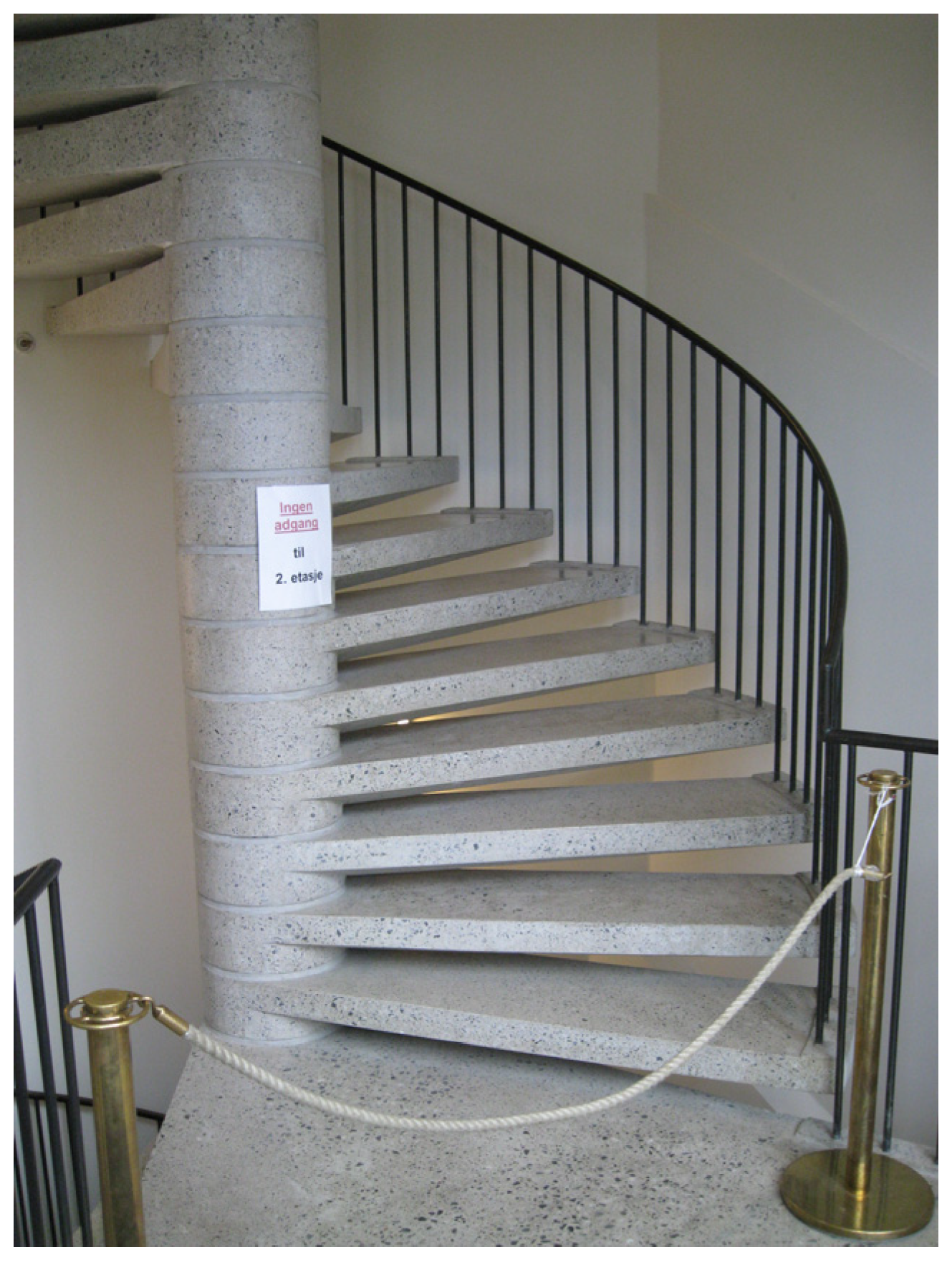
Figure 2.
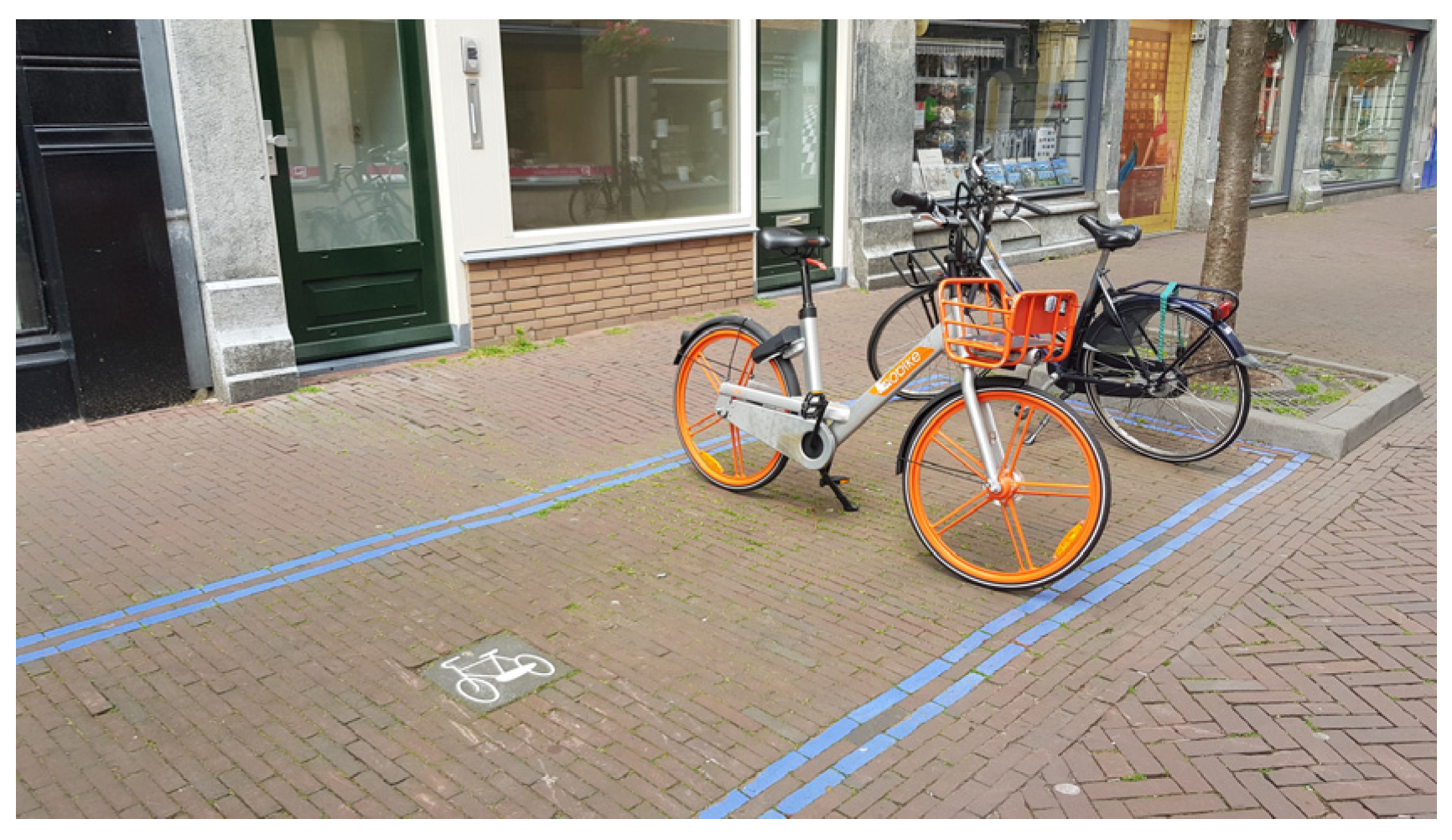

Table 1.
Maximal rise and minimal going in the Dutch and British building codes.
| Dutch | British | |||||
| Residential | Other | Private | Comfortable | Institutional | Disabled, elderly | |
| Going | 220 | 185 | 220 | 240 | 280 | |
| Rise | 188 | 210 | 220 | 190 | 180 | 170 |
Disclaimer/Publisher’s Note: The statements, opinions and data contained in all publications are solely those of the individual author(s) and contributor(s) and not of MDPI and/or the editor(s). MDPI and/or the editor(s) disclaim responsibility for any injury to people or property resulting from any ideas, methods, instructions or products referred to in the content. |
© 2024 by the authors. Licensee MDPI, Basel, Switzerland. This article is an open access article distributed under the terms and conditions of the Creative Commons Attribution (CC BY) license (http://creativecommons.org/licenses/by/4.0/).
Copyright: This open access article is published under a Creative Commons CC BY 4.0 license, which permit the free download, distribution, and reuse, provided that the author and preprint are cited in any reuse.


