

Submitted:
09 January 2025
Posted:
09 January 2025
Read the latest preprint version here
Abstract
The gut microbiome has been the subject of increasing interest as integral to our health. Few realize that the enormous benefits of vitamin D (VD) and magnesium (Mg) are highly dependent on a healthy gut microbiome. Short chain fatty acids, especially butyrate, reflect not only a healthy gut microbiome but also VD status. Suboptimal VD, Mg, or butyrate translates to some degree of gut dysbiosis and vice versa. Mg dependent secondary bile acids, indoles, and tryptophan, all microbial metabolites and longevity agents, are also discussed. Mg is indispensable to not only the synthesis of the active form of VD but also that of 7-dehydrocholesterol (7-DHC) from acetate. 7-DHC is the substrate for solar conversion to D3. The steadily increasing Ca:Mg in the Western diet and its troubling impact on parathormone (PTH) is discussed. Gut dysbiosis further complicates this. A model addressing the seemingly contradictory reports regarding calcium, magnesium, and VD efficacy among disparate groups is presented. Biochemical and physiologic interlinkages are legion and most remain hidden. This limited mini review exposes insight into the tight linkage between 25(OH)D3 and Ca:Mg, facilitated by the gut microbiome. A model incorporating the physiologically discordant but reinforcing effects on this linkage based on genes, culture, socioeconomic status, and diet is proposed.
Keywords:
butyrate
; 25(OH)D3
; intracrine
; socioeconomic
; kynurenine
Introduction
The term VD (VD) is often used indiscriminately. VD in this mini review will be used collectively to include its three forms D3 (cholecalciferol), 25(OH)D3 (storage form), and 1,25(OH)2D (active form). VD [1], Mg [2], and a healthy gut microbiome that produces plenty of short chain fatty acids (SCFAs) [3], secondary bile acids [4], and indoles [2], are all longevity agents. They are also intertwined both directly and indirectly. VD regulates magnesium status as well as that of calcium and phosphate. Many are familiar with the total dependence of VD efficacy, whether of solar or supplemental origin, on adequate Mg. But the vital role of the gut microbiome in potentiating both has only recently been revealed. Gut dysbiosis disrupts the balance of beneficial bacteria and impedes the production of butyrate, secondary bile acids, indoles and many other vital nutrients [5].
Discussion
- I.
- Vitamin D and Magnesium
VD and Mg are inextricably linked in a bidirectional manner. Through PTH VD can regulate the absorption of calcium (Ca) and Mg [6] and the urinary excretion of Ca and Mg. However, Mg is indispensable to the synthesis of VD. It is generally known that Mg is a required cofactor for every enzymatic step in the conversion of D3 aka cholecalciferol to its active form 1,25(OH)2D3, including the binding of D3 or 25(OH)D3 to VDBP (vitamin D binding protein). However, Mg is also required for the synthesis [7] and cAMP mediated secretion [8] of parathormone (PTH) from chief cells in the parathyroid gland. Low plasma Ca driven PTH stimulates VD synthesis and VD driven high plasma Ca inhibits PTH synthesis. Even more importantly the synthesis of 7-dehydrocholesterol (7-DHC), the immediate precursor of cholecalciferol, from acetate is dependent on Mg (see Figure 1). Acetate is provided by either gut microbes or by acetyl CoA, which requires Mg dependent B5 (pantothenate). Vitamins B2 and B3 must be phosphorylated to FAD and NAD respectively to attain active status for the synthesis of 7-DHC. This phosphorylation requires ATP and Mg. Without sufficient 7-DHC the sun is powerless to create D3. This drawback elevates the value of D3 supplementation. Therefore, VD deficiency/insufficiency is a greater risk in the magnesium deficient, and sun exposure may not suffice efforts to address the VD shortfall (see Figure 1).
Optimal 25(OH)D3 is at least 50 ng/mL (120 nmol/L), based on clinical data (see Figure 2). The 20 and 30 ng/mL 25(OH)D3 targets generally recommended are suitable only for rickets and skeletal health, but optimal immune function involves intracrine, autocrine, and paracrine pathways and storage form levels that exceed those adequate for endocrine (hormonal) needs. 25(OH)D3 levels lower than 20ng/mL are considered deficient and those less than 30 ng/mL are considered insufficient.
The two colored curves represent VD associated risks for surgical site infection and hospital acquired infection (immune functions of VD) from the gastric bypass study [10]. The inadequate D3 supplementation distribution figure is from a Covid-19/VD study [11].
The RDA (Recommended Daily Allowance) of 600–800 IUs D3 per day recommended by the National Academy of Sciences Institute of Medicine (IOM) was proven to be off by an order of magnitude in 2014 [12]. This huge error was confirmed by several Canadian and American university research teams. The IOM’s RDA for VD still stands at 600 IUs to 800 IUs (for adults over 70), but their Estimated Average Requirement (EAR) was subsequently raised from 20 ng/mL to 30 ng/mL. EAR + 2SDs = RDA. An increased intake of an order of magnitude, e.g., 8000 IUs of D3 (cholecalciferol), would correlate with a serum level of at least 50 ng/mL [13]. NHANES (National Health and Nutrition Examination Surveys) data between 1988 and 2006 revealed little change in mean serum 25(OH)D3 at about 25 ng/mL [14]. From 2011 to 2018 [15] median 25(OH)D3 went from 27 to 27.5ng/mL .
Regarding the cations Ca++ and Mg++, in the relatively healthy with normal renal function without GI issues and no impacting medications Ca++ is usually about 50% of serum values and Mg++ is usually about 70% of serum values. When midrange values of lab reference limits are compared using these percentages, the resulting ratio for Ca:Mg is very close to 2.0 (mmol comparison), further supporting Durlach’s 2.0 dietary target for Ca:Mg (mg comparison) [16]. Serum Mg is not even offered on a routine chemistry panel. Furthermore, in order to avoid normomagnesemic Mg deficiency aka chronic latent Mg deficit, the lower limit of its normal range for Mg should be raised from 0.75 to 0.85 mM [2,17,18,19,20,21]. In one study trial participants completed a dietary questionnaire that predicted suboptimal magnesium status in 100% of participants . Yet 25% were found to have optimal serum status [22].
Suboptimal Mg status was defined as serum Mg<2.0 mg/dL (0.83 mM). Even increasing the lower limit of normal from 0.75 mM to 0.83 mM does not appear to exclude the 25% with optimal serum Mg predicted to be suboptimal by the questionnaire.
- II.
- Calcium to Magnesium Ratio
Any VD and Mg discussion must include Ca. VD via Ca++ mediated feedback with PTH directly impacts VD mediated Ca and Mg intestinal absorption and renal resorption. Ca and Mg compete for the calcium sensing receptor (CaSR) [23] and PTH responds to both cations in the same direction but not to the same degree. Yet Mg++ often opposes Ca++, e.g., as a Ca channel blocker. Because Ca is more dependent on VD and PTH than Mg, this can create a dilemma. For example, an elevated serum Ca:Mg can inappropriately suppress PTH, depressing Mg absorption and increasing magnesuria. Mg dependent PTH synthesis and secretion further compromise the magnesium shortfall. The Occidental diet is often short Mg and the Oriental is often short calcium. Many are lactose intolerant and eliminate dietary dairy. Durlach in 1989 suggested 2.0 as the optimal Ca:Mg intake ratio [16]. This ratio may parallel the inverse of PTH and reflect VD status. Figure 3 and Figure 4 represent a hypothetical view of this based on
- Increasing Mg intake when Ca:Mg is less than 1.7 increases risk for some cancers [24].
- Low Mg in the setting of elevated Ca:Mg translates to low VD [29]. This can be explained physiologically, as Mg is required for the synthesis and secretion of PTH and upregulation of VD. Elevated Ca also displaces Mg from CaSRs.
- Low Ca in the setting of depressed Ca:Mg is physiologically contradictory to a concomitant low VD. However, this may be explained based on discrepant but mutually reinforcing genetic, cultural, socioeconomic, and dietary considerations. These may complicate and compromise clinical correlations.
- Skin pigmentation is directly linked to VD deficiency [30].
- Cultural customs can drive VD deficiency. Most in the Middle East dress modestly [33] and many Asians are averse to solar exposure.
VD deficiency may be at the root of many health issues exacerbated by a Ca:Mg ratio outside the 1.7-2.3 range [15]. The failure to normalize for Ca:Mg in any study on the efficacy of VD may compromise any conclusions and may sell short this extraordinary micronutrient (see Figure 3).
Regarding the upper limit of the optimal range, one study favored an upper limit of 2.8 [36] and another favored 2.6 [37]. Cancer and CVD together may be bookends for both range limits.
One curious study [38] reported suppression of 25(OH)D3 with Mg supplementation, when baseline 25(OH)D3 exceeded 30ng/mL. However, the Ca:Mg ratios for the placebo and target groups were 3.9 and 3.7 respectively. This suggests that Mg supplementation when Ca:Mg is elevated may inappropriately suppress PTH and with it VD synthesis (and Ca absorption/resorption). Any Mg supplementation when 25(OH)D3 levels exceed that sufficient for skeletal health (30ng/mL) appears to be counterproductive and may compromise immune health. Perhaps in addressing an elevated Ca:Mg lowering Ca intake should precede Mg supplementation. Other studies support the Figure 3 conjecture (see Figure 5). VD loses efficacy for colorectal neoplasms as Ca:Mg exceeds 2.6 [37] and for CVD as Ca:Mg exceeds 2.8 [36].
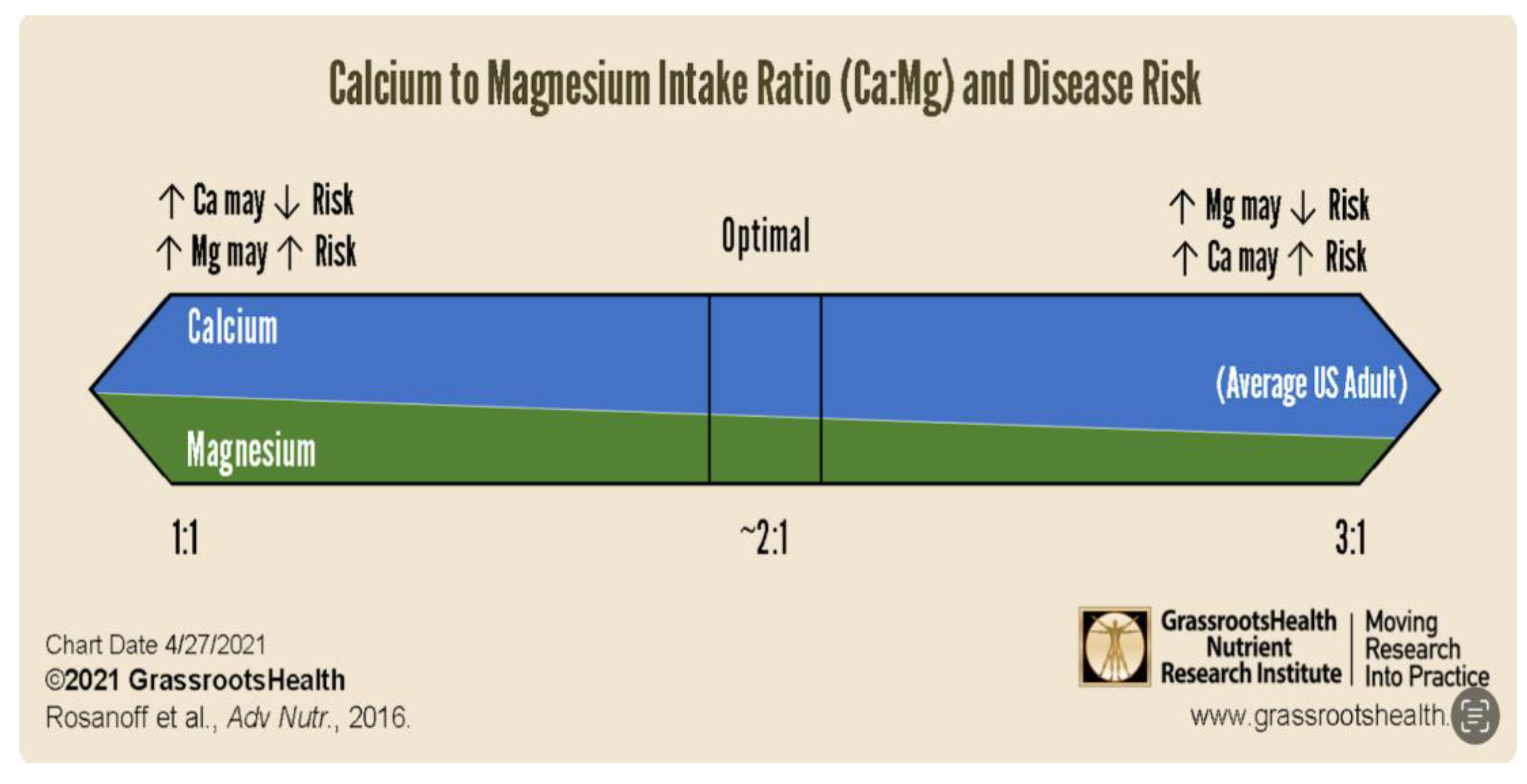
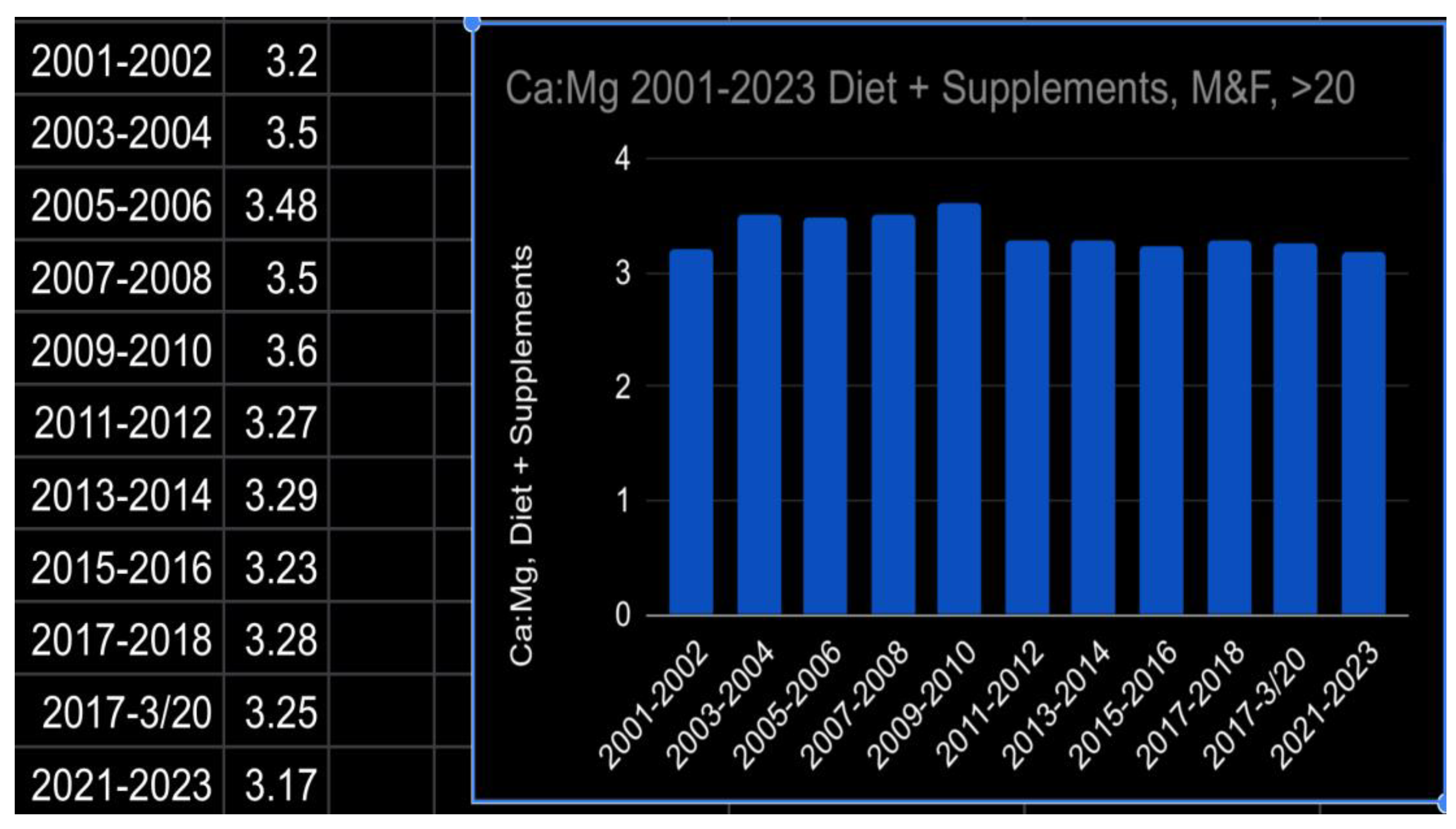
Recent data from NHANES on Ca:Mg based on combined dietary and supplemental intake is sparse. Figure 5 was derived from 2001-23 NHANES data for both genders over age 20, diet only [39]. NHANES data from 2001-2006 [29] yielded a mean daily Ca supplement of 251mg and a mean daily Mg supplementation of 65mg. Total Ca and Mg intake was then derived.
The Covid-19 epidemic demonstrated the importance of this ratio, as one greater than 5.0 was tightly linked to death in Caucasians [40] and one greater than 4.0 was tightly linked to hospitalization [41].
- III.
- Vitamin D and the Gut Microbiome
Although the active form of VD mediates its endocrine, intracrine, autocrine, and paracrine effects, D3 contributes additional benefits. D3 inhibits Candida hyphal morphogenesis [42,43]. The emerging role of the gut microbiome in health and disease and the impact of Candida overgrowth in gut dysbiosis highlights the value of D3. Candida overgrowth can be both cause and effect of gut dysbiosis [44]. In addition the active form 1,25(OH)2D3, but not its storage form 25(OH)D3, most frequently requested lab analyte, is linked to an abundance of butyrate producing bacteria [45], frequently linked to gut health. In fact the active form of VD correlated even more tightly with microbiome diversity. These reported results were adjusted for solar exposure. The active form of VD increases the Bacteroidetes/Firmicutes ratio, especially Akkermansia and Faecalibacterium of the Bacteroidetes phylum, both prominent butyrate producers [46], and increases microbial diversity [47]. VD deficiency and suboptimal gut microbiome are associated with cancer [48], autoimmune disease [49], inflammatory bowel disease,[50], cystic fibrosis [51], multiple sclerosis [52], diabetes [53,54], and depression [55]. Butyrate has an ameliorative effect on dementia [56], cancer prevention/treatment [57], especially colorectal cancer [58], and obesity [59]. The SCFAs acetate, propionate and butyrate are produced from the microbial fermentation of indigestible carbohydrates and are the biomarkers of a healthy gut microbiome [60]. Acetate and propionate producing bacteria can cross feed butyrate-producing bacteria [61].
But improvements in the gut microbiome via increasing D3 supplementation in those already deficient/insufficient are not limited to the symptomatic. Increased serum 25(OH)D was associated with increased beneficial bacteria and decreased pathogenic bacteria [62]. D3 is both therapeutic and prophylactic and appears to possess prebiotic properties [54]. The well known skeletal benefits of VD are in part mediated by butyrate. Butyrate stimulates osteoblastic activity and down-regulates osteoporosis [63], possibly by stimulating the release of PTH [64]. The opposite is also true. Gut dysbiosis is linked with suboptimal VD status [65]. The gut microbiome regulates not only bone homeostasis and bone health [66] but also many extraskeletal functions of VD, e.g., anti cancer, anti diabetes, anti hypertension, anti obesity, anti dementia, anti autoimmunity. Dysbiosis compromises the absorption of D3, Ca, and Mg. The gut Firmicutes/Bacteroidetes ratio is negatively linked to a healthy gut microbiome [67] with suppression of Firmicutes phylum bacteria upon supplementation with 25(OH)D or D3 [68]. VD deficiency also negatively impacts the gut microbiome, compromising B vitamin production. While Mg is required for activation of B2,3,6,9,12, the gut microbiome may fill in for any shortfall [69]. Some intestinal bacteria can produce all eight B vitamins [70] and up to 65% of human gut microorganisms can synthesize at least one type of B vitamin [71].
The few discrepant reports on the efficacy of D3 with respect to the gut microbiome may be due to:
- Lack of baseline data indicating insufficiency/deficiency
- Failure to property separate placebo and target groups by baseline
- Less than 2-3 months between start of D3 supplementation and measurement of results
- Insufficient D3 dosage
- Failure to normalize for Ca:Mg as a confounding factor
- Target group too small
- IV.
- Magnesium and the Gut Microbiome
Primary bile acids are metabolized by Mg dependent CYP450 (Cytochrome P450) enzymes [72] and impact the gut microbiome [73]. Primary bile acids are metabolized to secondary bile acids by intestinal bacteria. Secondary bile acids, associated with longevity, are also Mg dependent [74] and require a healthy gut microbiome. Both SCFAs and secondary bile acids independently exert a myriad of beneficial effects on host health [75].
Recently the vital role of aryl hydrocarbon receptors (AhRs) in aging [76], dementia, autoimmune disease, cancer [77], and ASCVD [78] has been recognized. AhR activity is dependent on its ligands. Kynurenines are AhR ligands that accelerate aging and neurodegeneration, while butyrates and indoles of intestinal bacterial origin are AhR ligands that oppose this [76] and promote longevity. Indoles are longevity agents produced by gut microbiota. Their healthful benefits depend on the aryl hydrocarbon receptor (AhR) [79]. Not only are indoles and butyrate AhR ligands [80],
but their subsequent AhR activation induces Mg dependent cytochrome CYP450 enzymes that facilitate gut absorption of indoles [81]. All CYP450 enzymes are Mg dependent [72]. Like Ozempic, butyrate is also a GLP-1 (glucagon-like peptide) agonist [82], albeit natural. Both are longevity indicators. Probiotics, rich in butyrogenic bacteria, are also associated with longevity [83] and Mg enhances their efficacy [84]. Butyrate produced by gut bacteria via vagal afferents may increase HRV [85,86], linked to longevity.
Gut microbiota cannot produce SCFAs in the absence of Mg [87], but they can produce tryptophan [88], another longevity agent. Candida yeast and hyphal forms produce their own form of IDO [89] that competes with host IDO. It enhances degradation of tryptophan to kynurenine (K/T) and accelerates the kynurenine pathway, increasing K/T, especially under the direction of interferon-gamma [90]. Any shortfall in Mg can increase subsequent neurotoxic metabolites and decrease NAD+ production [2]. The K/T ratio is negatively linked to the health of the gut microbiome [90]. Lactobacilli and Bifidobacteria boost plasma tryptophan levels [88]. They also produce lactate, which can crossfeed butyrogenic bacteria [91]. Gut microbes provide most of our circulating tryptophan. However, in order to absorb it intestinal epithelial cells rely on B0AT, a neutral or nonpolar amino acid transporter, that works in concert with ACE2 receptors [92]. This puts those with Covid-19, long Covid, or Candida overgrowth at risk for gut dysbiosis, compromising the enormous benefits of VD and Mg.
- V.
- Therapeutic Interventions
- 1.
- Probiotics, e.g., yogurt, alone are insufficient, if diet is suboptimal. The “good” bacteria must be fed and require fiber or indigestible carbohydrates, i.e., prebiotic, e.g., d-mannose. Butyrate is a commercially available postbiotic
- 2.
- Target a Ca:Mg of 2.0, either by weight of intake or by serum cation mM values. If elevated, lower dietary Ca, e.g., dairy products, sardines, first and then increase dietary Mg, e.g., nuts, seeds, leafy greens, avocados. The damage due to an elevated ratio is greatly underappreciated [38]
- 3.
- 4.
- Take supplemental Mg with pyridoxal phosphate and perhaps D3, the active form of B6. Mg is required for the hydroxylation of D3 in the liver (storage form). Taking pyridoxal phosphate concomitantly with magnesium can enhance absorption and availability of magnesium [95,96]. Not only does pyridoxal phosphate enhance cellular uptake of magnesium but magnesium enhances that of pyridoxal phosphate [97]. Several studies have challenged this [98,99]. But both employed the inactive form - pyridoxine.
- 5.
- Avoid simultaneous Ca and Mg intake. Although CaSRs are primarily found in the parathyroid gland and the kidney, they are also present in many other organs, including the alimentary canal [100].
- 6.
- Avoid simultaneous processed food/soft drinks and Mg intake. The former contain phosphates, which bind magnesium, limiting absorption.
- 7.
- Exercise induced elevation of lactate may enhance serum butyrate. Lactate may permeate intestinal endothelial and epithelial cells into the alimentary canal, where it can crossfeed butyrogenic bacteria [91].
- 8.
- Pay close attention to proper hydration. Dehydration triggers release of aldosterone, which increases renal reabsorption of Na+ and urinary excretion of Mg++ and K+. Cortisol possesses similar aldosterone properties and can to a lesser degree trigger this same cationic exchange. Stress induced cortisol can lead to Mg deficiency, while magnesium deficiency in turn enhances the body’s susceptibility to stress [101].
- 9.
- Increase VD intake with age and increasing morbidity.
- 10.
- Replenish water soluble B vitamins that require Mg for activation and are required for synthesis of 7-dehydrocholesterol from acetate, enabling solar conversion to D3, (see Figure 1).
Conclusions
Magnesium may be to VD what the gut microbiome is to general health. One is indispensable to the other. This review presents benefits of VD and magnesium on gut microbiome dependent longevity agents. Many indirect benefits of this partnership are not included, e.g., maintenance of intestinal integrity [84,102]. VD and magnesium are inextricably entwined. Thirty ng/mL of 25(OH)D3 and 0.75 mg/dL of Mg are insufficient. Mg is indispensable for not only the synthesis of VD’s solar substrate and the storage/active forms of VD from D3 but also the synthesis and secretion of PTH. A healthy gut microbiome is also required to fully realize the benefits of both. Furthermore, there are many other gut microbiome related micronutrients and vitamins that depend on VD and Mg for their healthful effects and vice versa. Indeed there are myriad extraskeletal and extra-intestinal benefits of both.
The interdependencies are both legion and complex. Many have only recently been discovered and much remains hidden. The balance between Ca and Mg is increasingly recognized as critical to attaining optimal levels of 25(OH)D3 (see Figure 3). Traditional graphs demonstrate a hyperbolic curve with PTH decreasing as 25(OH)D3 increases. But Figure 3 appears to contradict this, when Ca:Mg is greater than 3.5. Insufficient Mg translates to insufficient PTH synthesis (for feedback inhibition of Ca absorption/resorption) and insufficient Mg for synthesis of VD => elevated Ca:Mg, depressed 25(OH)D3 and PTH. On the other hand, insufficient Ca should trigger PTH secretion, but genetic, cultural, socioeconomic, and dietary conditions may conspire to deny the intake of Ca and/or VD (or its synthesis) => depressed Ca:Mg, depressed 25(OH)D3, elevated PTH (see Figure 3 and Figure 4). The vertical axis on Figure 3 may also directly reflect gut microbiome quality and optimal health (see Figure 5).
Figure 5.
This figure is from Rosanoff et al. [103].
Figure 5.
This figure is from Rosanoff et al. [103].
The contributions of the gut microbiome are massively underappreciated. The increasingly sedentary Western lifestyle, the deteriorating quality of food, the abundant use of antibiotics and certain other medications, e.g., proton pump inhibitors and some antihypertensives, have conspired to challenge the quality of our gut microbiome. Not surprisingly the benefits of fecal microbiota transplantation have rapidly expanded from its initial treatment for fulminant pseudomembranous colitis due to Clostridium difficile to an emerging tool for alleviating diseases related to a problematic gut microbiome. VD efficacy is tightly linked to Ca:Mg and VD studies that normalize for race, ethnicity, culture, socioeconomic status, and diet may be more elucidating.
References
- Fantini C, Corinaldesi C, Lenzi A, Migliaccio S, Crescioli C. Vitamin D as a Shield against Aging. International Journal of Molecular Sciences. 2023; 24(5):4546. [CrossRef]
- Chambers, P. (2024). Magnesium and Longevity. Qeios. [CrossRef]
- Badal VD, Vaccariello ED, Murray ER, Yu KE, Knight R, Jeste DV, Nguyen TT. The Gut Microbiome, Aging, and Longevity: A Systematic Review. Nutrients. 2020; 12(12):3759. [CrossRef]
- Bidell MR, Hobbs ALV, Lodise TP. Gut microbiome health and dysbiosis: A clinical primer. Pharmacotherapy. 2022 Nov;42(11):849-857. [CrossRef]
- Martinez JE, Kahana DD, Ghuman S, Wilson HP, Wilson J, Kim SCJ, Lagishetty V, Jacobs JP, Sinha-Hikim AP, Friedman TC. Unhealthy Lifestyle and Gut Dysbiosis: A Better Understanding of the Effects of Poor Diet and Nicotine on the Intestinal Microbiome. Front Endocrinol (Lausanne). 2021 Jun 8;12:667066. [CrossRef]
- Norman DA, Fordtran JS, Brinkley LJ, Zerwekh JE, Nicar MJ, Strowig SM; et al. Jejunal and ileal adaptation to alterations in dietary calcium: Changes in calcium and magnesium absorption and pathogenetic role of parathyroid hormone and 1,25-dihydroxyvitamin D. J Clin Invest. 1981 Jun;67(6):1599-603. [CrossRef]
- Mahaffee DD, Cooper CW, Ramp WK, Ontjes DA. Magnesium promotes both parathyroid hormone secretion and adenosine 3’,5’-monophosphate production in rat parathyroid tissues and reverses the inhibitory effects of calcium on adenylate cyclase. Endocrinology. 1982 Feb;110(2):487-95. [CrossRef]
- Brown EM, Hurwitz S, Aurbach GD. Beta-adrenergic stimulation of cyclic AMP content and parathyroid hormone release from isolated bovine parathyroid cells. Endocrinology. 1977 Jun;100(6):1696-702. [CrossRef]
- Figure 2 graph of infection versus 25(OH)D3 level may be viewed at https://vitamindstopscovid.info/02-intracrine/.
- Quraishi SA, Bittner EA, Blum L, Hutter MM, Camargo CA. Association Between Preoperative 25-Hydroxyvitamin D Level and Hospital-Acquired Infections Following Roux-en-Y Gastric Bypass Surgery. JAMA Surg.2014;149(2):112–118. [CrossRef]
- Israel A, Cicurel A, Feldhamer I; et al. The link between vitamin D deficiency and Covid-19 in a large population. medRxiv; 2020. [CrossRef]
- Veugelers, P.J.; Ekwaru, J.P. A statistical error in the estimation of the recommended dietary allowance for vitamin D. Nutrients 2014, 6, 4472–4475. [Google Scholar] [CrossRef] [PubMed]
- Chamberlain, P. Comment on Huțanu et al. Low Serum Vitamin D in COVID-19 Patients Is Not Related to Inflammatory Markers and Patients’ Outcomes—A Single-Center Experience and a Brief Review of the Literature. Nutrients 2022, 14, 1998. [Google Scholar] [CrossRef]
- Sempos CT, Looker AC, Durazo-Arvizu RA, Yetley EA, Chaudhary-Webb M, Maw KL; et al. The vitamin D status of the US population from 1988 to 2010 using standardized serum concentrations of 25-hydroxyvitamin D shows recent modest increases. Am J Clin Nutr. 2016 Aug;104(2):454-61. [CrossRef]
- Subramanian A, Burrowes HB, Rumph JT, Wilkerson J, Jackson CL, Jukic AMZ. Vitamin D Levels in the United States: Temporal Trends (2011-2018) and Contemporary Associations with Sociodemographic Characteristics (2017-2018). Nutrients. 2024 Oct 9;16(19):3414. [CrossRef]
- Durlach, J. Recommended dietary amounts of magnesium: Mg RDA. Magnes Res. 1989 Sep;2(3):195-203. https://pubmed.ncbi.nlm.nih.gov/2701269/.
- 18 Costello RB, Elin RJ, Rosanoff A, Wallace TC, Guerrero-Romero F, Hruby A; et al. Perspective: The Case for an Evidence-Based Reference Interval for Serum Magnesium: The Time Has Come. Adv Nutr. 2016;7:977–993. [CrossRef]
- Razzaque, MS. Magnesium: Are We Consuming Enough? Nutrients. 2018;10(12):1863. [CrossRef]
- Elin, RJ. Assessment of magnesium status for diagnosis and therapy. Magnes Res. 2010 Dec;23(4):S194-8. [CrossRef]
- Micke O, Vormann J, Kraus A, Kisters K. Serum Magnesium: Time for a Standardized and Evidence-Based Reference Range. Magnetic Resonance. 2021;34:84-89. https://www.magnesium-ges.de/Micke_et_al._2021.pdf.
- Rosanoff A, West C, Elin RJ, Micke O, Baniasadi S, Barbagallo M; et al. MaGNet Global Magnesium Project (MaGNet). Recommendation on an updated standardization of serum magnesium reference ranges. Eur J Nutr. 2022 Oct;61(7):3697-3706. [CrossRef]
- Weiss D, Brunk DK, Goodman DA. “Scottsdale Magnesium Study: Absorption, Cellular Uptake, and Clinical Effectiveness of a Timed-Release Magnesium Supplement in a Standard Adult Clinical Population”. J Am Coll Nutr. 2018;37(4):316-327. [CrossRef]
- Quinn SJ, Thomsen AR, Egbuna O, Pang J, Baxi K, Goltzman D, Pollak M, Brown EM. CaSR-mediated interactions between calcium and magnesium homeostasis in mice. Am J Physiol Endocrinol Metab. 2013 Apr 1;304(7):E724-33. [CrossRef]
- Shah SC, Dai Q, Zhu X, Peek RM Jr, Roumie C, Shrubsole MJ. Associations between calcium and magnesium intake and the risk of incident oesophageal cancer: An analysis of the NIH-AARP Diet and Health Study prospective cohort. Br J Cancer. 2020 Jun;122(12):1857-1864. [CrossRef]
- Han, C. , Shin, A., Lee, J. et al. Dietary calcium intake and the risk of colorectal cancer: A case control study. BMC Cancer 15, 966 (2015). [CrossRef]
- Takata Y, Yang JJ, Yu D, Smith-Warner SA, Blot WJ, White E; et al. Calcium Intake and Lung Cancer Risk: A Pooled Analysis of 12 Prospective Cohort Studies. J Nutr. 2023 Jul;153(7):2051-2060. [CrossRef]
- Huang, JH. , Tsai, LC., Chang, YC. et al. High or low calcium intake increases cardiovascular disease risks in older patients with type 2 diabetes. Cardiovasc Diabetol 13, 120 (2014). [CrossRef]
- Hyung-Suk Yoon, Xiao Ou Shu, Hui Cai, Wei Zheng, William J. Blot, Qiuyin Cai; Abstract 851: Associations of dietary calcium and magnesium intakes with lung cancer risk among low-income Americans: Results from the Southern Community Cohort Study. Cancer Res ; 81 (13_Supplement): 851. 1 July. [CrossRef]
- Deng, X. , Song, Y., Manson, J.E. et al. Magnesium, vitamin D status and mortality: Results from US National Health and Nutrition Examination Survey (NHANES) 2001 to 2006 and NHANES III. BMC Med 11, 187 (2013). [CrossRef]
- Ken Batai, Zuxi Cui, Amit Arora, Ebony Shah-Williams, Wenndy Hernandez, Maria Ruden; et al. Genetic loci associated with skin pigmentation in African Americans and their effects on vitamin D deficiency. e: PLOS Genetics, 2021; 17 (2), 2021. [CrossRef]
- Scully H, Laird E, Healy M, Crowley V, Walsh JB, McCarroll K. Socioeconomic status predicts vitamin D status in a large cohort of Irish children. Proceedings of the Nutrition Society. 2022;81(OCE4):E87. [CrossRef]
- Tønnesen, R. , Hovind, P.H., Jensen, L.T. et al. Determinants of vitamin D status in young adults: Influence of lifestyle, sociodemographic and anthropometric factors. BMC Public Health 16, 385 (2016). [CrossRef]
- Hussein, Dahat A. et al. “Pattern of vitamin D deficiency in a Middle Eastern population: A cross-sectional study. 2022. [CrossRef]
- Darling, A.L.; et al. (2020) Very High Prevalence of 25-hydroxyvitamin D Deficiency in 6433 UK South Asian adults: Analysis of the UK Biobank Cohort. British Journal of Nutrition. doi.org/10.1017/S0007114520002779.
- Chan, Chin Yi et al. “Attitude of Asians to Calcium and Vitamin D Rich Foods and Supplements: A Systematic Review.” Sains Malaysiana (2018):. [CrossRef]
- Rosanoff A, Dai Q, Shapses SA. Essential Nutrient Interactions: Does Low or Suboptimal Magnesium Status Interact with Vitamin D and/or Calcium Status? Adv Nutr. 2016 Jan 15;7(1):25-43. [CrossRef]
- Dai Q, Sandler R, Barry E, Summers R, Grau M, Baron J. Calcium, magnesium, and colorectal cancer. Epidemiology. 2012 May;23(3):504-5. [CrossRef]
- Dai, Q. , Zhu, X., Manson, J.E., Song, Y., Li, X., Franke, A.; et al. (2018) Magnesium Status and Supplementation Influence Vitamin D Status and Metabolism: Results from a Randomized Trial. The American Journal of Clinical Nutrition, 108, 1249-1258. [Google Scholar] [CrossRef]
- NHANES data for nutrient intake by gender and age from 2001 through Aug 2023 https://www.ars.usda.gov/northeast-area/beltsville-md-bhnrc/beltsville-human-nutrition-research-center/food-surveys-research-group/docs/wweia-data-tables/.
- Guerrero-Romero F, Mercado M, Rodriguez-Moran M, Ramírez-Renteria C, Martínez-Aguilar G, Marrero-Rodríguez D, Ferreira-Hermosillo A, Simental-Mendía LE, Remba-Shapiro I, Gamboa-Gómez CI; et al. Magnesium-to-Calcium Ratio and Mortality from COVID-19. Nutrients. 2022; 14(9):1686. [CrossRef]
- Díez JJ, Iglesias P, García A, Martín-Casasempere I, Bernabéu-Andréu FA. Serum Calcium, Magnesium, and Phosphorus Levels in Patients with COVID-19: Relationships with Poor Outcome and Mortality. Horm Metab Res. 2023 Jan;55(1):31-39. [CrossRef]
- Kherad Z, Yazdanpanah S, Saadat F, Pakshir K, Zomorodian K. Vitamin D3: A promising antifungal and antibiofilm agent against Candida species. Curr Med Mycol. 2023 Jun;9(2):17-22 https://pmc.ncbi.nlm.nih.gov/articles/PMC10874479/.
- Lei J, Xiao W, Zhang J, Liu F, Xin C, Zhou B, Chen W, Song Z. Antifungal activity of vitamin D3 against Candida albicans in vitro and in vivo. Microbiol Res. 2022 Dec;265:127200. [CrossRef]
- Jawhara, S. How Gut Bacterial Dysbiosis Can Promote Candida albicans Overgrowth during Colonic Inflammation. Microorganisms. 2022; 10(5):1014. [CrossRef]
- Thomas, R.L. , Jiang, L., Adams, J.S. et al. Vitamin D metabolites and the gut microbiome in older men. Nat Commun 11, 5997 (2020). [CrossRef]
- Tangestani H, Boroujeni HK, Djafarian K, Emamat H, Shab-Bidar S. Vitamin D and The Gut Microbiota: A Narrative Literature Review. Clin Nutr Res. 2021 Jul;10(3):181-191. [CrossRef]
- Singh, P. , Rawat, A., Alwakeel, M. et al. The potential role of vitamin D supplementation as a gut microbiota modifier in healthy individuals. Sci Rep 10, 21641 (2020). [CrossRef]
- Evangelos, Giampazolias; et al. Vitamin D regulates microbiome-dependent cancer immunity.Science384,428-437(2024). [CrossRef]
- Yamamoto EA, Jørgensen TN. Relationships Between Vitamin D, Gut Microbiome, and Systemic Autoimmunity. Front Immunol. 2020 Jan 21;10:3141. [CrossRef]
- Tabatabaeizadeh, SE, Tafazoli, N, Ferns, GA, Avan, A, Ghayour-Mobarhan M. Vitamin D, the gut microbiome and inflammatory bowel disease. Journal of Research in Medical Sciences 23(1):p 75. [CrossRef]
- Kanhere, M, He, J, Chassaing, B, Ziegler, TR, Alvarez, JA, Ivie, EA; et al. Bolus Weekly Vitamin D3 Supplementation Impacts Gut and Airway Microbiota in Adults With Cystic Fibrosis: A Double-Blind, Randomized, Placebo-Controlled Clinical Trial, The Journal of Clinical Endocrinology & Metabolism, Volume 103, Issue 2, 18, Pages 564–574. 20 February. [CrossRef]
- Cantarel BL, Waubant E, Chehoud C, Kuczynski J, DeSantis TZ, Warrington J, Venkatesan A, Fraser CM, Mowry EM. Gut microbiota in multiple sclerosis: Possible influence of immunomodulators. J Investig Med. 2015 Jun;63(5):729-34. [CrossRef]
- Velizarova, M. , Yanachkova, V., Boneva, T., Giragosyan, S., Mihaleva, I., Andreeva-Gateva, P.; et al. (2023). Relationship between Vitamin D status and microbiome changes in Bulgarian patients with type 2 diabetes mellitus. Biotechnology & Biotechnological Equipment, 37(1). [CrossRef]
- Daley DK, Myrie SB. Diabetes and vitamin D: The effect of insulin sensitivity and gut microbial health. Adv Food Nutr Res. 2024;109:160-184. [CrossRef]
- Breuling M, Tomeva E, Ivanovic N, Haslberger A. Butyrate- and Beta-Hydroxybutyrate-Mediated Effects of Interventions with Pro- and Prebiotics, Fasting, and Caloric Restrictions on Depression: A Systematic Review and Meta-Analysis. Life. 2024; 14(7):787. [CrossRef]
- Wang, C. , Zheng, D., Weng, F. et al. Sodium butyrate ameliorates the cognitive impairment of Alzheimer’s disease by regulating the metabolism of astrocytes.Psychopharmacology 239, 215–227 (2022). [CrossRef]
- Chen J, Zhao K-N, Vitetta L. Effects of Intestinal Microbial–Elaborated Butyrate on Oncogenic Signaling Pathways. Nutrients. 2019; 11(5):1026. [CrossRef]
- Zhang Y, Tao Y, Gu Y, Ma Q. Butyrate facilitates immune clearance of colorectal cancer cells by suppressing STAT1-mediated PD-L1 expression. Clinics (Sao Paulo). 2023 Nov 4;78:100303. [CrossRef]
- Coppola S, Avagliano C, Calignano A, Berni Canani R. The Protective Role of Butyrate against Obesity and Obesity-Related Diseases. Molecules. 2021; 26(3):682. [CrossRef]
- Blaak EE, Canfora EE, Theis S, Frost G, Groen AK, Mithieux G; et al. Short chain fatty acids in human gut and metabolic health. Benef Microbes. 2020 Sep 1;11(5):411-455. https://doiorg/10.3920/BM2020.0057.
- Facchin S, Bertin L, Bonazzi E, Lorenzon G, De Barba C, Barberio B, Zingone F, Maniero D, Scarpa M, Ruffolo C; et al. Short-Chain Fatty Acids and Human Health: From Metabolic Pathways to Current Therapeutic Implications. Life. 2024; 14(5):559. [CrossRef]
- Charoenngam N, Shirvani A, Kalajian TA, Song A, Holick MF. The Effect of Various Doses of Oral Vitamin D3 Supplementation on Gut Microbiota in Healthy Adults: A Randomized, Double-blinded, Dose-response Study. Anticancer Res. 2020 Jan;40(1):551-556. [CrossRef]
- Cooney OD, Nagareddy PR, Murphy AJ, Lee MKS. Healthy Gut, Healthy Bones: Targeting the Gut Microbiome to Promote Bone Health. Front Endocrinol (Lausanne). 2021 Feb 19;11:620466. [CrossRef]
- Roberto Pacifici, Role of Gut Microbiota in the Skeletal Response to PTH, The Journal of Clinical Endocrinology & Metabolism, Volume 106, Issue 3, 21, pp 636–645. 20 March. [CrossRef]
- Su D, Nie Y, Zhu A, Chen Z, Wu P, Zhang L; et al. Vitamin D Signaling through Induction of Paneth Cell Defensins Maintains Gut Microbiota and Improves Metabolic Disorders and Hepatic Steatosis in Animal Models. Front Physiol. 2016 Nov 15;7:498. [CrossRef]
- Hansdah, K. , Lui, JC. Emerging Insights into the Endocrine Regulation of Bone Homeostasis by Gut Microbiome, Journal of the Endocrine Society, Volume 8, Issue 8, 24, bvae117. 20 August. [CrossRef]
- Rinninella E, Raoul P, Cintoni M, Franceschi F, Miggiano GAD, Gasbarrini A, Mele MC. What is the Healthy Gut Microbiota Composition? A Changing Ecosystem across Age, Environment, Diet, and Diseases. Microorganisms. 2019 Jan 10;7(1):14. [CrossRef]
- Bellerba F, Muzio V, Gnagnarella P, Facciotti F, Chiocca S, Bossi P, Cortinovis D, Chiaradonna F, Serrano D, Raimondi S; et al. The Association between Vitamin D and Gut Microbiota: A Systematic Review of Human Studies. Nutrients. 2021; 13(10):3378. [CrossRef]
- Gominak, SC. Vitamin D deficiency changes the intestinal microbiome reducing B vitamin production in the gut. The resulting lack of pantothenic acid adversely affects the immune system, producing a “pro-inflammatory” state associated with atherosclerosis and autoimmunity. Med Hypotheses. 2016 Sep;94:103-7. [CrossRef]
- Wibowo, S. , & Pramadhani, A. (2024). Vitamin B, Role of Gut Microbiota and Gut Health. IntechOpen. [CrossRef]
- Nysten, J. , & Van Dijck, P. (2023). Can we microbe-manage our vitamin acquisition for better health? PLoS Pathogens 19(5). [CrossRef]
- Mansmann, H.C. (1994). Consider magnesium homeostasis: III: Cytochrome P450 enzymes and drug toxicity. Applied Immunohistochemistry & Molecular Morphology, 8, 7-28. https://www.liebertpub.com/doi/abs/10.1089/pai.1994.8.7.
- Collins, S.L. , Stine, J.G., Bisanz, J.E. et al. Bile acids and the gut microbiota: Metabolic interactions and impacts on disease. Nat Rev Microbiol 21, 236–247 (2023). [CrossRef]
- Ji S, Pan Y, Zhu L, Tan J, Tang S, Yang Q, Zhang Z, Lou D, Wang B. A novel 7α-hydroxysteroid dehydrogenase: Magnesium ion significantly enhances its activity and thermostability. Int J Biol Macromol. 2021 Apr 30;177:111-118. [CrossRef]
- Kim, D.M. , Liu, J., Whitmore, M.A. et al. Two intestinal microbiota-derived metabolites, deoxycholic acid and butyrate, synergize to enhance host defense peptide synthesis and alleviate necrotic enteritis. J Animal Sci Biotechnol 15, 29 (2024). [CrossRef]
- Ojo ES, Tischkau SA. The Role of AhR in the Hallmarks of Brain Aging: Friend and Foe. Cells. 2021 Oct 13;10(10):2729. https//doi.org/10.3390/cells10102729.
- Wang Z, Snyder M, Kenison JE, Yang K, Lara B, Lydell E; et al. How the AhR Became Important in Cancer: The Role of Chronically Active AhR in Cancer Aggression. International Journal of Molecular Sciences. 2020 Dec 31;22(1):387. [CrossRef]
- Zhu K, Meng Q, Zhang Z, Yi T, He Y, Zheng J, Lei W. Aryl hydrocarbon receptor pathway: Role, regulation and intervention in atherosclerosis therapy (Review). Molecular Medicine Reports. 2019 Dec;20(6):4763-4773. https://doi.org10.3892/mmr.2019.10748.
- Koper JEB, Kortekaas M, Loonen LMP, Huang Z, Wells JM, Gill CIR ; et al. Aryl hydrocarbon Receptor activation during in vitro and in vivo digestion of raw and cooked broccoli (brassica oleracea var. Italica). Food Funct. 2020 ;11(5):4026-4037. 1 May. [CrossRef]
- Marinelli, L. , Martin-Gallausiaux, C., Bourhis, JM. et al. Identification of the novel role of butyrate as AhR ligand in human intestinal epithelial cells. Sci Rep 9, 643 (2019). [CrossRef]
- Li X, Zhang B, Hu Y, Zhao Y. New Insights Into Gut-Bacteria-Derived Indole and Its Derivatives in Intestinal and Liver Diseases. Front Pharmacol. 2021 Dec 13;12:769501. [CrossRef]
- Gribble FM, Reimann F. Metabolic Messengers: Glucagon-like peptide 1. Nat Metab. 2021;3:142–148. [CrossRef]
- Chaudhary P, Kathuria D, Suri S, Bahndral A, Kanthi Naveen A. Probiotics- its functions and influence on the ageing process: A comprehensive review. Food Bioscience. 2023;52:102389. https://doi.ofrg/10.1016/j.fbio.2023.102389.
- Mahboobi S, Ghasvarian M, Ghaem H, Alipour H, Alipour S, Eftekhari MH. Effects of probiotic and magnesium co-supplementation on mood, cognition, intestinal barrier function and inflammation in individuals with obesity and depressed mood: A randomized, double-blind placebo-controlled clinical trial. Front Nutr. 2022 Sep 28;9:1018357. [CrossRef]
- Seefeldt JM, Homilius C, Hansen J, Lassen TR, Jespersen NR, Jensen RV; et al. Short-Chain Fatty Acid Butyrate Is an Inotropic Agent With Vasorelaxant and Cardioprotective Properties. Journal of the American Heart Association: Cardiovascular and Cerebrovascular Disease. 2024;13. [CrossRef]
- Yu Z, Han J, Chen H, Wang Y, Zhou L, Wang M; et al. Oral Supplementation With Butyrate Improves Myocardial Ischemia/Reperfusion Injury via a Gut-Brain Neural Circuit. Front Cardiovasc Med. 2021 Sep 23;8:718674. [CrossRef]
- Sasaki H, Hayashi K, Imamura M, Hirota Y, Hosoki H, Nitta L; et al. Combined resistant dextrin and low-dose Mg oxide administration increases short-chain fatty acid and lactic acid production by gut microbiota. J Nutr Biochem. 2023 Oct;120:109420. [CrossRef]
- Hou Y, Li J, Ying S. Tryptophan Metabolism and Gut Microbiota: A Novel Regulatory Axis Integrating the Microbiome, Immunity, and Cancer. Metabolites. 2023; 13(11):1166.), an essential amino acid, also associated with longevity. [CrossRef]
- Kherad Z, Yazdanpanah S, Saadat F, Pakshir K, Zomorodian K. Vitamin D3: A promising antifungal and antibiofilm agent against Candida species. Curr Med Mycol. 2023 Jun;9(2):17-22. https://pubmed.ncbi.nlm.nih.gov/38375518/.
- Campbell BM, Charych E, Lee AW, Möller T. Kynurenines in CNS disease: Regulation by inflammatory cytokines. Front Neurosci. 2014 Feb 6;8:12. [CrossRef]
- Louis P, Duncan SH, Sheridan PO, Walker AW, Flint HJ (2022). “Microbial lactate utilisation and the stability of the gut microbiome.” Gut Microbiome. 3: e3. [CrossRef]
- Li, J. , Yan, Y., Fu, Y. et al. ACE2 mediates tryptophan alleviation on diarrhea by repairing intestine barrier involved mTOR pathway. Cell Mol Biol Lett 29, 90 (2024). [CrossRef]
- Wimalawansa, SJ. Physiology of Vitamin D—Focusing on Disease Prevention. Nutrients. 2024; 16(11):1666. [CrossRef]
- AlHewishel M A, Bahgat M, Al Huwaiyshil A; et al. (, 2020) 25(OH)D Serum Level in Non-Diabetic and Type II Diabetic Patients: A Cross-Sectional Study. Cureus 12(6): e8910. 29 June. [CrossRef]
- Abraham GE, Schwartz UD, Lubran MM (1981) Effect of vitamin B-6 on plasma and red blood cell magnesium levels in premenopausal women. Ann Clin Lab Sci 11(4):333-336 https://pubmed.ncbi.nlm.nih.gov/7271227.
- Boylan LM, Spallholz JE (1990) In vitro evidence for a relationship between magnesium and vitamin B-6. Magnes Res 3:79-85 https://pubmed.ncbi.nlm.nih.gov/2133627.
- Planells E, Lerma A, Sánchez-Morito N, Aranda P, LLopis J (1997) Effect of magnesium deficiency on vitamin B2 and B6 status in the rat. 3: J Am Coll Nutr 16(4). [CrossRef]
- Noah L, Pickering G, Dubray C, Mazur A, Hitier S; et al. (2020) Effect of vitamin B6 supplementation, in combination with magnesium, on severe stress and magnesium status: Secondary analysis from an RCT. [CrossRef]
- Pouteau E, Kabir-Ahmadi M, Noah L, Mazur A, Dye L; et al. (2018) Superiority of magnesium and vitamin B6 over magnesium alone on severe stress in healthy adults with low magnesemia: A randomized, single-blind clinical trial. PLoS ONE, 0208. [CrossRef]
- Ohsu T, Amino Y, Nagasaki H, Yamanaka T, Takeshita S, Hatanaka T; et al. (10). Involvement of the calcium-sensing receptor in human taste perception. The Journal of Biological Chemistry. 285 (2): 1016–1022. 20 January. [CrossRef]
- Pickering G, Mazur A, Trousselard M, Bienkowski P, Yaltsewa N, Amessou M, Noah L, Pouteau E. Magnesium Status and Stress: The Vicious Circle Concept Revisited. Nutrients. 2020 Nov 28;12(12):3672. [CrossRef]
- Akimbekov NS, Digel I, Sherelkhan DK, Lutfor AB, Razzaque MS. Vitamin D and the Host-Gut Microbiome: A Brief Overview. Acta Histochem Cytochem. 2020 Jun 26;53(3):33-42. [CrossRef]
- Rosanoff A, Dai Q, Shapses SA. Essential Nutrient Interactions: Does Low or Suboptimal Magnesium Status Interact with Vitamin D and/or Calcium Status? Adv Nutr. 2016 Jan 15;7(1):25-43. [CrossRef]
Figure 1.
All enzymes that produce the active form of VD (1,25(OH)2D3) from D3, including binding to the transport protein, synthesis of PTH, and secretion of PTH, are Mg dependent. Many enzymes and cofactors involved in the synthesis of 7-dehydrocholesterol from acetate are also Mg dependent. 7-DHC=7-dehydrocholesterol.
Figure 1.
All enzymes that produce the active form of VD (1,25(OH)2D3) from D3, including binding to the transport protein, synthesis of PTH, and secretion of PTH, are Mg dependent. Many enzymes and cofactors involved in the synthesis of 7-dehydrocholesterol from acetate are also Mg dependent. 7-DHC=7-dehydrocholesterol.
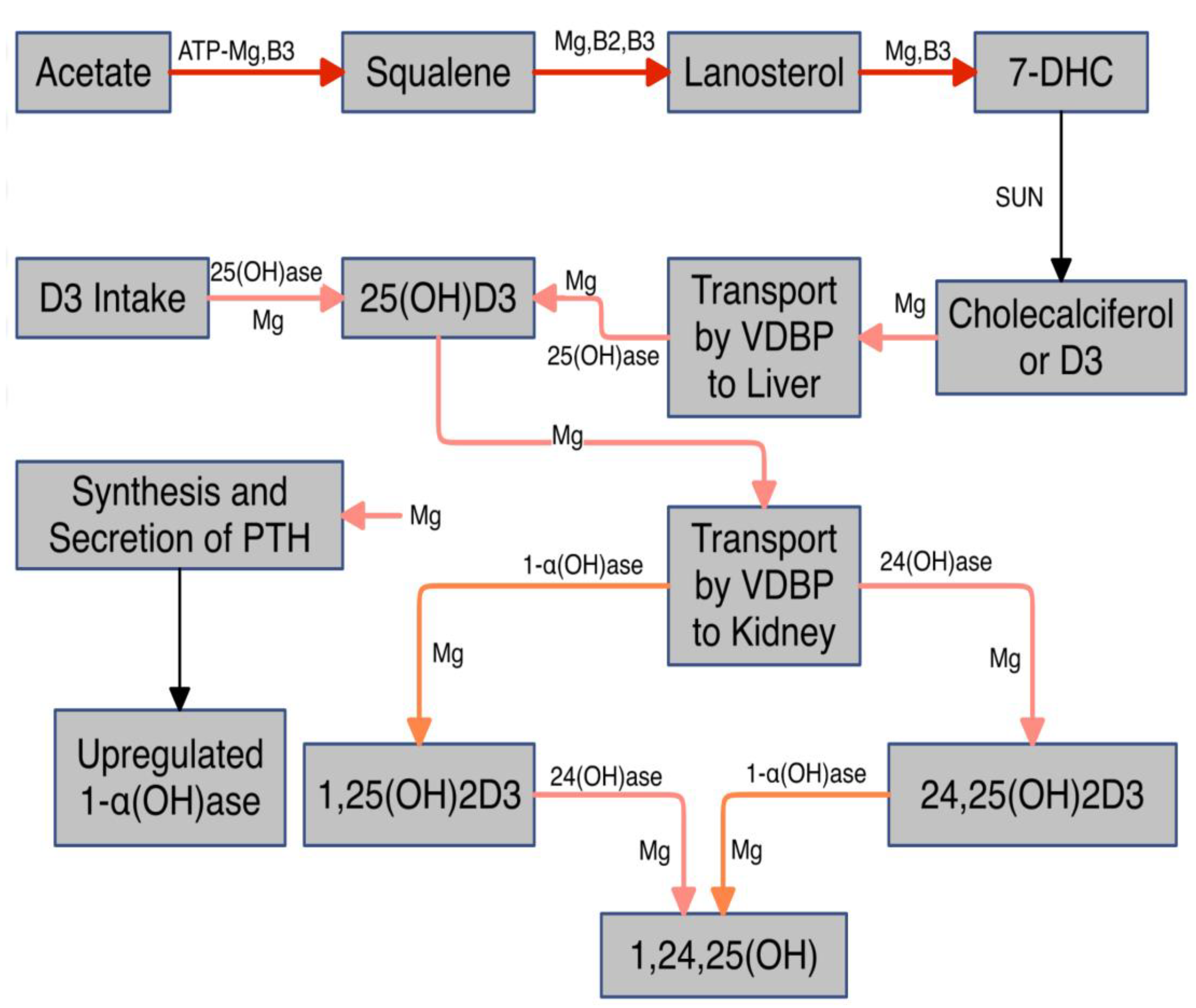
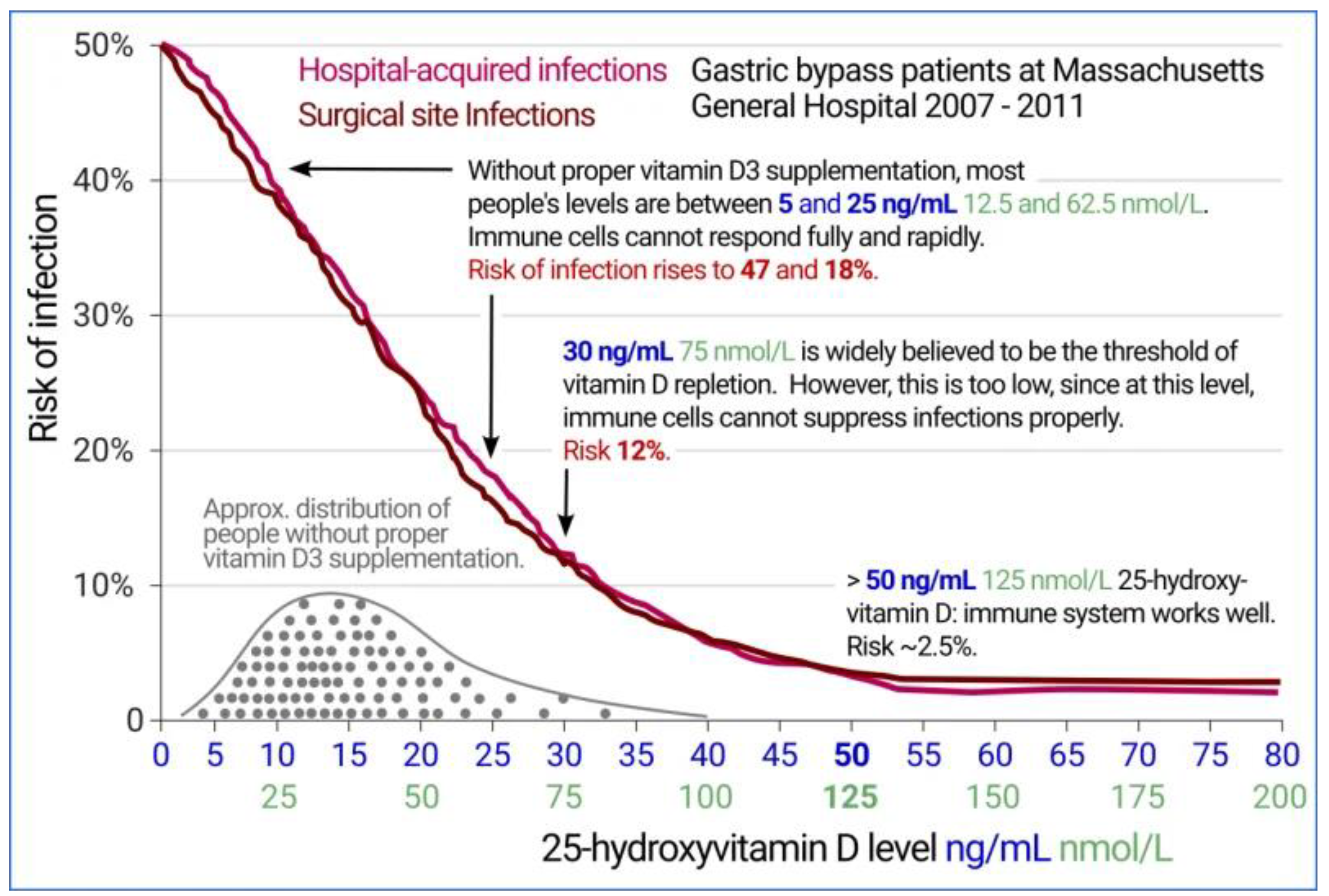
Figure 3.
This bell shaped curve delineates the proposed relationships between VD, Ca:Mg, and PTH. Yellow represents the target range and orange the health risk ranges for Ca:Mg, when physiologic considerations and genetic, cultural, socioeconomic, and dietary considerations are separated.
Figure 3.
This bell shaped curve delineates the proposed relationships between VD, Ca:Mg, and PTH. Yellow represents the target range and orange the health risk ranges for Ca:Mg, when physiologic considerations and genetic, cultural, socioeconomic, and dietary considerations are separated.
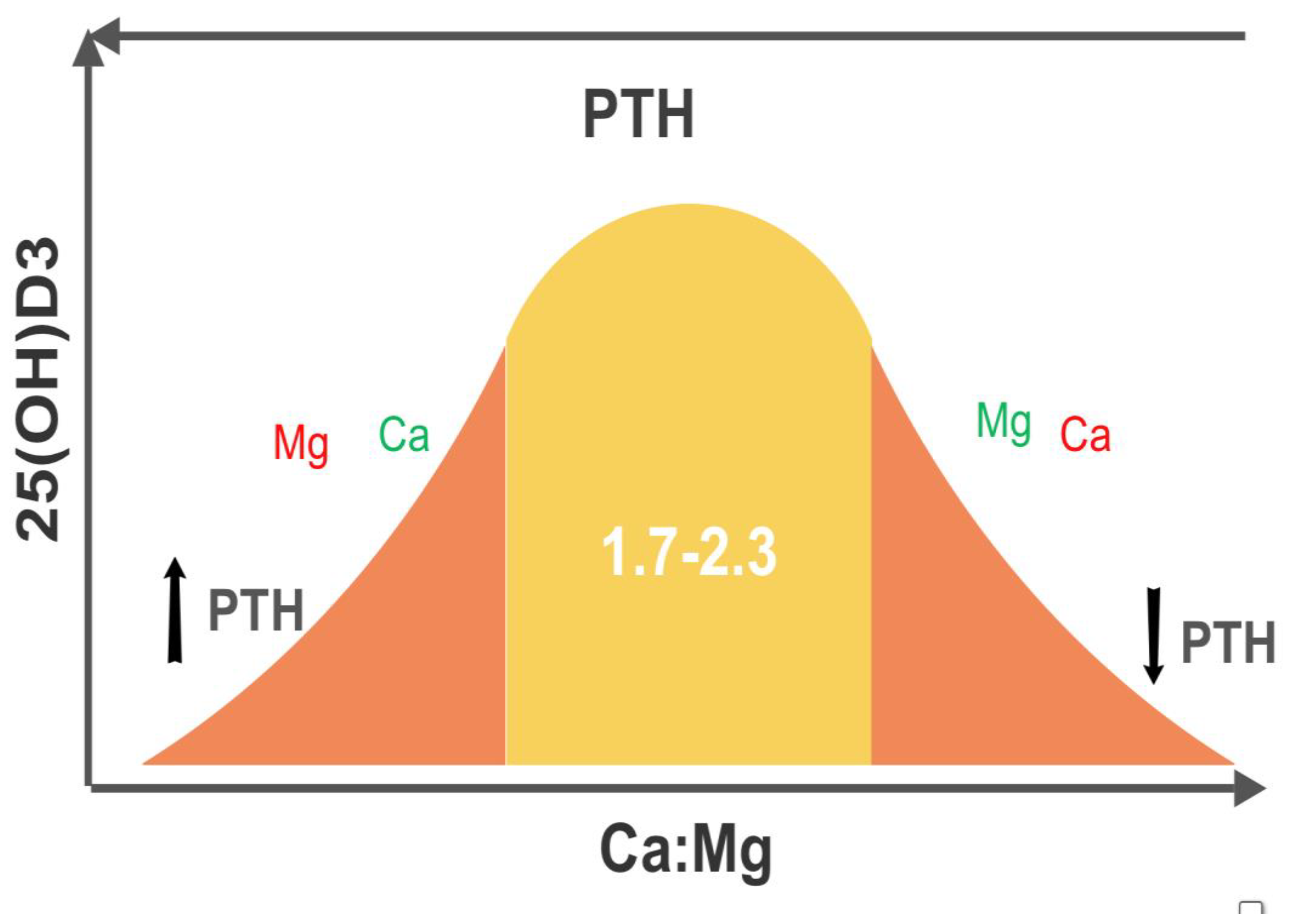
Figure 4.
This illustrates a proposed flowchart for proposed deficiencies of vitamin D, Ca, and Mg in various racial, ethnic, cultural, and economic sub groups, many of which overlap.
Figure 4.
This illustrates a proposed flowchart for proposed deficiencies of vitamin D, Ca, and Mg in various racial, ethnic, cultural, and economic sub groups, many of which overlap.
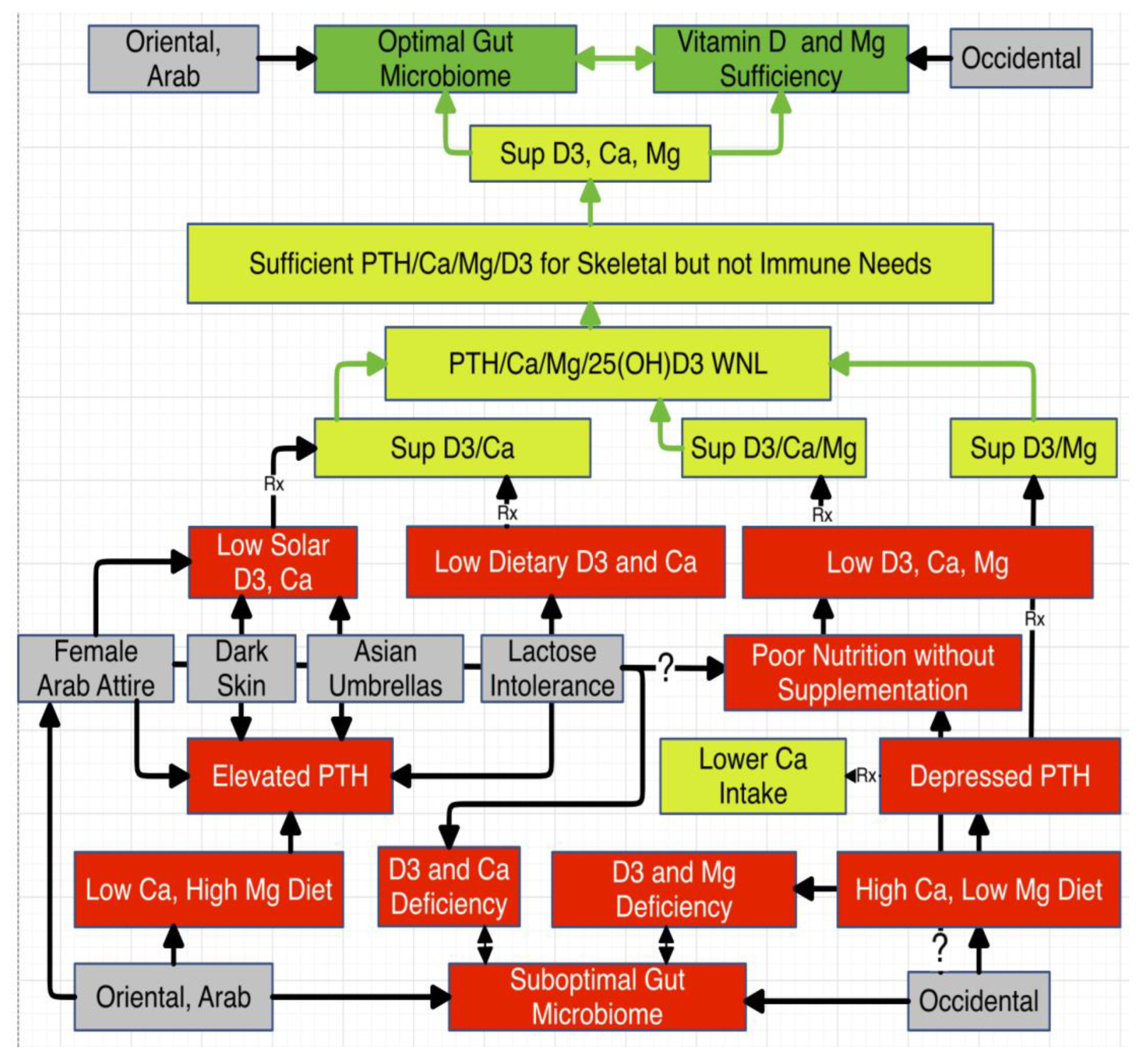
Figure 5.
This step graph represents a derived approximation of Ca:Mg, using Ca and Mg dietary intake only data from 2001-2023, both genders, age greater than 20. To this was added the mean Ca and Mg supplementation only data (Ca 251 mg/d and Mg 65 mg/d) from 2001-2006 both genders, all ages. These ratios were much worse in those ages 6-19 years, usually exceeding 4.0.
Figure 5.
This step graph represents a derived approximation of Ca:Mg, using Ca and Mg dietary intake only data from 2001-2023, both genders, age greater than 20. To this was added the mean Ca and Mg supplementation only data (Ca 251 mg/d and Mg 65 mg/d) from 2001-2006 both genders, all ages. These ratios were much worse in those ages 6-19 years, usually exceeding 4.0.
Disclaimer/Publisher’s Note: The statements, opinions and data contained in all publications are solely those of the individual author(s) and contributor(s) and not of MDPI and/or the editor(s). MDPI and/or the editor(s) disclaim responsibility for any injury to people or property resulting from any ideas, methods, instructions or products referred to in the content. |
© 2025 by the authors. Licensee MDPI, Basel, Switzerland. This article is an open access article distributed under the terms and conditions of the Creative Commons Attribution (CC BY) license (http://creativecommons.org/licenses/by/4.0/).
Copyright: This open access article is published under a Creative Commons CC BY 4.0 license, which permit the free download, distribution, and reuse, provided that the author and preprint are cited in any reuse.


